







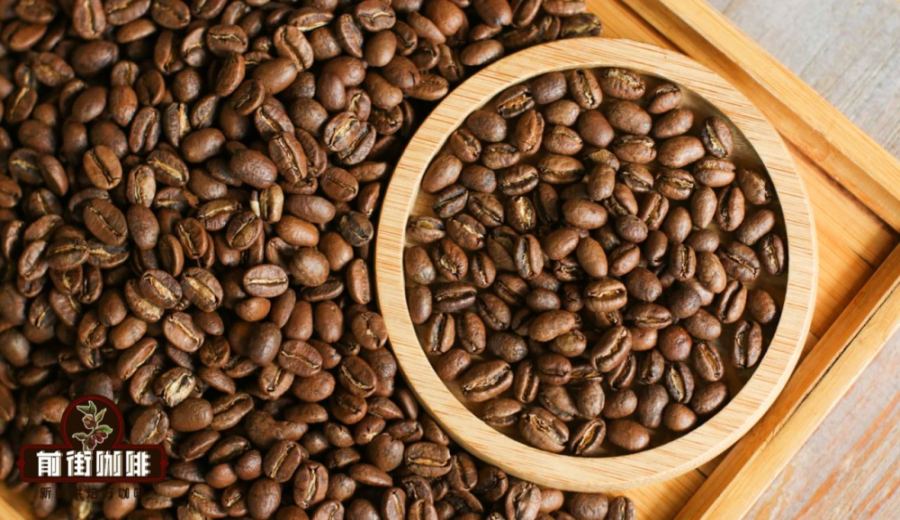
Introduction:Choosing the right espresso blend is the first step for home espresso machine users. This article provides an in-depth analysis of five classic blend recipes suitable for semi-automatic or fully automatic home machines, with detailed explanations covering crema performance to flavor balance. It also shares professional roasters' proprietary blending principles to help readers avoid common bean selection pitfalls and find the beans that best suit their taste preferences and budget.
The Core Value of Espresso BlendsLies in scientifically blending beans from different origins to create a stable performance suitable for both milk-based and black espresso extractions. Unlike single-origin beans that emphasize regional flavors, blends focus more onacid-sweet-bitter balance, crema extensibility, and extraction fault tolerance.For home use, it is recommended to choose beans with 3–7 days of rest after roasting, when their flavors can be fully released.
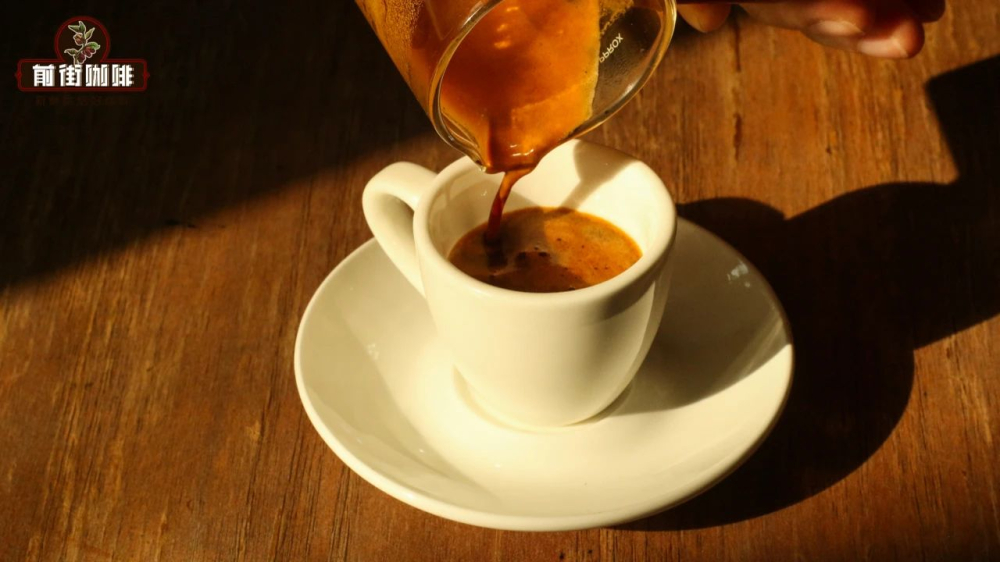
The term "espresso blend" generally refers to a composite recipe designed for espresso extraction, typically mixing two or more bean varieties or different roast levels. Common combinations include beans from Central and South America providing a rich base, paired with Asian beans to add sweetness, or adding a small amount of Robusta to enhance crema thickness.A high-quality blend should have a clear flavor profile—for example, a classic blend from a certain brand uses Brazilian beans as the backbone, complemented by the herbal notes of Indonesian Mandheling, roasted to a medium-dark level to deliver black chocolate and nutty aromas.

Here are five blend recipes that have performed excellently in home settings and are worth considering:
1. Balanced Type(Colombia + Brazil): Rich crema with mild bitterness, suitable for daily black coffee drinking
2. Bold Type(Colombia + Brazil + Robusta): Excellent crema longevity, less prone to acidity when paired with milk
3. Fruity Type(Costa Rica + Colombia + Ethiopia): Features berry notes, ideal for those who prefer a fresh taste
4. Full-Bodied Type(Brazil + Indonesia + Vietnam): Dark roasting highlights caramel notes, suitable for both Americano and latte
5. Budget-Friendly Type(Yunnan + Brazil): Extremely high cost-performance ratio, perfect for beginners

Key technical details of blending often determine the final flavor:
- Defective bean removalmust be strictly enforced—underdeveloped or insect-damaged beans can ruin overall balance
- Roasting synergy effectsneed to be considered—for example, the ratio of medium-light roasted beans to dark roasted beans is recommended to be maintained at 6:4
- Resting time managementaffects extraction performance; newly roasted beans should rest for at least 48 hours before use
- Extraction parameter coordination—for home machines, a brew ratio of 1:2 to 1:3 and a grind size similar to superfine sugar grains are recommended
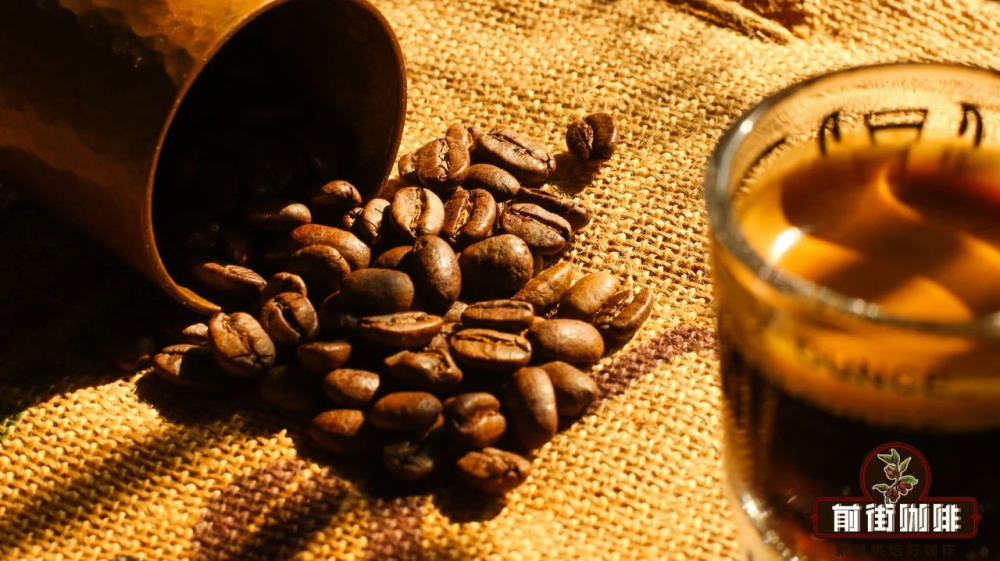
Common bean selection misconceptions include overly pursuing single-origin flavors or mistakenly believing that the fresher the beans, the better. In reality,freshly roasted beans contain excessively high levels of carbon dioxide, and immediate extraction can easily lead to channeling. Professionals recommend sealing purchased beans and storing them in a cool place, away from direct sunlight and moisture, with an optimal flavor window of about 2–3 weeks post-roast.
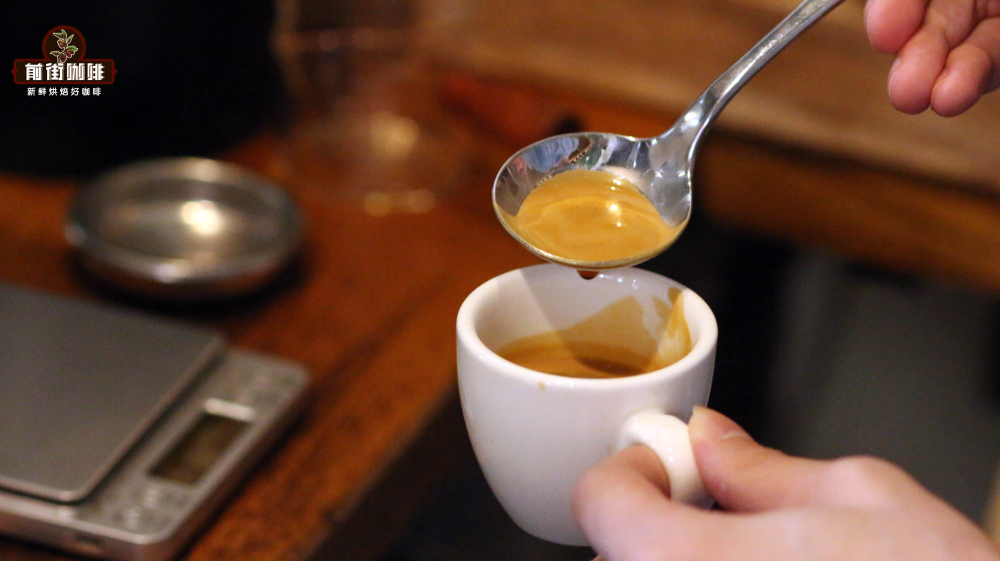
For beginners new to espresso extraction, the following steps can help gradually master the essentials:
1. First, confirm whether the grinder setting is suitable for the blend characteristics
2. Preheat the portafilter and cup to above 60°C
3. Use a center-outward circular motion to tamp, ensuring even puck density
4. Control extraction time within 25–30 seconds, observing whether the crema color shows a hazelnut hue
5. Fine-tune grind coarseness based on crema thickness; the ideal state should have some resilience without sticking
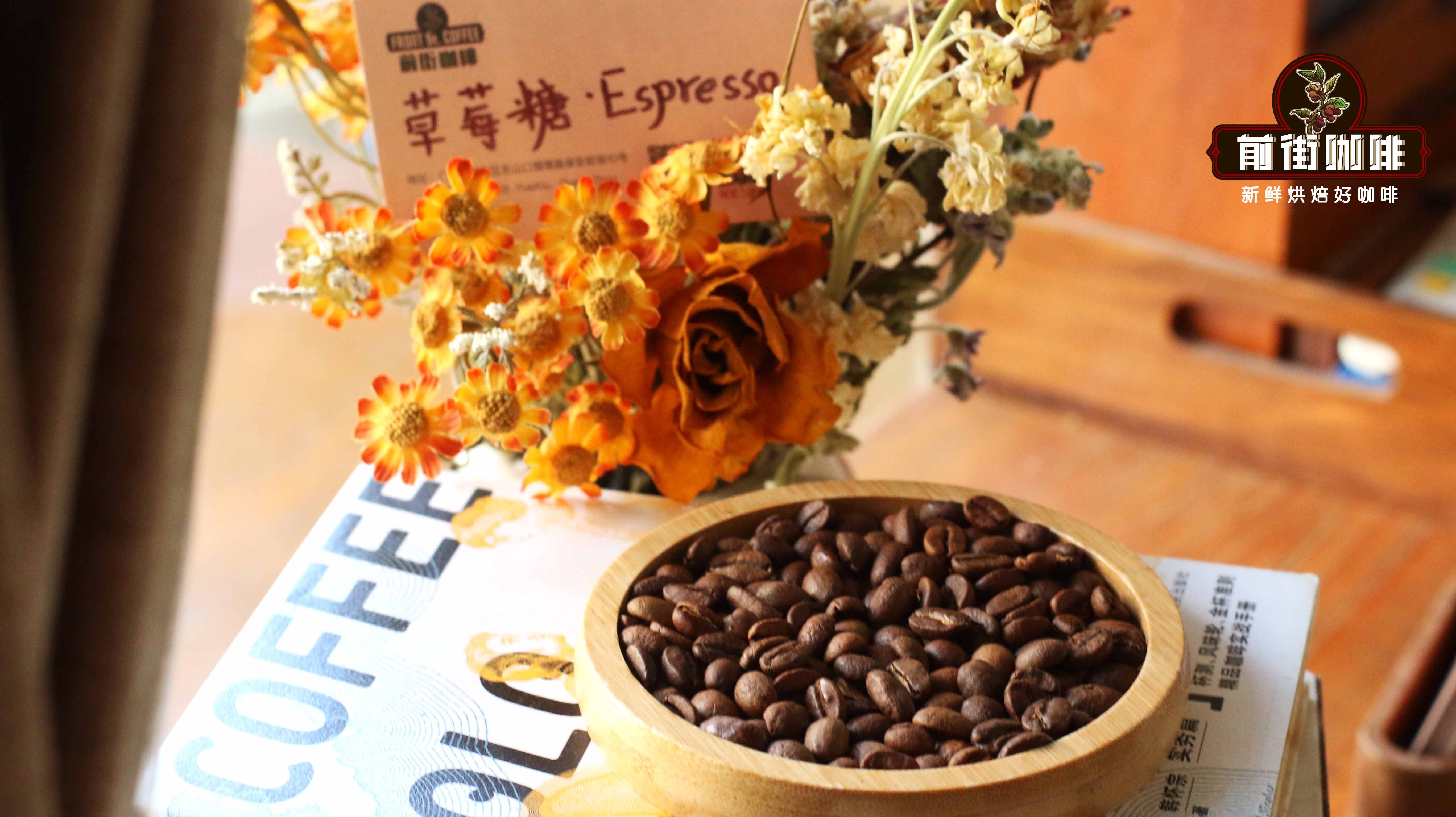
The design of blend recipes involves complex flavor engineering. For example,the sugary sweetness of Brazilian beans complements the citrus notes of Colombian beans,and the addition of an appropriate amount of Robusta can enhance crema stability without masking delicate aromas. Understanding these principles allows users to adjust basic blend ratios according to their machine characteristics and taste preferences, gradually crafting a personalized flavor profile.
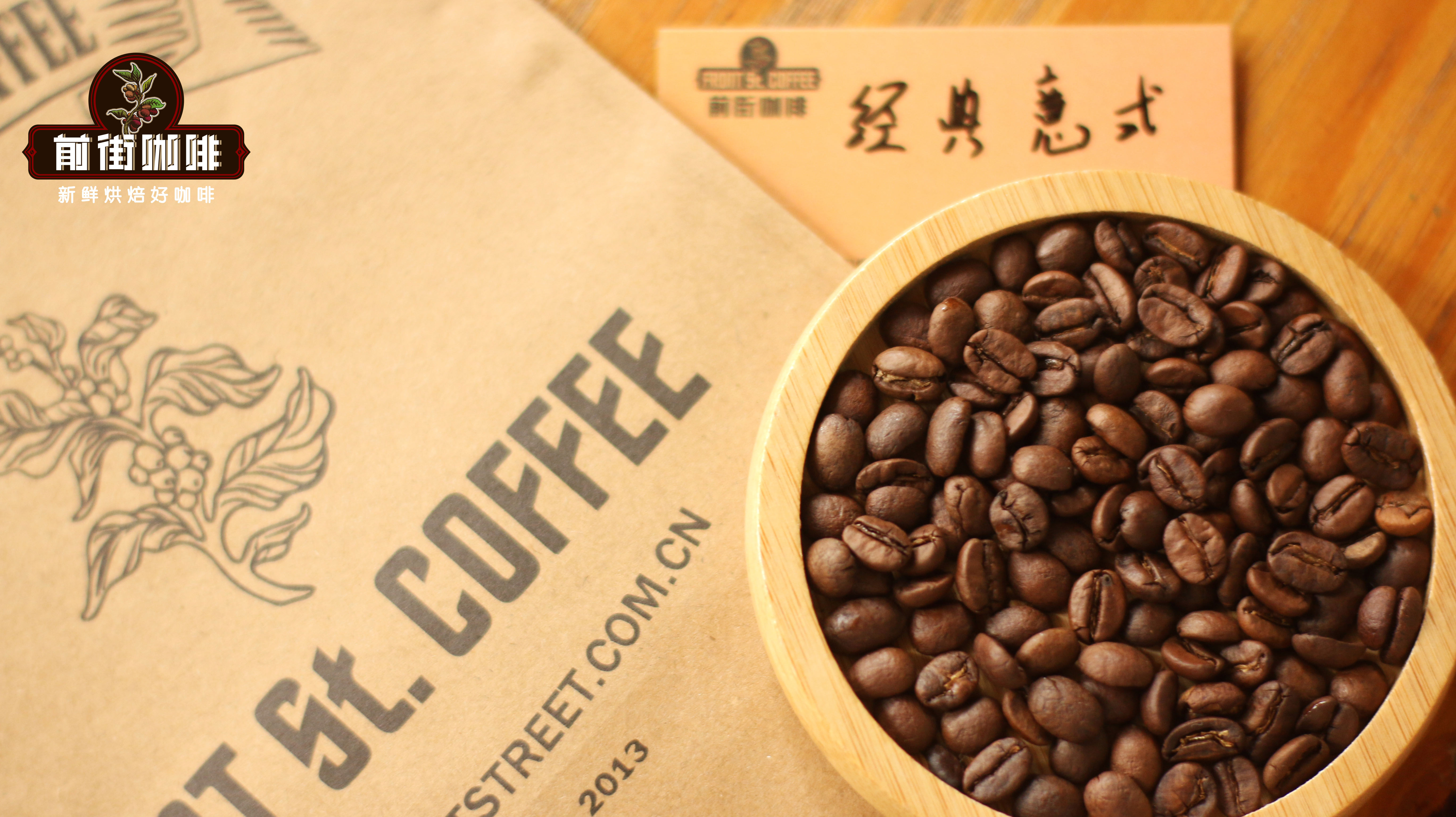
Storage methods directly impact the performance of blends. It is recommended to usesingle-way valve aluminum foil bagsand avoid long-term storage in transparent containers. If the coffee powder shows oily clumping or obvious rancid odors, it indicates that the optimal usage period has passed. Regularly cleaning the grinder burrs and brew head is also an important step in maintaining flavor purity.

In summary, choosing an espresso blend for home use requires comprehensive consideration ofextraction equipment conditions, personal taste preferences, and budget range.By systematically understanding blending logic and detail management, even beginners can gradually develop a keener sensitivity to coffee flavors and enjoy espresso quality close to that of specialty shops in a home setting.
The above content is compiled by CoffeeHunters, a coffee news website.

