







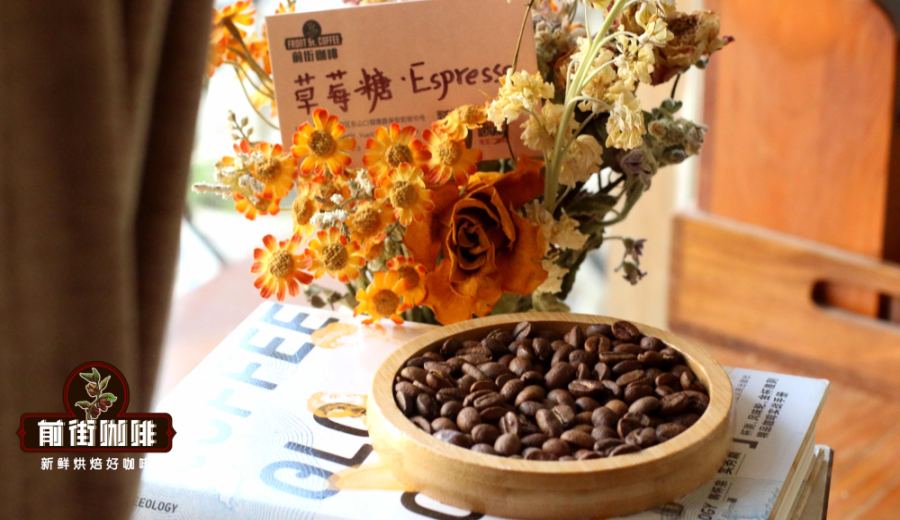
Introduction:Faced with a dazzling array of espresso beans, do you know how to choose the right ones for your home coffee machine? This article delves into the mechanics of espresso brewing, exploring the differences between blends and single-origin espresso (SOE) beans, the impact of roast levels, and key extraction parameters and techniques — helping you find the beans that best suit your taste and master the skills to brew a rich, full-bodied cup.
Stepping into the coffee bean section, the variety of espresso beans can be overwhelming — some labeled as dark roast, others highlighting light to medium roasts; some emphasizing blend recipes, while others pride themselves on single-origin origins. If you're unsure which to choose, this article will guide you step-by-step through the characteristics of espresso beans and recommend options ideal for home use.
Espresso, originating in post-WWII Italy, is a strong coffee beverage produced through high-pressure extraction. This method fully releases the aroma and flavor of the coffee, allowing even moderately priced beans to produce a rich and layered coffee experience. The combination of high temperature and pressure is the key to espresso’s distinctive flavor.
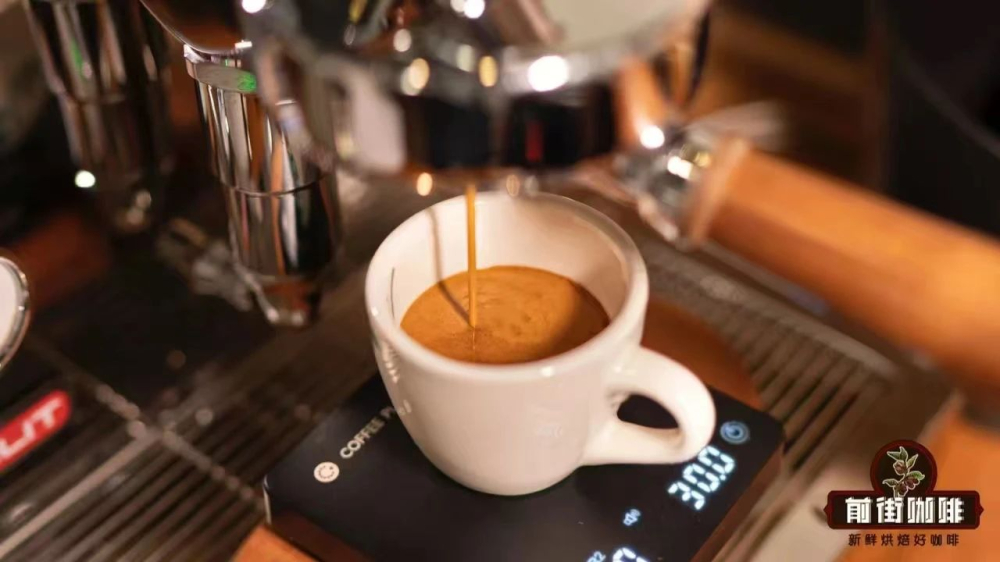
When selecting beans, it's important first to distinguish between "espresso beans" and "pour over beans." The former is designed specifically for pressure extraction, commonly used in espresso machines or moka pots, and typically requires a darker roast to support extraction under high pressure; the latter is suitable for methods like pour over, siphon, or cold drip, which are non-pressurized, usually employing light to medium roasts to preserve more of the beans' inherent flavors. The difference in roast depth directly affects the final taste profile.
Espresso beans are mainly divided into two categories: blends and SOE (single-origin) beans. Blends consist of coffee beans from two or more origins mixed in specific proportions. Roasters often optimize these blends based on cost, flavor consistency, and extraction characteristics — for instance, commercial blends or dark chocolate blends offer excellent value for money.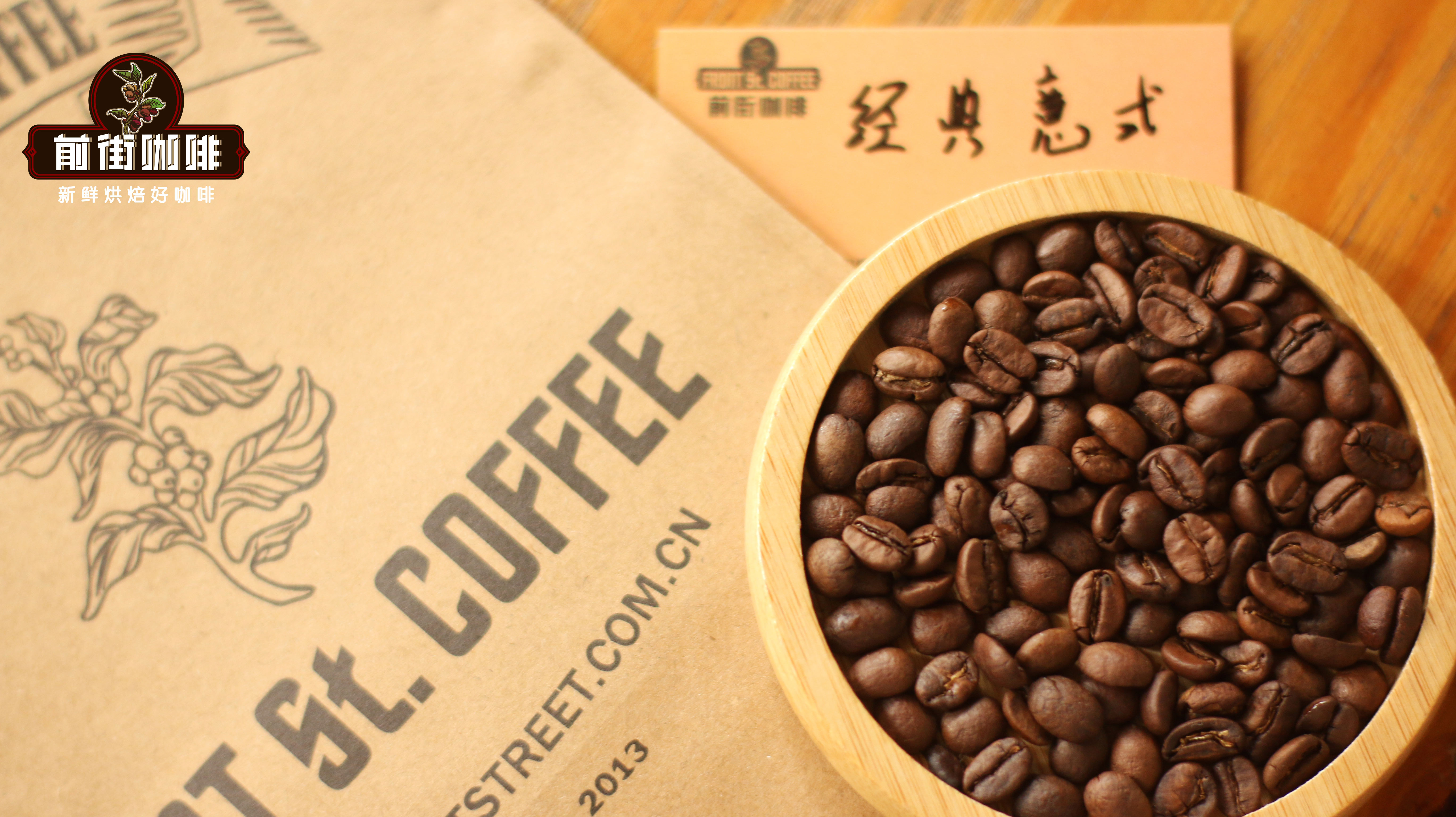 In contrast, SOE beans use coffee from a single origin. While they are often considered to have purer flavors, they are usually light to medium roasted with more pronounced acidity, which may not suit everyone’s taste preferences.
Interestingly, if you carefully blend high-quality single-origin beans, not only can you achieve rich layers of flavor, but the resulting taste might even surpass that of typical SOEs — though such blends are usually more expensive. For example, a blend combining beans from Costa Rica, Colombia, and Ethiopia’s Yirgacheffe can exhibit notes of rose, strawberry sweetness, raisin-like grapes, and the freshness of blueberries — perfect for coffee lovers who enjoy diverse flavor profiles.
Want to brew professional-level espresso at home? The key lies in mastering the correct extraction steps and parameters. First, remove the portafilter from the machine and place it on an electronic scale to zero it out, then press the brew button to release hot water. When using a double-spout portafilter, it's recommended to fill it with 18–21 grams of coffee grounds.The grind size should be relatively fine— this is a crucial foundation for ensuring even extraction.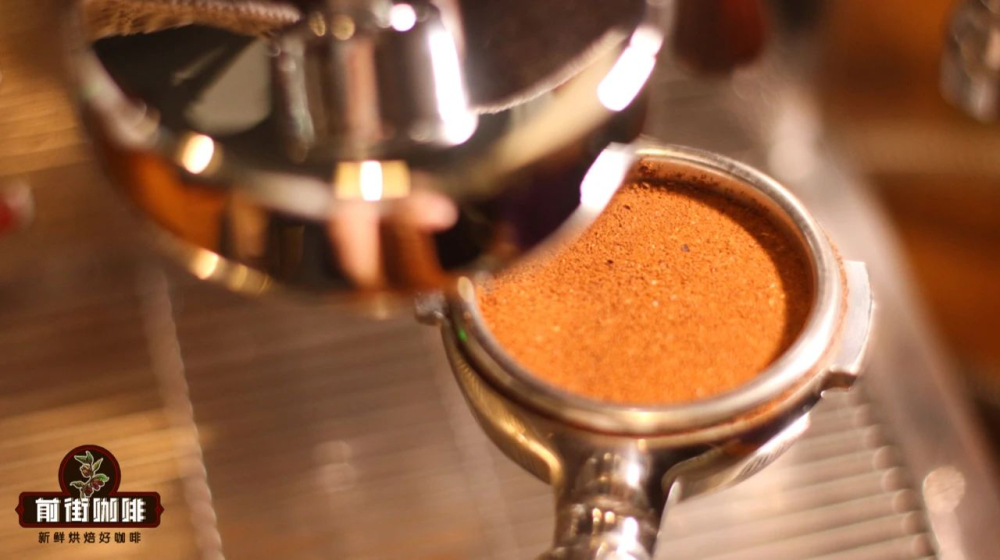
Next, gently level the coffee bed with your fingers to ensure it’s flat and free of indentations. Place the tamper above the coffee grounds and apply vertical pressure with your arm, aiming for a force of 20–30 pounds. After tamping, you can slightly twist the tamper to make the compaction more uniform and avoid channeling that could affect extraction. Reinstall the portafilter, preheat your ceramic cup, and you’re ready to begin extraction.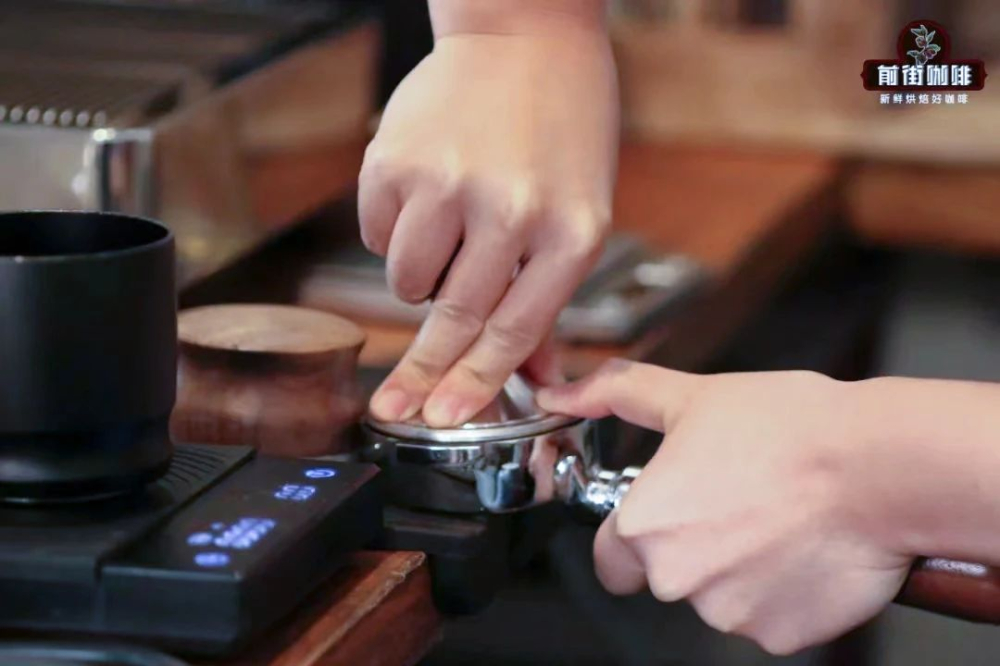
At the start of extraction, the flow will be slow, then become steady and thin. Ideally, when the time reaches 25–30 seconds and the coffee-to-water ratio is about 1:2, the flow will gradually thicken and turn golden yellow — this is when you should stop. Pay attention to changes in extraction color and flow rate to avoid over- or under-extraction.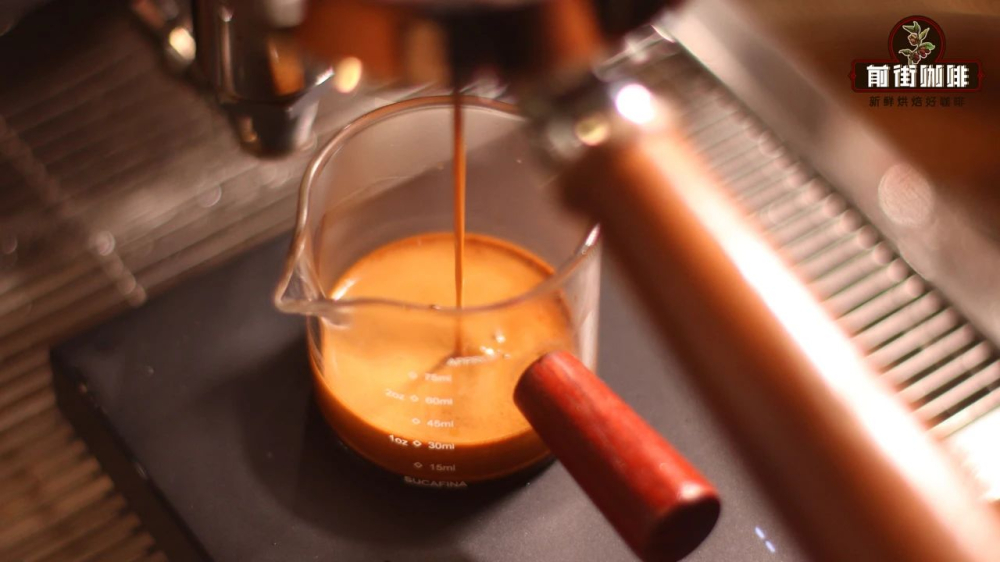 Once brewed, you can choose to enjoy it directly or gently stir to experience the layered flavors, discovering your personal favorite within the rich espresso experience.
The above content is compiled by CoffeeHunters, a coffee news website.

