








Introduction:Latte, cappuccino, and mocha are common Italian-style milk coffees, but do you really understand their differences? From coffee ratios and milk foam thickness to suitable coffee beans, this article details the characteristics of these three classic drinks and recommends several Italian blends that balance flavor and value. Whether for home brewing or beginners, you’ll find a suitable choice.
When ordering at a café, latte, cappuccino, and mocha often leave people hesitating. These three classic Italian milk coffees, though all based on espresso, differ greatly in ratio and flavor layers. To become an expert in coffee selection, start by understanding their differences.
Espressois the soul of these drinks, extracted under high pressure to produce a strong coffee liquid. Due to its intense flavor, many countries add milk or other ingredients to balance it, resulting in a variety of variations. Latte, cappuccino, and mocha are the most representative drinks when milk is added.

To make these milk coffees, you need an espresso machine with a steam wand and choose a medium-dark roasted blend. Such beans usually have a rich flavor and can perfectly blend with milk. For example, freshly roasted beans shipped within 5 days after roasting are recommended to rest for 7 days upon arrival, allowing the carbon dioxide to stabilize for better extraction performance.

When making a latte, a common ratio is 20 grams of espresso with 200 milliliters of milk and 1 centimeter of milk foam, totaling about 280 milliliters. It is recommended to use a 300-milliliter bowl-shaped cup. The coffee-to-milk ratio is balanced, with a smooth taste, suitable for those who enjoy a balance of milk aroma and coffee.

Cappuccino is a stronger coffee-flavored option, with a ratio of 40 grams of espresso, 150 milliliters of milk, and 1.5 centimeters of milk foam, totaling about 190 milliliters. The thick foam forms a raised appearance, and the first sip often has a marshmallow-like fluffy texture. It is recommended to use a 200-milliliter straight or tulip cup to highlight its layers.
Mocha adds a chocolate element to the latte base, with a recipe of 20 grams of espresso, 15 grams of chocolate syrup, 190 milliliters of milk, and 1 centimeter of foam, totaling about 280 milliliters. If you prefer a sweet aroma, you can add marshmallows as decoration. Using a 300-milliliter bowl-shaped cup allows its rich flavors to be fully presented.
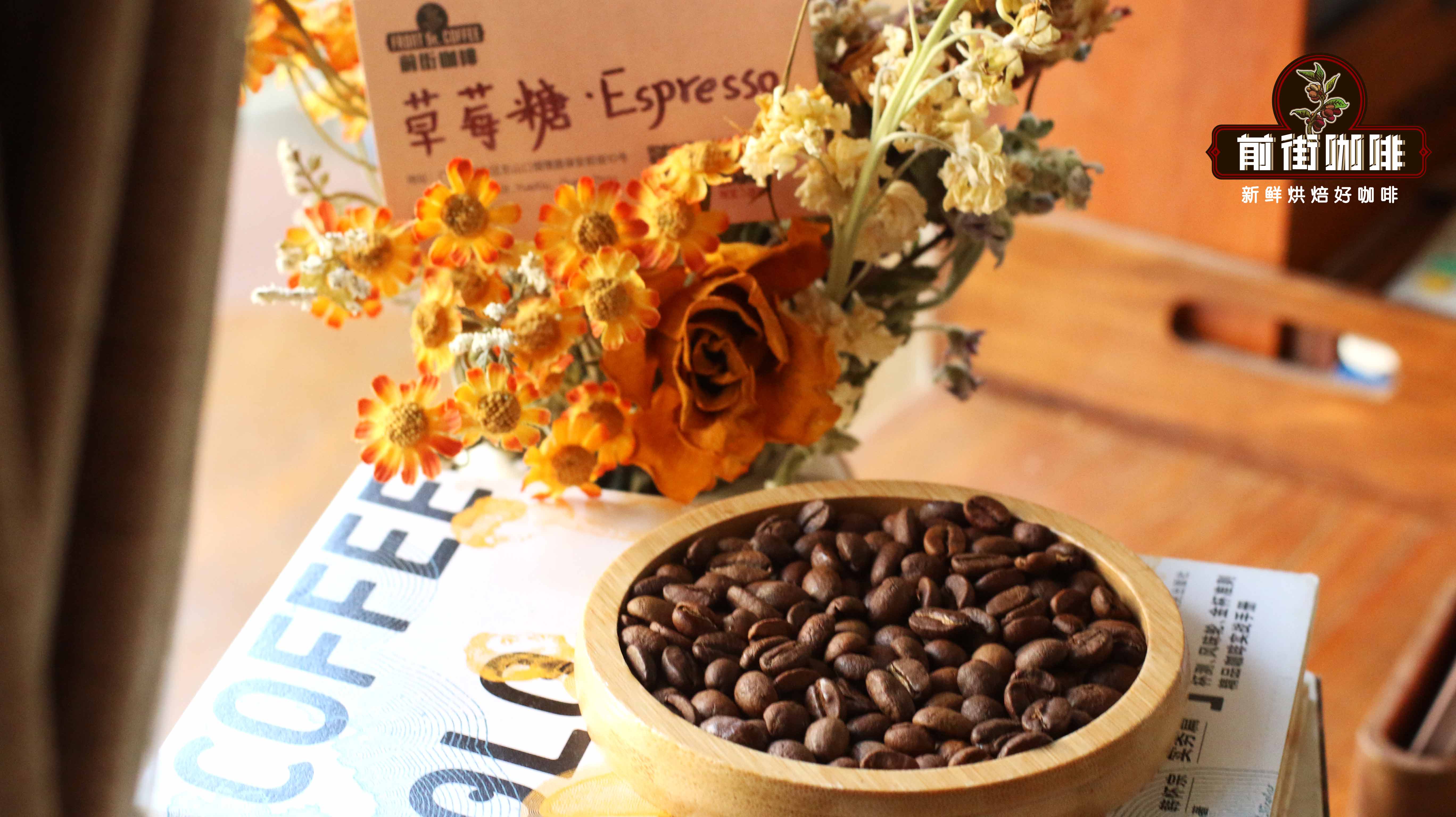
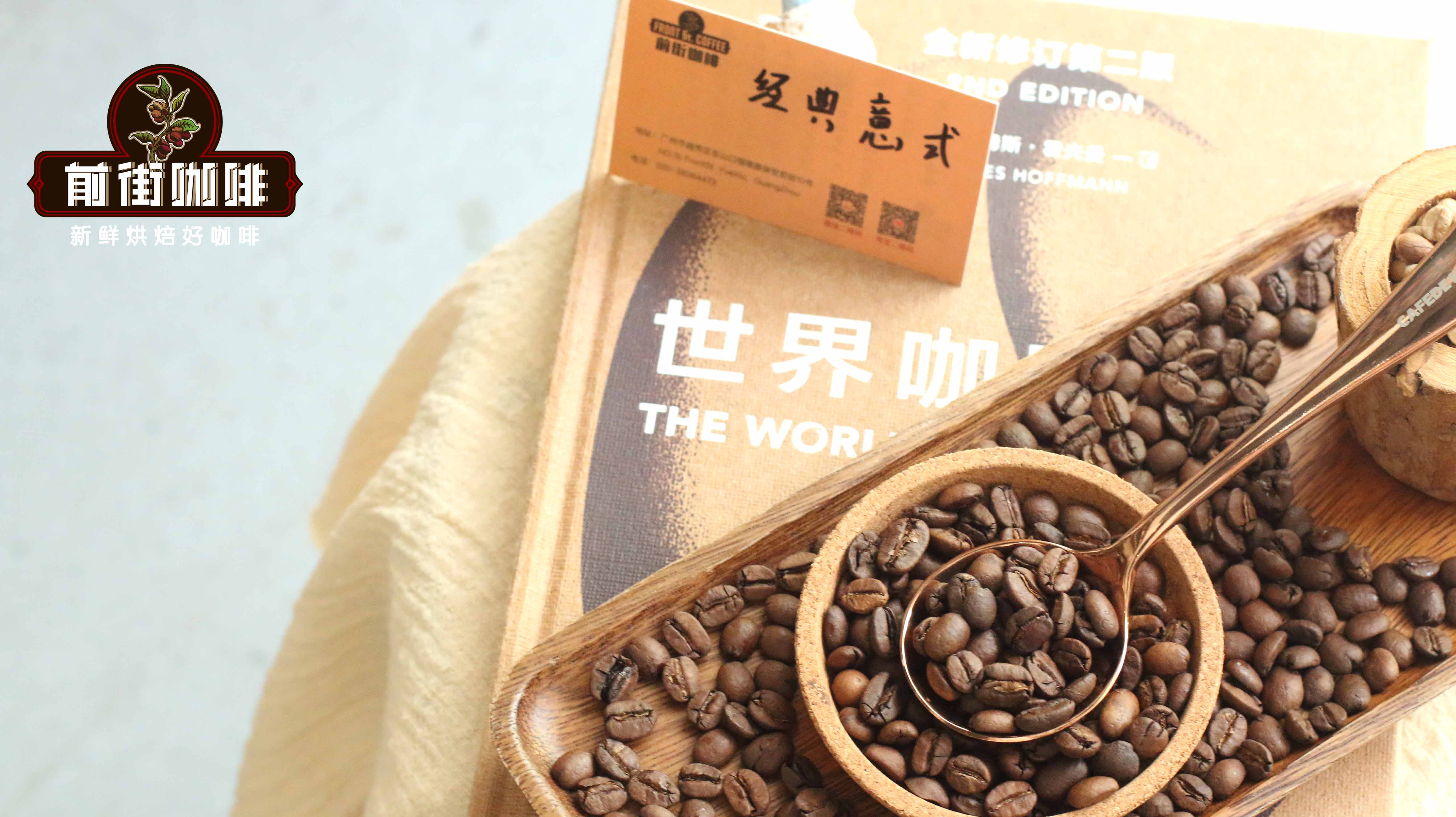
As for coffee bean selection, a medium-dark roasted blend is the top choice. For example, some blends offer aromas of chocolate, caramel, and nuts, with rich crema, suitable for latte art; others showcase floral and fruity notes, such as rose and strawberry soft candy flavors, with an almond aftertaste. There are also commercial-grade blends with high cost-performance, suitable for daily home use.

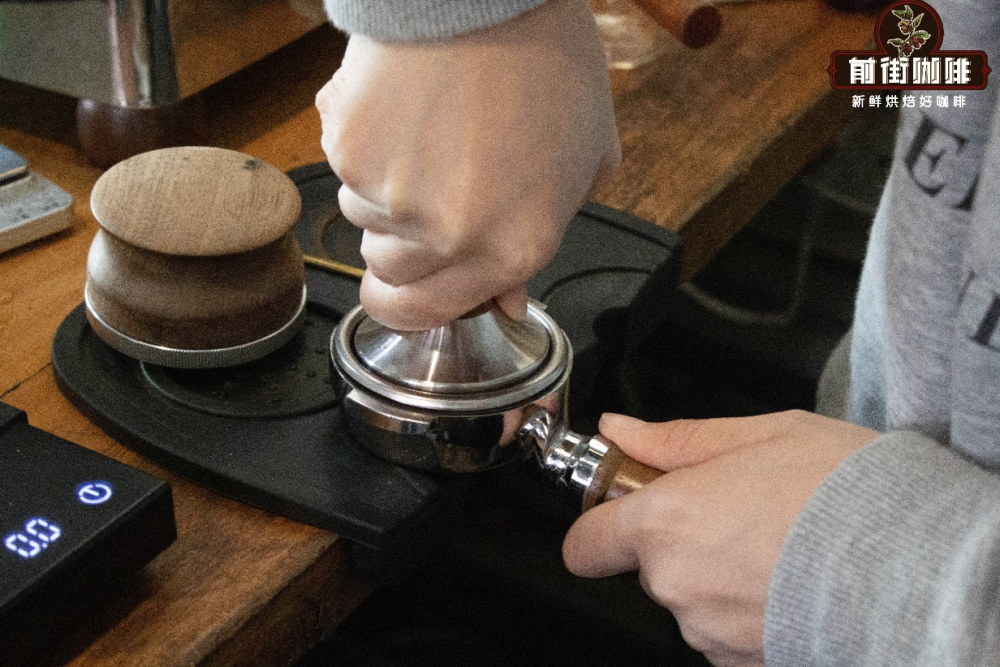
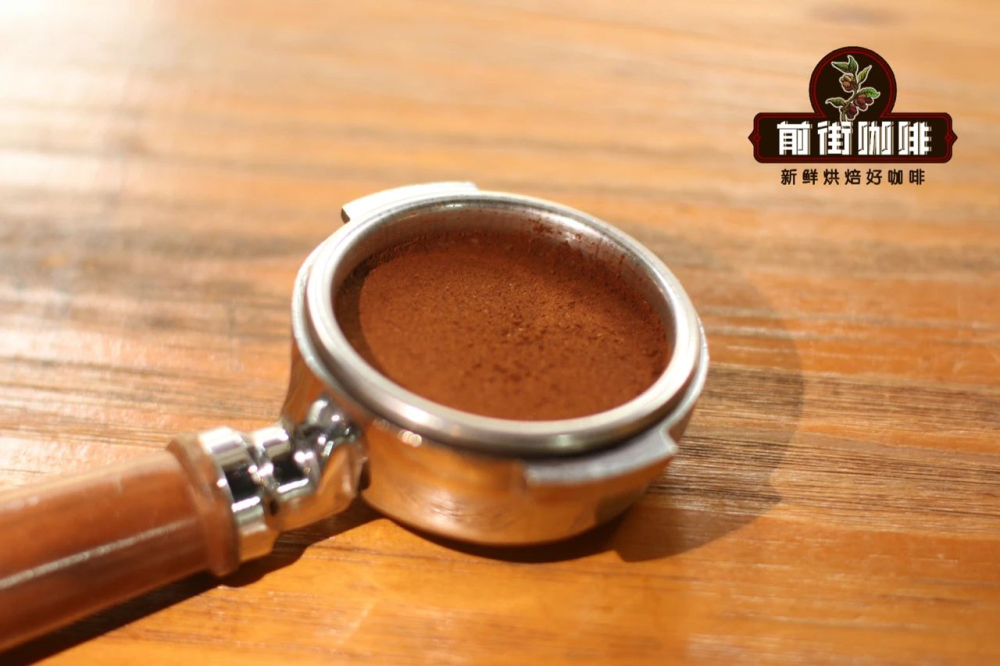
When extracting espresso, it is generally recommended to use 10 grams of coffee grounds to yield 20 grams of liquid, or 20 grams of grounds to yield 40 grams of liquid, with time controlled between 25 to 30 seconds. Specific parameters can be adjusted according to equipment, and the resulting flavors should be tasted personally to decide whether to adjust grind size. The temperature and fineness of the milk froth are also key factors affecting the final taste.





The above content is compiled by CoffeeHunters, a coffee news website.


