







Introduction:Learn how espresso machines use high pressure extraction to produce richly flavored espresso, and master the extraction principles and key parameters. This article provides an in-depth comparison between semi-automatic and fully automatic machines, explains the formation of crema and its impact on flavor, and recommends five medium-roast espresso blends ideal for beginners. From crema texture to balanced sweetness, it helps you find the perfect beans for home or entry-level use.
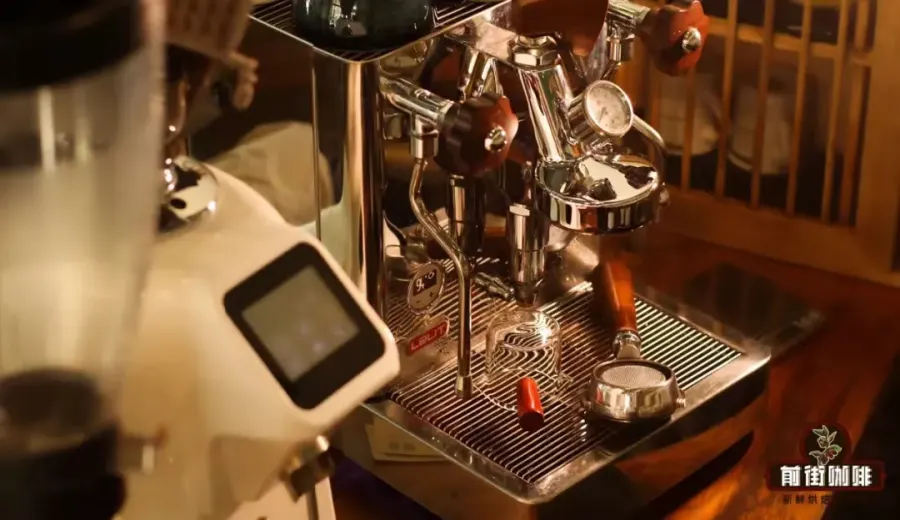
The core of an espresso machine lies in its built-in boiler system, which heats water to produce high-temperature, high-pressure water flow—typically around 9 bars. This extracts about 30ml of concentrated coffee from finely ground and evenly tamped coffee puck. This brewing method not only intensifies the coffee's flavors but also forms a delicate, velvety layer of crema on the surface, adding richness and aromatic complexity to the drink.
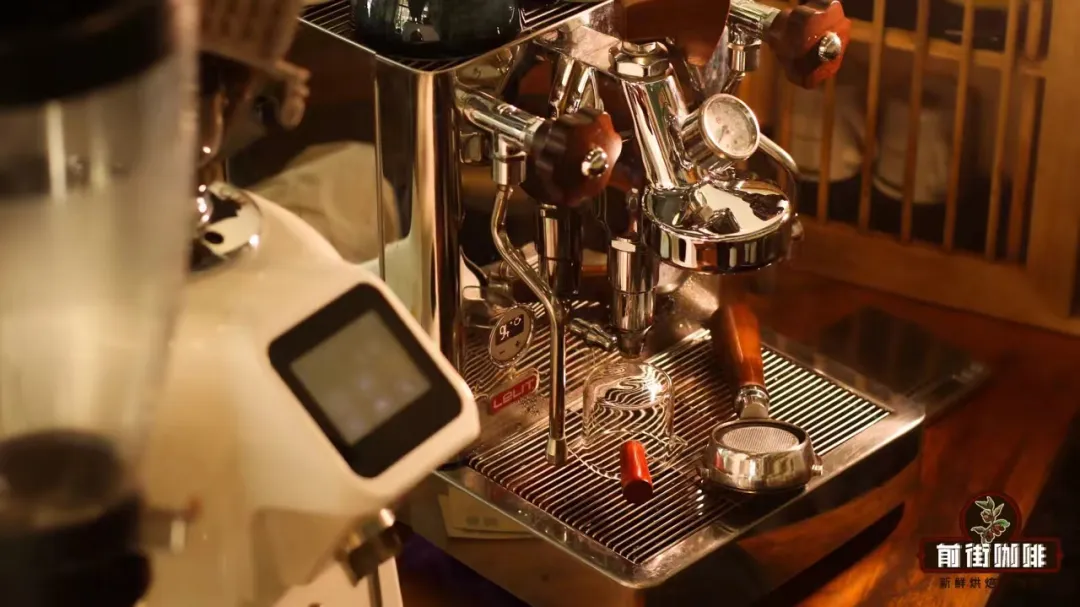
Currently, espresso machines on the market are broadly divided into two main types: semi-automatic and fully automatic. Semi-automatic models usually come with one or more group heads, making them suitable for commercial use due to their fast brewing speed and flexible operation, which can handle high-volume demands. Fully automatic models, on the other hand, integrate grinding, tamping, and even the entire extraction process, offering convenience but generally taking longer to brew. They are often used in home or office settings where ease of use is prioritized.
To successfully extract an ideal shot of espresso, stable machine pressure and appropriate water temperature are crucial. Generally, the water temperature should be controlled between 90°C and 96°C, with pressure maintained at 9 bars, to effectively bring out the various flavor compounds in the coffee while avoiding over-extraction or under-extraction.
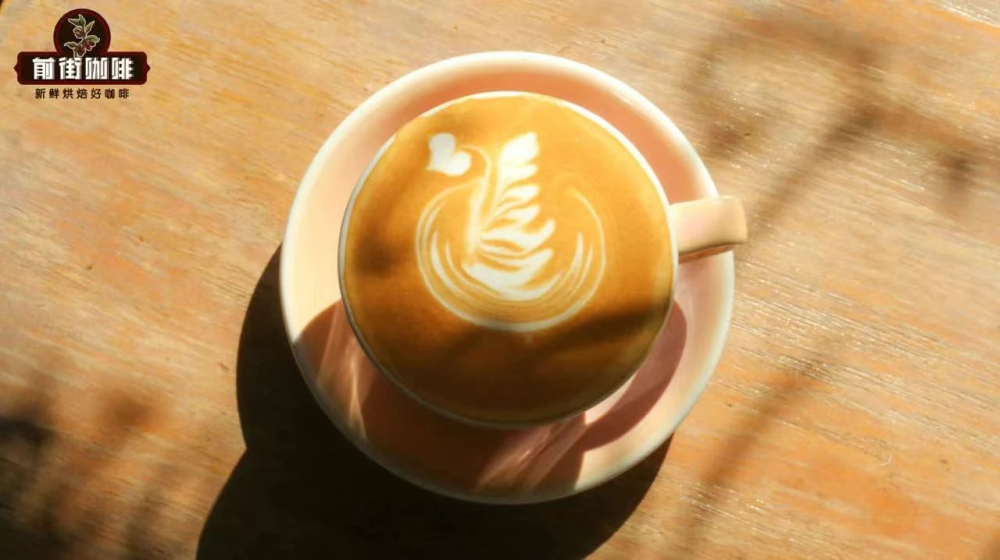
When selecting coffee beans, medium to dark roast espresso blends are recommended. These beans, due to their higher roast level, can withstand high-pressure extraction and release richer oils and caramelized flavors. If you prefer a less bitter and more beginner-friendly taste, medium-roast blends offer a better balance of sweetness and acidity. Additionally, the color of the crema is typically golden to amber, and its texture and thickness can also indicate whether the extraction was successful.
Using espresso as a base, you can easily create a variety of classic coffee drinks—for example, adding hot water makes an Americano, mixing in steamed milk creates a latte or cappuccino, and incorporating milk foam, spices, or syrups allows for diverse options like macchiato or mocha, catering to different occasions and personal taste preferences.
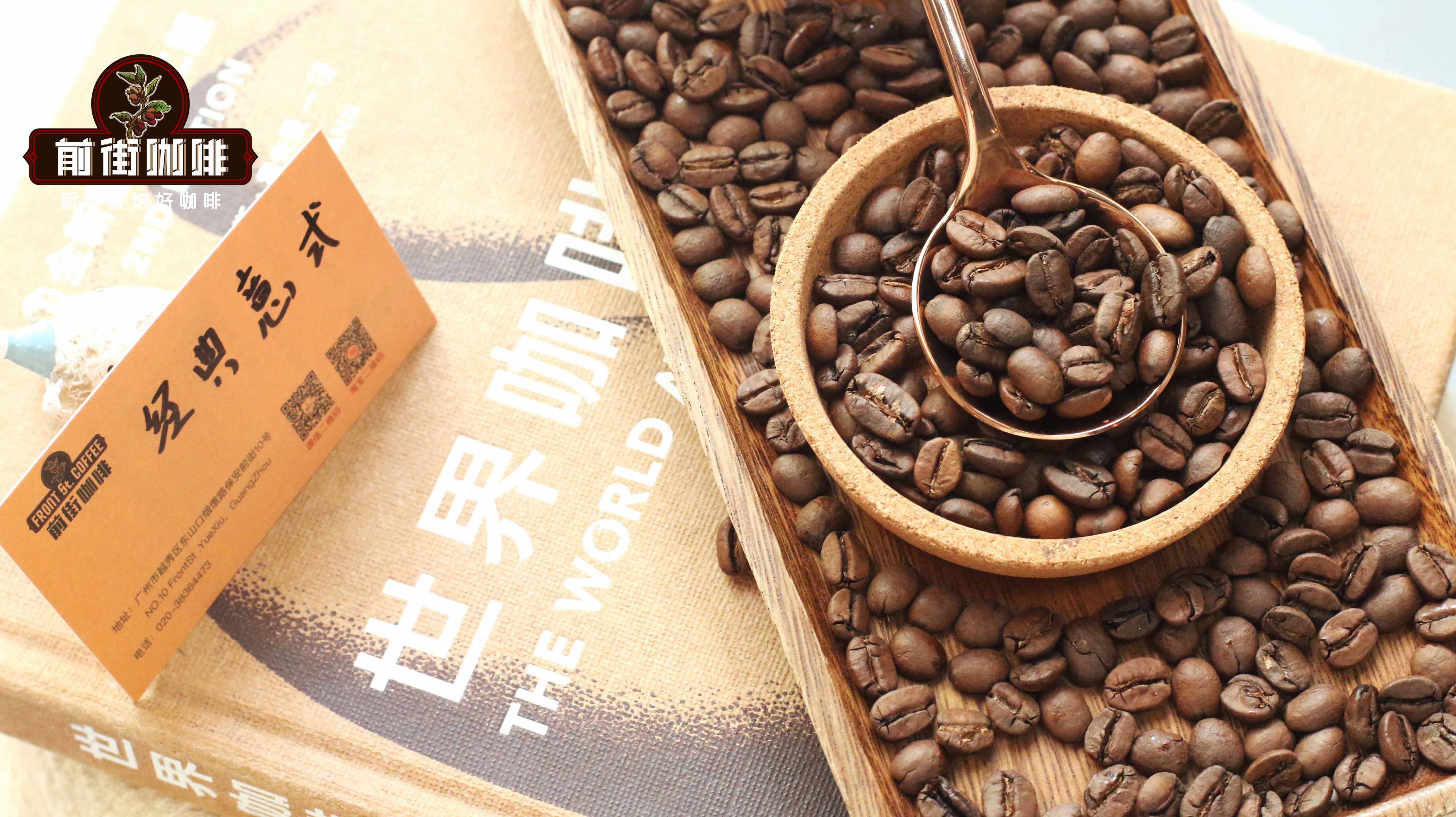
Below are five medium-roast espresso blends recommended for beginners or home use, each with unique strengths ranging from classic profiles to fruity notes:
1. Mamba Basic Blend: Combines Indonesian Mandheling and Brazilian beans, with Robusta added to enhance crema performance. Ideal for latte art, it delivers a full-bodied and smooth flavor, making it a popular choice for many home users starting out.
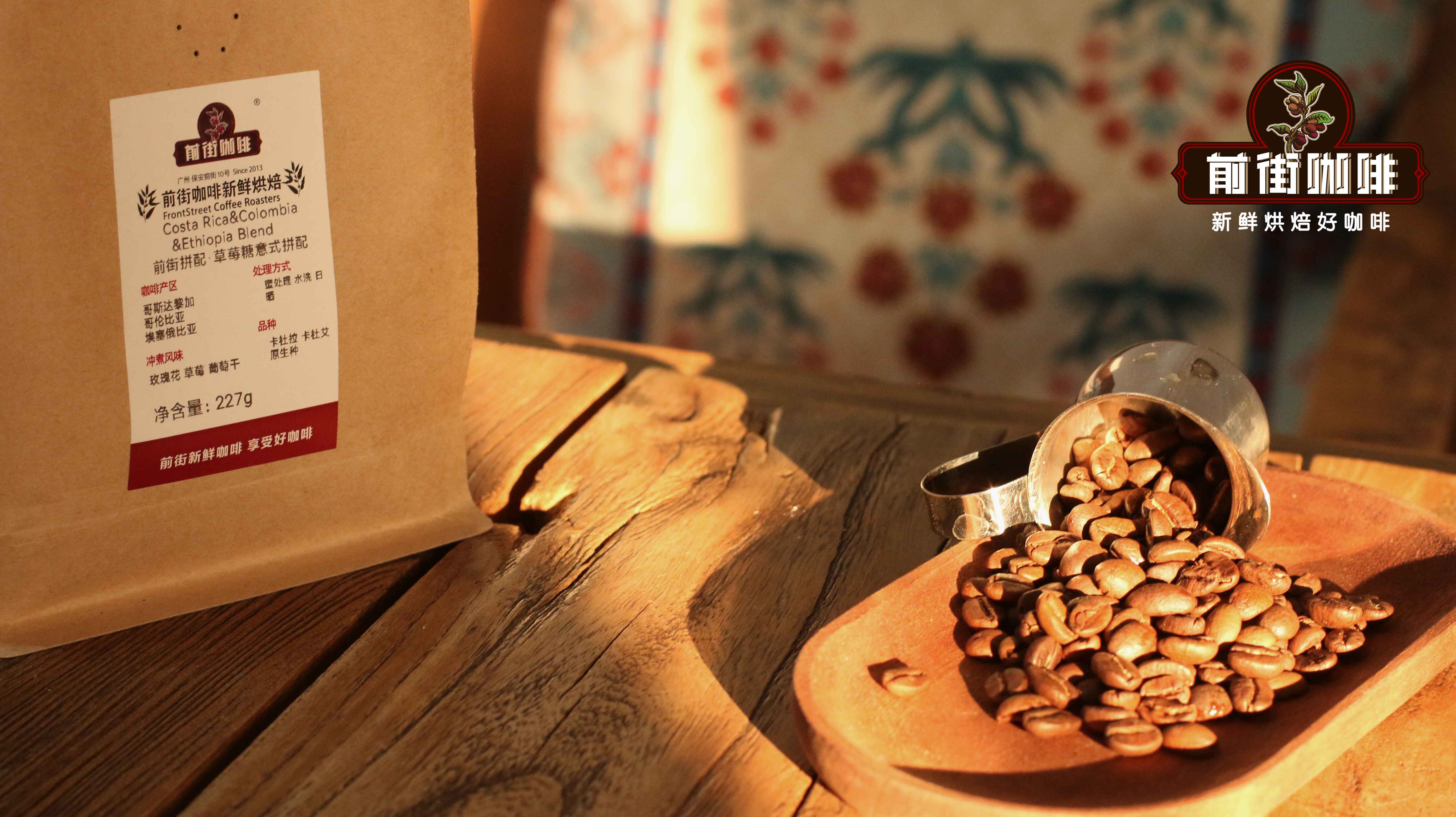
2. Fruity Blend: Made with Costa Rican honey-processed beans and Ethiopian beans, along with some Colombian beans, it offers a soft strawberry taffy-like acidity and sweetness. The crema is delicate, suitable for those who prefer lighter flavors.
3. Nutty & Chocolate Blend: Blends beans from Brazil and Colombia, showcasing distinct notes of nuts, cocoa, and roasted nuts. The extraction often leaves a buttery cookie aftertaste, perfect for those who enjoy a fuller body.
4. Commercial-Grade Equivalent Blend: A blend of Brazilian, Colombian, and Vietnamese beans, medium-dark roasted to deliver intense roasty aromas and rich crema. Great for smooth-tasting Americanos or lattes, it offers excellent value and is ideal for everyday drinking.
5. Budget-Friendly Entry-Level Blend: Focuses on gentle fruit acidity, caramel sweetness, and dark chocolate notes. It has a smooth mouthfeel and affordable price, making it a great option for those new to espresso with limited budgets, suitable for daily use at home or small cafés.
The above content is compiled by CoffeeHunters, a coffee news website.


