







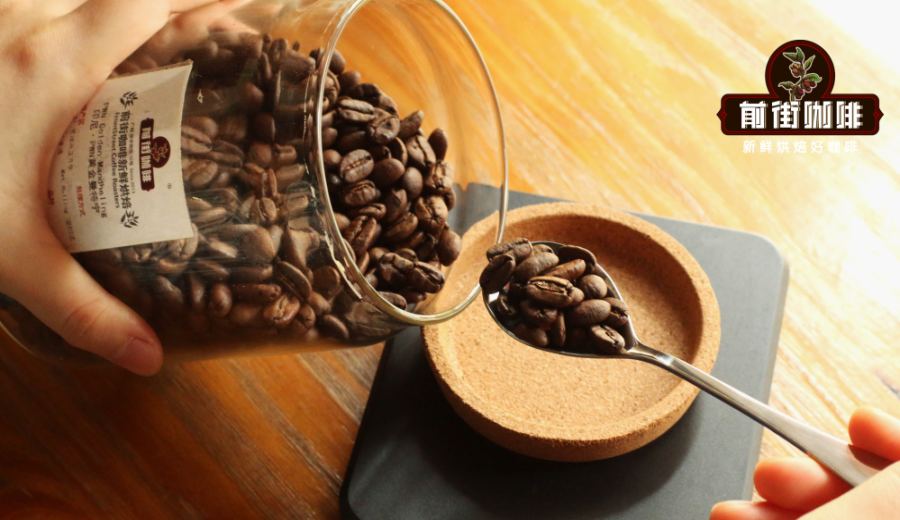
Introduction:Many coffee enthusiasts find that when brewing PWN Golden Mandheling at home, the flavor often falls short compared to what they experience in cafés. The key lies in the choice of filter and parameter adjustments—this article details the golden brewing ratio for this classic Indonesian Sumatran bean using the V60 dripper, covering everything from grind size sieve testing, water temperature control, to the three-pour technique, teaching you how to extract a rich, full-bodied nutty profile and solve the common issue of under-extracted, thin results at home.
Coffee lovers who purchase PWN Golden Mandheling often report: even when following the recommended parameters on the package, home brews always seem to lack the rich body found in café versions. This difference often stems from the choice of dripper—the manufacturer-recommended Kono dripper enhances body through slower flow rates, while the V60, commonly used by most, is a large-hole dripper with faster flow. If you want to achieve similar flavors with the V60, precise adjustments to grind size, water temperature, and coffee-to-water ratio are essential.
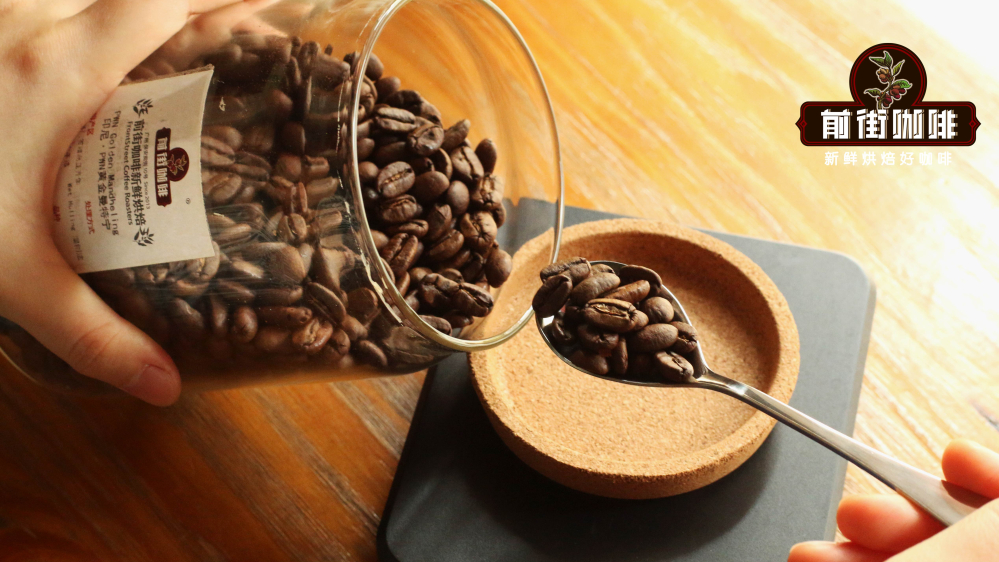
This Golden Mandheling, produced in the Aceh region of Sumatra, Indonesia, is carefully selected by PWN from the Ateng variety grown at altitudes of 1100-1600 meters. It undergoes four rounds of screening (keeping only beans larger than 19 mesh) and a unique wet-hulled process, naturally yielding low acidity, intense caramel aroma, and herbal notes. With an understanding of its flavor profile, let’s now focus on optimizing practical parameters for the V60 dripper.
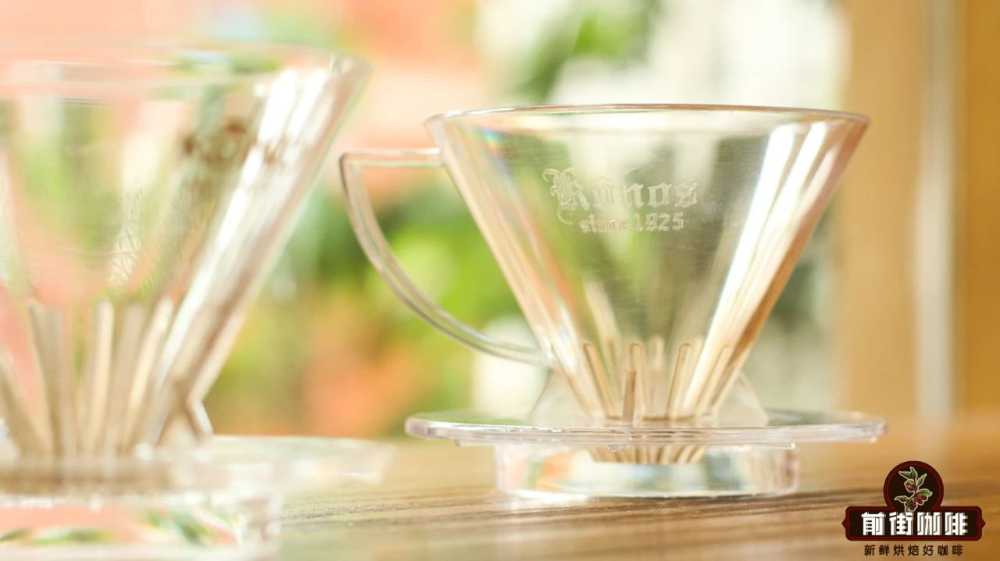
The core difference between the V60 and the Kono lies in their structural design: the V60’s large holes and extended ribs accelerate water flow, highlighting layers of flavor; the Kono’s smaller holes and shorter ribs prolong coffee-water contact time, enhancing body. When switching drippers, key variables must be adjusted accordingly—we recommend starting with grind size, coffee-to-water ratio, and water temperature.
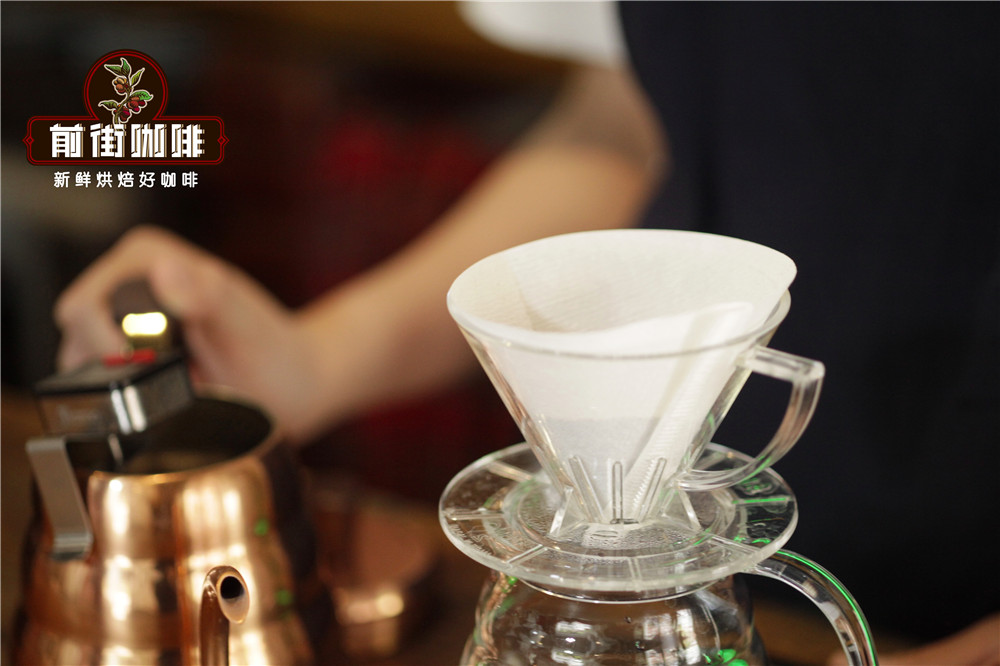
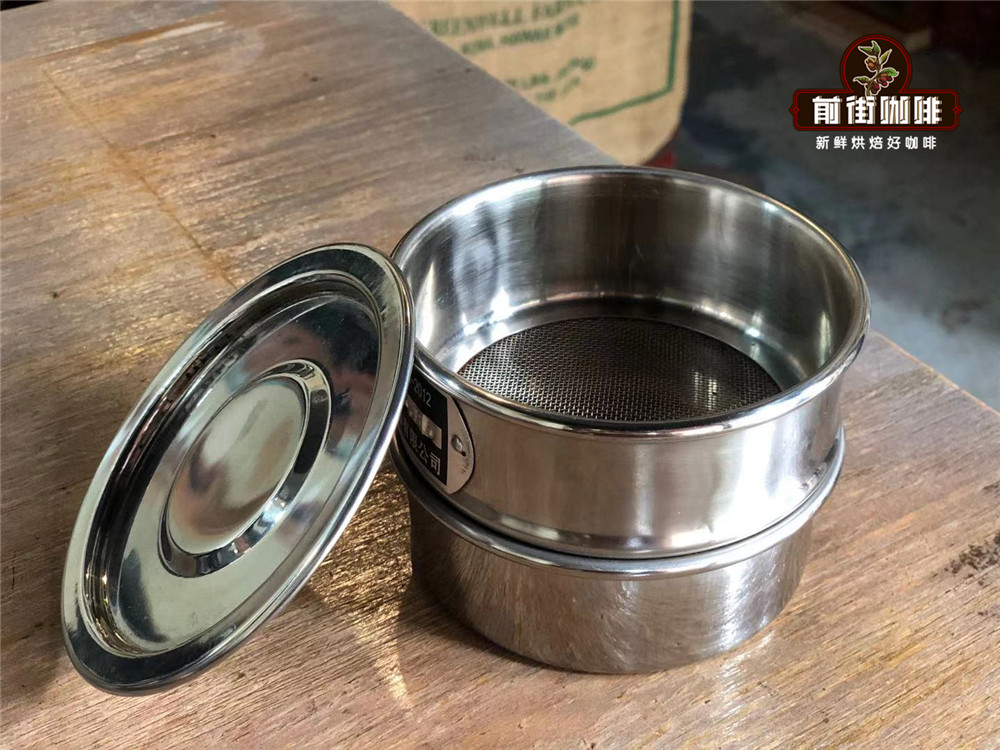
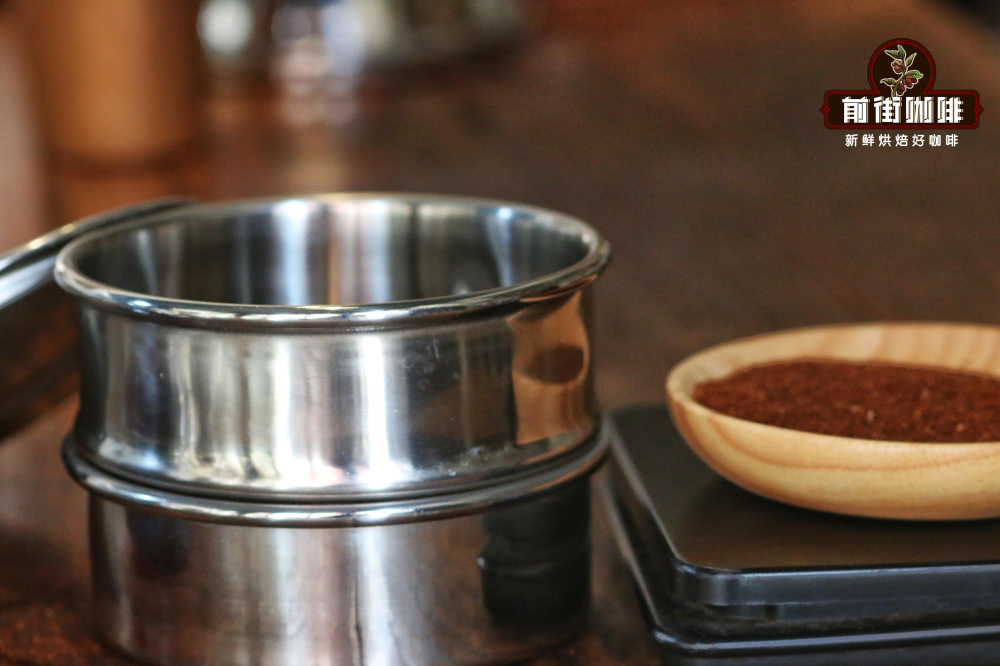
Original Kono brewing reference: 15g coffee, 1:15 coffee-to-water ratio, 88°C water temperature, paired with medium-coarse grind (0.85mm sieve retention rate of 65%, similar to coarse sugar granules). The sieve test method here is crucial: take 10g of coffee beans, grind them to the target size, pour them into a 0.85mm sieve, shake until all fines have fallen through, then weigh the remaining coarse grounds to calculate the sieve retention rate. If you directly use this grind size for the V60, the faster flow may lead to under-extraction and thin flavor.
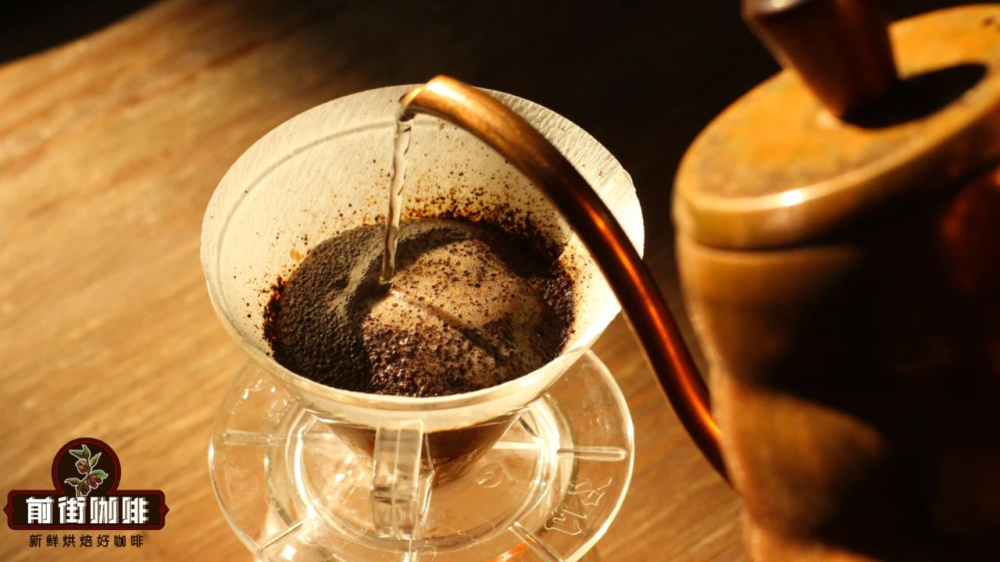
There are two adjustment strategies: if you insist on using a medium-coarse grind (65%-70% sieve retention), reduce the coffee-to-water ratio from 1:15 to 1:13 to increase concentration by adding more coffee; or slightly increase the water temperature to 90°C (ensure grind is no finer than 70% sieve retention) to speed up flavor release. In practice, it’s best to first adjust the coffee-to-water ratio and control extraction rhythm with the three-pour method.
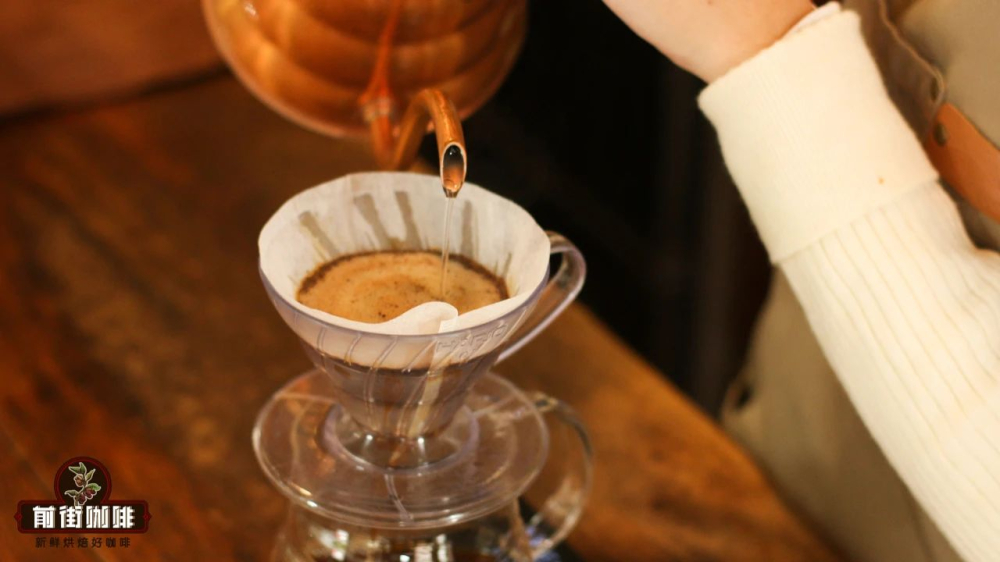
Optimal V60 brewing parameters: 15g coffee, 1:15 coffee-to-water ratio (total water 225g), medium-coarse grind (20-mesh Chinese sieve retention rate 65%-70%, particle size similar to coarse sugar), 88-90°C water temperature. Pour in three stages: first, 30g for a 30-second bloom; second, pour 70g in a circular motion to reach 100g total, then wait until the liquid level drops to two-thirds of the coffee bed before the third pour of 95g to reach 195g total. Total brew time is about 1 minute 45 seconds, finally yielding 170g of brewed coffee.
Note the interplay between grind size and water temperature: if you opt for the higher 90°C water temperature, ensure the grind size remains within the 65%-70% sieve retention range—going finer may release excessive impurities (such as woody or astringent notes). Additionally, V60 brews often exhibit distinct layers of flavor, so it’s recommended to gently swirl the cup after brewing to ensure even distribution before drinking.
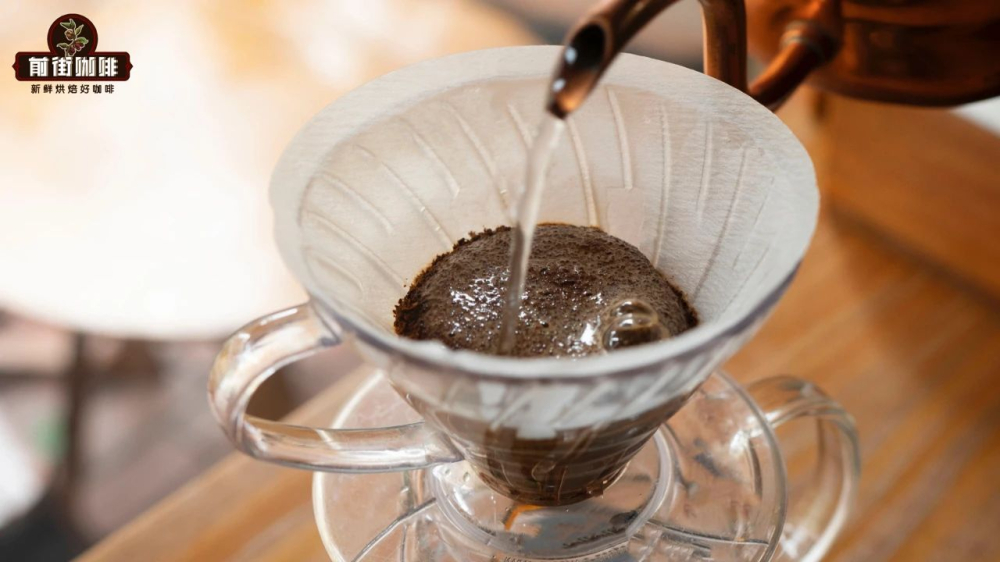
Key takeaways: when brewing Golden Mandheling with the V60, it’s recommended to use a 1:15 coffee-to-water ratio with 88°C water temperature, and grind size controlled at 65%-70% sieve retention (coarse sugar texture). By precisely managing flow rate through the three-pour method, you can preserve the inherent richness of Sumatran beans while highlighting the sweetness of nuts and caramel, solving the common problem of flavor loss in home brewing.
The above content is compiled by CoffeeHunters, a coffee news website.


