







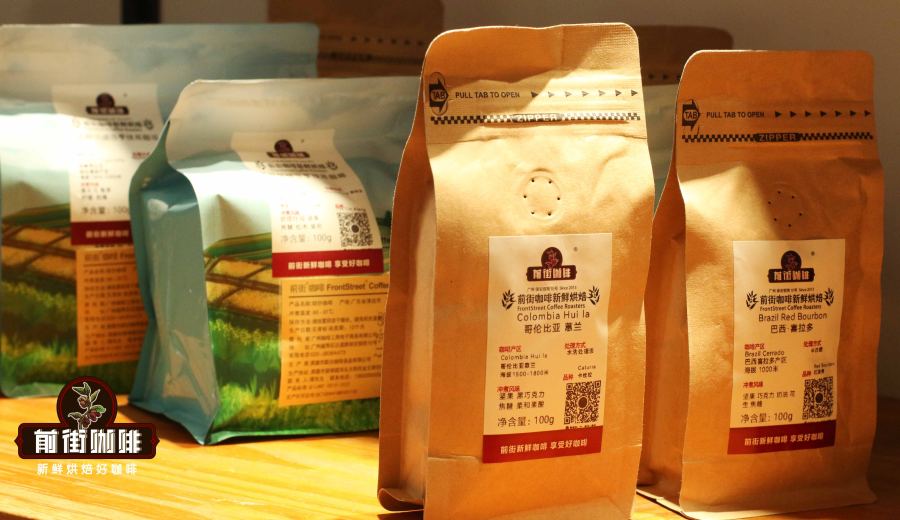
Introduction:The Huila region of Colombia, blessed with high altitudes and diverse microclimates, produces coffee beans with rich and layered flavors. Among them, the washed Catuai variety is a top choice for many coffee enthusiasts. This article delves into the unique flavor characteristics of Huila coffee, from its chocolate and nutty notes to the recommended brewing methods, and provides practical pour over parameters to help you fully unlock the potential of this specialty coffee.
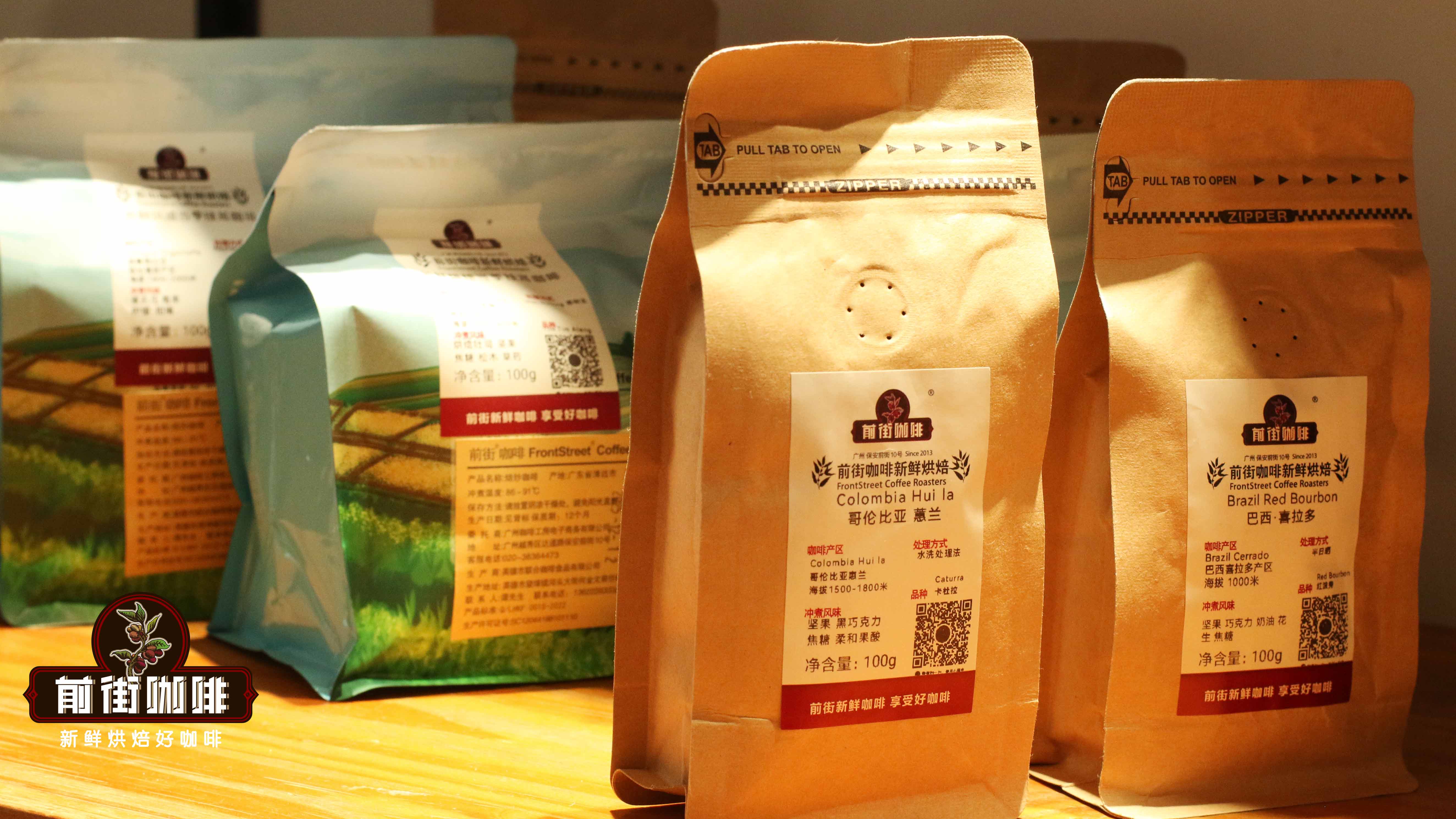
The Huila region of Colombia is located at the southern foothills of the Andes Mountains. Its exceptional altitude and complex terrain contribute to the diverse flavor profiles of its coffees. Some batches exhibit intense chocolate and nut aromas, while others showcase sweet layers reminiscent of berry jam. Among them, the washed Catuai variety is widely praised for its clear dark chocolate and cocoa base notes paired with moderate acidity, delivering satisfying results whether brewed via pour over, French press, or espresso.
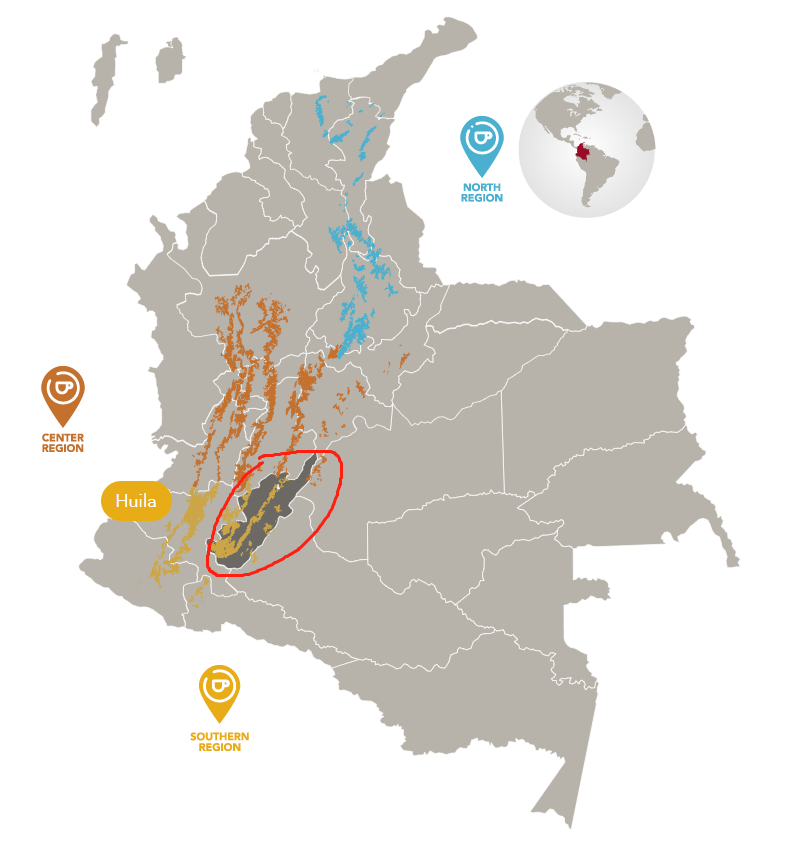
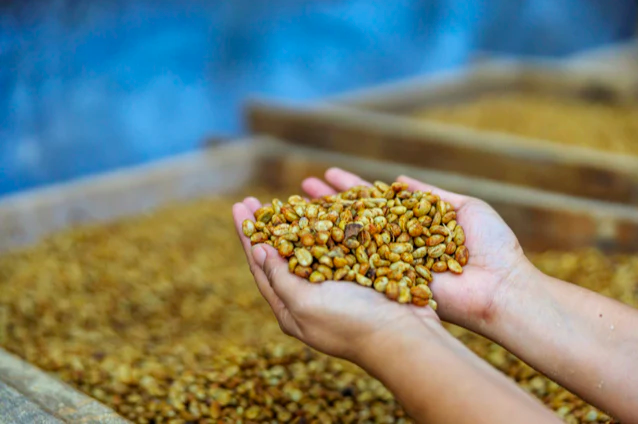
Huila Province is situated in the southwest of Colombia, within the hilly extension of the central mountain range’s southern section. The overall cultivation altitude generally exceeds 1,500 meters. The area is not only surrounded by mountains but also benefits from abundant water sources due to the convergence of several major rivers, providing ideal humidity and temperature conditions for coffee tree growth. It’s worth noting that despite the superior natural environment, many coffee farms still have processing facilities—especially those for green bean drying and washed processing—that remain underdeveloped.
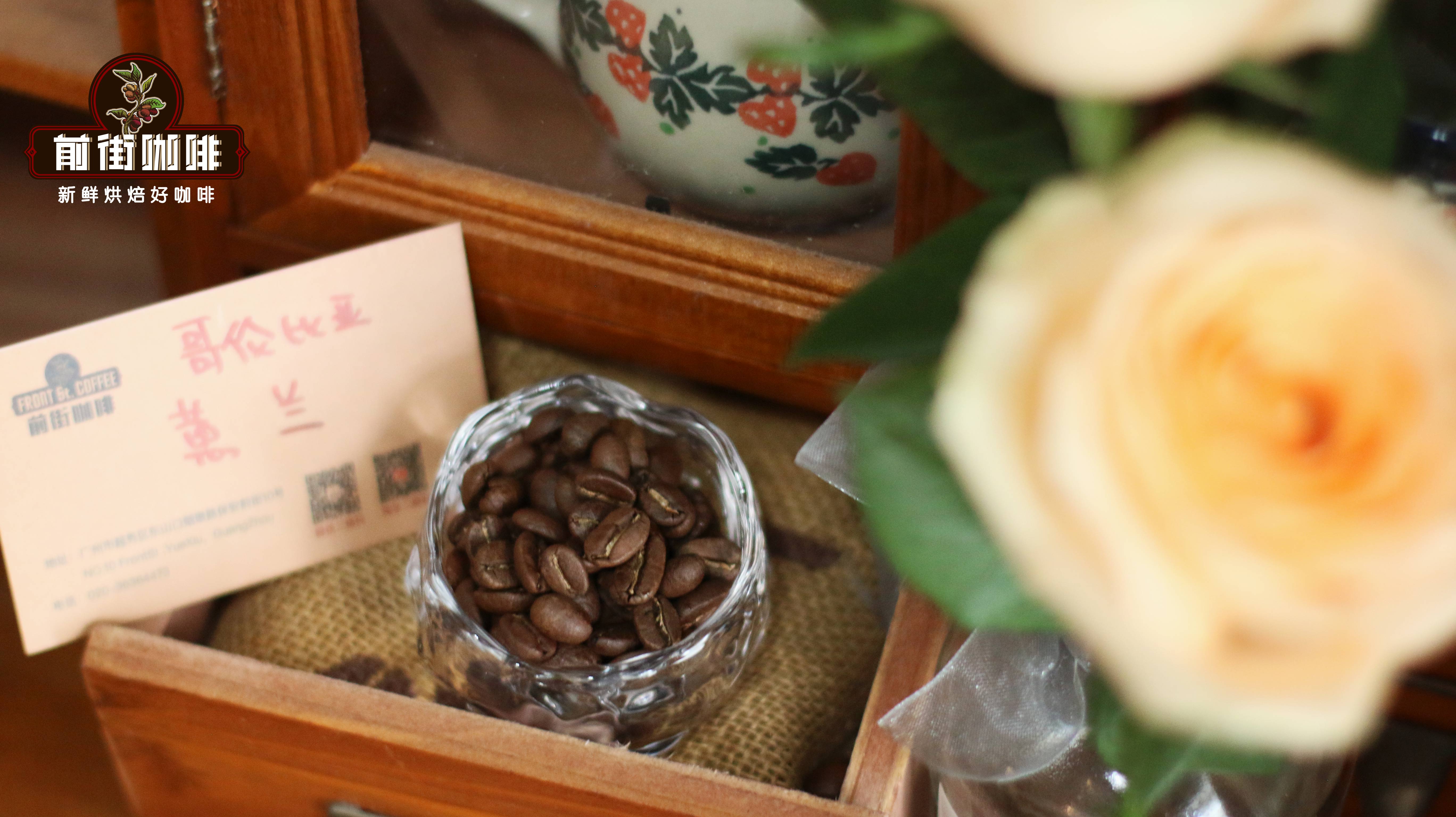
Huila coffee is often described as having a rich mouthfeel and full body, which is closely related to its high-altitude growing environment and significant day-night temperature variation. Coffees from this region typically display pronounced notes of nuts, chocolate, and caramel, while maintaining a well-balanced acidity. These characteristics make it one of the most distinctive representatives in the specialty coffee market. In recent years, with the rise of the micro-lot trend, the unique flavors produced by numerous smallholder farmers in Huila have garnered increasing international attention.
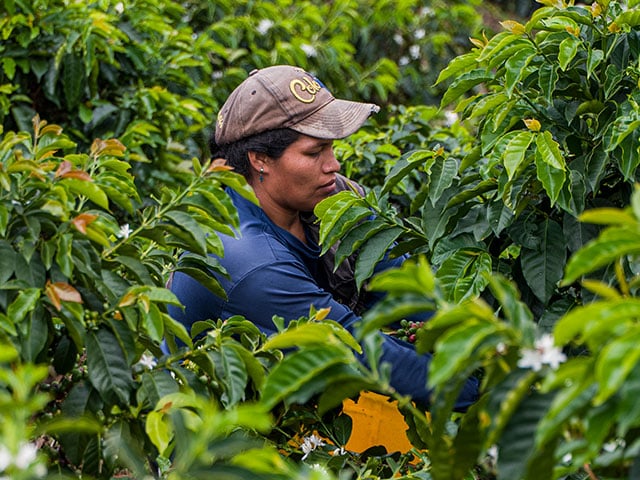
Amid the shift in specialty coffee grading systems, the Huila region has gradually transitioned from the traditional classification by bean size to a selection model focused on micro-regions and smallholder micro-lots. This approach involves multiple smallholder farmers contributing to a single batch harvest, which is then cupped, selected, and sold as a unified product. This not only enhances overall quality consistency but also gives consumers the chance to taste coffees with distinct regional characteristics. Among them, the washed Catuai variety, known for its stable performance and clear flavor profile, has become a favorite among many roasters and coffee enthusiasts.
For readers looking to brew Huila coffee at home, it is recommended to use beans roasted to a medium-light to medium level, ground to a medium-fine consistency (similar to the size of fine sugar crystals), with a coffee-to-water ratio between 1:15 and 1:16. For pour over brewing, use water at 90–93°C. Begin with a 30-second bloom, followed by steady, segmented pouring. The total brew time should ideally be around 2 minutes and 30 seconds to 3 minutes. This parameter combination helps highlight the chocolate base notes and clear acidity of Huila coffee, while avoiding over-extraction that could lead to bitterness.
It’s worth noting that the excellent performance of Huila coffee is closely linked to the shade trees in its growing environment. Appropriate shading not only moderates sunlight intensity and reduces the impact of high afternoon temperatures on coffee cherries, but also slows down the metabolic rate of the cherries, aiding in the gradual accumulation of flavor compounds and acidity. This is why many high-quality Huila coffees come from farms that employ shaded cultivation systems. For coffee enthusiasts, understanding these regional characteristics can help in selecting and brewing coffee to achieve the desired flavor profile more accurately.
The above content is compiled by CoffeeHunters, a coffee news website.

