







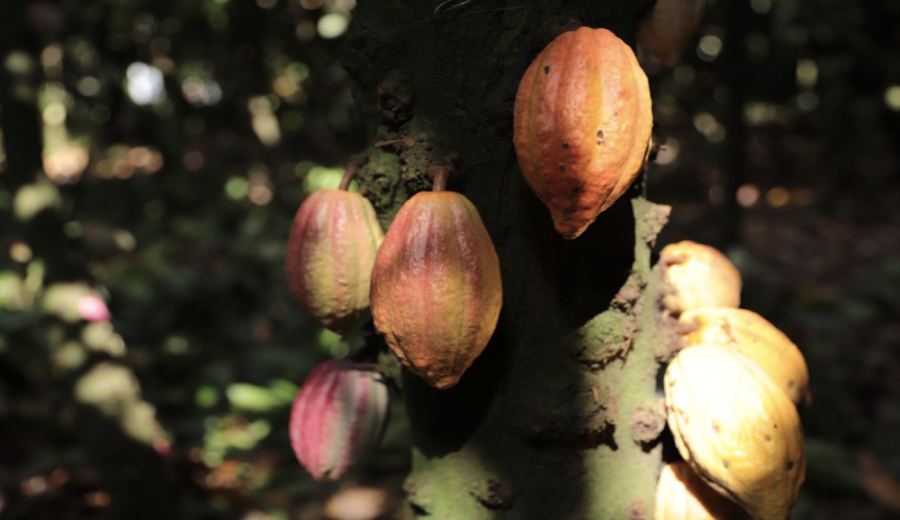
Introduction:Many people often confuse cacao beans with coffee beans, but in fact they come from completely different plants, with vastly different growing environments, processing methods, and flavor profiles. This article will delve into the differences in their origins, growing conditions, explain why coffee can exhibit cocoa-like aromas, and recommend several coffee beans with deep-roast chocolate flavors to help you find your perfect match.
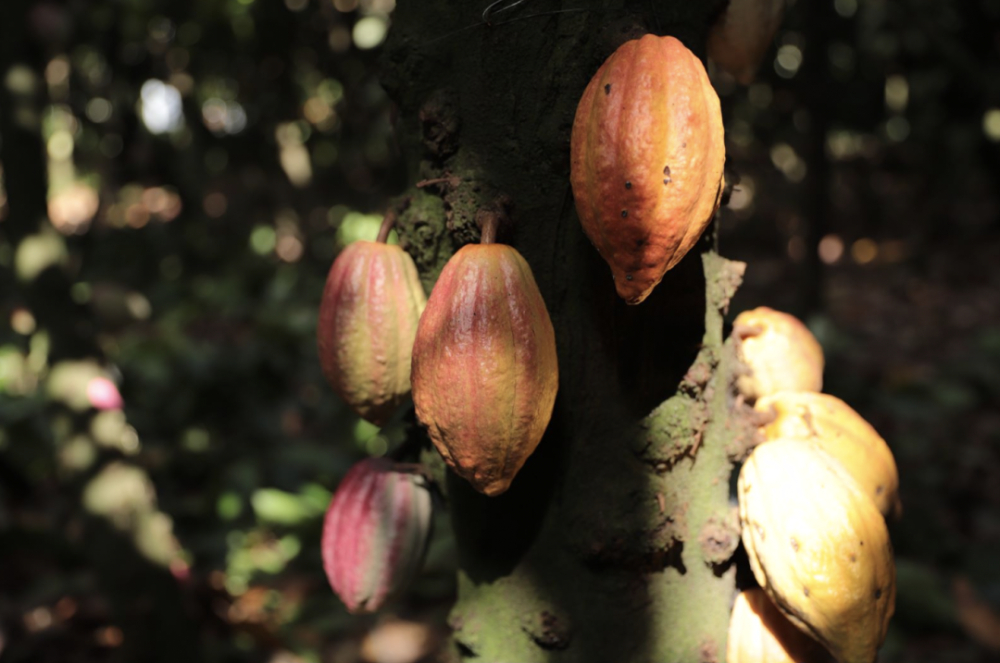
Although cacao and coffee are often associated with each other, they actually come from two entirely different plants. Cacao is the seed obtained from the fruit of the cacao tree — the cacao pod. This fruit grows directly from the trunk or main branches of the cacao tree, has an oval shape, and turns from its original green to yellowish-brown or even brownish-red as it ripens. Different varieties of cacao pods vary in shape, size, and color. Inside the pod, you can see seeds covered in white, fluffy pulp — these are the raw cacao beans. After being removed, they are dried and roasted to become the familiar ingredient we know.
In contrast, coffee belongs to the tropical woody plants of the Rubiaceae family and is extremely particular about climatic conditions, only able to grow in tropical or subtropical regions. Therefore, it is mainly distributed between 25 degrees north and south latitude, an area also known as the “coffee belt” or “coffee-growing region,” spanning numerous countries in South America, Africa, and Asia. Under similar growing conditions, higher altitudes usually mean better coffee quality, as high-altitude regions have greater day-night temperature variations, which help the coffee cherries ripen slowly and accumulate richer flavor compounds. Additionally, coffee variety, soil conditions, harvest ripeness, and post-harvest processing methods all significantly influence the final coffee flavor profile.
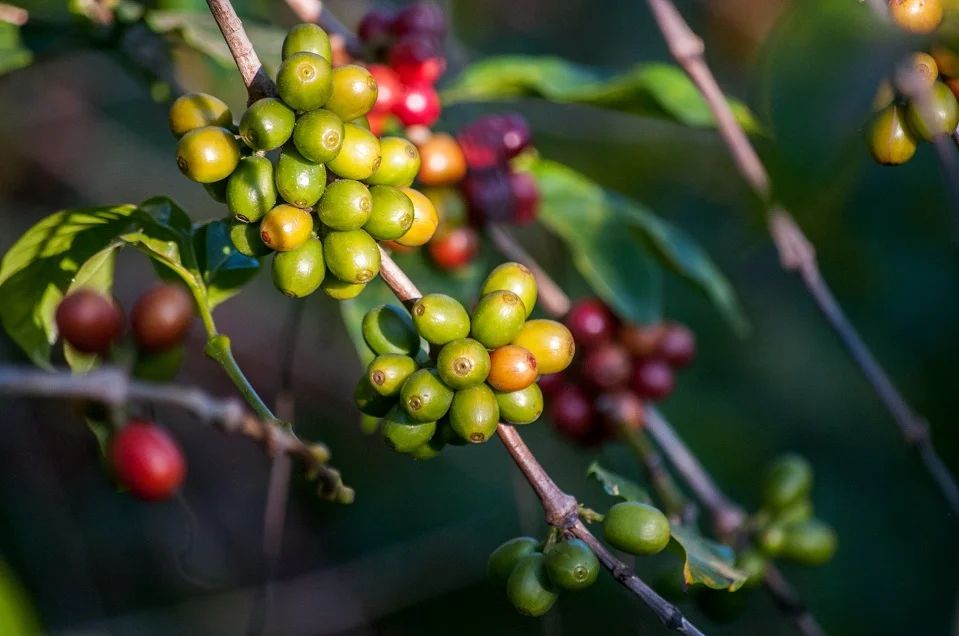
The coffee beans commonly referred to in the market are actually the seeds inside the coffee fruit, named so because of their bean-like appearance. Unlike cacao beans, coffee beans contain more than 200 volatile aromatic compounds. When properly roasted, they trigger the Maillard reaction and caramelization, producing complex and captivating aromas, including caramel, nuts, fruits, and even sweet notes reminiscent of cocoa. These aroma combinations not only affect the cup profile after brewing but are also the source of the layered flavors many coffee enthusiasts seek.
It’s worth mentioning that many dark-roasted coffee beans exhibit rich cocoa or dark chocolate-like flavor characteristics, which are closely related to the transformation of compounds during the roasting process. At the dark roast stage, the sugars and acidic substances inside the coffee beans further degrade and polymerize, producing a rich mouthfeel and aroma profile similar to cocoa butter and cocoa powder, making them suitable for drinkers who prefer intense, low-acidity flavors.
If you want to explore coffee beans with pronounced cocoa flavors, you may want to prioritize single-origin beans that have undergone medium-dark to dark roasting. These coffee beans, when brewed using appropriate methods such as pour over or French press, can showcase rich chocolate, caramel, and even dark cherry nutty tones. For example, some coffee beans grown at high altitudes, due to their slower maturation, often accumulate more sugar compounds, and are more likely to release cocoa-like sweetness and body after roasting.
In addition, adjusting extraction parameters can either enhance or suppress specific flavor directions. For example, with pour over brewing, using a slightly coarser grind (such as medium-fine), keeping the water temperature between 90–93°C, and extending the extraction time appropriately can help bring out the caramel and cocoa-like aromas in the coffee. If you prefer a richer mouthfeel, you might opt for full-immersion brewing tools such as the French press or AeroPress to further highlight the chocolate and nut base brought by dark roasting.

In summary, although cacao beans and coffee beans come from different plants, they share surprisingly delightful similarities in aroma and flavor. Understanding their origins and characteristics can not only help you make more informed choices when selecting coffee beans, but also allow you to draw out rich, cocoa-like taste experiences through parameter adjustments during brewing. Whether you’re a beginner coffee enthusiast or a professional drinker seeking new flavor inspirations, gaining a deeper understanding of these differences will add more layers of enjoyment to your coffee journey.

The above content is compiled by CoffeeHunters, a coffee news website.

