








Introduction:For those new to coffee, selecting the right beans for pour over brewing can be a bit overwhelming. This article will delve into the flavor profiles of coffee from the three major producing regions—Africa, Asia, and the Americas—analyzing the unique taste characteristics of each origin. Based on light, medium, and dark roast levels, we also recommend several high cost-performance and everyday-drinking beans to help readers develop their own coffee tasting profile.
Coffee beans from around the world exhibit distinctly different flavor characteristics due to variations in climate, soil, and cultivation techniques. African coffees are typically known for their bright acidity and floral notes; Asian coffees tend to have rich herbal and spicy tones; while American coffees often showcase a balanced profile of nuts, chocolate, and caramel—making them a favorite among many pour over enthusiasts.
Our first stop is the country that consistently ranks as the world’s top coffee producer:Brazil . The Arabica varieties grown here are prized for their full body and balance, with gentle acidity and moderate bitterness and sweetness. They are often used as the base for blended beans. Common flavor notes include nuts, caramel, and a mild chocolate finish. Medium to dark roasts are suitable to highlight their rich qualities, making them ideal for beginners who prefer lower acidity.
Turning to Southeast Asia,Indonesiahas a coffee history dating back to the colonial era , and is known for cultivating both Robusta and Arabica beans. Sumatra’s Mandheling is a representative variety, known for its full body, low acidity, and earthy, herbal aromas. Dark roasting further brings out its unique smoky and spicy layers, making it a favorite among avid coffee drinkers. For brewing, a medium-coarse grind is recommended, with water around 90°C to reduce over-extraction.
As for the so-called “gentleman of coffee,”Colombia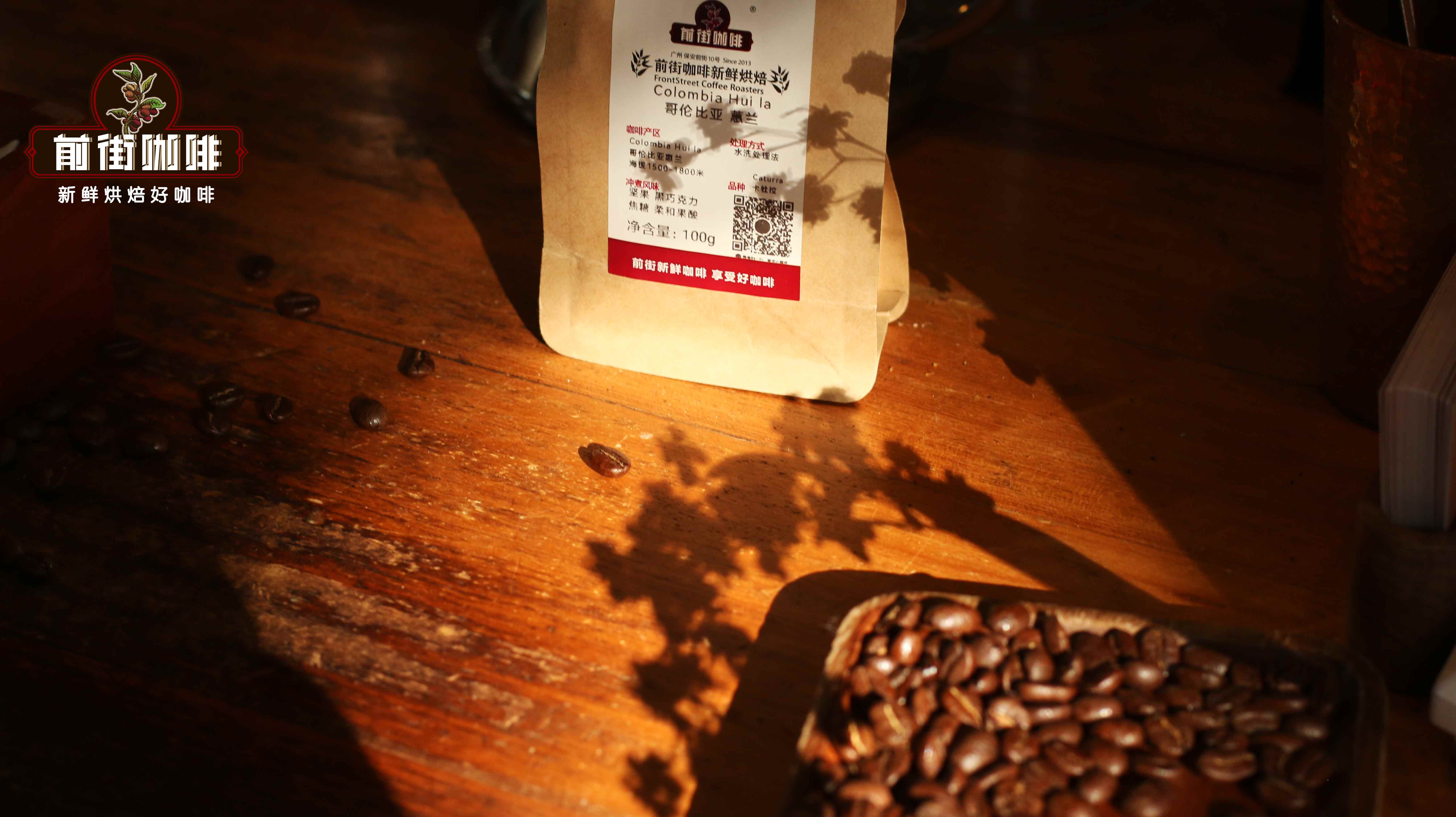 , its coffee is celebrated for its mild and balanced profile, featuring the smoothness of dark chocolate and gentle fruitiness. Beans from the Huila region are particularly well-regarded for their distinct citrus and nutty notes. Suitable for light to medium roasts, they present a clean and clear acidity-sweetness balance, making them excellent for practicing pour over techniques and identifying regional flavors.
When it comes to the diverse flavors of coffee, one cannot miss its birthplace—Ethiopia . Home to over a thousand native varieties, Ethiopian coffee offers highly varied expressions. For instance, beans from the Yirgacheffe region are known for their bright lemon acidity, floral notes, and tea-like body—ideal for light roasting to preserve delicate fruit acids and aromatic layers. Meanwhile, regions like Sidamo or Harrar may showcase deeper berry and spice notes, serving as a great starting point for exploring the coffee flavor wheel.
Another African highlight isKenya , whose coffee is famed for its unique tomato-like acidity and vibrant berry characteristics. Compared to the softer fruitiness of Ethiopian beans, Kenyan acidity is more lively and layered, often accompanied by notes of blackcurrant, grapes, and syrupy sweetness. Medium to dark roasts can balance the acidity and sweetness while highlighting the body, making it an ideal choice for those who enjoy the interplay of sour and sweet.
Finally, we arrive at the Caribbean island ofJamaica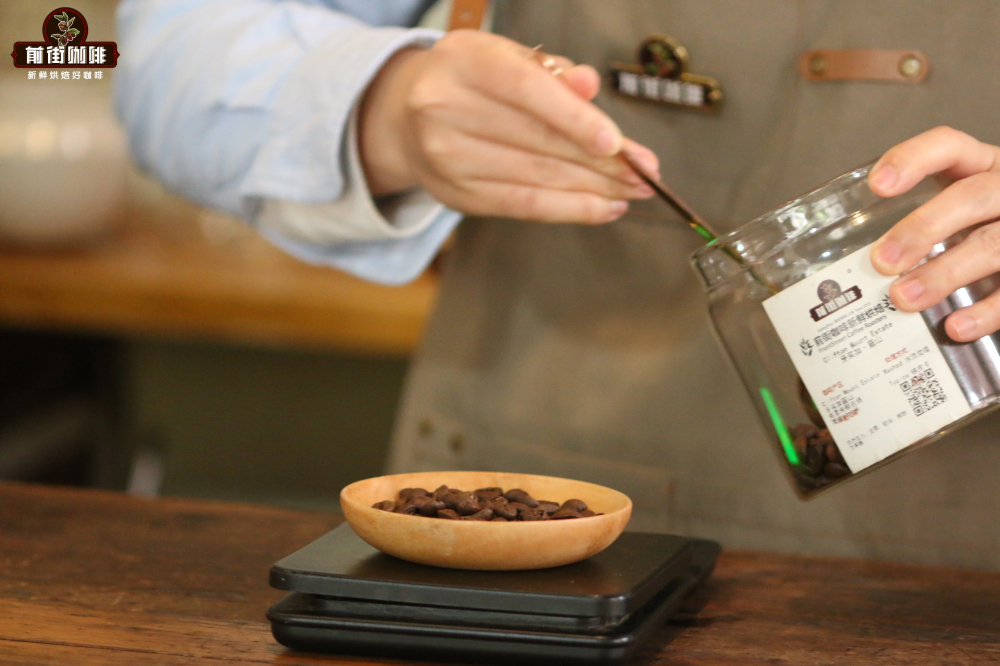 , where Blue Mountain coffee is undoubtedly a legend in the coffee world. Its strict cultivation altitude (above 1000–1700 meters) and meticulous processing result in a rich, low-acid, and extremely balanced flavor with almost no sharpness, leaving a long-lasting finish with subtle sweetness. Authentic Blue Mountain beans are produced only in specific areas of the Blue Mountains. For brewing, a fine grind and moderate water temperature are recommended to bring out its delicate layers.
If you’re just beginning your coffee journey, consider starting with a few cost-effective “everyday beans” that offer great overall value, such as Brazil’s Red Bourbon, Colombia’s Huila, Indonesia’s Mandheling, Costa Rica’s Tarrazú, and smallholder Arabica from Yunnan. These beans not only authentically represent the characteristics of their respective regions, but are also affordable and generously portioned—perfect for daily pour over practice and flavor comparisons, helping you gradually develop a keener sense of coffee flavors and personal preferences.
The above content is compiled by CoffeeHunters, a coffee news website.

