







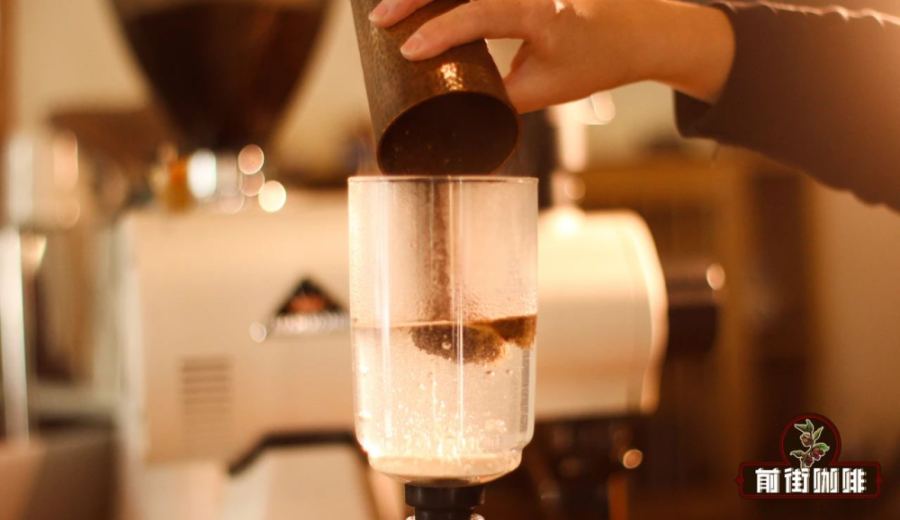
Introduction:Want to learn the complete steps for brewing authentic Jamaican Blue Mountain Washed No.1 coffee using a siphon? This article delves into the regional characteristics and flavor profile of Blue Mountain coffee, and provides a detailed explanation of key parameters, operational procedures for siphon extraction, as well as the noticeable differences in taste and aroma compared to pour over coffee. Step by step, it will guide you to master professional-level siphon brewing techniques—from grind size and coffee-to-water ratio to stirring timing.
The Unique Flavor of Blue Mountain Coffee
Jamaican Blue Mountain coffee is renowned for its scarce production region and stringent cultivation conditions. Its flavor profile is exceptionally balanced, with gentle acidity, pronounced sweetness, and delicate notes of nuts and chocolate.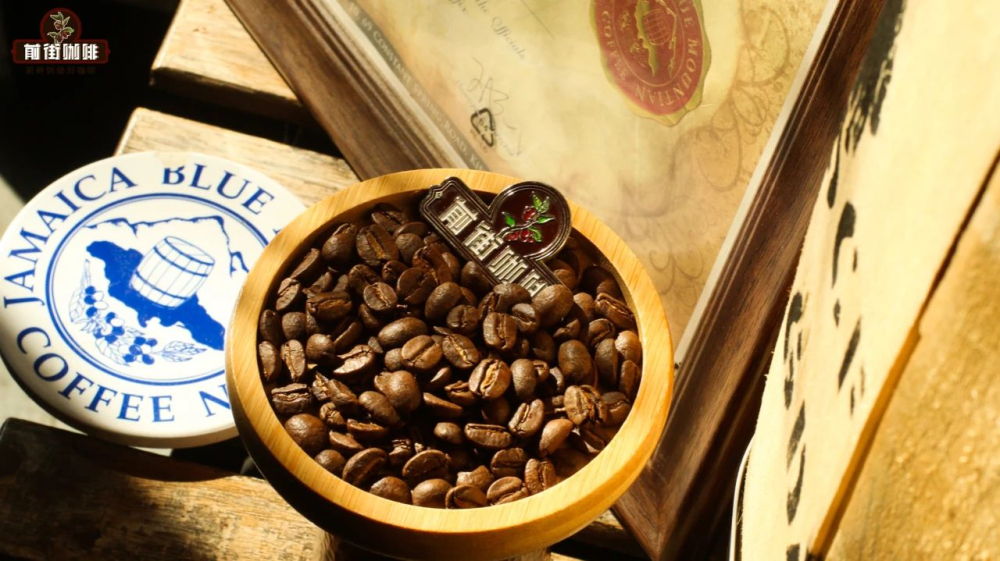 This washed Typica bean from the Clifton Estate in the Blue Mountain region is of NO.1 grade. The green beans must pass strict screening, and only products certified by the Jamaica Coffee Industry Board can be labeled as “Blue Mountain No.1.”
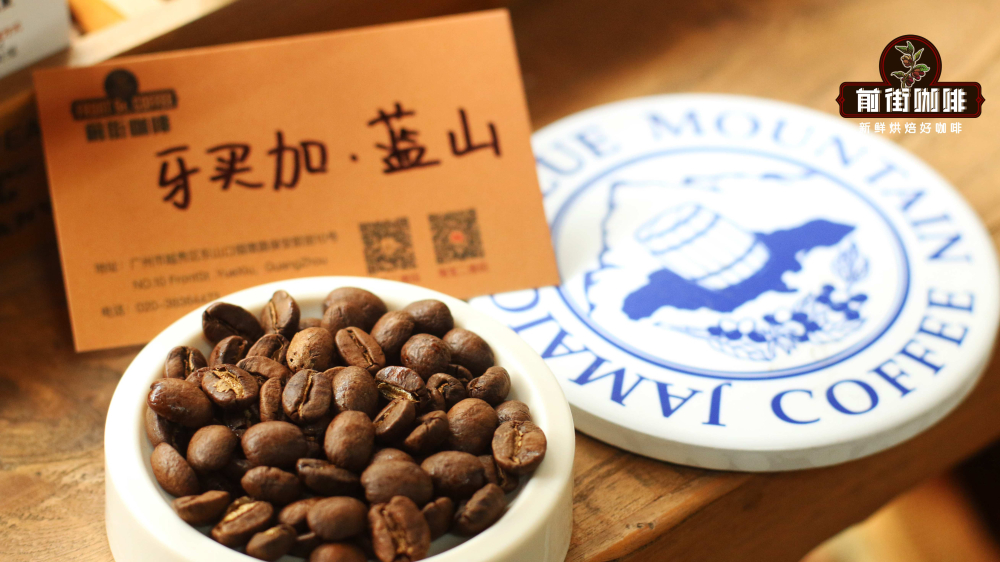 It’s worth noting that authentic Blue Mountain coffee is packaged in wooden barrels and comes with a green frog certification mark—this is an important basis for identifying its genuineness.
Siphon Grind Size and Coffee-to-Water Ratio Settings
When using a siphon, it is recommended to grind the coffee beans to a fineness close to that of espresso,with a 20-mesh sieve passing rate of about 90%as the benchmark; if using an EK43s grinder, this corresponds to9 on the grind setting, while for a hand grinder like the C40, it is advised to adjust to20 clicks.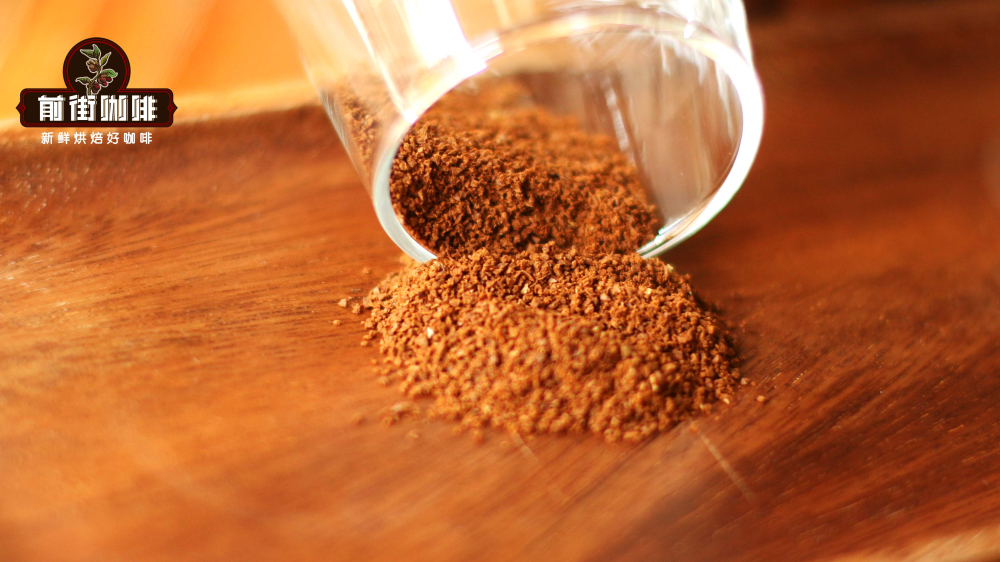 The general coffee-to-water ratio ranges between1:10 and 1:12. For a common single serving at home, you can use18 grams of coffee powder with 200 milliliters of water, a ratio that balances sufficient extraction with a refreshing taste.
Detailed Siphon Brewing Procedure
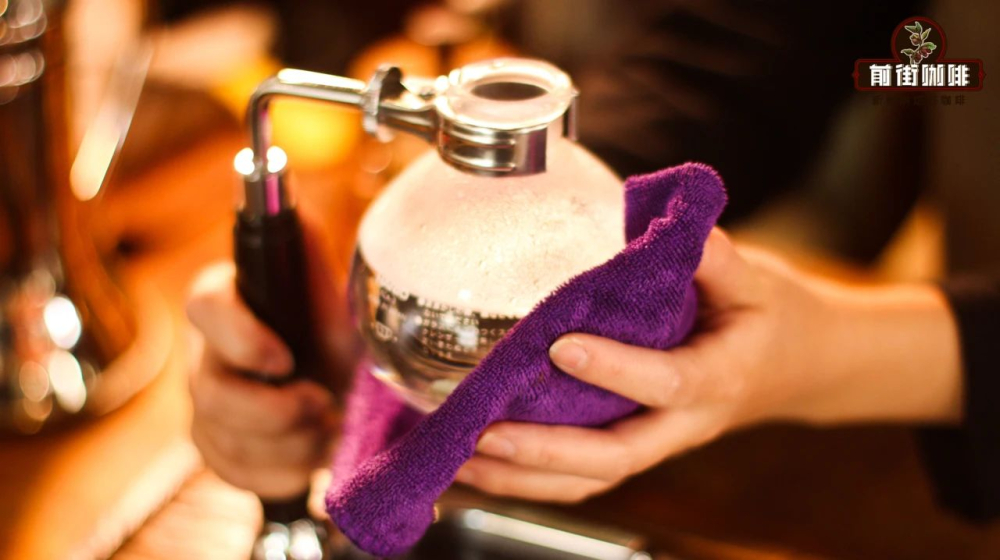
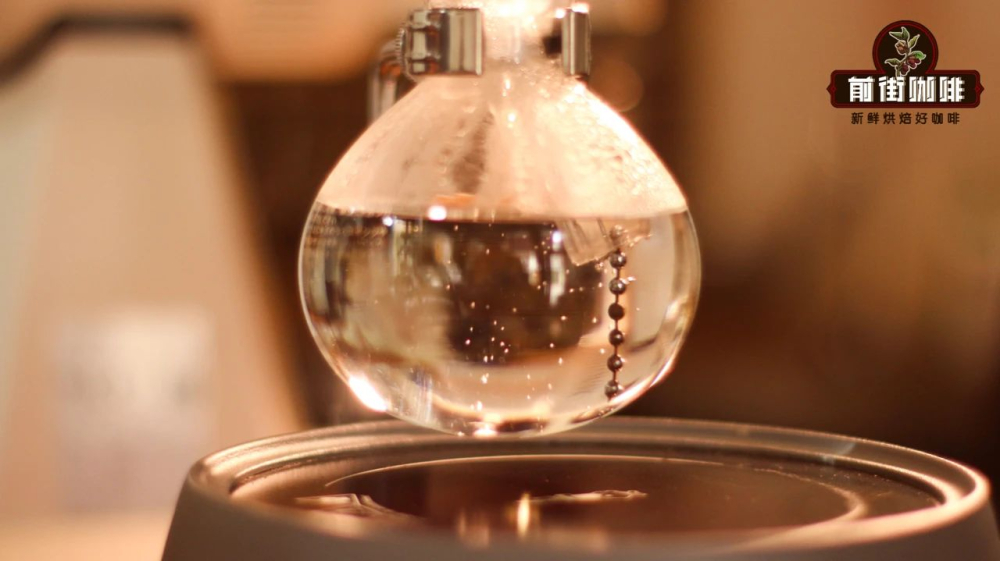
First, pour200 milliliters of hot water into the lower chamber, dry the exterior of the glass and start the heat source.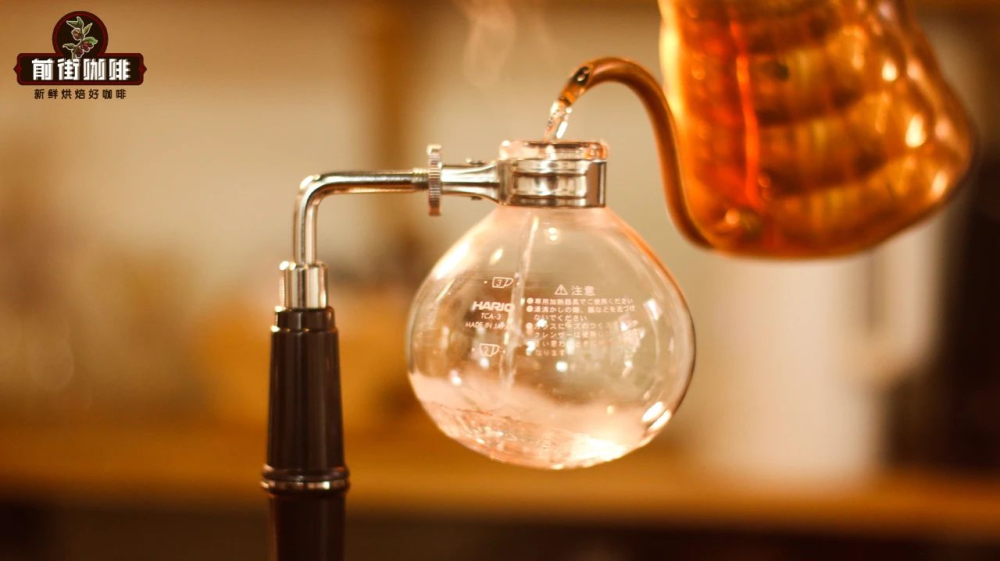 Insert the upper chamber diagonally into the lower one, ensuring thatthe anti-bumping bead touches the bottomto stabilize the structure.
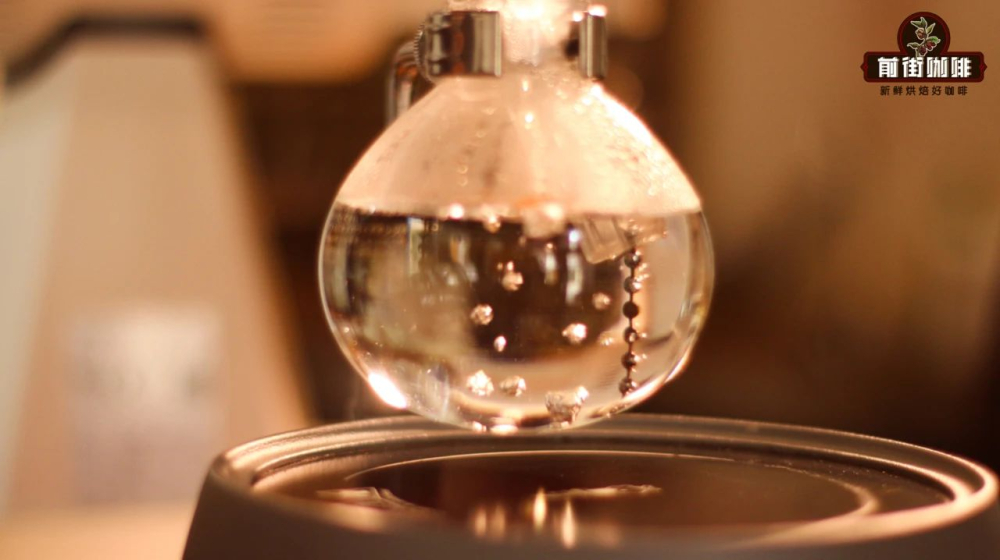
 When small, continuous bubbles begin to appear in the lower chamber, straighten the upper chamber and press it down firmly—this will draw the water up into the upper chamber.
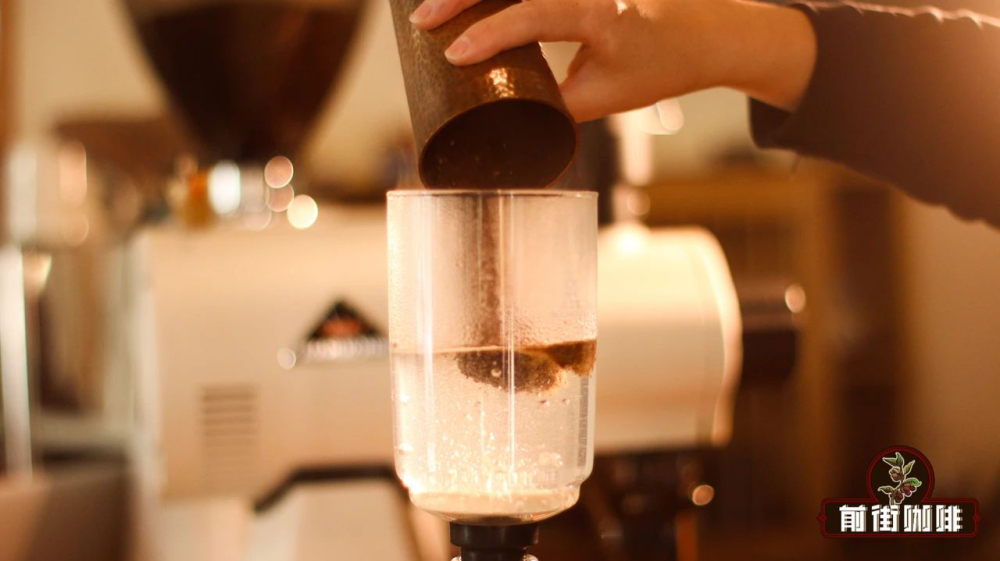
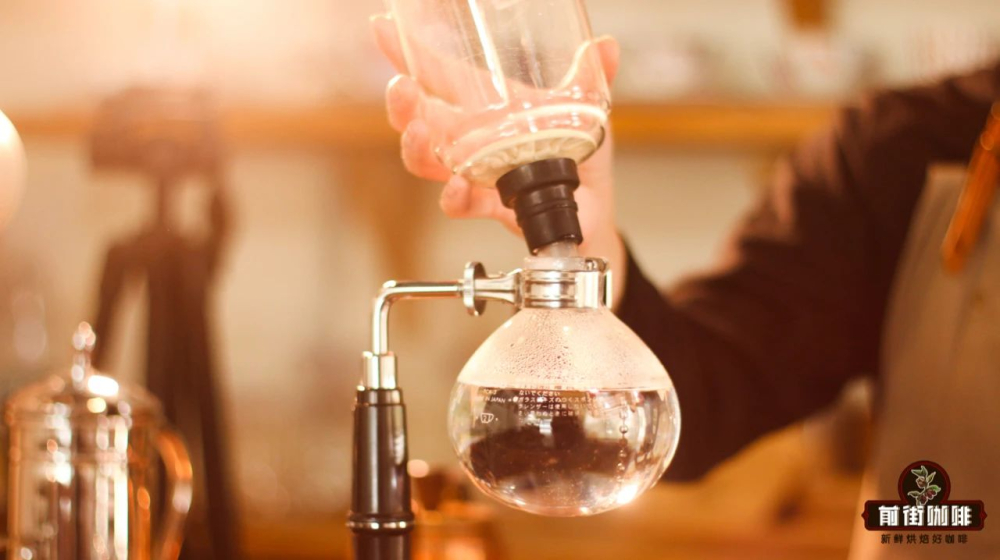 Thenadd the Blue Mountain coffee powder and start the timer immediately. In the first stage, gently tap the coffee grounds with a stirring stick to ensure even absorption of water.
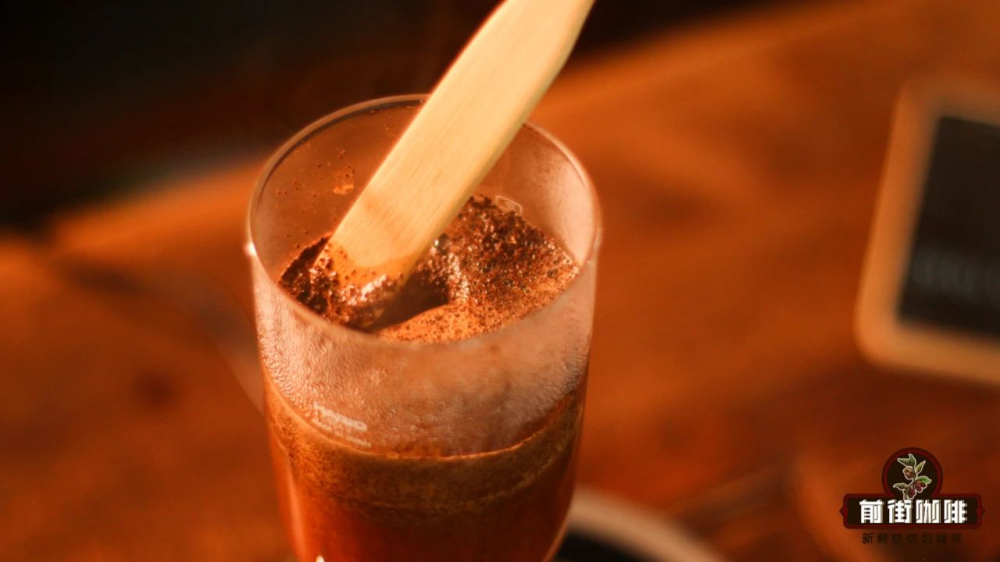
 At the 25-second mark, switch to a circular stirring motion to help the coffee liquid visibly separate into three layers: liquid, powder, and foam.
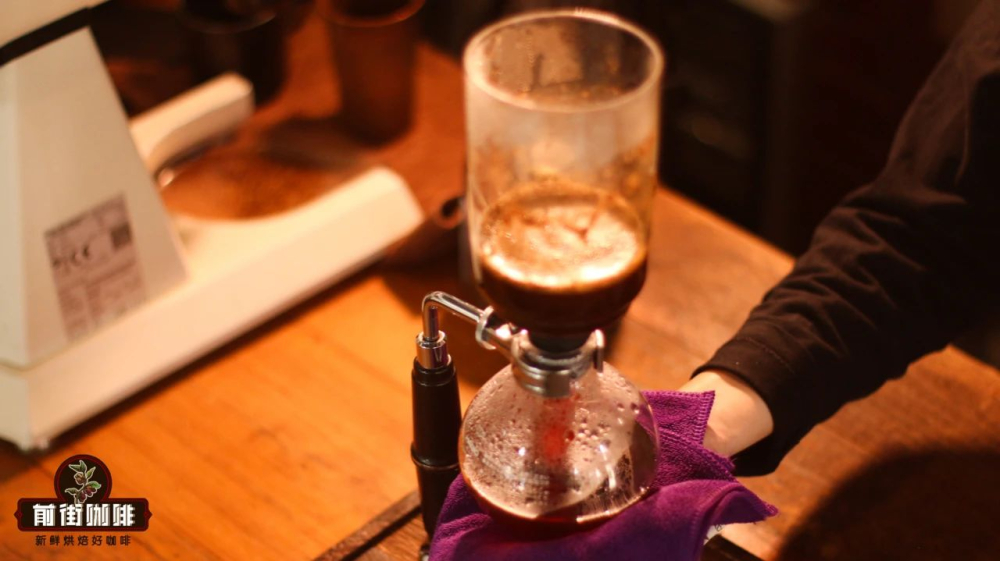
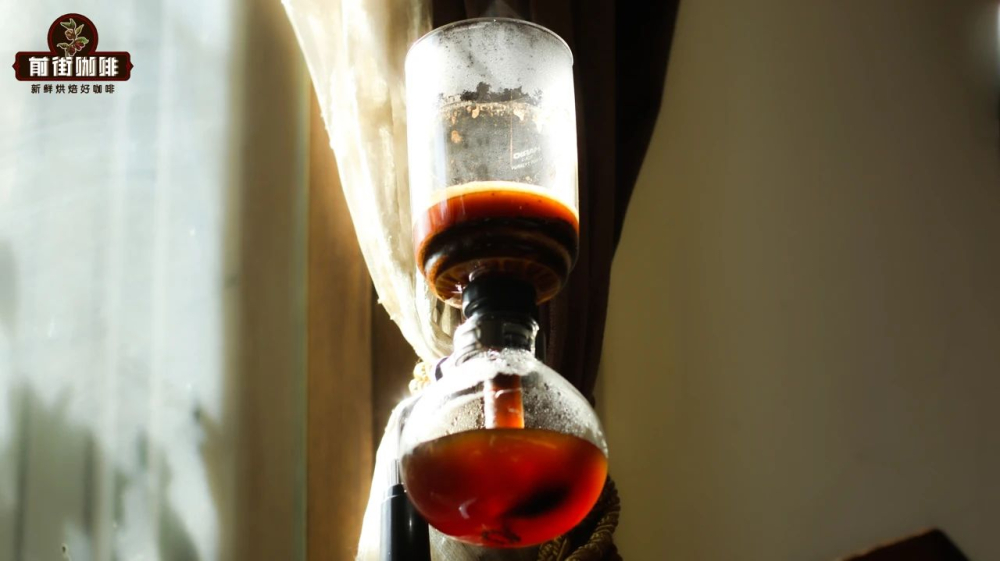
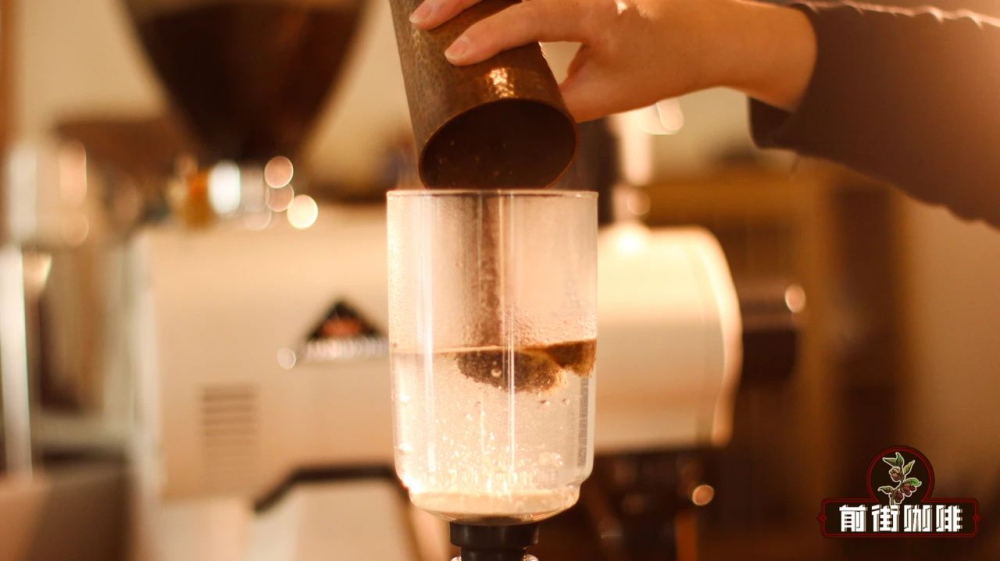 By the 50-second mark, stir once more in a single direction, and thenremove the heat source at 60 seconds, allowing the coffee liquid to slowly flow back down into the lower chamber.
Flavor Profile of Siphon-Brewed Blue Mountain Coffee
The Blue Mountain coffee brewed with a siphon has a rich aroma and a uniquely full-bodied mouthfeel. Although it is not as clearThe coffee oils that surface on topadd a rich and indulgent layer of texture.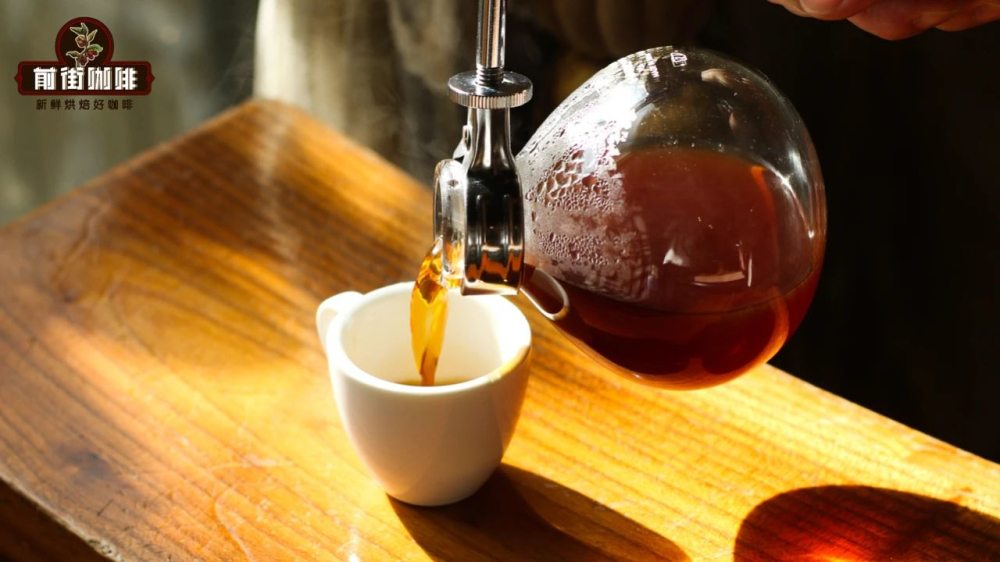 In terms of overall flavor profile, compared to pour over, the siphon brew method better highlights the sweetness and balance of Blue Mountain coffee, while also imparting a unique smoky finish. It is well-suited for coffee lovers who prefer a bold and intense style.
Flavor and operational differences between siphon and pour over
Compared to the simplicity and clarity of pour over,the siphon method involves more complex steps and demands full attention.It requires not only a stable heat source but also precise control of flame intensity and stirring timing. After brewing, the filter and cloth need careful cleaning. Especially in high-volume café environments, using and maintaining a siphon poses greater challenges in technique and patience. If you prioritize distinct flavor layers and ease of operation, pour over may be the better choice. But if you want to experience the diverse charm of Blue Mountain coffee through different brewing methods, the siphon is definitely worth a try.
The above content is compiled by CoffeeHunters, a coffee news website.


