







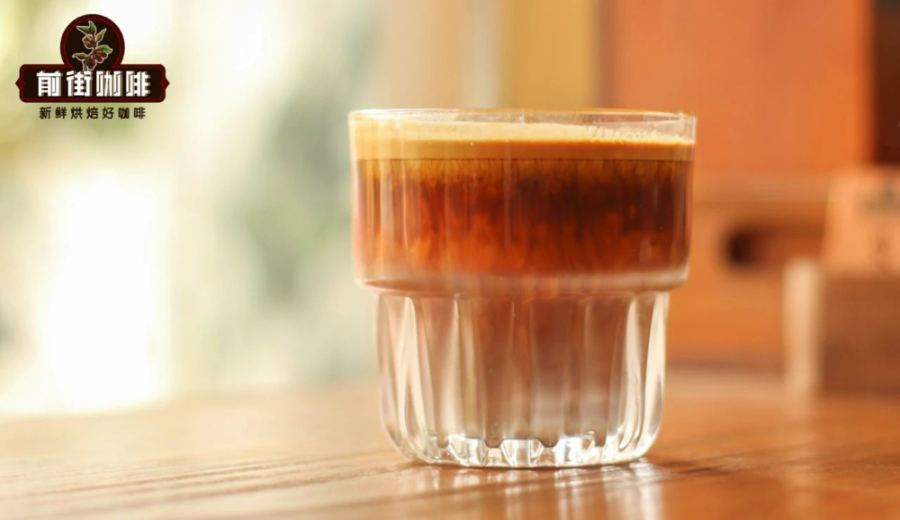
Introduction:Dirty coffee has become a must-order favorite in specialty cafés thanks to its unique hot-and-cold contrast and visual layering. But do you know the story behind Dirty? Why do baristas always remind you to take a big sip? This article dives deep into the origins of Dirty, how it differs from other milk-based coffees, and offers practical drinking tips to help you savor its essence.
If you’re a fan of milk coffee, you’ve surely heard of the name "Dirty."Although many café menus may not explicitly list “Dirty,” this wildly popular coffee drink has already won the hearts of countless coffee lovers. Even if you haven’t heard its official name, you’ve likely been drawn in by its captivating visual contrast and bold flavor.
When you order a Dirty for the first time, experienced baristas often give a special reminder: “Please take a big sip—drink it while the cold milk is still chilled, and don’t stir.” This advice holds the key to Dirty’s most enchanting secret: the ultimate contrast of its hot-and-cold layers.
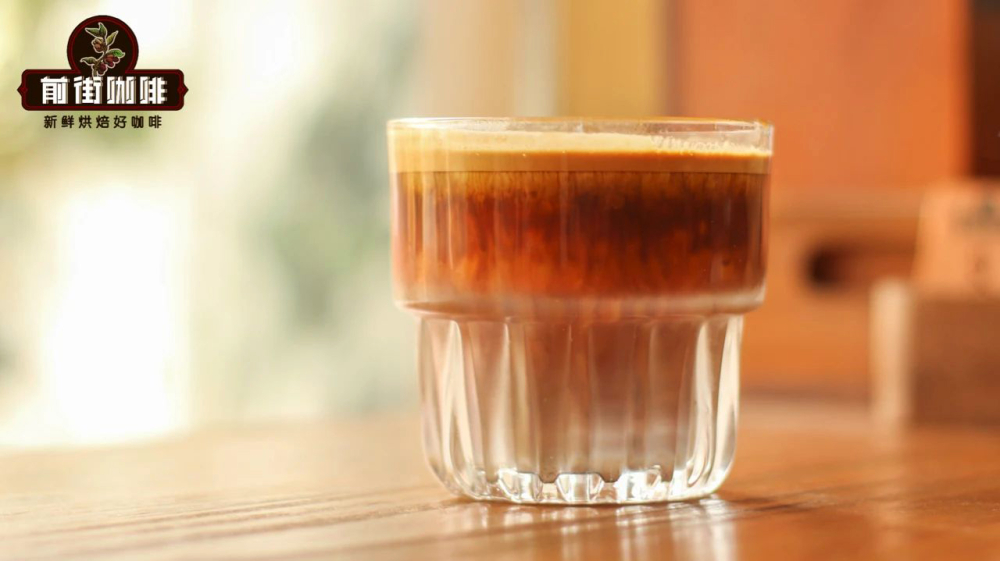
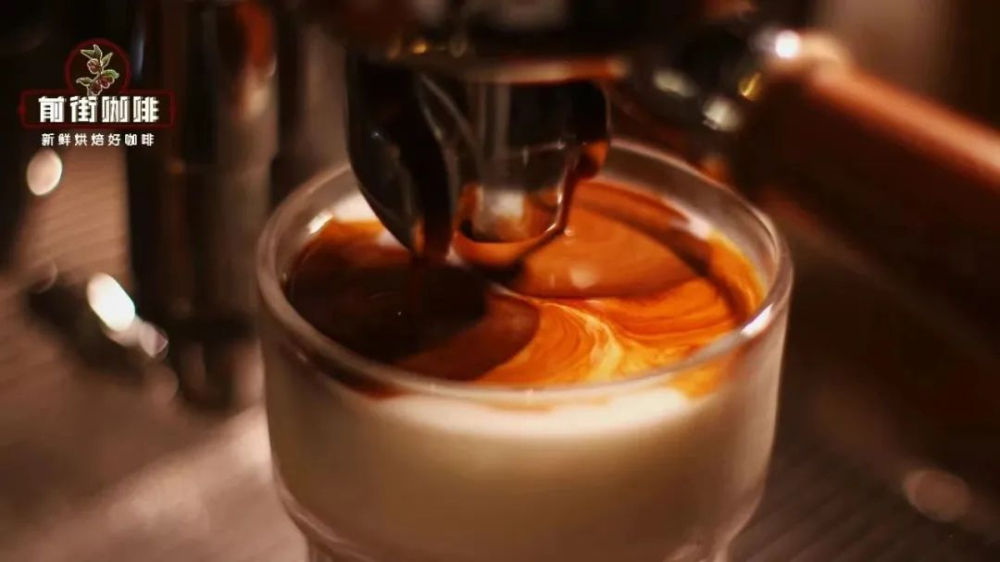
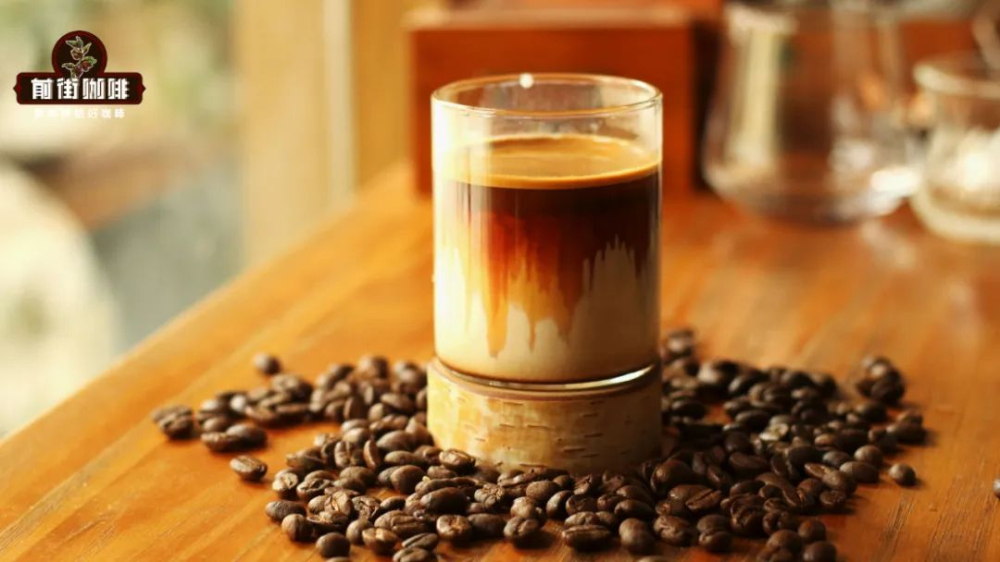
As the name suggests, Dirty literally means “dirty coffee.” This seemingly casual name actually captures the visual tension between espresso and milk as they blend. It uses fresh milk as the base, with freshly extracted hot espresso poured on top. Without stirring, the hot espresso slowly seeps into the cold milk below, creating a gradient effect of light and dark layers. This aesthetic of “not mixing” is exactly what makes Dirty so appealing.
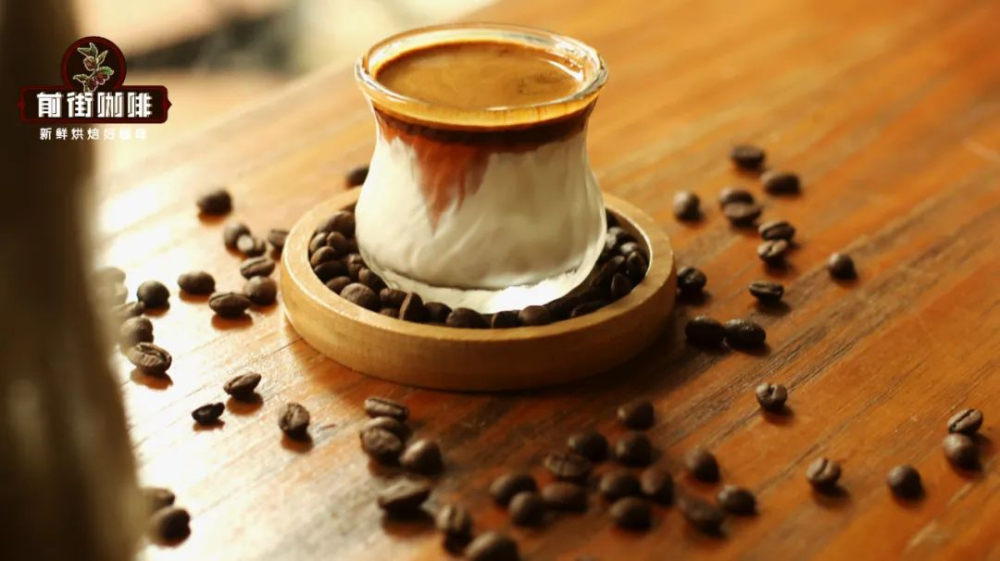
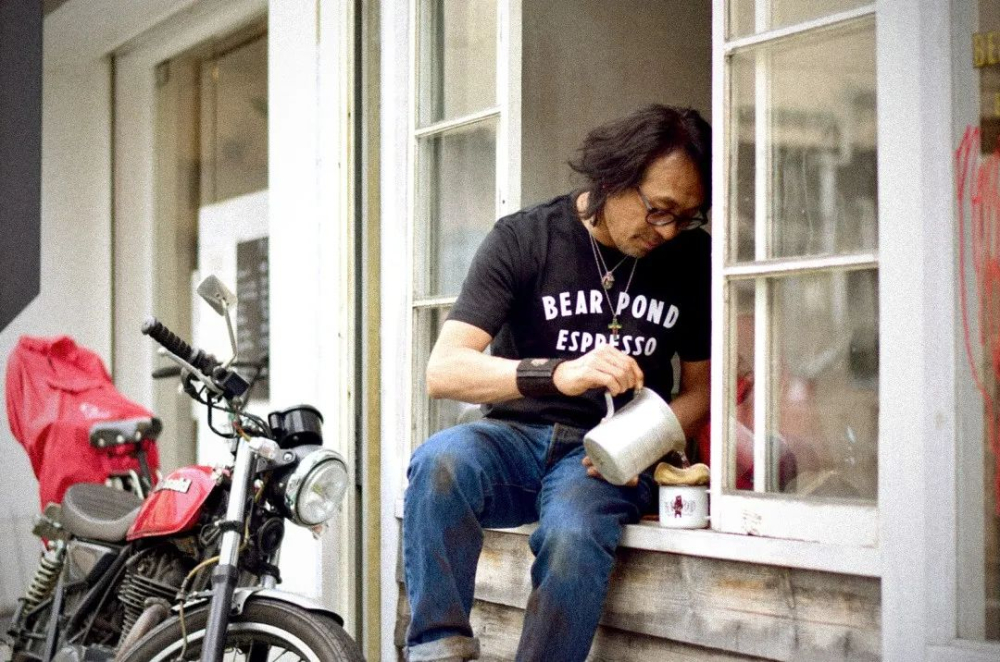
The origins of Dirty can be traced back to around 2010. According to records, it was first mentioned in the renowned coffee documentary *A Film About Coffee*, where Japanese barista Katsuyuki Tanaka revealed that he created this “B.P Dirty” at Bear Pond Espresso in Tokyo. It’s said the drink was inspired by customer complaints that the texture of an iced latte changes as the ice melts. So, he came up with the idea of combining highly concentrated “Angle Stain” (also known as “Angel’s Stain”) with cold milk to create an ice-less version of a layered latte.
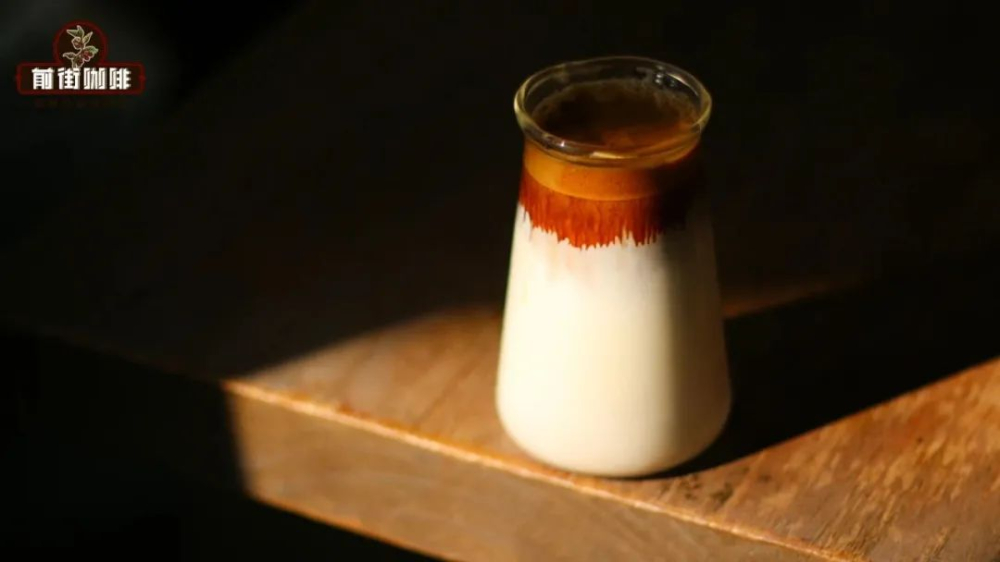
This “B.P Dirty,” which was initially only available in limited quantities at 2 p.m. each day (with just 20 cups made per day and personally extracted by Tanaka), had limited recognition at first. It wasn’t until 2011, when he officially coined the term “Dirty” in his book *Life is Espresso*, emphasizing how the espresso appears to “dirty the pure white” of the milk as it pours in, that the concept of Dirty gradually gained broader understanding and acceptance.
Although Dirty didn’t go viral in Japan, it spread among baristas in Hong Kong and Thailand before making its way to mainland China and other Chinese-speaking markets. Initially, it was just a “hidden recipe” privately explored by a few baristas. But as more and more customers were won over by its unique contrasting flavors, Dirty gradually entered the mainstream and became a staple on the menus of many specialty cafés.
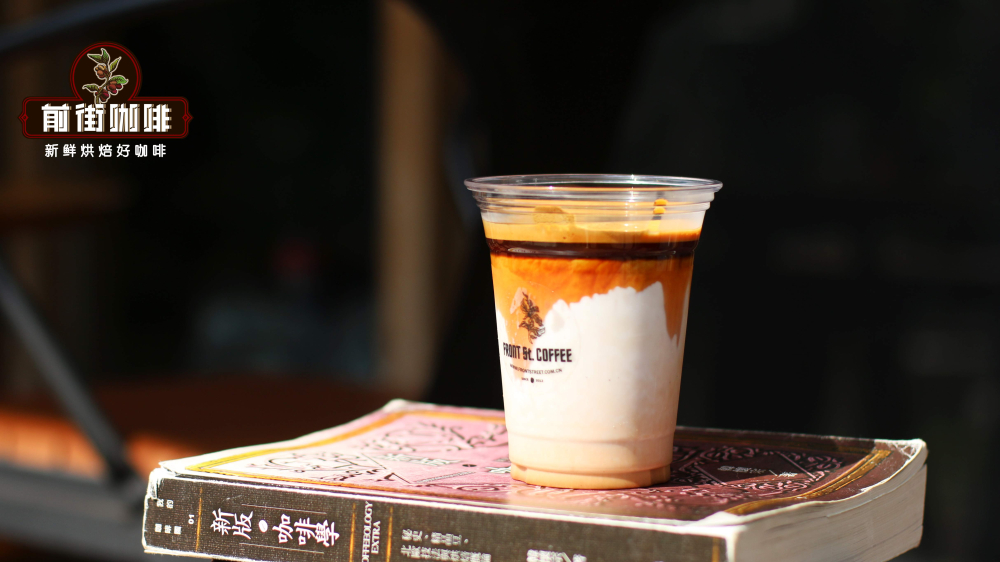
To cater to local tastes, many cafés have adapted Dirty—for example, using smaller cups (around 150 ml) so the drink can be finished in just a few sips; selecting rich-quality ice-housed milk to enhance the milk aroma layers; using ice-filled cups to maintain the longevity of the hot-and-cold contrast; or even switching to single-origin beans or bold blends for espresso extraction to boost flavor intensity. Popular choices include classic specialty espresso blends, traditional blends, and Warm Sun blends—all ideal for making Dirty.
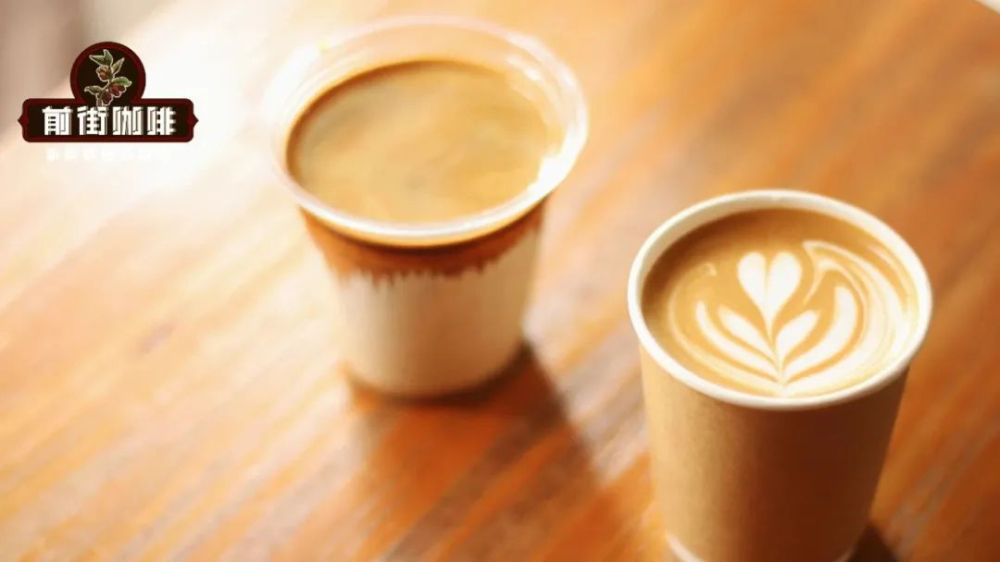
So why do baristas always remind you to “take a big first sip and don’t stir”? The key lies in Dirty’s greatest charm—the sensory contrast of its hot-and-cold layers. When you first get a freshly made Dirty, the top is a steaming dark shot of espresso, while the bottom is cool milk—the two haven’t mixed yet, creating a striking visual and taste contrast.
Visually, you can see the dark brown espresso slowly cascading down, leaving crema and layered streaks along the cup walls; tactilely, the temperature difference between the hot espresso and cold milk delivers a strong sensory jolt; and in terms of taste, taking a big sip right away lets you experience both the bold, roasted richness of the espresso and the sweet freshness of the milk—bitterness followed by sweetness, with clear layers. As time passes, the espresso gradually mixes with the milk, the flavors balance out, but you also lose that initial vivid contrast that makes it special.
On the other hand, if you sip it gently from the start, you might first taste the intense bitterness and oily texture of the espresso, only getting to the milk after several sips—greatly diminishing the experience. If you wait too long, the entire drink reaches a uniform temperature, and the appearance turns into a homogenous tea-like color—completely losing the flavor highlights that Dirty is meant to deliver.
In short, Dirty isn’t just another milk coffee—it’s a sensory experience of clashing temperatures. Understanding its history and mastering the correct way to
The above content is compiled by CoffeeHunters, a coffee news website.


