








Introduction:Want to brew rich coffee at home but don’t have an espresso machine? A moka pot is an economical and practical choice. This article delves into how a moka pot works, the correct steps to use it, and the best coffee beans for it. We’ll also explore the difference between moka pot coffee and true espresso, and explain how to brew moka pot coffee that’s close to Americano-style black coffee. You’ll also find tips on judging grind size and safety precautions to help you avoid common mistakes and enhance your home coffee experience.
While it’s convenient to enjoy coffee outside, buying takeout every day can be inconvenient. More and more coffee lovers are choosing to make their own coffee at home. Especially for those who prefer espresso-based drinks like Americano or latte, does not having an espresso machine mean you can’t enjoy rich coffee flavors? The answer is no — the moka pot is a high-value solution.
As demand for espresso rises, the moka pot has gradually become a popular choice among home coffee enthusiasts. Through online sharing, many have discovered that the moka pot can also brew coffee with rich crema. However, during actual use, issues such as lack of crema, burnt bitterness, or excessive acidity often occur, usually due to incorrect usage.

To successfully brew a good cup of moka pot coffee, you first need to understand its basic principles. The moka pot was invented in the 1930s by Italian Alfonso Bialetti. It’s said the design was inspired by his wife’s washing machine, which had two layers connected by a tube. When heated, the liquid below would rise through the tube to wash clothes. Bialetti used his experience in aluminum processing to design a moka pot with a similar structure.
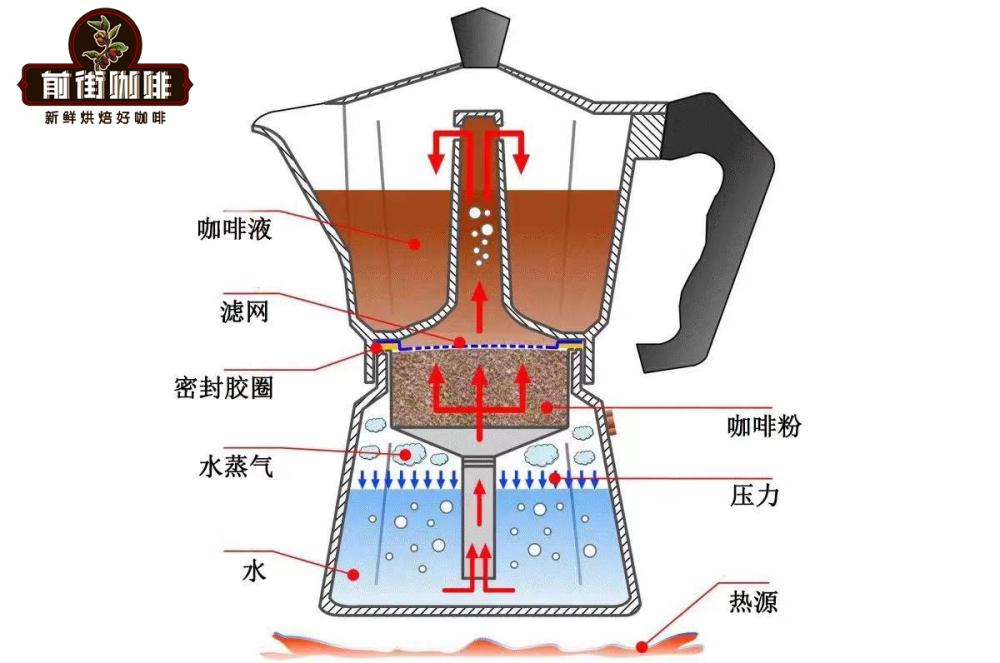
The moka pot mainly consists of an upper chamber, a coffee basket, a lower chamber, and a metal tube in the middle. To use it, water is added to the lower chamber, ground coffee is placed in the basket, and when heated, the water in the lower chamber creates steam pressure that pushes the water through the coffee grounds and up through the central tube into the upper chamber, completing the extraction.
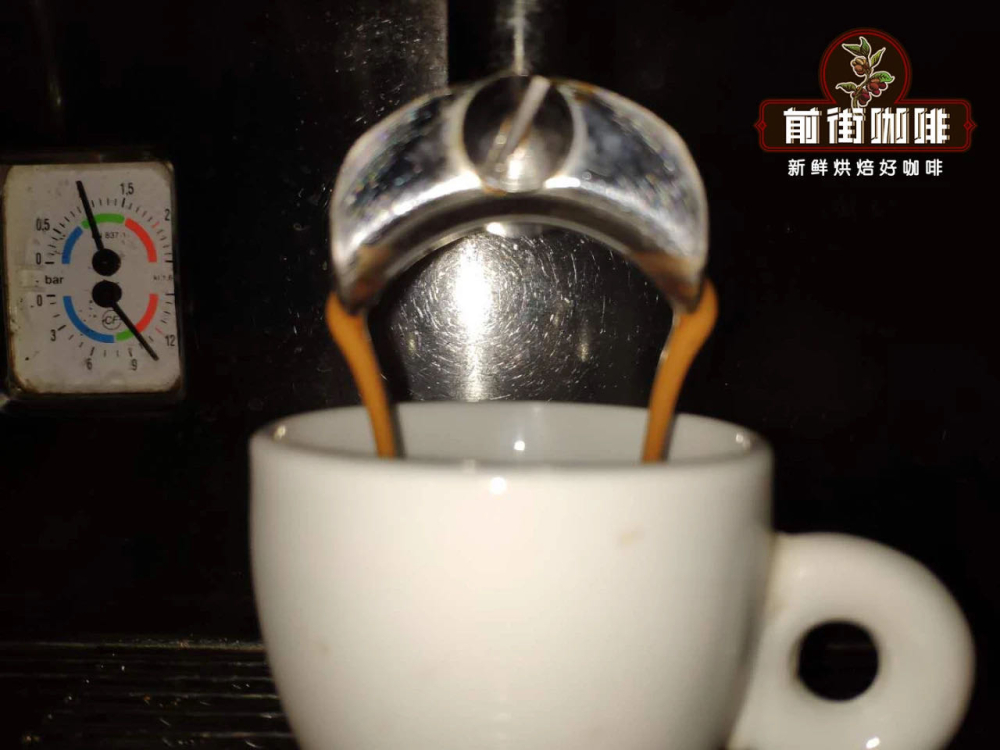
Although it seems simple to operate, the coffee brewed with a moka pot is fundamentally different from the espresso extracted by commercial espresso machines. Typically, commercial machines extract at 9 bar or more pressure, while a moka pot usually only generates 1–2 bar of pressure. Therefore, it can’t be considered authentic espresso, but it can deliver relatively rich flavors, closer to Japanese-style or home-brewed espresso styles.
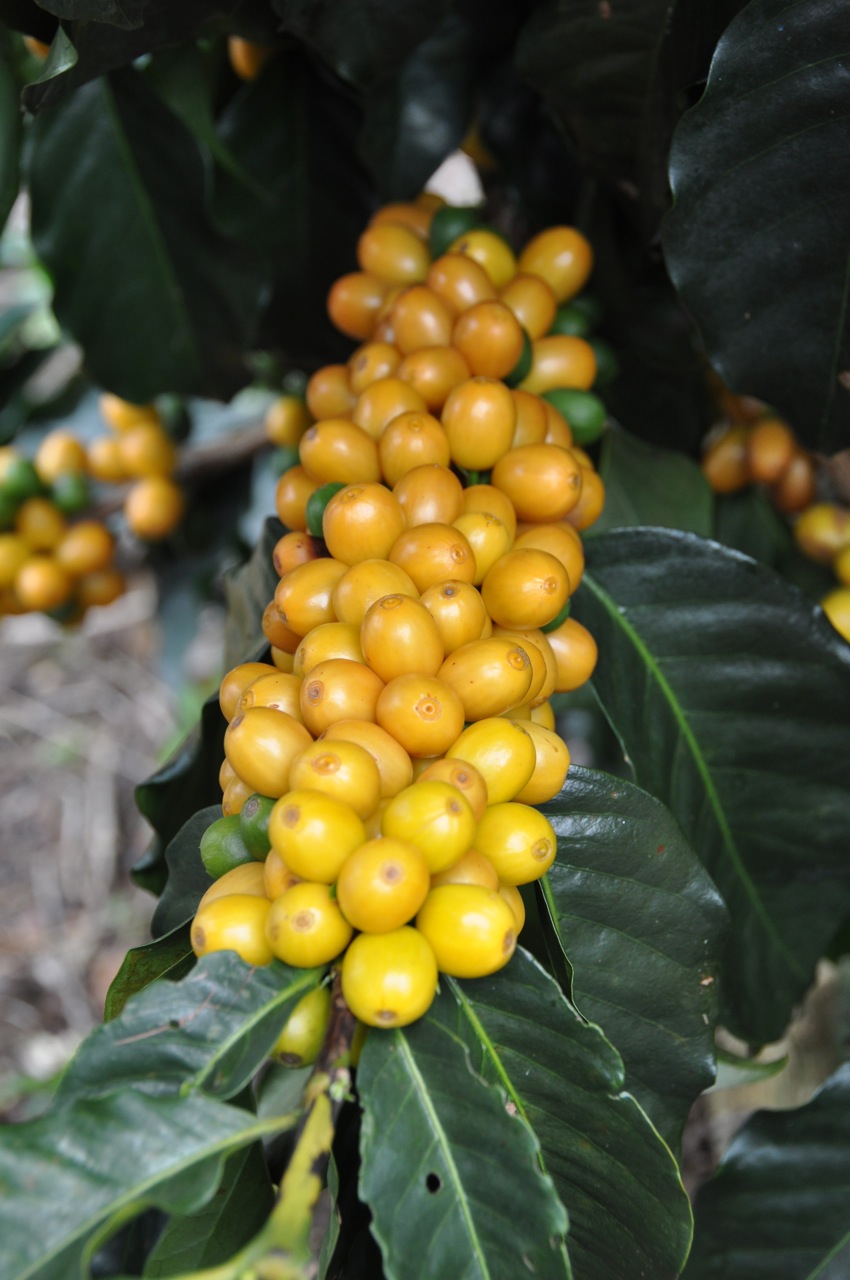
So what kind of coffee beans are suitable for a moka pot? To achieve a rich taste, it’s recommended to choose medium to dark roasted beans. Compared to light roasts, these beans usually offer fuller flavors and a better balance of bitterness and sweetness. For example, the Yellow Bourbon variety from Brazil, known for its rich caramel sweetness and full body, is often recommended. This bean is usually processed using the natural method, retaining more fruit pulp and sugars. After moderate medium-dark roasting, its sweetness and richness are further highlighted.

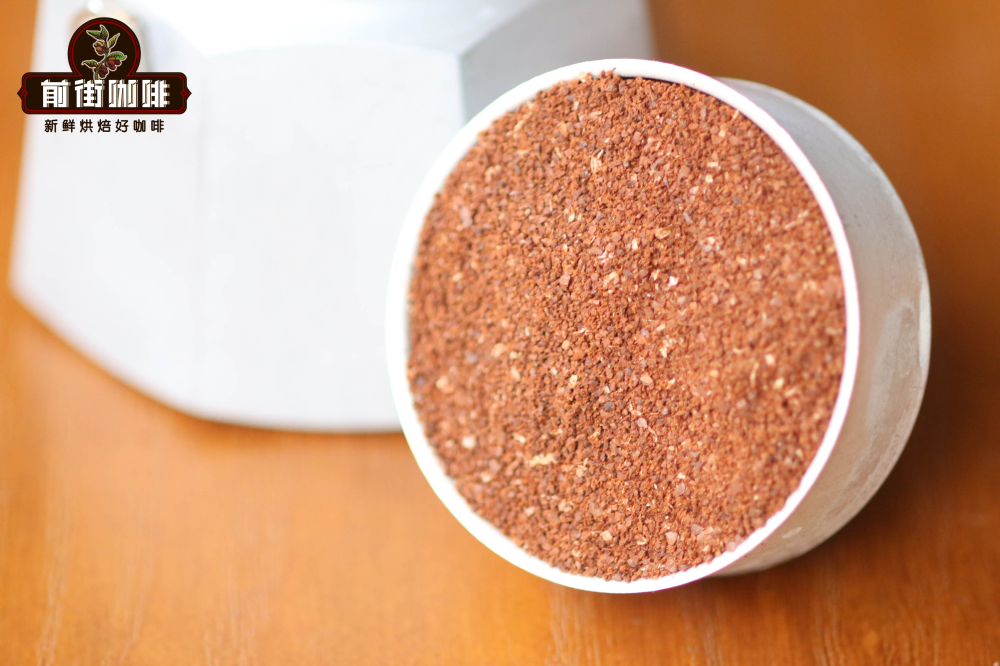
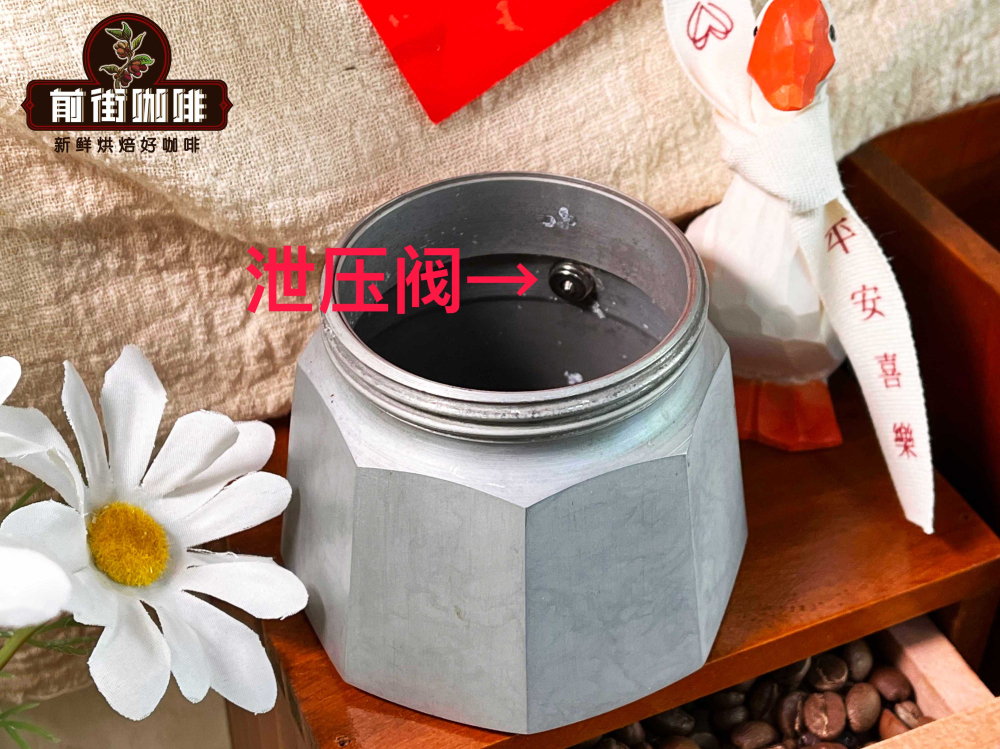
Regarding grind size, the coffee grounds for a moka pot should be coarser, typically between 0.3 and 0.55 mm, slightly coarser than those for traditional espresso machines. You can judge the grind size by observing the extraction: if the coffee sprays out quickly like a fountain, it means the grind is too coarse and offers insufficient resistance. If you hear a low gurgling sound but the flow rate is slow, the grind may be too fine — in this case, immediately turn off the heat to avoid over-extraction or excessive pressure. Additionally, the lower chamber of the moka pot has a pressure relief valve. Never let the water level exceed the valve position during use, as this can affect the safety valve function and create risks.
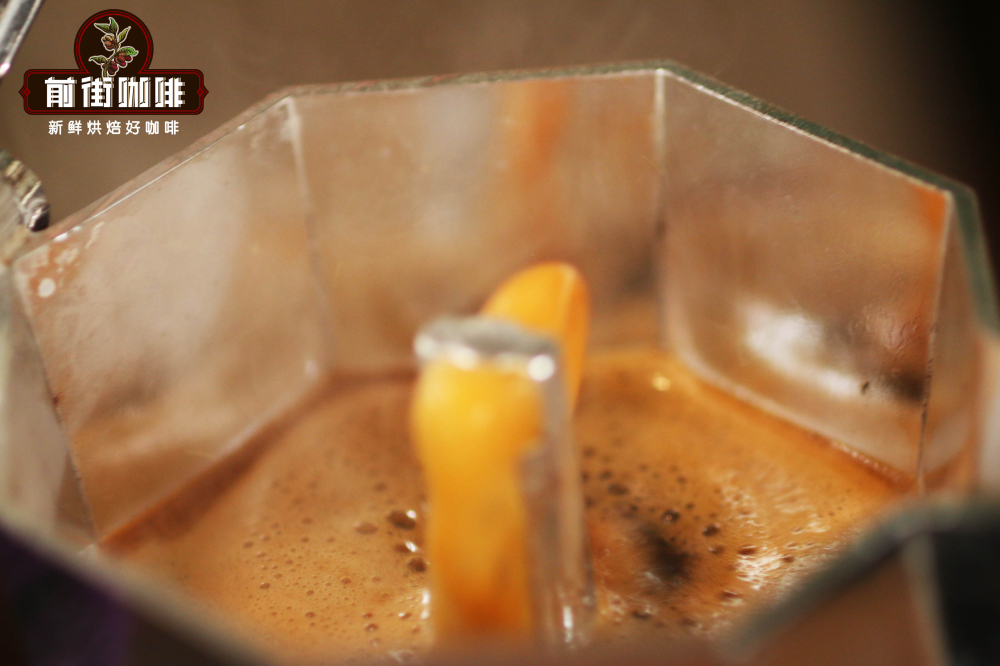
In summary, as long as you master the right grind size, coffee-to-water ratio, and heat control, a moka pot can also brew coffee with rich flavors and plenty of crema. It’s an affordable and practical home coffee tool. With these details in mind, you can avoid common issues and brew more satisfying coffee.
The above content is compiled by CoffeeHunters, a coffee news website.


