







Introduction:Want to brew a latte at home that tastes as good as one from a café? The key lies in choosing the right espresso blend and milk, as well as mastering the basics of extraction and milk frothing. This article will guide you through the core elements that define a latte’s flavor—from the roast level of the coffee beans and milk selection, to the espresso extraction ratio and milk frothing details—to help you adjust your brew to suit your personal taste.
In fact, brewing a delicious latte at home isn’t difficult. By focusing on a few key details, you can significantly enhance the overall flavor. Today, let’s dive deep into how to make a latte at home that rivals the quality of a café.
First and foremost, the biggest factor influencing the flavor of a latte is the choice of coffee beans. Since lattes use a large amount of milk, it is recommended to use a medium to dark roasted espresso blend. These types of beans, when extracted into espresso, emit rich caramel and cocoa aromas, with thick crema and a full-bodied mouthfeel, allowing them to maintain their layered complexity even when complemented by milk.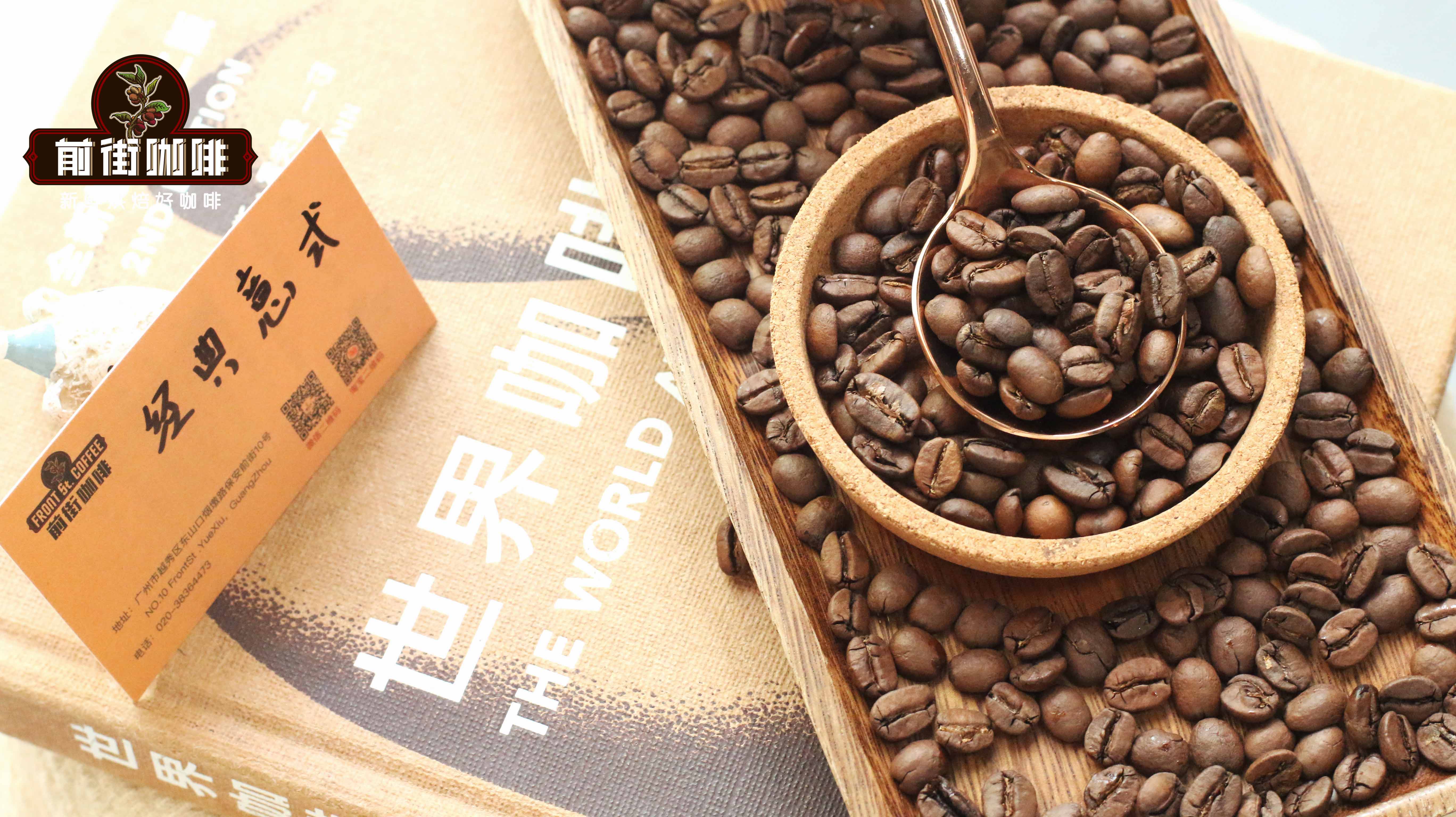
In terms of roast flavor profile, dark roasted beans typically carry aromas of dark chocolate, nuts, and caramel, with lower acidity—making them well-suited to showcase a bold, mellow character when paired with milk. Medium-dark roasts, on the other hand, may present some fruity layers within the roasty notes, offering a more diverse taste experience.
Next is the choice of milk. Many people overlook just how much milk impacts the overall flavor of a latte. Different brands and fat contents of milk can directly alter the sweetness, creaminess, and smoothness of your latte. For example, high-fat, richly aromatic milk paired with dark roasted beans can yield a round and silky mouthfeel, but using it with a medium-dark roast might overpower the coffee’s inherent aroma.
Conversely, low-fat or slightly sweeter milk tends to pair better with medium-dark roasted beans, creating a refreshing latte with a pronounced sweetness. However, using it with a dark roast might result in a thinner body or an overly “watery” taste. Therefore, it’s recommended to experiment with different types of milk based on the roast level of your chosen beans to find the most suitable combination.
Many people assume that without professional-grade home coffee equipment, it’s impossible to brew a good-quality espresso. But this isn’t the crux of the issue. As long as the equipment functions properly and is operated correctly, even an affordable home machine can produce a decent espresso base. A commonly recommended home extraction ratio is 1:2 (grounds to liquid), with an extraction time controlled between 25 to 35 seconds—this helps achieve a balanced expression of acidity, sweetness, and body.
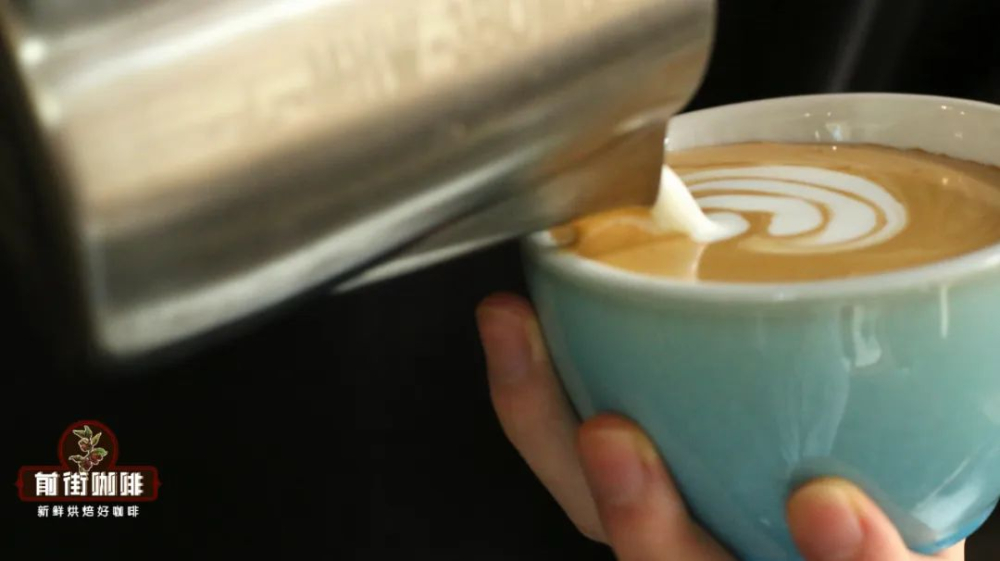
Additionally, the texture of the milk foam greatly affects the mouthfeel of the latte. If you’re aiming for a delicate and velvety texture, it’s worth learning how to froth fine microfoam, which can make the latte feel smoother and more luxurious. But for everyday drinking, simply heating the milk to 65±2°C and pouring it directly into the espresso while mixing evenly can still give you a deliciously rich latte.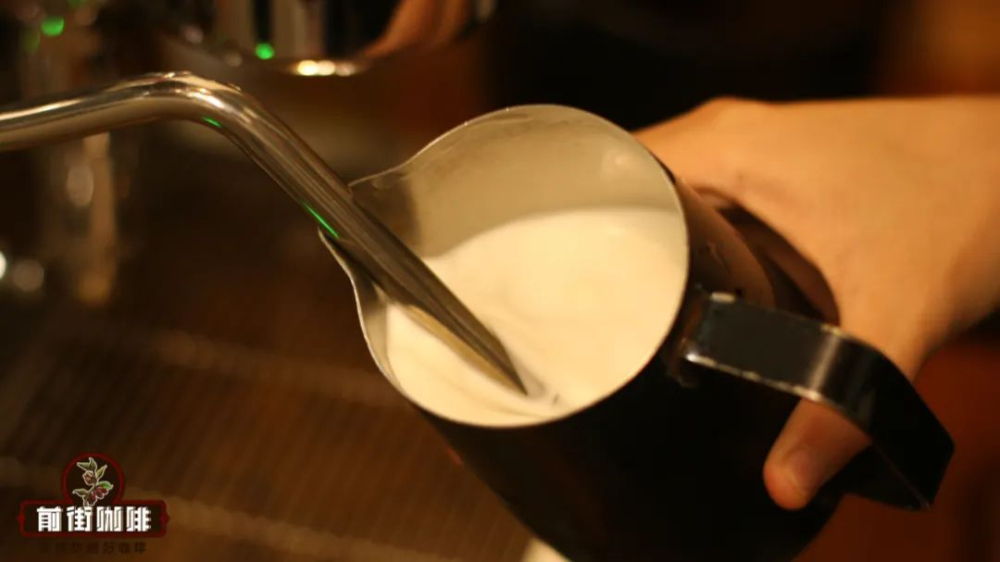
Regarding the ratio of espresso to milk, a common recommendation is 1:5—that is, 40ml of espresso with 200ml of milk, which is a standard proportion used in many cafés. However, this isn’t set in stone. You can adjust according to personal preference: if you prefer a stronger coffee flavor, go for 1:4; if you want the milk flavor to stand out more, adjust to 1:6. The goal is to find the balance that suits you best.
In summary, as long as you get the roast character of the beans right, choose the appropriate milk, control the details of extraction and frothing, and adjust the proportions based on your taste, you too can easily brew a latte at home that rivals those from your favorite café.

The above content is compiled by CoffeeHunters, a coffee news website.


