







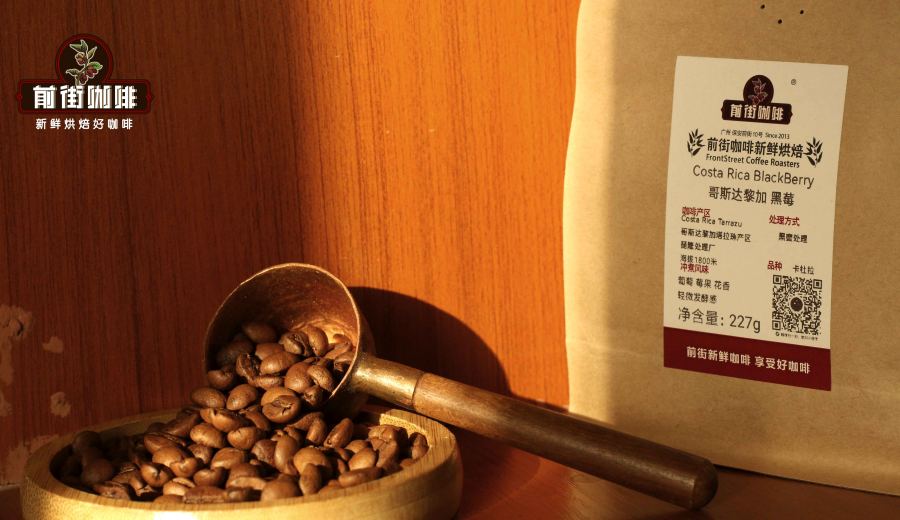
Introduction:Espresso is often misunderstood as a bitter and harsh drink. In reality, by selecting coffee beans with the appropriate roast level and origin, you can enjoy an espresso with captivating sweetness and complexity. This article will explore the relationship between sweetness and roast levels, introduce the regional characteristics of beans suitable for making Americano and latte, and highlight five highly-rated high-sweetness espresso beans on the market—including both blends and single-origin beans (SOE). We also provide a standard espresso extraction method and key tips, allowing you to brew richly crema-ed, acid-sweet balanced espressos at home.
Many people think espresso is synonymous with bitterness, but as long as you choose the right beans and master the correct brewing technique, you too can enjoy an espresso with notable sweetness and fruity aroma. Whether used as the base for an Americano or paired with milk for a latte, choosing the right beans is essential.
The Key to Sweetness: The Impact of Roast Level and Origin
In the process of transforming green coffee beans into roasted beans, sweetness is usually the first flavor to emerge, followed by acidity. Generally speaking,medium roastcoffee beans exhibit the most pronounced sweetness. At this stage, caramelization reactions are just right—preserving vibrant acidity while bringing out sweet notes of caramel, nuts, and chocolate. As the roast level deepens further, although bitterness increases, sweetness tends to decline. Therefore, if you’re aiming for a sweet yet not cloying espresso, it’s recommended to look for beans with amedium to medium-dark roastprofile.
From the perspective of regional characteristics, African beans generally have bright flavors and lively acidity; Asian beans are known for their body and spicy notes; island beans (such as Jamaican Blue Mountain) emphasize balance; whileCentral and South American coffee beans, such as those from Brazil, Colombia, and Costa Rica, often feature pronounced caramel, nutty, and chocolatey profiles. These characteristics make them popular choices for espresso, especially for those who prefer sweetness and a full-bodied mouthfeel.
Five Recommended High-Sweetness Espresso Beans
Below are five high-sweetness beans, carefully selected based on multi-platform user reviews and expert barista recommendations, ideal for making espresso, lattes, and Americanos—suitable for users with different flavor preferences:
① Strawberry Candy Espresso Blend
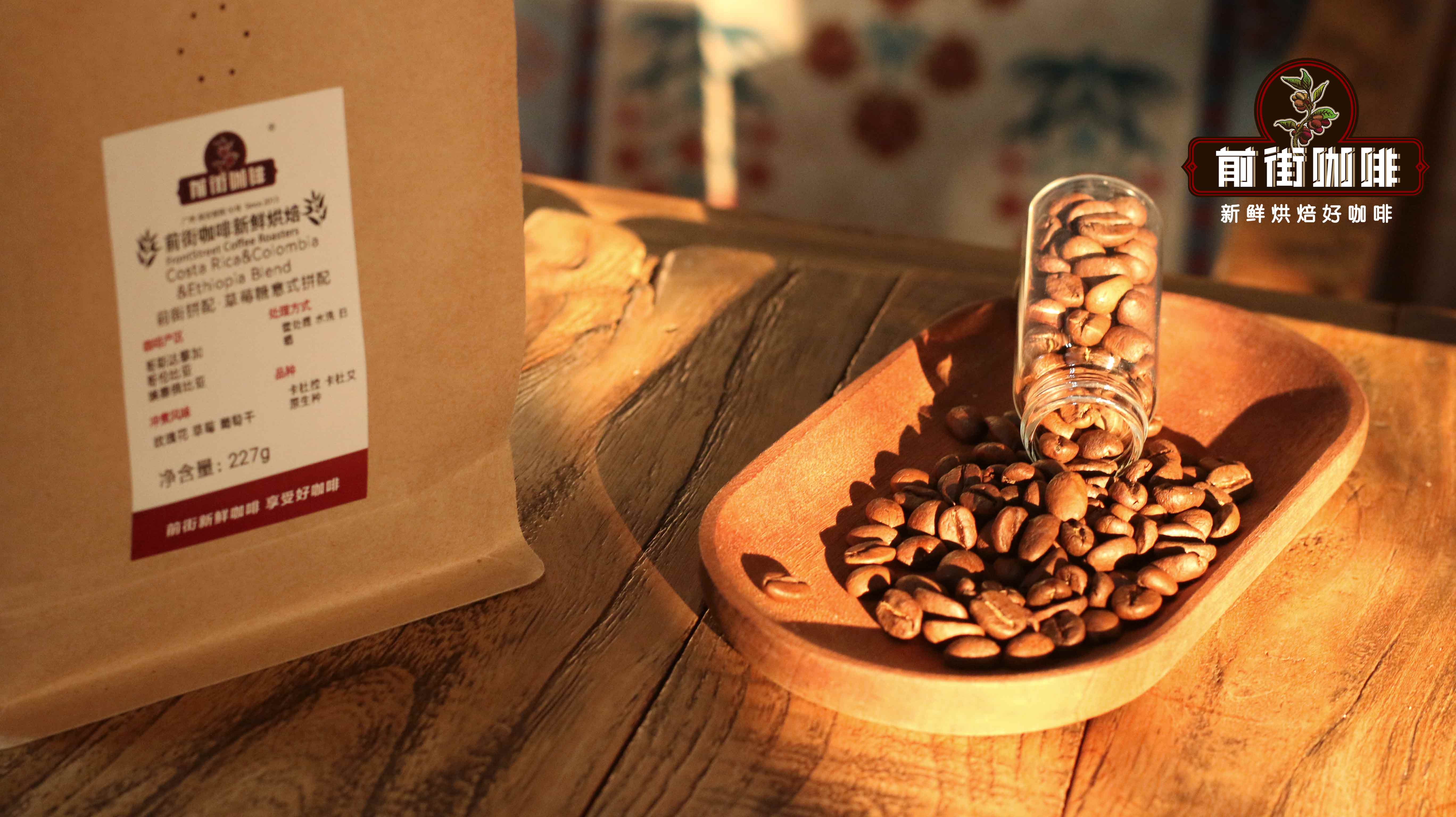
Combining the sweetness of Costa Rica honey-processed beans, the citrus and floral notes of Ethiopian beans, and the nutty-chocolate tones of Colombian beans, this blend offers distinct aromas of rose, strawberry taffy, and dried blueberries. It has a balanced acidity and sweetness, with an almond aftertaste. The crema is velvety, making it ideal for those who enjoy a balance of fruitiness and sweetness.
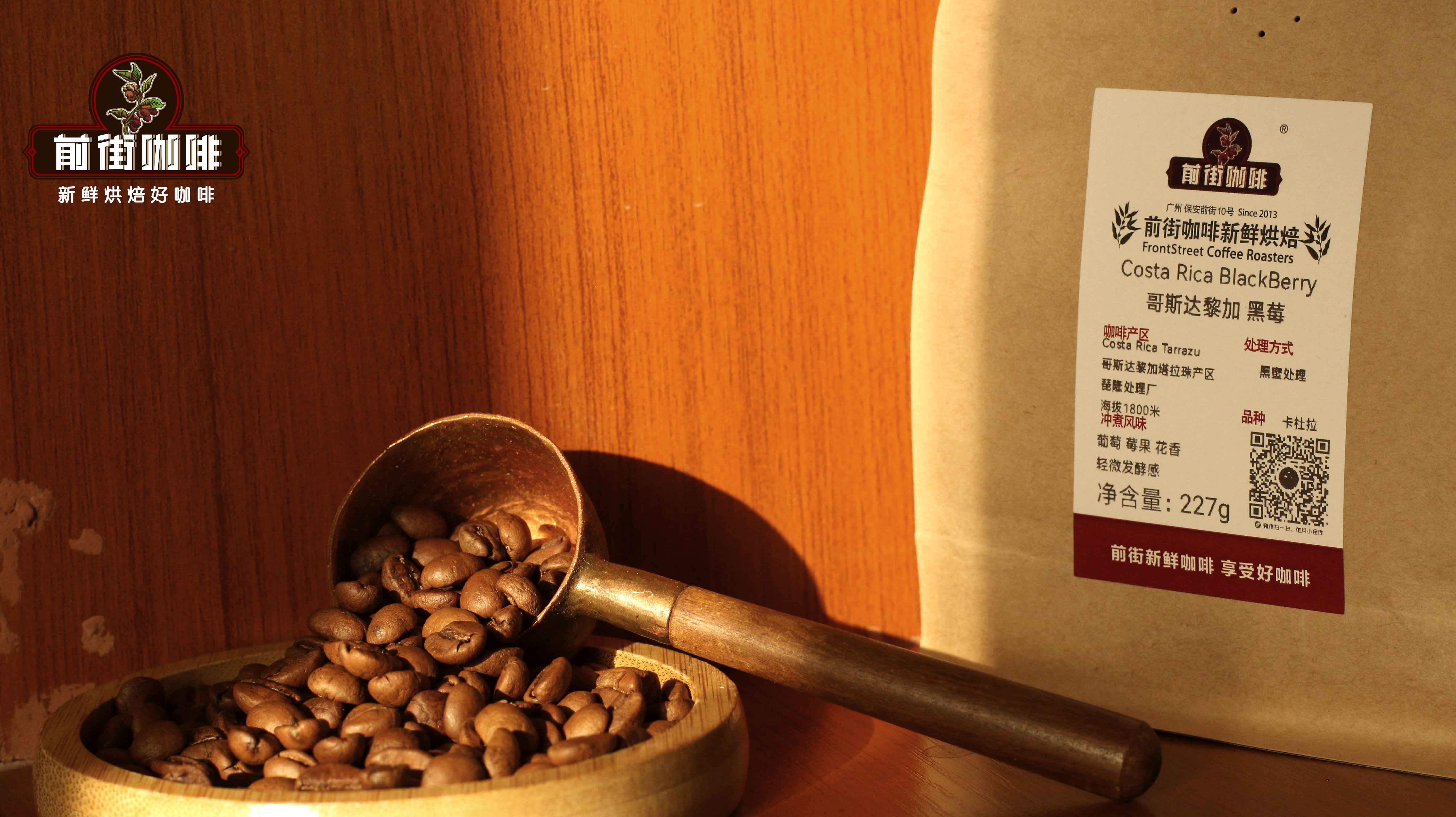
② Costa Rica Blackberry SOE
This single-origin bean features clear flavors with natural sweetness of longan, grape, and honey, delicate floral notes, a rich and smooth mouthfeel, and a lasting sweet aftertaste. It’s perfect for those who dislike strong acidity but seek a full-bodied taste. When brewed as an Americano, it remains refreshing without being overly heavy.
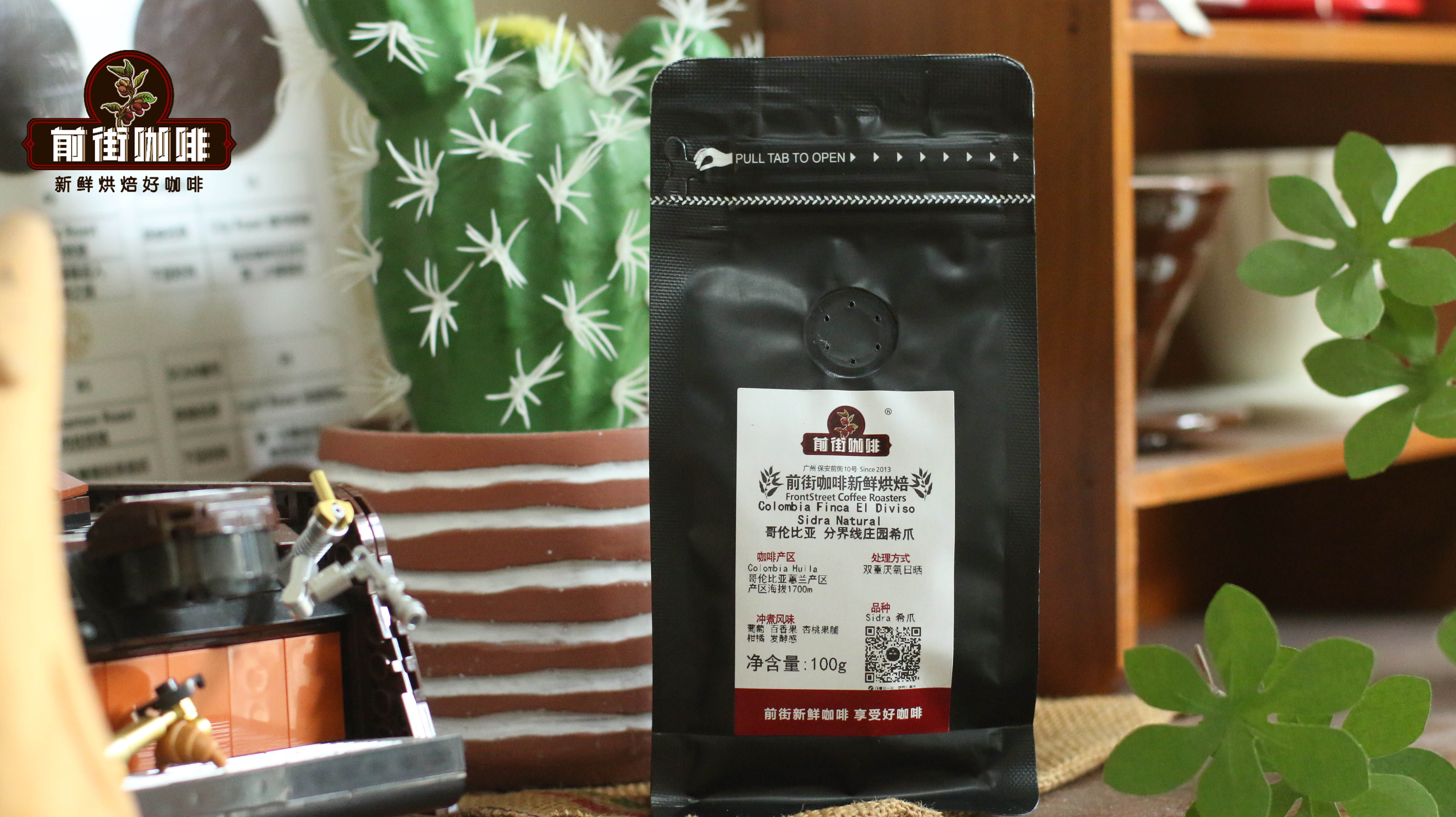
③ Colombia Geisha SOE
It boasts intense aromas of passionfruit, grape, and apricot, with a pronounced citrus note. The aftertaste includes hints of chocolate and light spices, offering a rich and layered profile. Ideal for those who enjoy fruity notes without bitterness, it performs exceptionally well as an iced Americano, delivering a grape juice-like freshness.
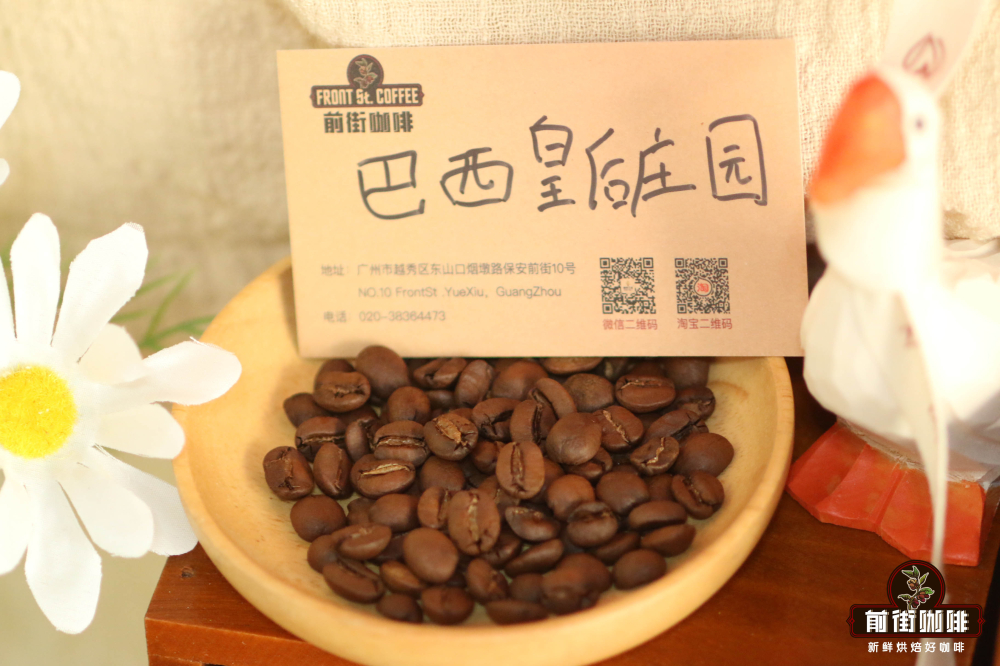
④ Brazil Queen Estate SOE
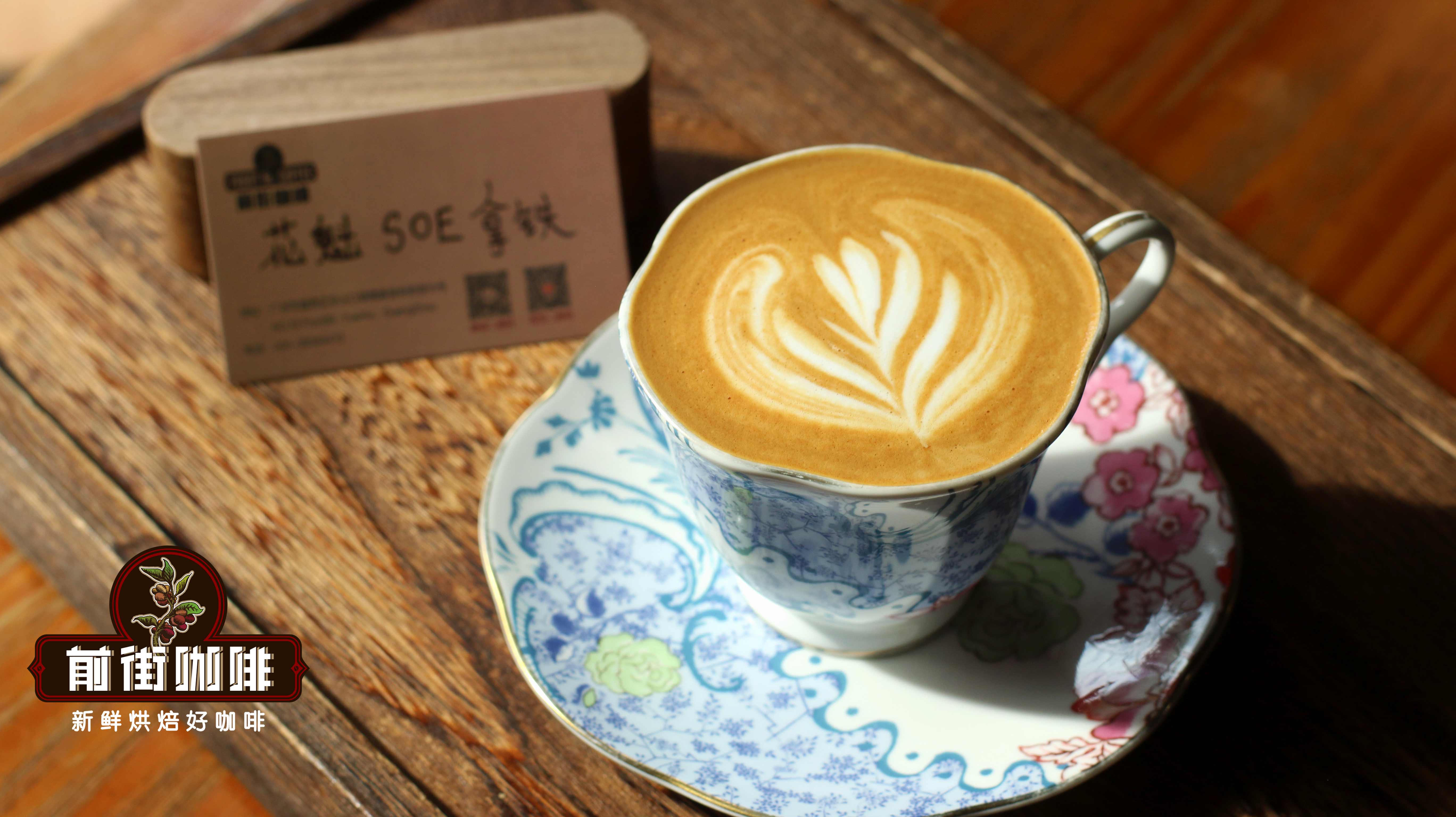
This medium-roasted bean emphasizes toasty aromas of grilled bread, peanuts, butter, and cookies. When made into an Americano, it delivers a smooth, sugarcane-like aftertaste, while in a latte it showcases a rich chocolate-milk flavor—perfect for those who love milky and sweet profiles.
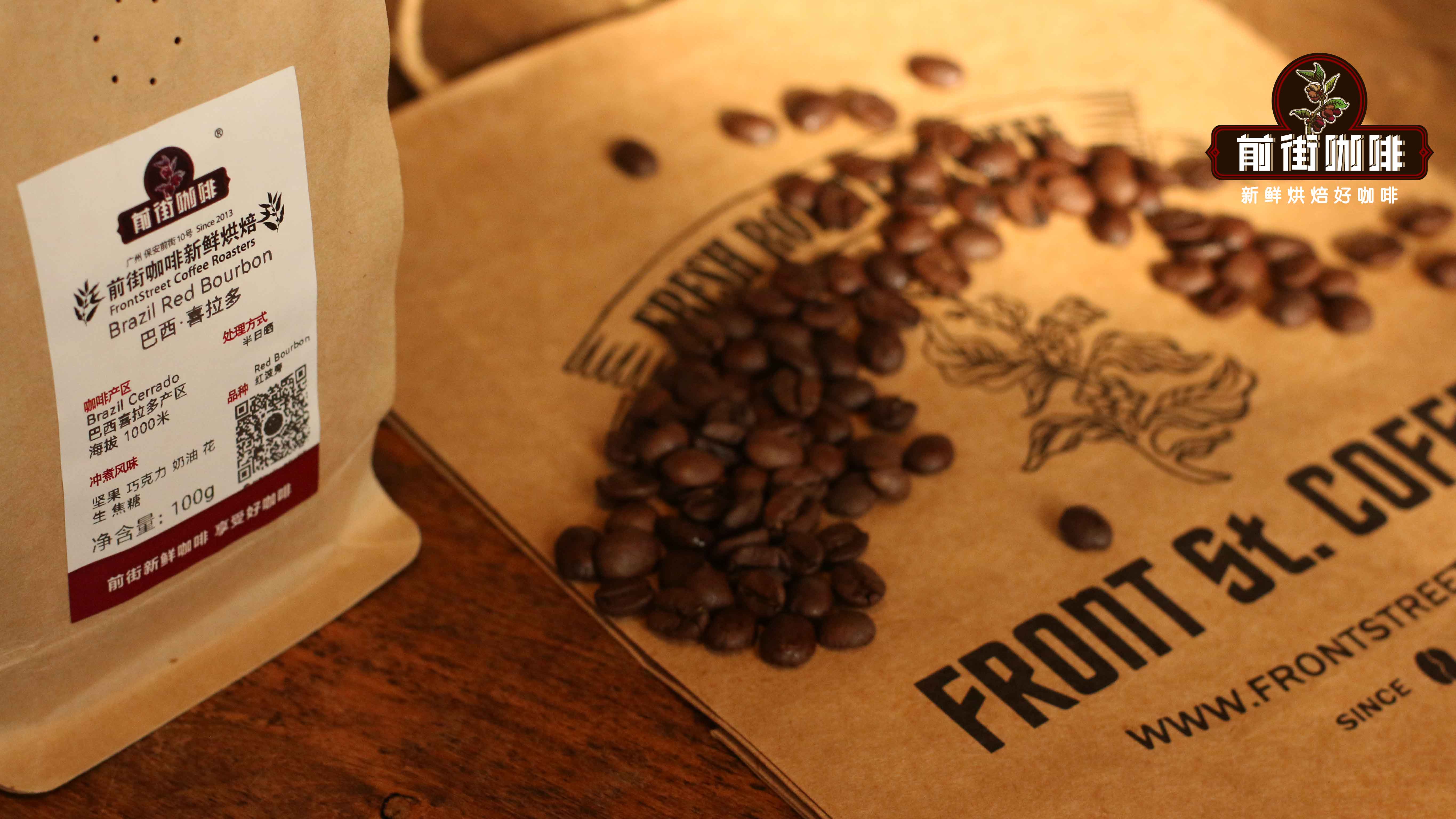
⑤ Brazil Cerrado Red Bourbon SOE
A low-acidity bean with a prominent nutty character, its flavors are dominated by chocolate and nutty sweetness. It’s ideal for coffee lovers who dislike acidic or herbal notes and prefer pairing with milk or using it for desserts.
Standard Espresso Extraction Method and Parameters
Using any of the above high-sweetness espresso beans, you can produce a surprisingly delightful shot. Below are the reference steps and parameters for a standard double (Double Shot) espresso:
It’s recommended to use a double basket, with about18~20 gramsof coffee grounds, extracted at a ratio of1:2, yielding36~40 gramsof espresso. The extraction time should be controlled within20~35 seconds, with the ideal range being28~30 seconds. Too short may result in under-extraction, while too long can lead to over-extraction and burnt, bitter flavors.
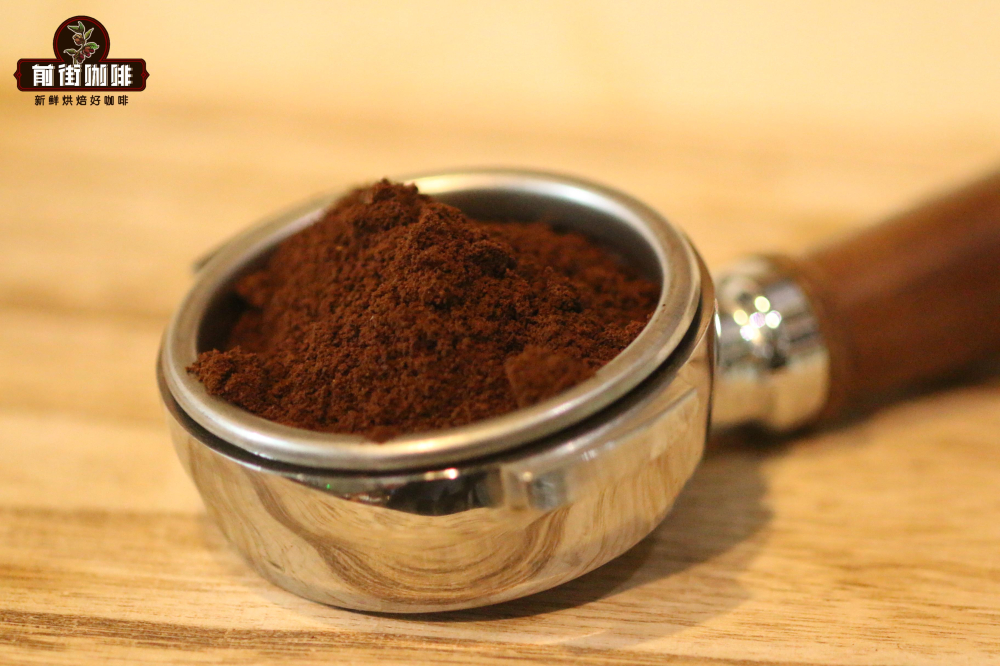
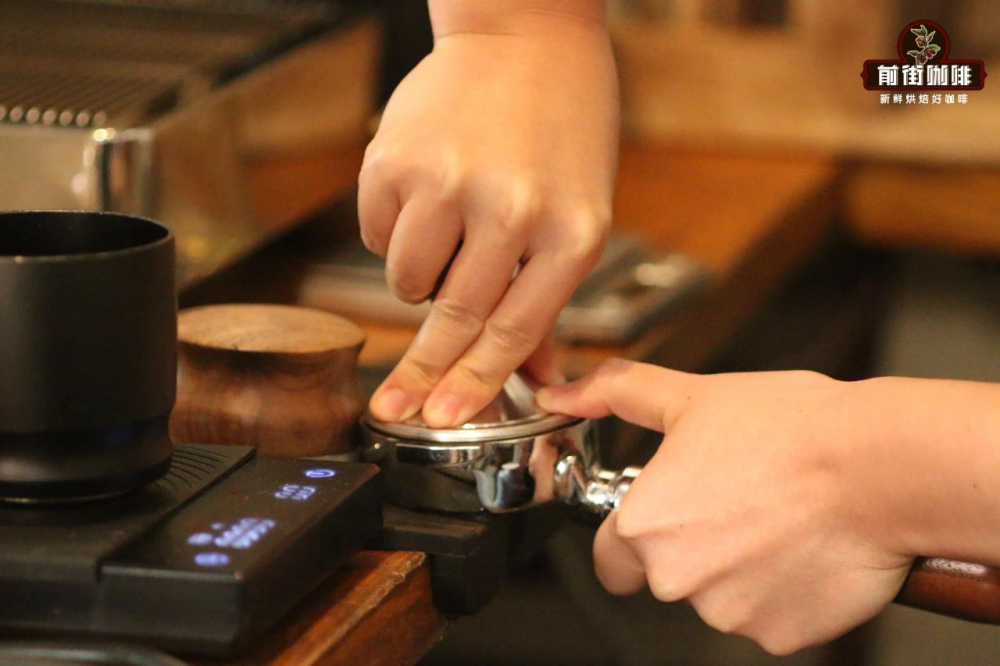
Before extraction, ensure the portafilter is dry and use a grinder to achieve an even grind. After evenly distributing the grounds, tamp with firm, vertical pressure to form a compact puck. Pre-wetting the filter basket with 1–2 seconds of water helps improve extraction consistency. During extraction, place your cup on a scale and tare it, then monitor flow rate and total yield. Adjust the dose and tamp pressure slightly according to weather conditions and bean freshness to achieve optimal flavor.
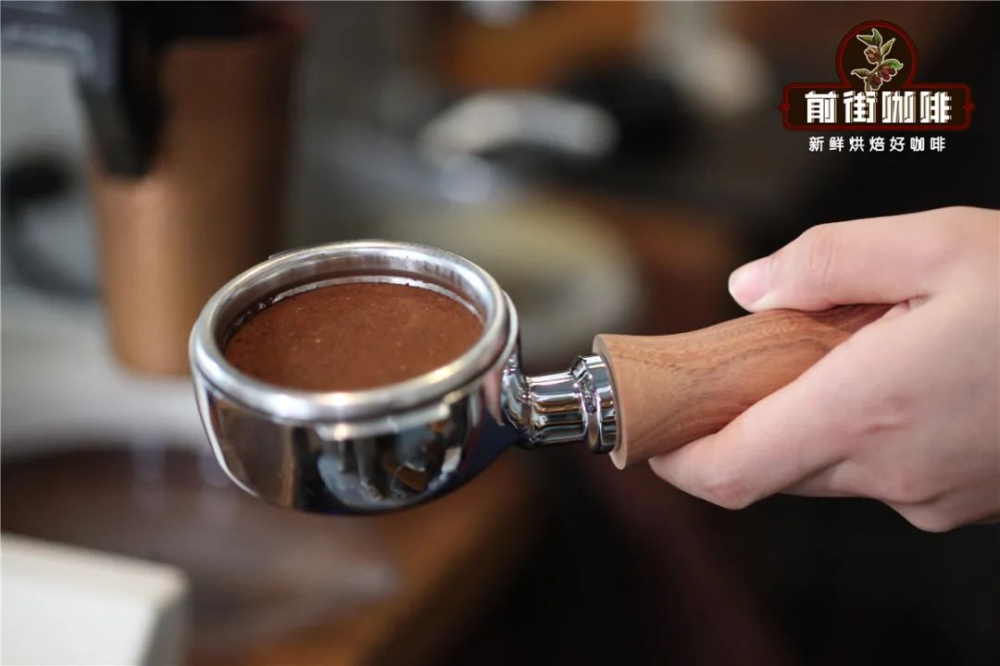
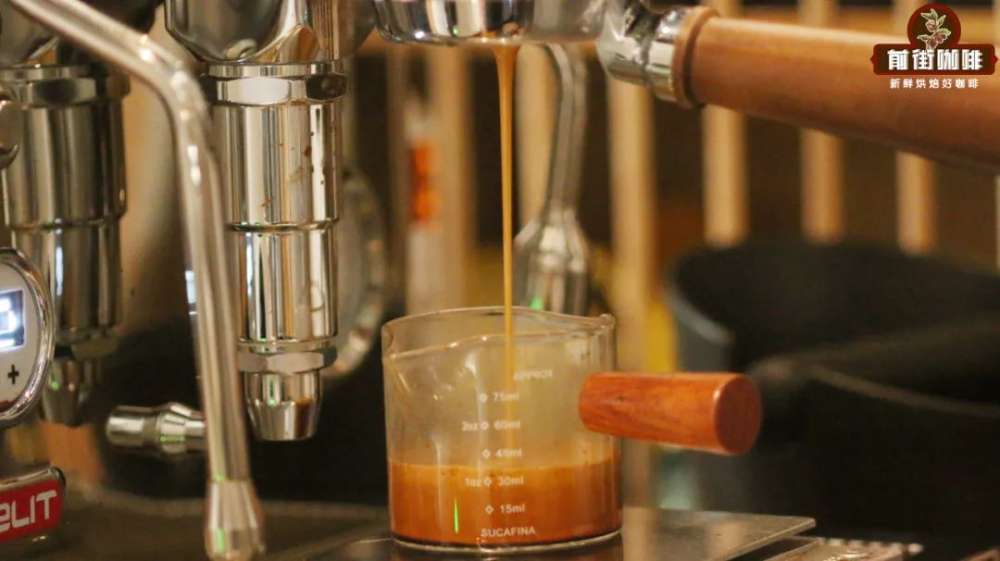
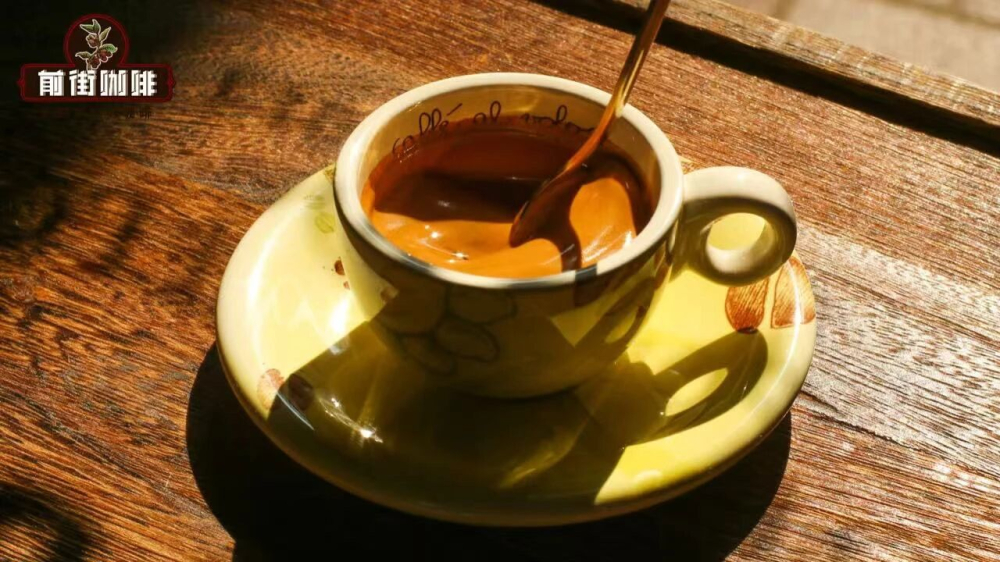
A well-pulled espresso should have a rich crema, a full-bodied texture, and clear layers of flavor. If you’re not accustomed to strong bitterness, you can adjust concentration and taste by adding hot water or milk to suit your preference, resulting in a smoother coffee experience.

The above content is compiled by CoffeeHunters, a coffee news website.


