







Introduction:Do you know why Panamanian Geisha has stood out in the global specialty coffee scene? This article will trace the origins of Geisha coffee, from its Ethiopian wild variety roots to its stunning debut at Panama’s Hacienda Esmeralda, detailing its unique flavor characteristics, and listing the major global growing regions and renowned farms. It also provides practical pour over recommendations and parameters to help you fully experience the multi-layered flavor profile of Geisha.
The definition of specialty coffee has evolved over time. What was once dominated by bold and rich flavors has now given way to more nuanced and complex taste profiles. If you ask seasoned coffee enthusiasts what constitutes top-tier coffee, "Panamanian Geisha" is often the first answer. However, when you walk into a café or specialty bean shop and face the wide array of Geisha options, have you ever been puzzled about which to choose? Especially when you find that the same "Geisha" label comes from different producing regions—such as Ethiopia—the differences become even more intriguing.
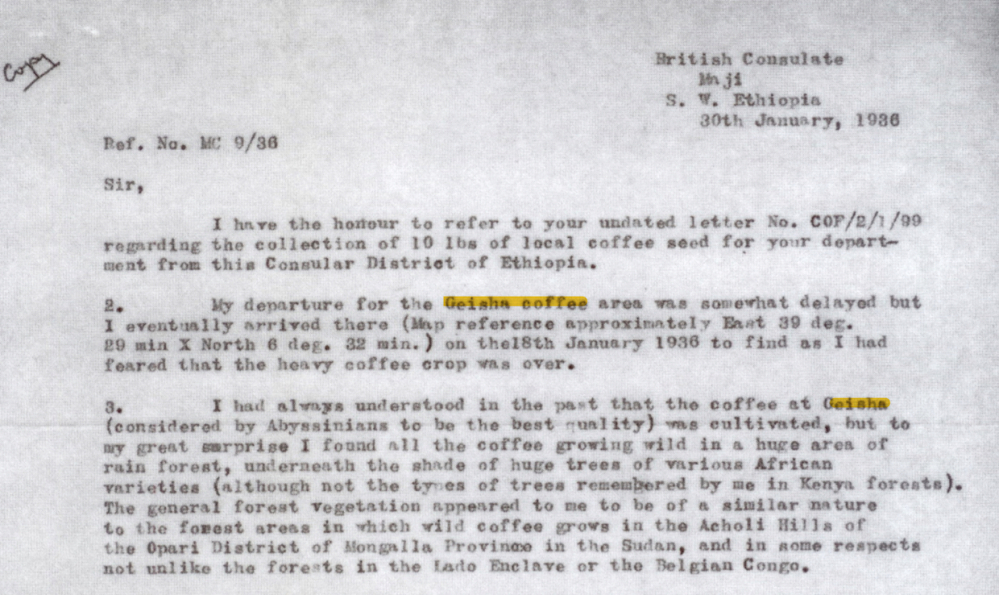
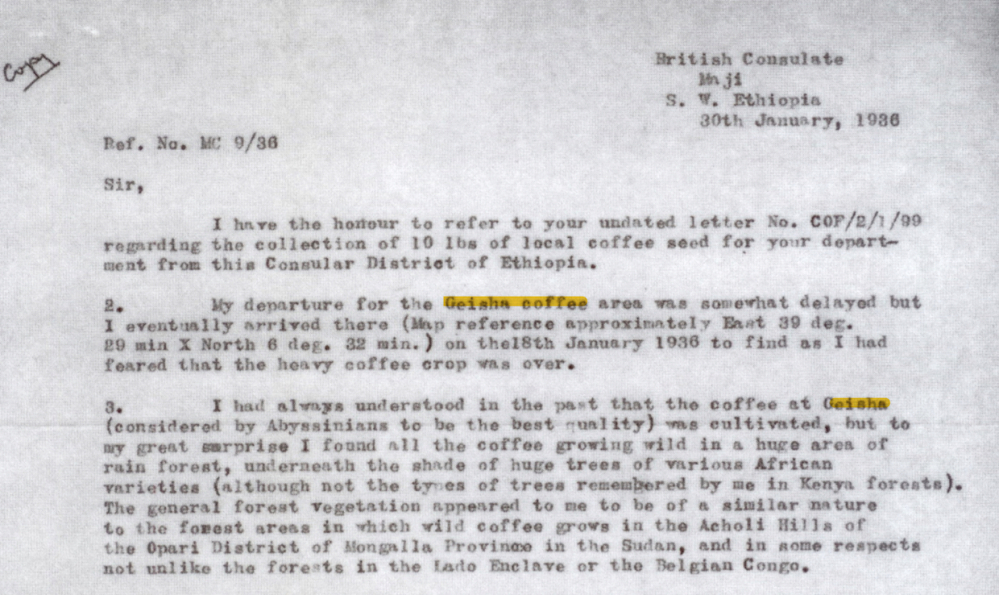
The Geisha variety can be traced back to Ethiopia, the genetic treasure trove of coffee. In the 1930s, British colonial officer Colonel Richard Whalley was tasked with collecting wild coffee seeds from the region. He successfully brought back ten pounds of samples and mentioned a unique variety in a letter for the first time, referring to it as “Geisha.” Subsequently, these seeds were packaged uniformly and marked with GEISHA, then sent to the British Embassy in Kenya.
Between 1931 and 1936, these seeds were sent to cultivation fields in Kenya for development. Later, some plants were introduced to the Lyamungu Research Center in Tanzania. There, researchers selected and bred five strains, VC496 to VC500, among which VC496 stood out for its excellent resistance to leaf rust.
Later, the Centro Agronómico Tropical de Investigación y Enseñanza (CATIE) in Costa Rica received seeds of this strain in 1953, primarily for disease resistance research, and renumbered it as T2722. However, during the 1960s and 1970s, when Central America experienced a severe outbreak of leaf rust, the Panamanian agricultural authorities introduced the T2722 strain in 1963 in an attempt to combat the disease threat. Nevertheless, due to Geisha’s naturally low yield and relatively fragile plants, it failed to gain favor among growers for a long time, while higher-yielding varieties like Caturra and Catuai dominated.
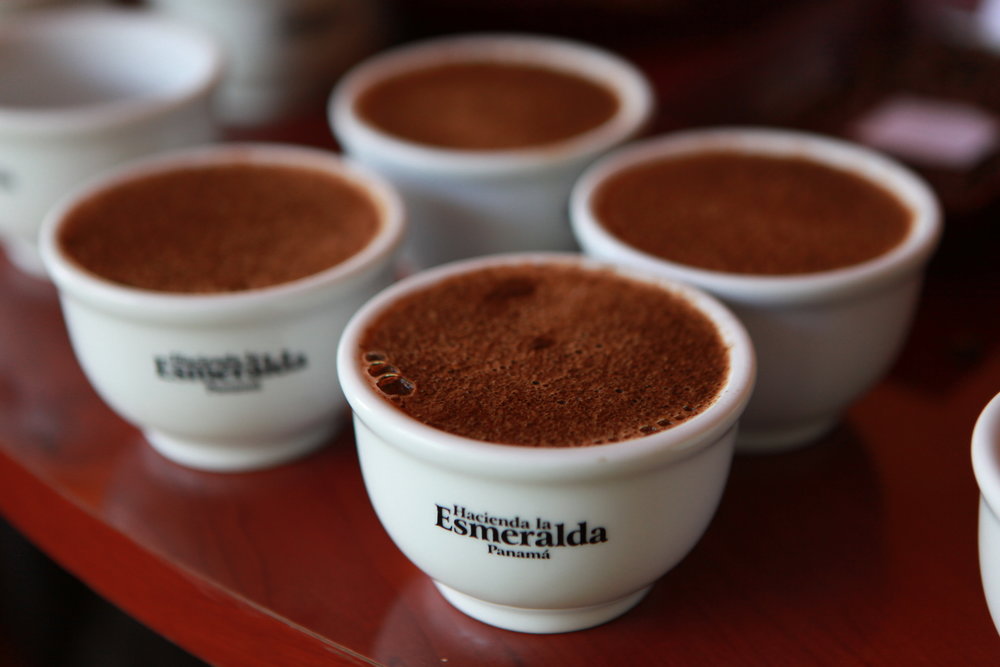
The turning point came in 2004, when Panama’s Hacienda La Esmeralda participated in the Best of Panama (BOP) competition. The Geisha coffee they submitted impressed international judges with its unique layered flavors of “floral, citrus, berry, and honey,” earning a high ranking and becoming the highlight of the event. This competition propelled Geisha from obscurity to stardom in the specialty coffee world.
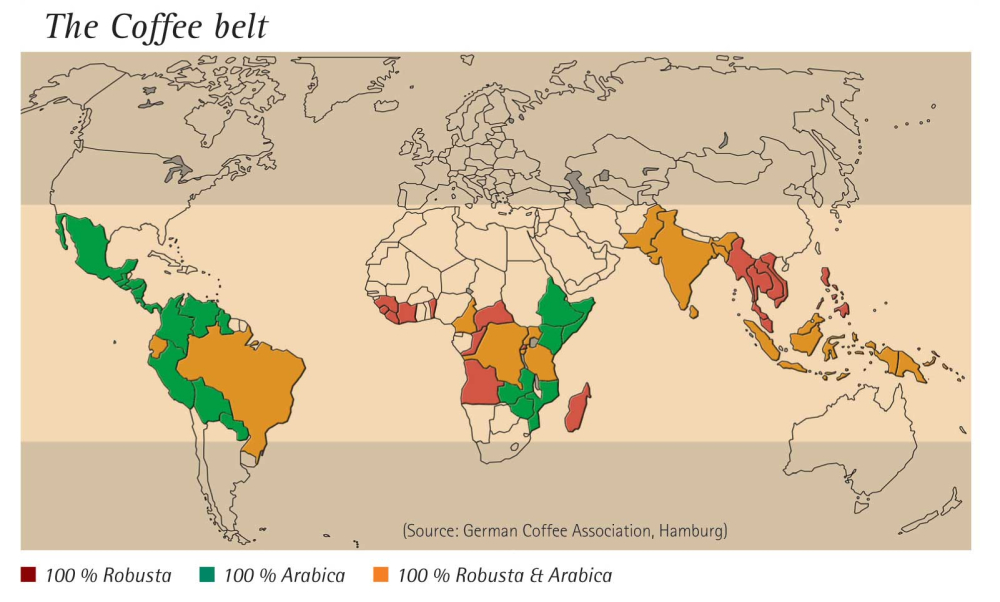
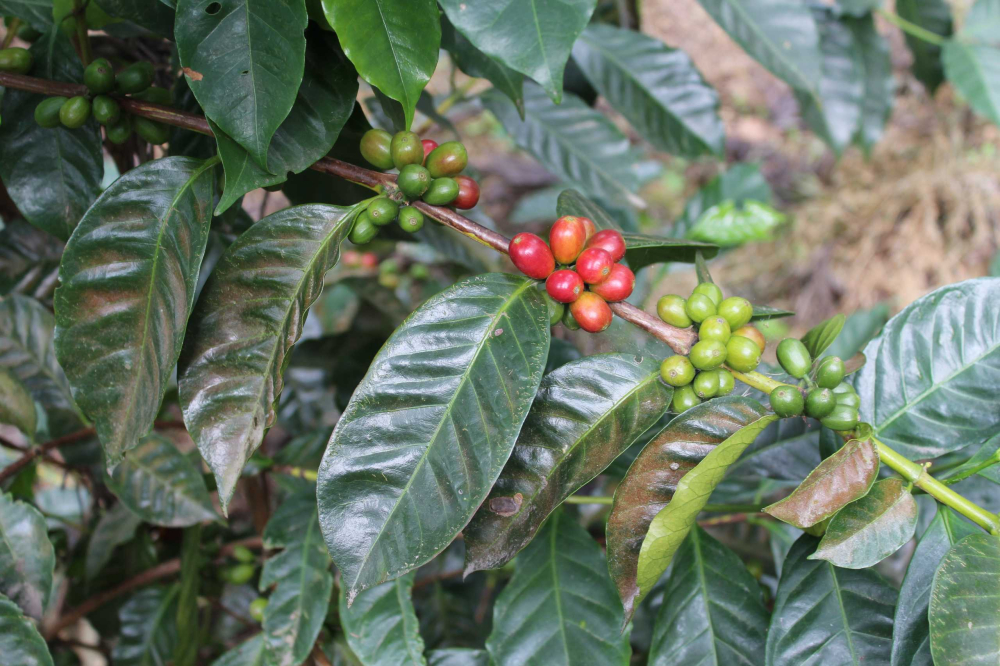
Since then, numerous farms across Panama have begun searching for and cultivating Geisha—not just Hacienda Esmeralda, but also well-known farms such as Guava, Sofia, Elida, and Debora. Even in other producing regions, including Costa Rica, Honduras, Bolivia, El Salvador, and even Yunnan in China, Geisha can be found.
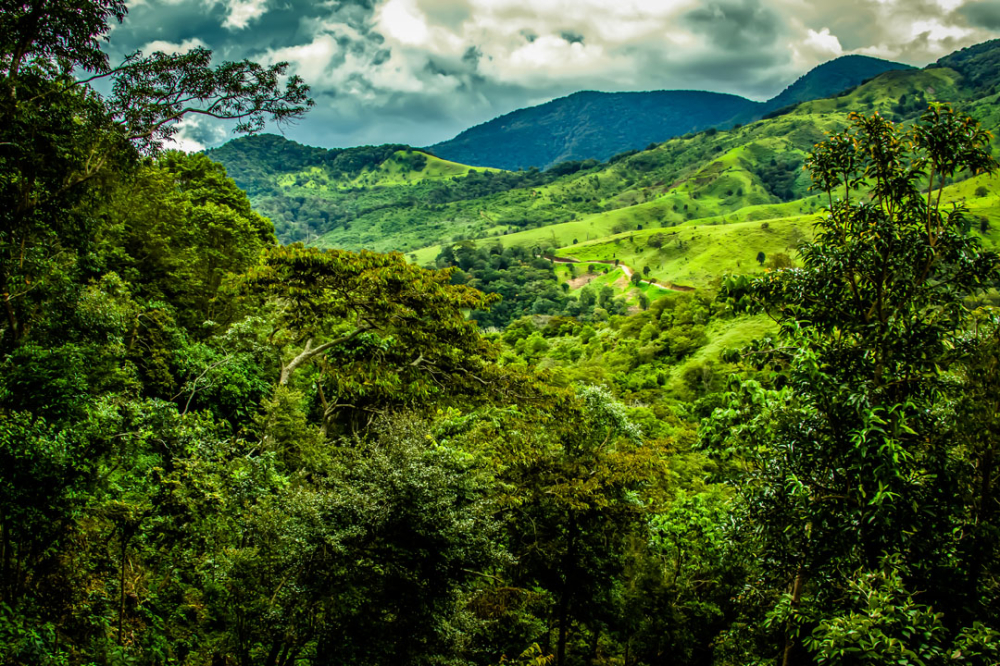
However, even when grown from the same variety, Geisha from different regions exhibits distinctly different flavor profiles. Many coffee enthusiasts find that the floral, berry, and honey notes of Panamanian Geisha are noticeably more pronounced than those of the same variety from other regions. This is largely attributed to Panama’s unique high-altitude environment, fertile volcanic soil, and microclimate variations, which result in a richer flavor complexity and cleaner, brighter taste.
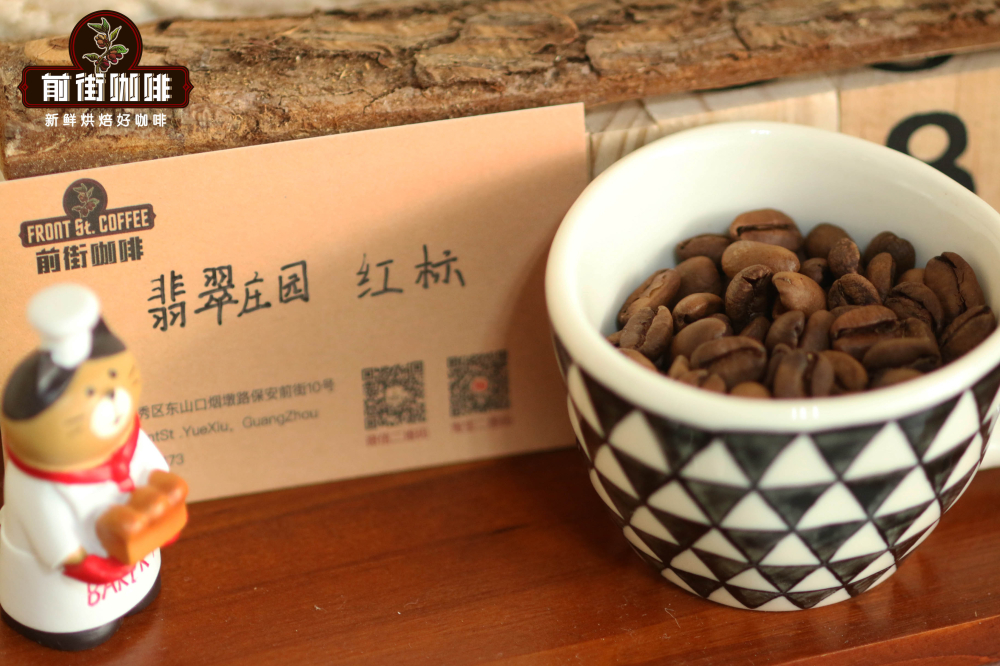
If you wish to experience the classic Panamanian Geisha flavor, start with products from renowned farms. The Red Label Geisha from Hacienda Esmeralda is the go-to choice for both beginners and connoisseurs. This coffee is carefully selected from the Mario lot at altitudes above 1700 meters, with a cupping score requirement of 90 or above, and is processed using the traditional natural (sun-dried) method to fully preserve its fruity aroma and sweetness.
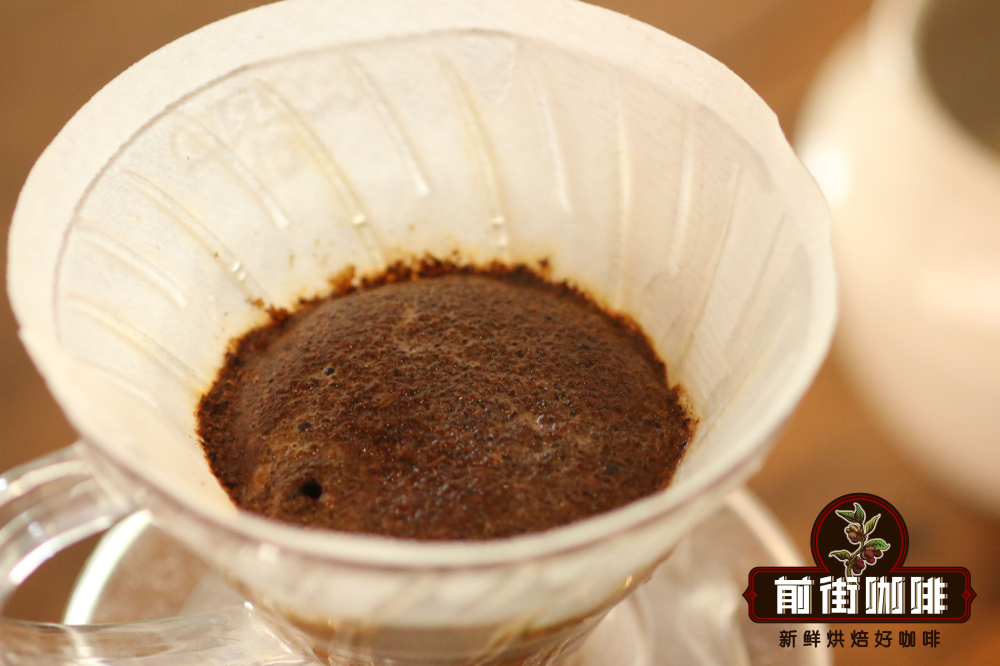
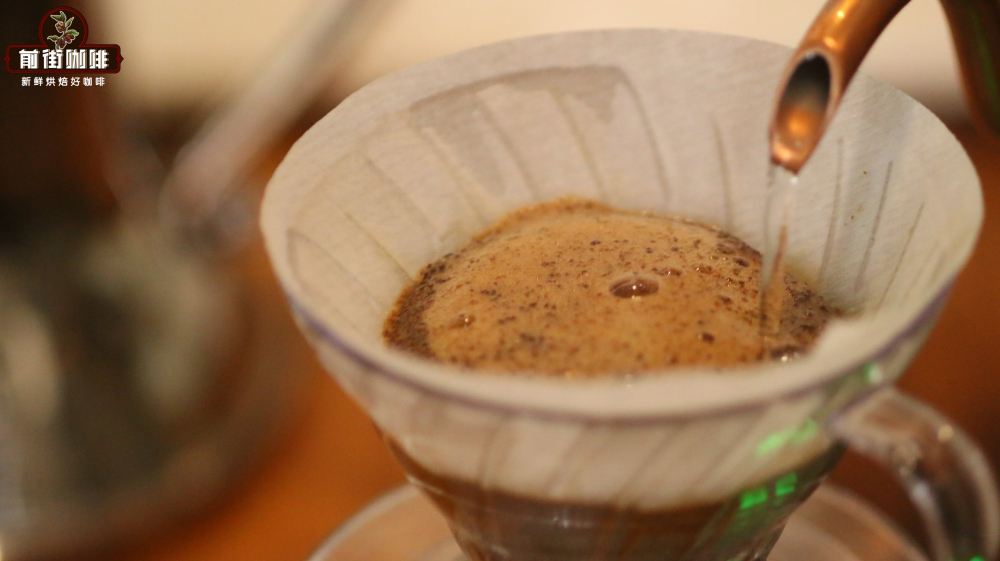
For brewing, it is recommended to use a Hario V60 filter, with water temperature controlled at around 90°C, a coffee-to-water ratio of 1:15, and a grind size roughly equivalent to 80% passing through a Chinese standard No. 20 sieve. A medium-light roast can highlight its floral and fruity aromas. During brewing, it is suggested to use a three-stage pouring method, and be sure to perform a 30-second bloom (pouring about 30 grams of hot water) to release carbon dioxide, enhancing the overall smoothness and layering of the flavor. The total extraction time should be controlled at around 2 minutes, with a total water volume of approximately 225 grams, to fully showcase Geisha’s berry-like juiciness, red floral notes, and lingering honey aftertaste.

The above content is compiled by CoffeeHunters, a coffee news website.

