







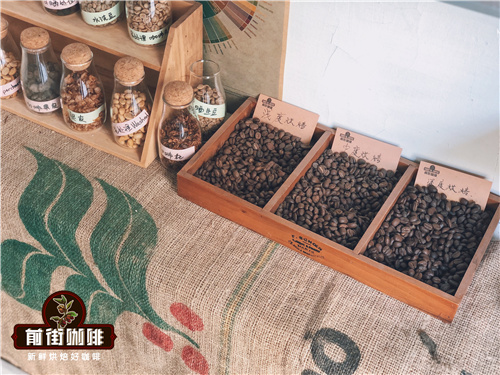
Introduction:Geisha coffee has risen to the ranks of the world’s top specialty coffee varieties thanks to its distinctive floral and fruity notes. From Panama's Hacienda La Esmeralda to Costa Rica's Finca las Brujas, and on to Ethiopia's Gesha Village, each producing region offers uniquely varied flavor profiles. This article delves into the unique characteristics of Geisha coffee from different origins and provides expert pour over parameters to help you find the Geisha that suits your palate best.
The Rise of Geisha CoffeeStems from its extraordinary sensory experience: a juice-like mouthfeel paired with delicate floral aromas makes it a star variety in the specialty coffee scene. Among them, Geisha from Panama's Hacienda La Esmeralda is undoubtedly the most well-known representative, having won numerous international awards for its exceptional quality. However, as the Geisha variety has spread, many regions such as Costa Rica and Ethiopia have also begun cultivating this variety, resulting in a diverse flavor spectrum.
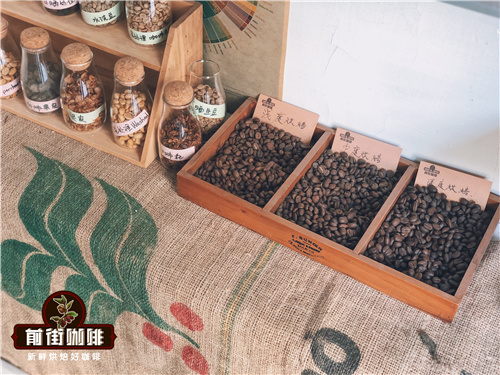
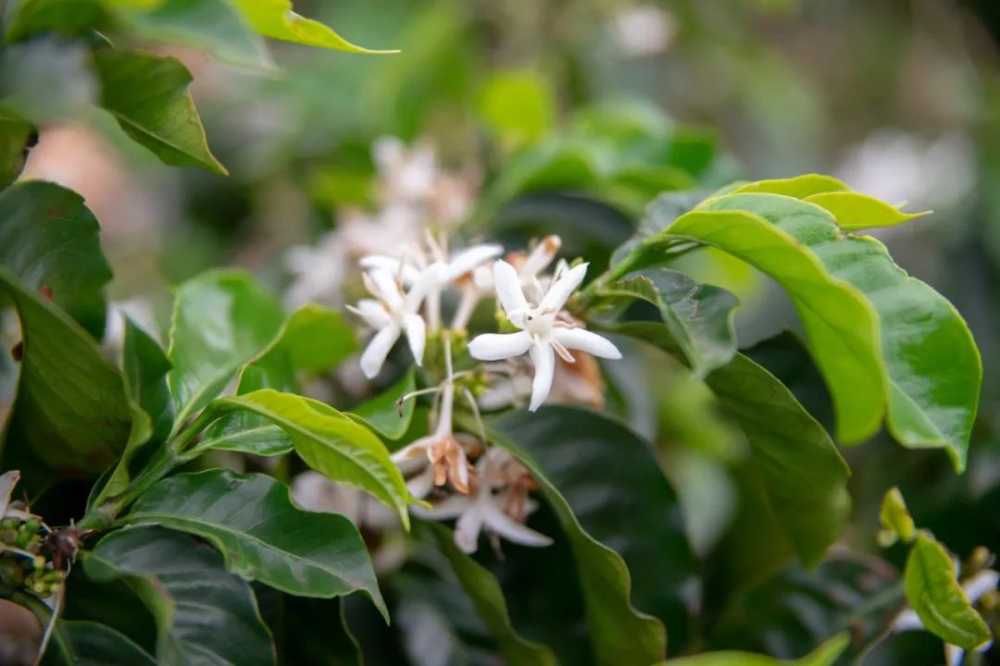
Even within the same Geisha variety,regional environments create significant flavor differences. Ethiopian Geisha originates from the genetic treasure trove of the Gesha Forest, which nurtures numerous wild coffee varieties. The variety then traveled through Kenya, Uganda, and Tanzania before being introduced to Panama by Costa Rica. Notably, factors such as altitude, climate, and processing methods across different origins directly influence the final flavor expression of Geisha.
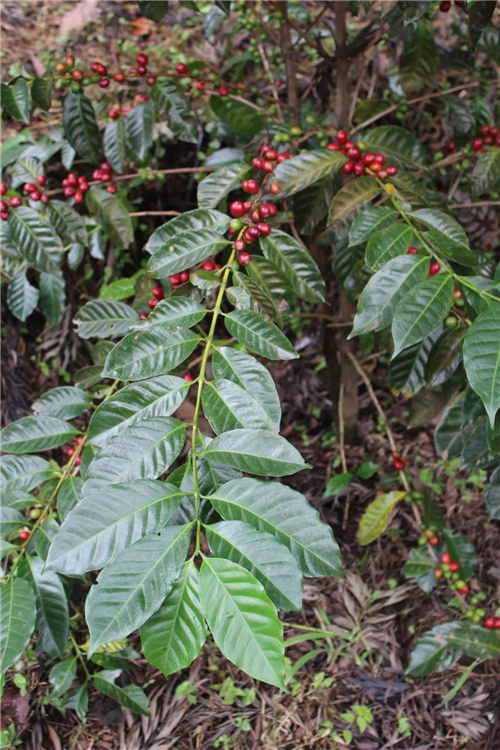
TakeGesha Village in Ethiopiaas an example: its plantations generally sit at elevations of 1900–2000 meters, higher than Panama's Hacienda La Esmeralda at 1600–1800 meters (Red Label/Green Label) and 1400–1500 meters (Blue Label). High-altitude environments are conducive to the accumulation of flavor compounds, resulting in a fuller mouthfeel. Cupping data shows that high-altitude regions (such as Colombia) typically produce coffee with a richer body compared to lower-altitude areas (such as Brazil). Within Gesha Village, a strict grading system is also implemented, including Auction, Gold Label, Red Label, Green Label, and Chaka lots, each with its own distinctive traits.
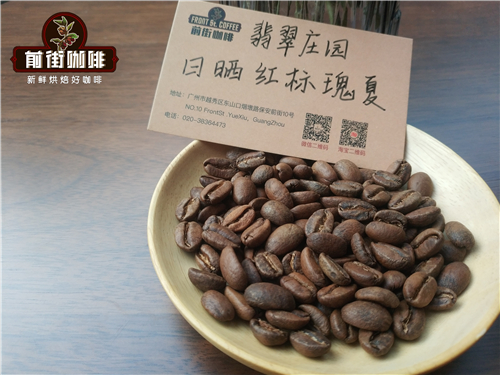
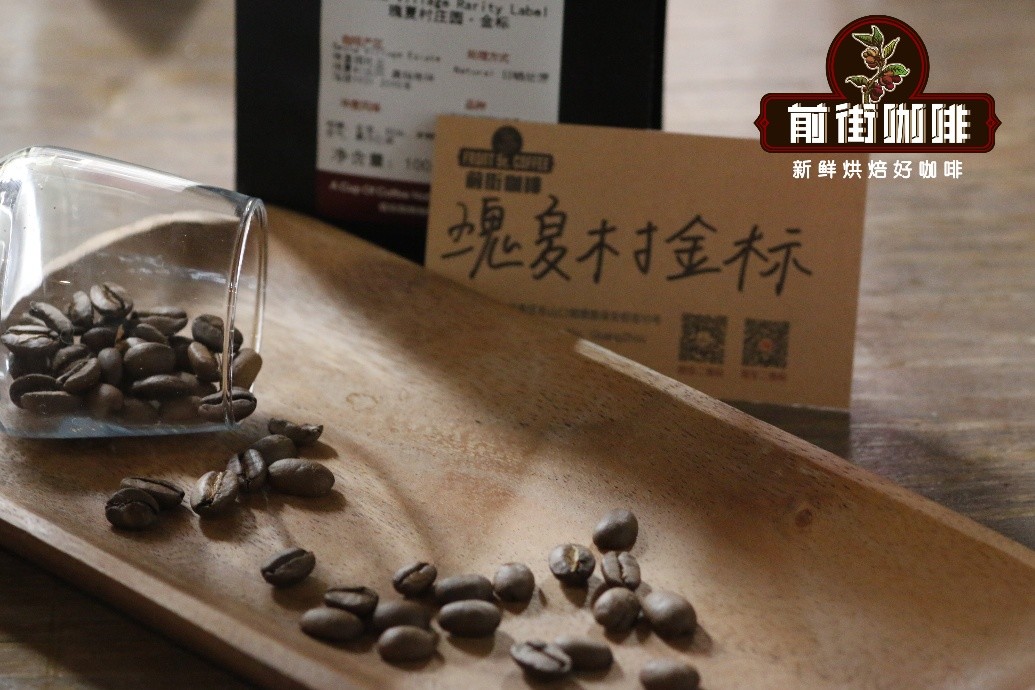
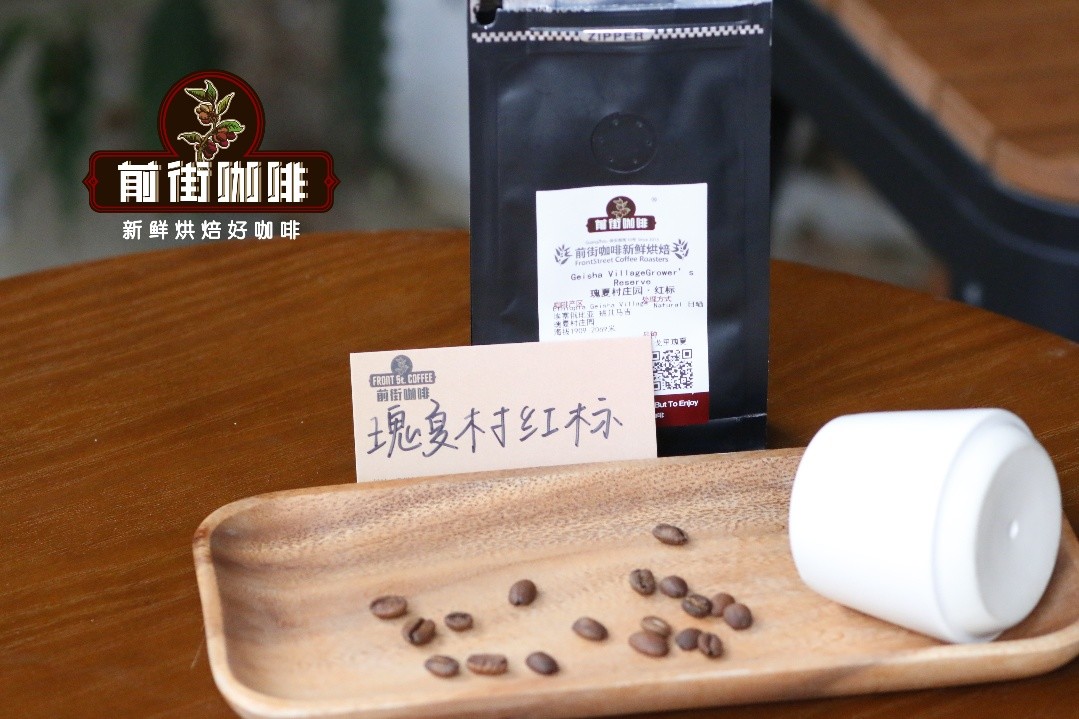
Gesha Village’sRed Label Geishais made from the Gori Geisha variety and processed using the natural (sun-dried) method. When brewed using pour over, it exhibits a mellow fermented aroma and creamy texture, with distinct layers of citrus and tropical fruit flavors. In comparison,Gold Label Geishacomes from the Geisha 1931 variety grown in the Oma block, also using the natural process, but with a cleaner and brighter profile, where tea-like notes and fruity sweetness are particularly prominent. Practical comparisons show that the Gold Label has greater clarity than the Red Label, while the Red Label excels with more intense fermented aromas and sugary fruit sweetness.
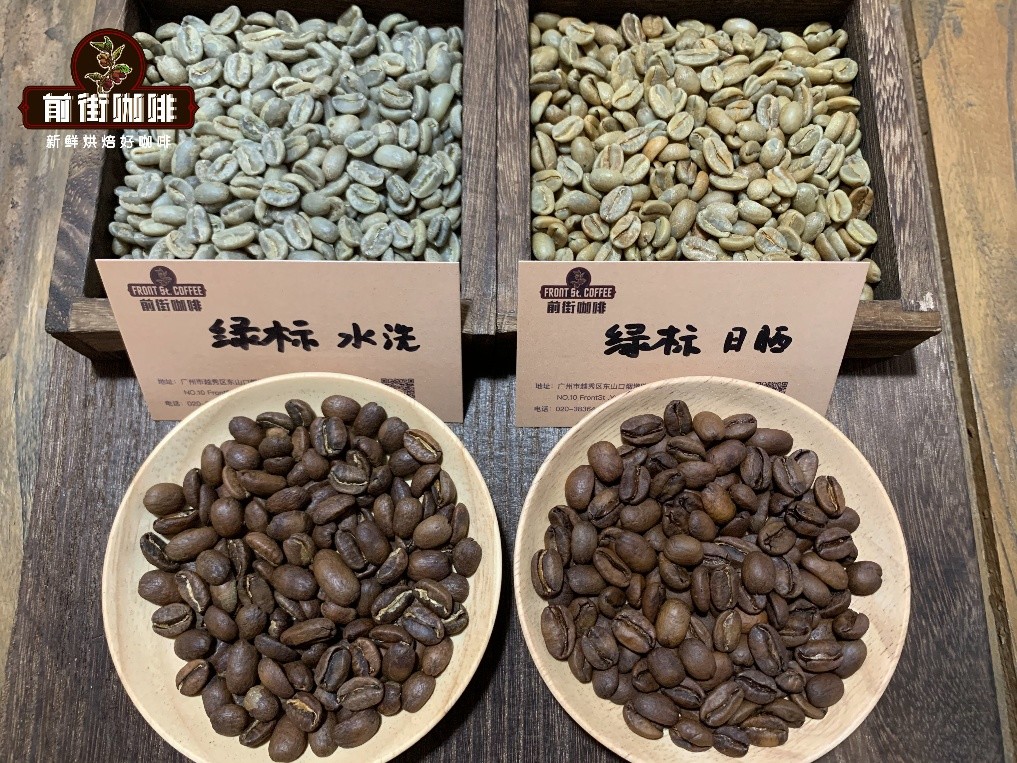
The Chaka Lotis Gesha Village’s blended offering, combining beans from all blocks and seasons across the estate, encompassing three varieties: Geisha 1931, Gori Geisha, and Illubabor. Both its natural and washed processing versions have unique characteristics: the natural version often carries osmanthus floral notes and lemony acidity, transforming into peach and tea tones as it cools; the washed version showcases brighter acidity and a citrus-forward profile. These differences reflect the profound impact of processing methods on the overall flavor profile.
Turning toFinca Las Brujas in Costa Rica, this honey-processed coffee specialist is located in the Tarrazú region, where significant day-night temperature variations help concentrate flavor compounds. Although its Geisha coffee is interplanted among varieties like Caturra and Catuaí, it still maintains a clear foundation of fruity and floral notes, with bright and lively acidity. Compared to Panamanian Geisha, the Las Brujas version places greater emphasis on fruitiness and fresh acidity, showcasing the unique character of Central American origins.
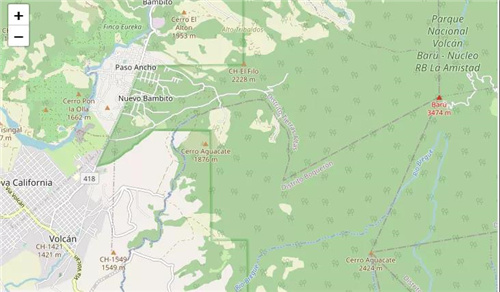
Returning toHacienda La Esmeralda in Panama, its core growing area of Boquete lies near the Barú Volcano. The fertile volcanic soil and microclimate foster the classic Geisha flavor profile: subtle floral aromas paired with fruity notes and a long-lasting finish. Although Green Label Geisha is slightly lower in grade than Red Label, it blends beans from the Jaramillo and Cañas Verdes regions and still retains similar floral-fruit characteristics, making it a good entry-level choice. In practical brewing tests, the Green Label often presents dried passion fruit, jasmine flower, and honey notes in the aftertaste, delivering a complete expression of the Geisha flavor spectrum.
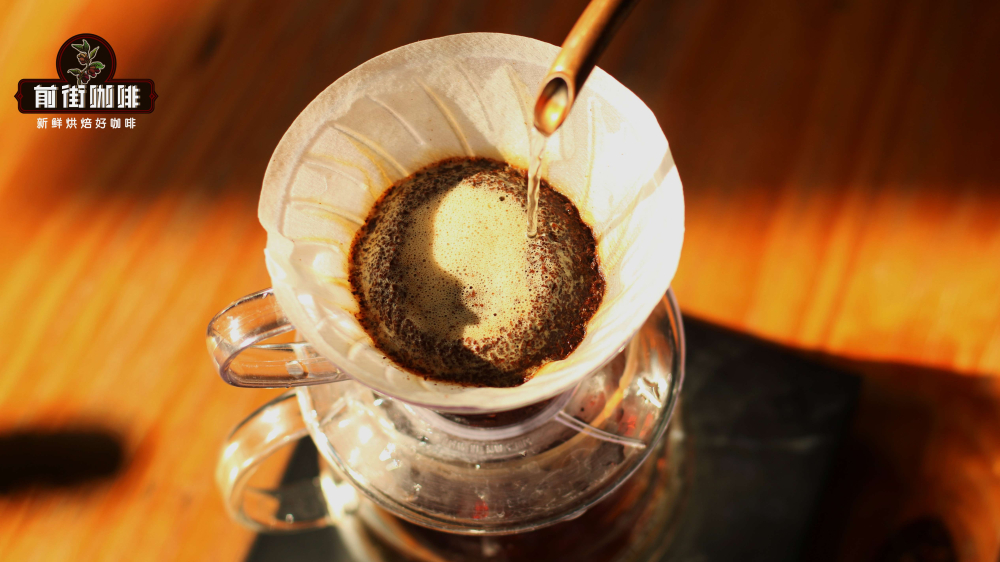
Professional pour over recommendations suggest usinga V60 dripper, with the following parameters: 15 grams of coffee, a 1:15 brew ratio, water temperature of 90–93°C, and a grind size of 80% passing through a #20 sieve. Specific technique: first, bloom with 30 grams of water for 30 seconds; second, pour in a small circular motion up to 125 grams; finally, pour until reaching 225 grams total, with an overall extraction time of about 2 minutes. These parameters balance extraction efficiency and flavor clarity, and are suitable for most Geisha varieties.

The above content is compiled by CoffeeHunters, a coffee news website.

