







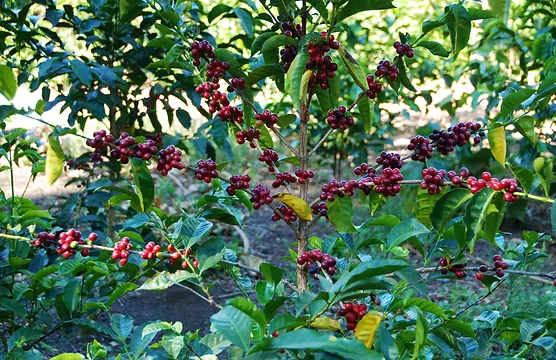
Introduction:Delve into the evolution of Panamanian Geisha coffee from obscurity to top-tier status, with a focus on the unique advantages of the Green Tip Geisha variety. This article analyzes the cultivation conditions of renowned estates such as [a well-known estate] and dissects the evaluation criteria of BOP champion beans, while also providing professional pour over parameters and flavor profiles to help you master the brewing essence of this auction-grade coffee.
Each year when the Best of Panama (BOP) competition unveils its results, a wave of Geisha fever sweeps through the global specialty coffee community. This variety, originating in Ethiopia but reborn in Panama, has become the star of auction events thanks to its distinctive floral and fruity notes. Among them, Green Tip Geisha stands out with its stringent grade selection and high-altitude cultivation, showcasing a level of refined complexity that is hard to replicate in other regions.
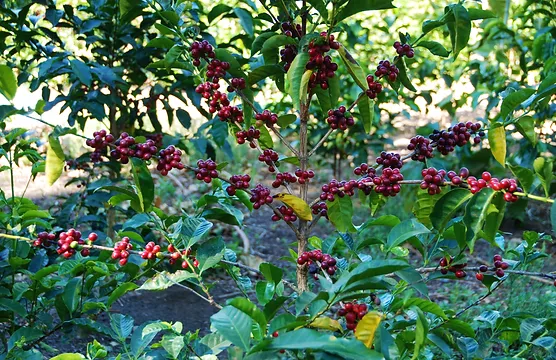
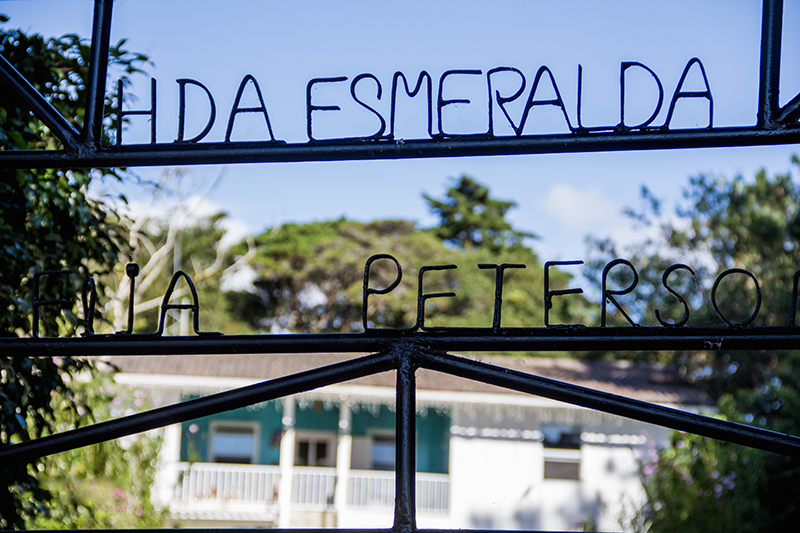
Tracing back to the 1930s, the Geisha variety was first discovered in the Gesha Forest of Ethiopia. After being cultivated by agricultural institutions across multiple countries, it was introduced to Panama in the 1960s for its resistance to leaf rust. However, due to its low yield and fragile plant characteristics, it was mostly planted on the peripheries of farms as windbreaks until 2003, when Hacienda La Esmeralda uncovered its competitive potential and changed the fate of this variety.
As the top-grade bean within the Geisha family, the quality variation of Green Tip Geisha stems from its diverse genetic lineage. Although most Central American-grown Geisha can be traced back to CATIE’s T2722 variety, cross-pollination and seed exchanges between estates are common. As noted by Price Peterson, author of "The Cup of Excellence," Panamanian Geisha differs significantly from the original T2722 in leaf color, disease resistance, and cupping performance, exhibiting a more pronounced citrus tone and honey-like sweetness.
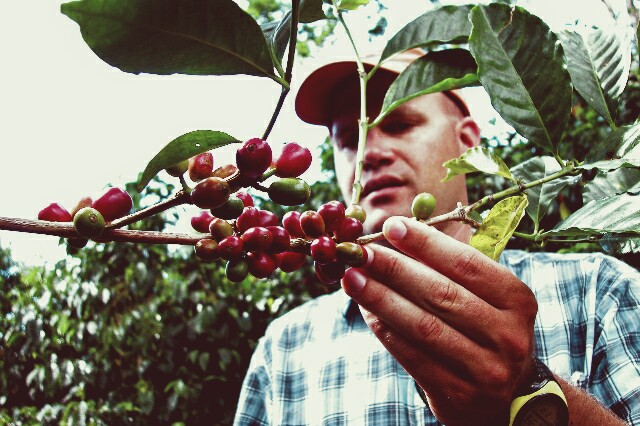
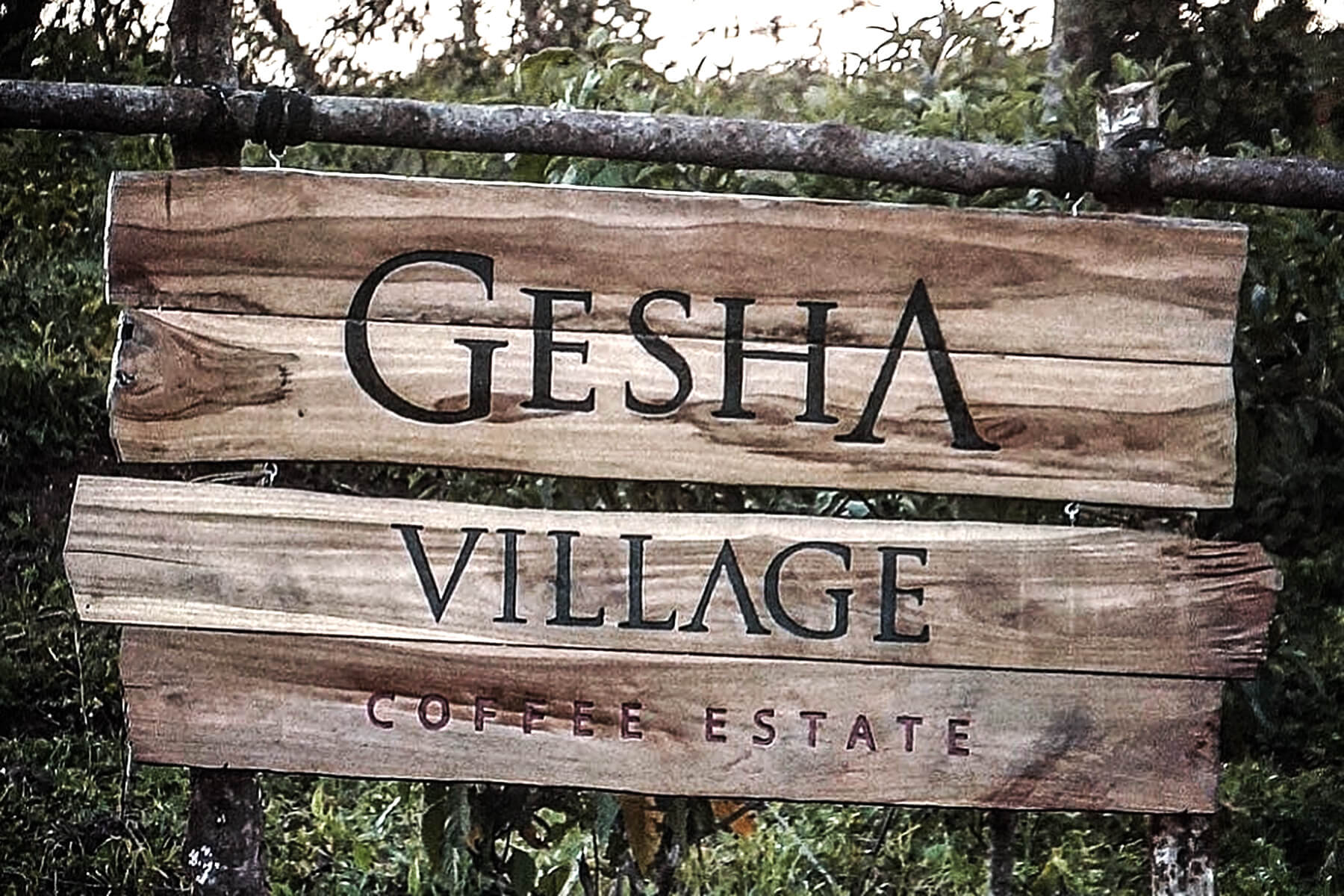
Among the many Geisha farms in Panama, Finca Deborah has recently gained recognition with its Savia series. This series uses high-altitude Geisha grown at elevations of 2000–2350 meters, where fertile volcanic soil combined with the microclimate of Volcán Barú causes the coffee cherries to ripen about a month later, accumulating richer flavor compounds. Its anaerobic natural processing method enhances tropical fruit characteristics, making it particularly suitable for brewers who enjoy bright acidity.
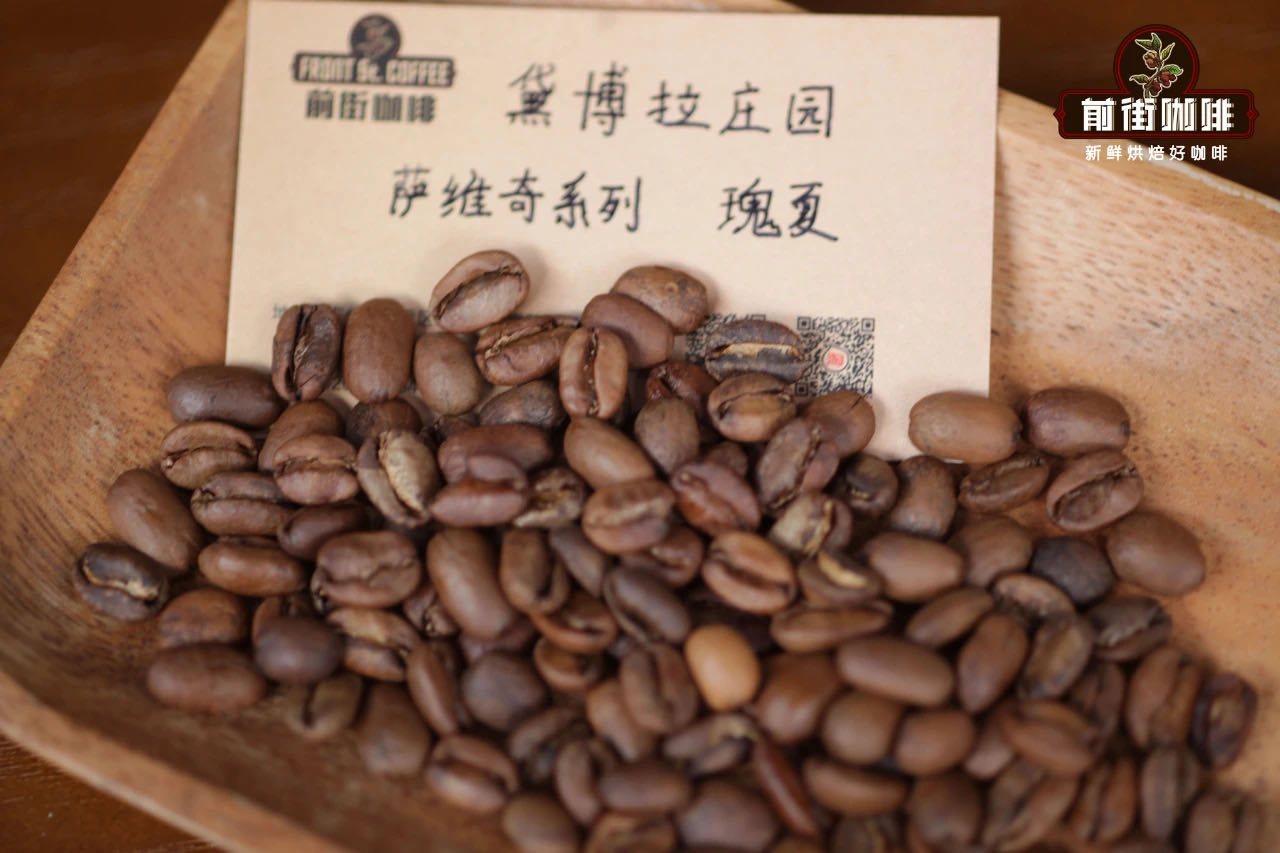
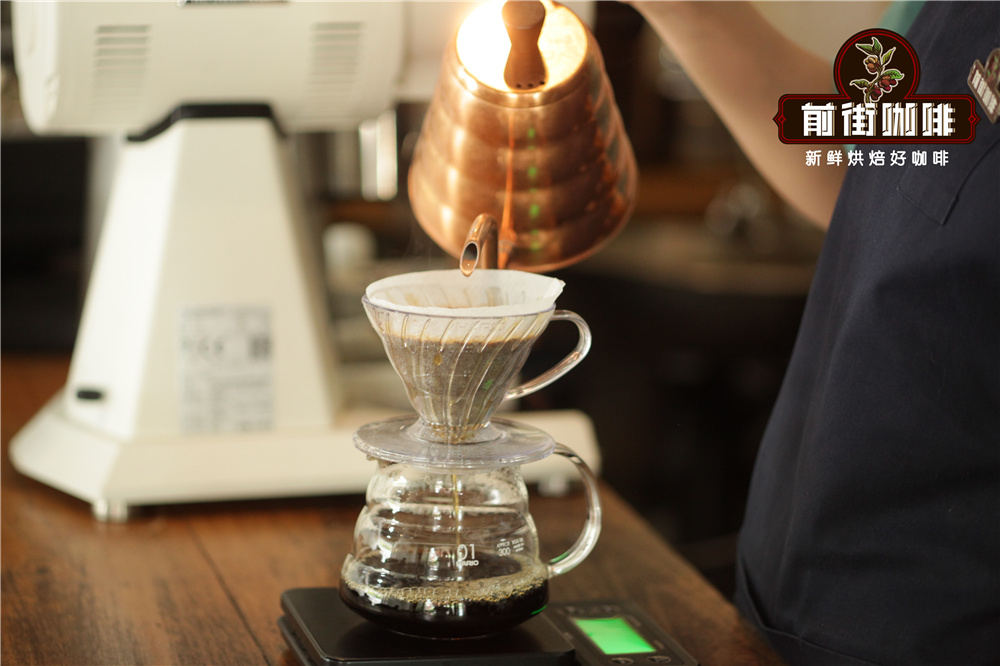
For actual brewing, it is recommended to use a V60 filter cone with medium-fine grind (80% passing through a #20 sieve), a 1:15 coffee-to-water ratio, and a water temperature of 92°C for a three-stage pour. A certain well-known roaster preserves floral and fruity aromas through light roasting, resulting in a brew dominated by white floral notes, accompanied by pineapple-like acidity and sweetness, along with a creamy, beverage-like aftertaste. The overall mouthfeel is refreshing, balanced, and boasts a long-lasting finish.
The above content is compiled by CoffeeHunters, a coffee news website.

