








Introduction:Drip bags combine convenience with the flavor of pour over brewing, making them a daily choice for many coffee enthusiasts. This article delves into the origins of drip bags, the correct brewing methods, and explores the golden ratio of water temperature, volume, and time. It also examines whether drip bags are suitable for adding milk and which flavor profiles pair better with milk, helping you master the essence of drip bag coffee from beginner to advanced level.
The Birth and Evolution of Drip Bags
Drip bags are a brewing method that combines convenience and quality, especially suitable for the fast-paced lifestyle of modern people. As early as the 1990s, the Japanese market attempted to apply the concept of tea bags to coffee, but the initial designs failed to gain market favor due to their inability to stably support the weight of the filter bag and coffee grounds. It wasn’t until 1998, when improvements by Daiki Shoji expanded and reinforced the structure of the drip bag, that the now widely recognized form of drip bags was achieved.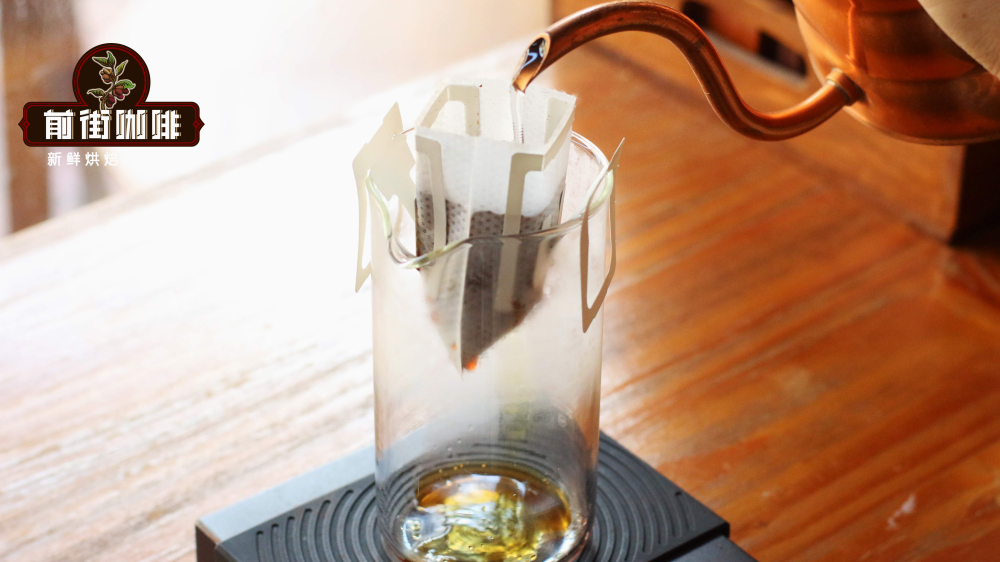
The Brewing Principle and Basic Parameters of Drip Bags
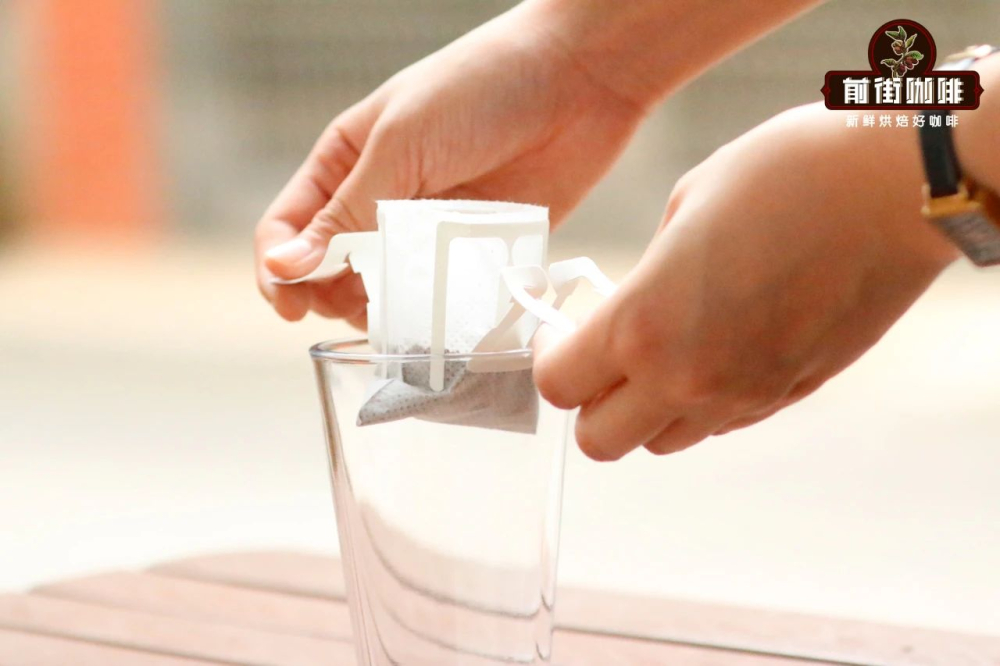
A typical drip bag contains 8 to 10 grams of ground coffee and is recommended to be brewed with 180 to 200 milliliters of hot water for optimal extraction. Generally, the water temperature should be controlled between 85 to 95 degrees Celsius, adjusted according to roast level:Medium roast is recommended at around 90°C, medium-dark roast can be fine-tuned to 85-88°C. If you prefer a stronger flavor, you can slightly increase the water volume to over 200 milliliters, but be mindful not to affect the flavor balance.
The Correct Steps for Brewing Drip Bag Coffee
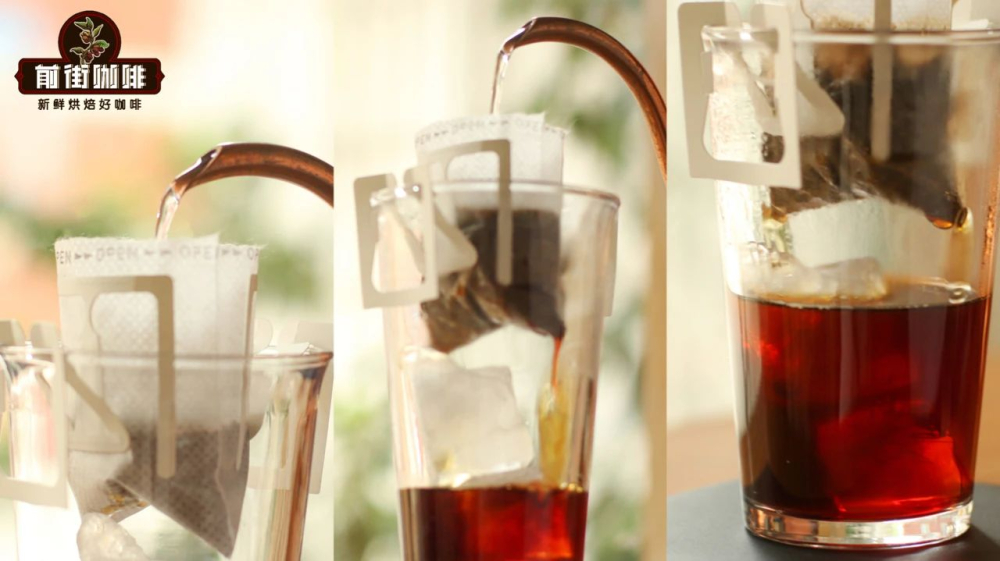
Brewing drip bag coffee is simple, but details determine the flavor. First, carefully open the drip bag along the designated opening on the packaging, spread the coffee grounds inside the filter bag evenly, then open the two side handles and securely hang the bag over the edge of the cup. Next, use freshly boiled water that has been left to sit for about 1 minute (it’s recommended to use purified water to avoid off-flavors), and perform the bloom with a steady and slow stream of water,The bloom time is recommended to be 25 to 30 seconds, which helps to awaken the aroma of the coffee grounds. Continue pouring water evenly until the desired volume is reached—around 180 milliliters—and then remove the filter bag to complete the brew.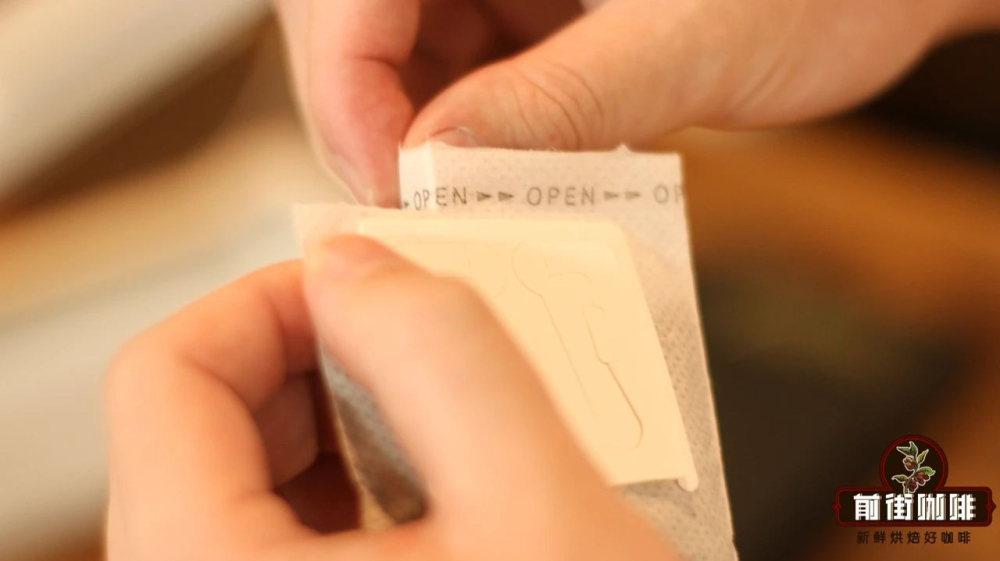
Can You Add Milk to Drip Bag Coffee? Suitable and Unsuitable Flavor Profiles
Whether drip bag coffee is suitable for adding milk mainly depends on personal taste and the original flavor profile of the coffee. Generally speaking,coffees with pronounced fruity notes (such as Yirgacheffe) may have their delicate citrus and floral characteristics masked by milk, resulting in a less harmonious taste; in contrast, medium-dark roasted or naturally chocolatey and nutty coffees (such as Brazilian or Colombian beans) paired with milk can deliver a smooth and rich mouthfeel. Additionally, pouring hot milk directly may cause blockage of the filter bag due to excessive temperature difference, so it is recommended to add hot milk after brewing.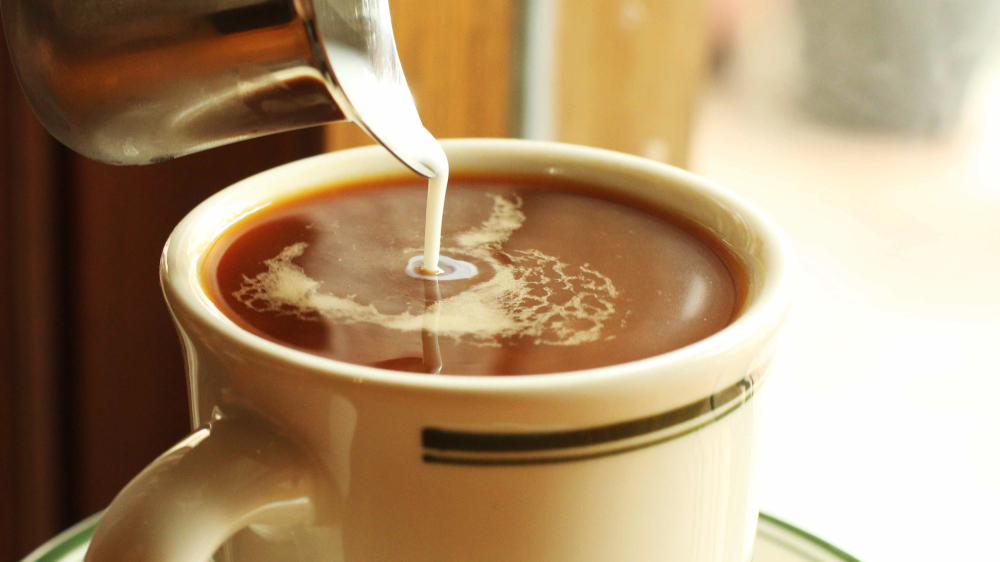
The History of Filter-Bag Coffee: From Tea Bag Inspiration to Mass Appeal
The concept of drip bags was originally inspired by Japanese tea bags, but in early designs, the drip bag structure was not strong enough to stably support the weight of the filter bag and coffee, leading to a poor user experience. It wasn’t until 1998, after technical improvements, that the drip bag design truly balanced convenience with extraction quality, allowing busy urbanites to easily enjoy coffee flavors close to those of pour over brewing.
Flavor Profiles of Specialty Origins and Drip Bag Combinations
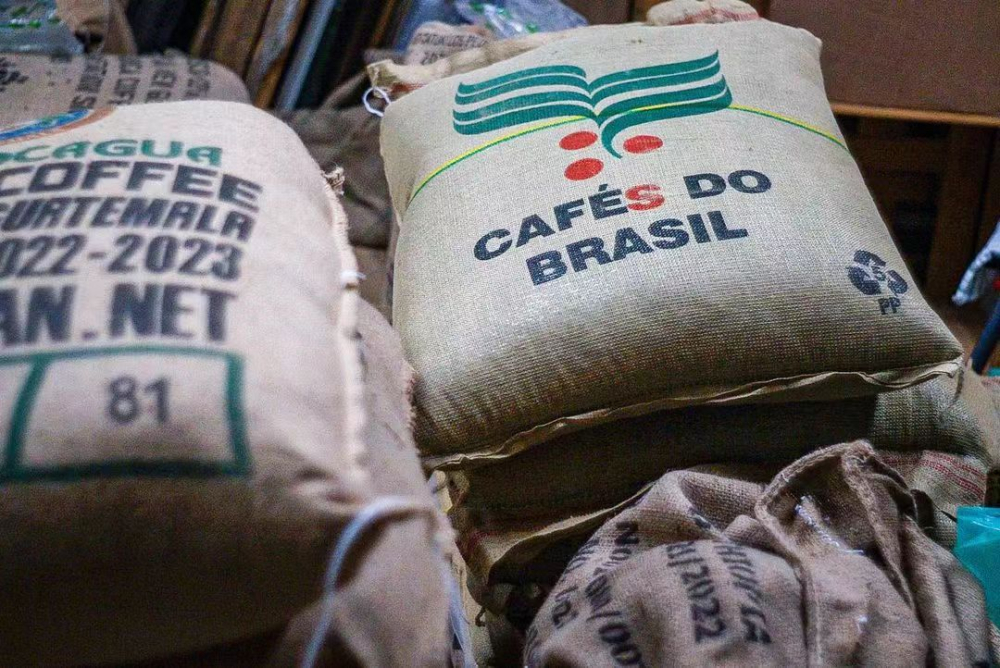
Many specialty coffee brands offer drip bags made with beans from different origins—for example, sun-dried Yirgacheffe exhibits distinct citrus and berry notes, Brazilian red fruit showcases low-acidity, round nutty and chocolate flavors, while Costa Rica Tarrazú often features layers of nuts and toffee. There are also seasonal drip bags with random origin combinations, featuring five different coffee bean flavors, making each brew feel like opening a flavor mystery box with unexpected surprises.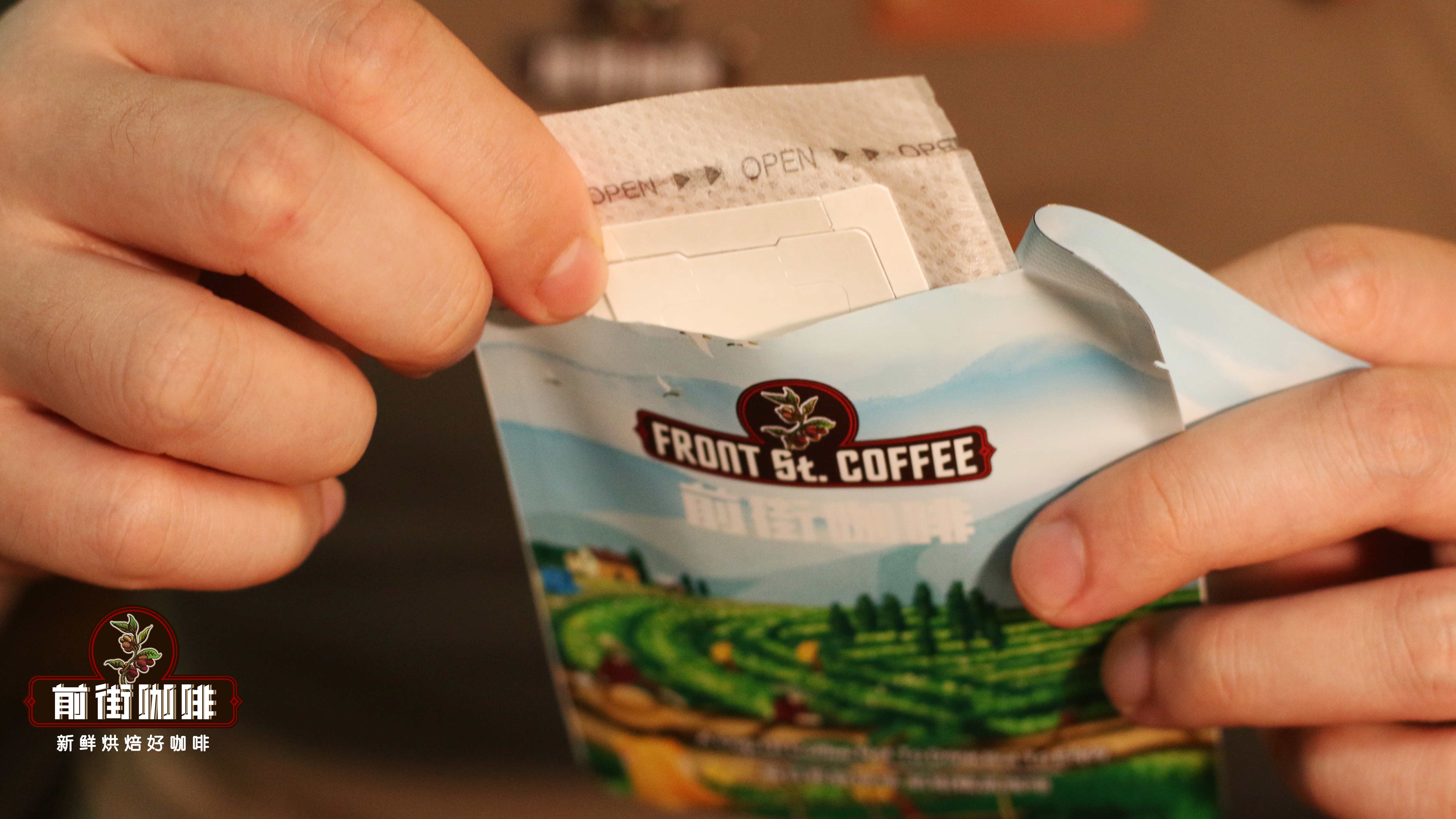
Flavor Expression of Special Processing Methods: A Case Study of Raisin Honey Process
Some specialty drip bag coffees use special processing methods, such as raisin honey process, which retains 100% of the fruit mucilage and dries it in the sun, resulting in intense sweetness and fermentation aromas. This method requires precise control of drying time and environment to ensure balanced flavors without over-fermentation. Drip bags processed in this way often exhibit rich fruit preserve and caramel-like sweet aftertastes.
Conclusion: Finding Your Ideal Drip Bag Flavor
Drip bag coffee is not just a quick brewing option, but also an ideal gateway to exploring the flavors of different origins and processing methods. Whether you prefer bright acidity, rich body, or unique fermentation aromas, understanding the details of water temperature, volume, and brewing time will help you find your perfect cup in drip bag coffee.
The above content is compiled by CoffeeHunters, a coffee news website.


