







Introduction:How to choose between drip bags and instant coffee? This article provides an in-depth comparison of the two in terms of flavor profile, extraction principles, and convenience, helping you understand which coffee option suits you best. It also shares the multi-brew potential of drip bags, flavor identification, and correct brewing techniques, so you can appreciate the layers of coffee.
In recent years, with the rise of the specialty coffee movement, not only have coffee equipment become bestsellers, but the demand for coffee beans has also continued to grow. As people place greater emphasis on coffee quality, drip bags—a choice that combines convenience with flavor—have gradually entered everyday life. Compared to traditional pour over brewing, drip bags retain more of the coffee’s original aroma and layers through a simple operation, allowing coffee lovers with busy schedules to easily enjoy a good cup of coffee.
The variety of coffee options on the market is overwhelming, with beans from different origins, processing methods, and roast levels making it difficult to choose one that suits your taste. Among these, drip bags stand out for their ease of use and more authentic coffee experience compared to instant coffee, becoming the top choice for many. But can drip bags be brewed multiple times? How does their flavor differ from instant coffee? This article will address these questions one by one.
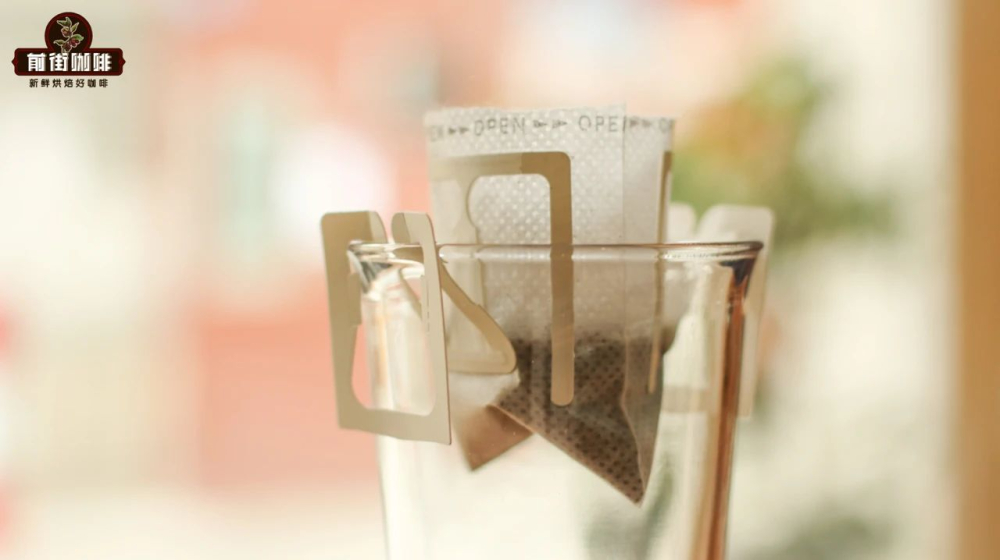
Drip bags originally came from Japan’s UCC Ueshima Coffee, designed to allow users to easily brew a cup of coffee at home that is close in quality to pour over. They combine a filter bag with the principles of pour over, eliminating the need for complicated equipment and requiring only hot water to brew, making them especially suitable for those with fast-paced modern lifestyles. This innovative format quickly gained positive market feedback and has also become a gateway for many beginners entering the world of coffee.
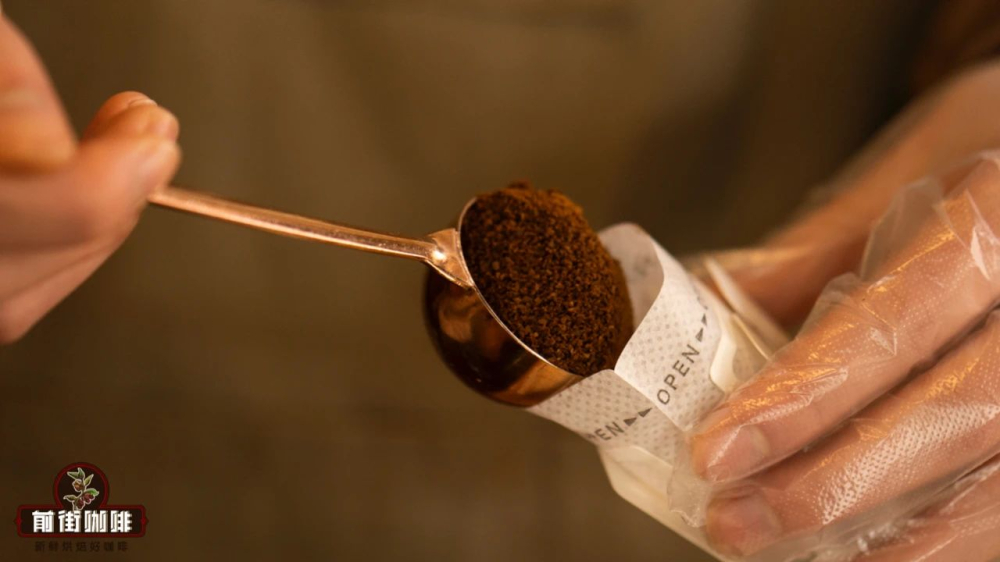
Regarding whether drip bags can be brewed multiple times, the answer is usually no. Generally, coffee beans contain about 3% of flavor substances that can be extracted, most of which are released in the first brew. Attempting multiple infusions not only makes it difficult to extract effective flavors again, but may also lead to the release of excessive bitter and astringent substances due to over-steeping, negatively affecting the overall taste. In addition, even if the coffee is still within its prime, reusing it can cause excessive caffeine release, compromising the optimal balance of acidity and sweetness, as well as aroma expression.
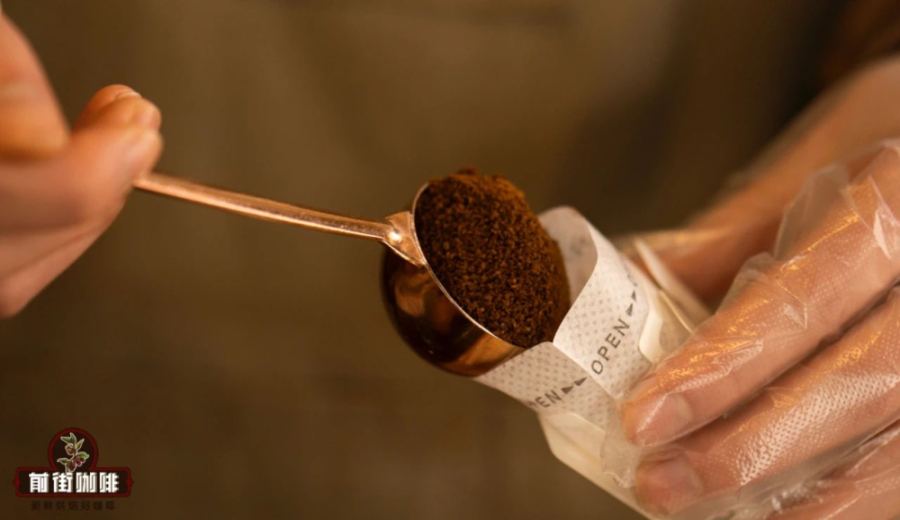
Compared to instant coffee, drip bags are made by grinding freshly roasted beans into powder and extracting via a filter-drip method, delivering a richer representation of the coffee’s intrinsic flavors. Instant coffee, on the other hand, is mostly an artificially reconstituted product derived from the evaporation of brewed coffee liquid, often containing additives such as sugar and creamer, resulting in a single-dimensional taste that tends to leave a noticeable sweet or bitter aftertaste. From the extraction method to the essence of the ingredients, the flavor experiences of the two are vastly different, which also affects the final taste performance.
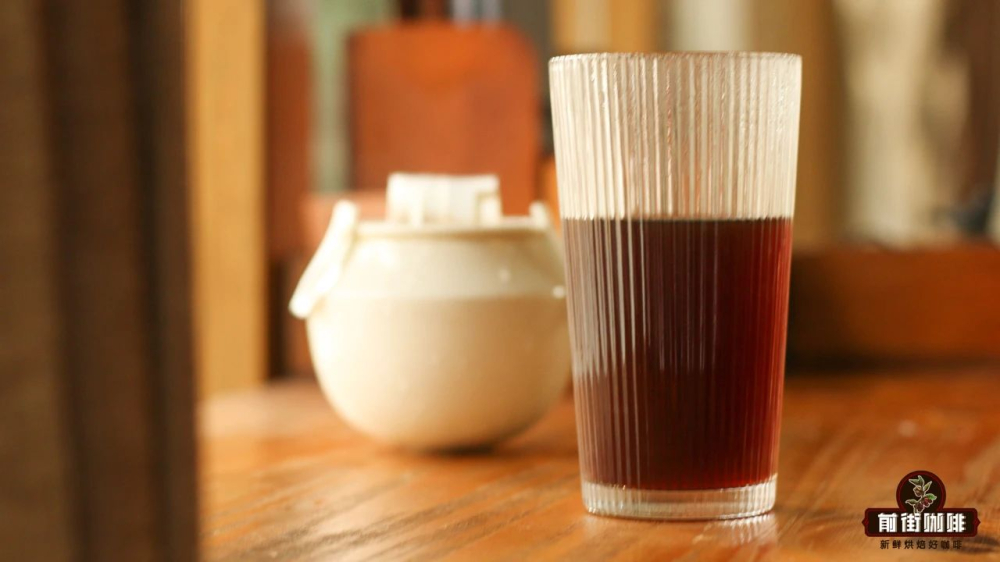
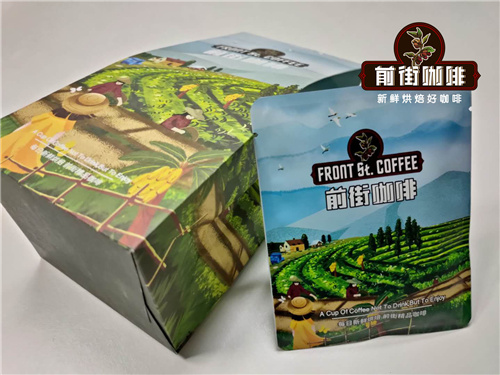
When selecting drip bags, freshness should be your primary consideration. It is recommended to check the roast date on the packaging rather than the expiration date, as coffee flavor naturally deteriorates over time. Additionally, although some products feature a degassing valve to help release gases, excessive air exposure may also accelerate aroma loss and may not necessarily extend the best-before period. It’s advisable to purchase in moderate amounts and avoid stockpiling too much at once, which could affect subsequent drinking experiences.
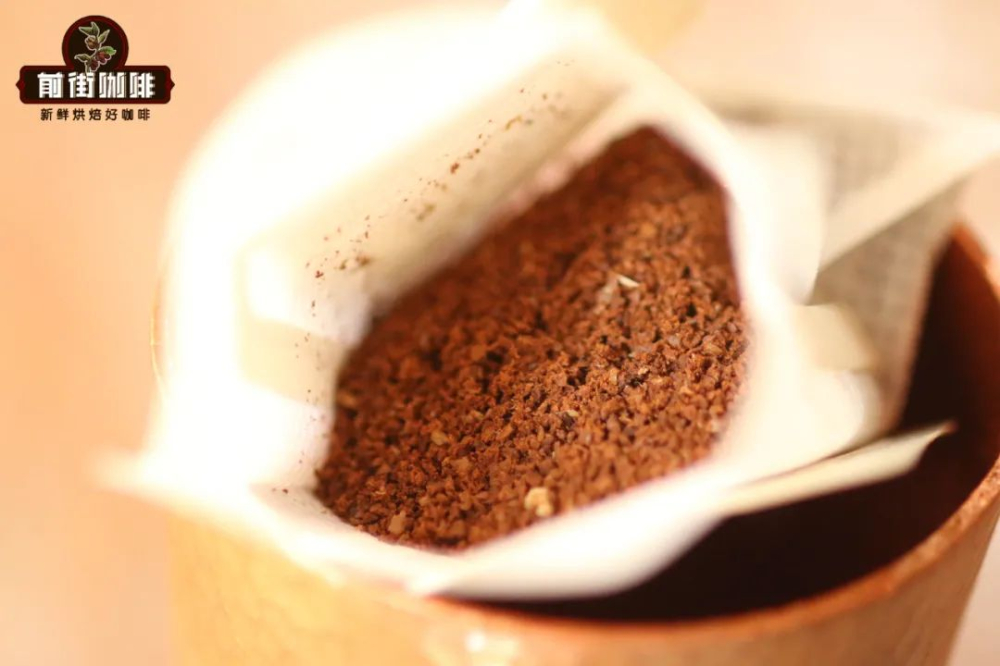
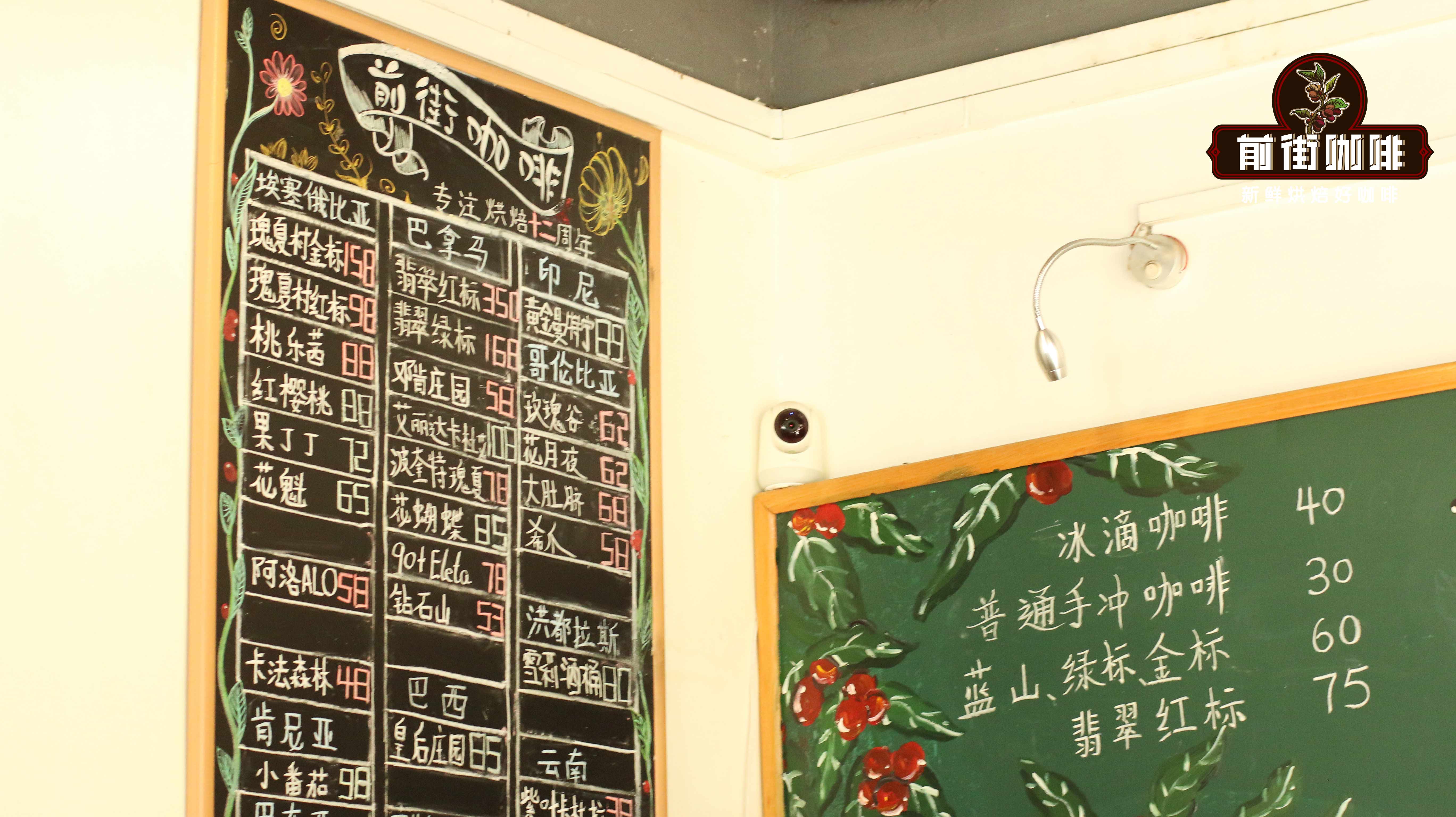
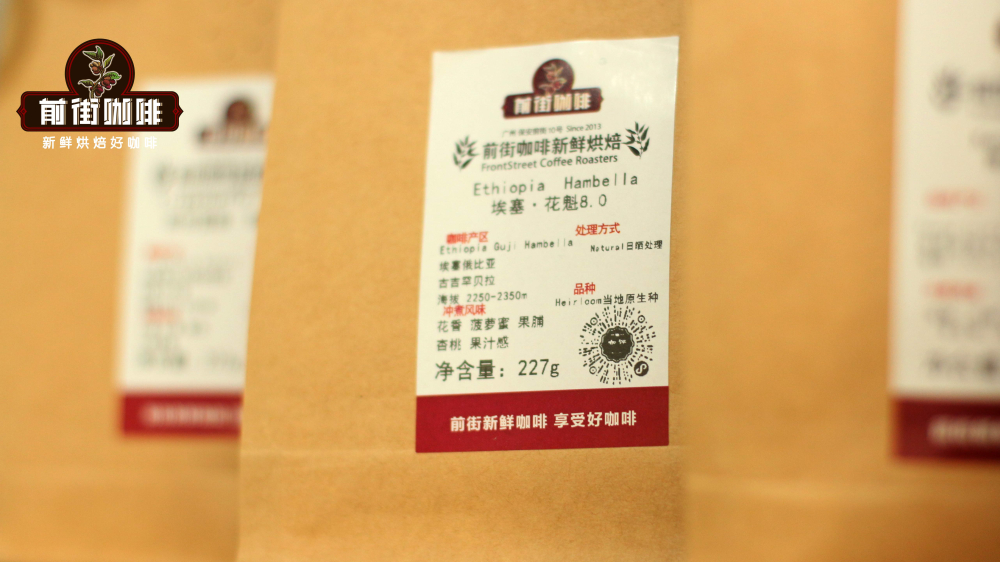
Flavor preference is also a key factor when choosing drip bags. For example, those who enjoy bright acidity might opt for Ethiopian Yirgacheffe, which features prominent lemon and citrus notes; those preferring a rich and bold taste might consider Indonesian Mandheling; and if you’re drawn to floral and fruity aromas, Panama Geisha series are often a top choice. Most drip bags are single-origin beans, and the packaging usually indicates main flavor characteristics such as floral, creamy, caramel, or fruity, which can serve as a reference for selection.
The processing method of coffee also affects its final flavor profile. The natural (sun-dried) method often brings a richer sweetness and fruitiness, as seen in the processing of certain Brazilian estates; the washed method emphasizes a clean and crisp acidity along with jasmine-like floral notes, typical of Ethiopia’s renowned regions; the honey process falls between the two, retaining the mucilage layer to add extra sweetness and body, with Costa Rica’s Musician Series being one representative. Certain special fermentation processes, such as sherry or lychee-lan in Honduras, impart unique fermented wine notes and tropical fruit tones to the coffee, which are also captivating when presented in drip bag form.
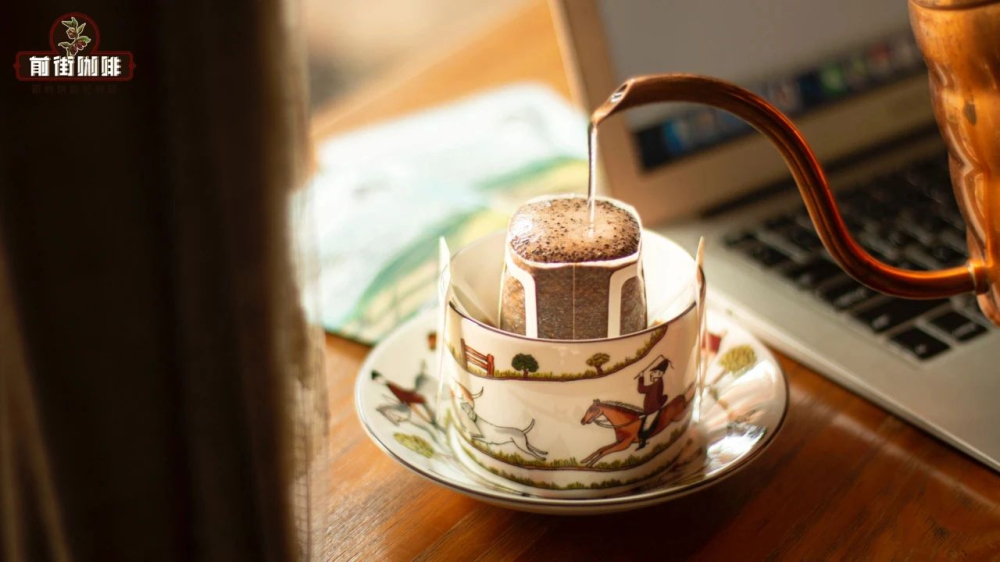
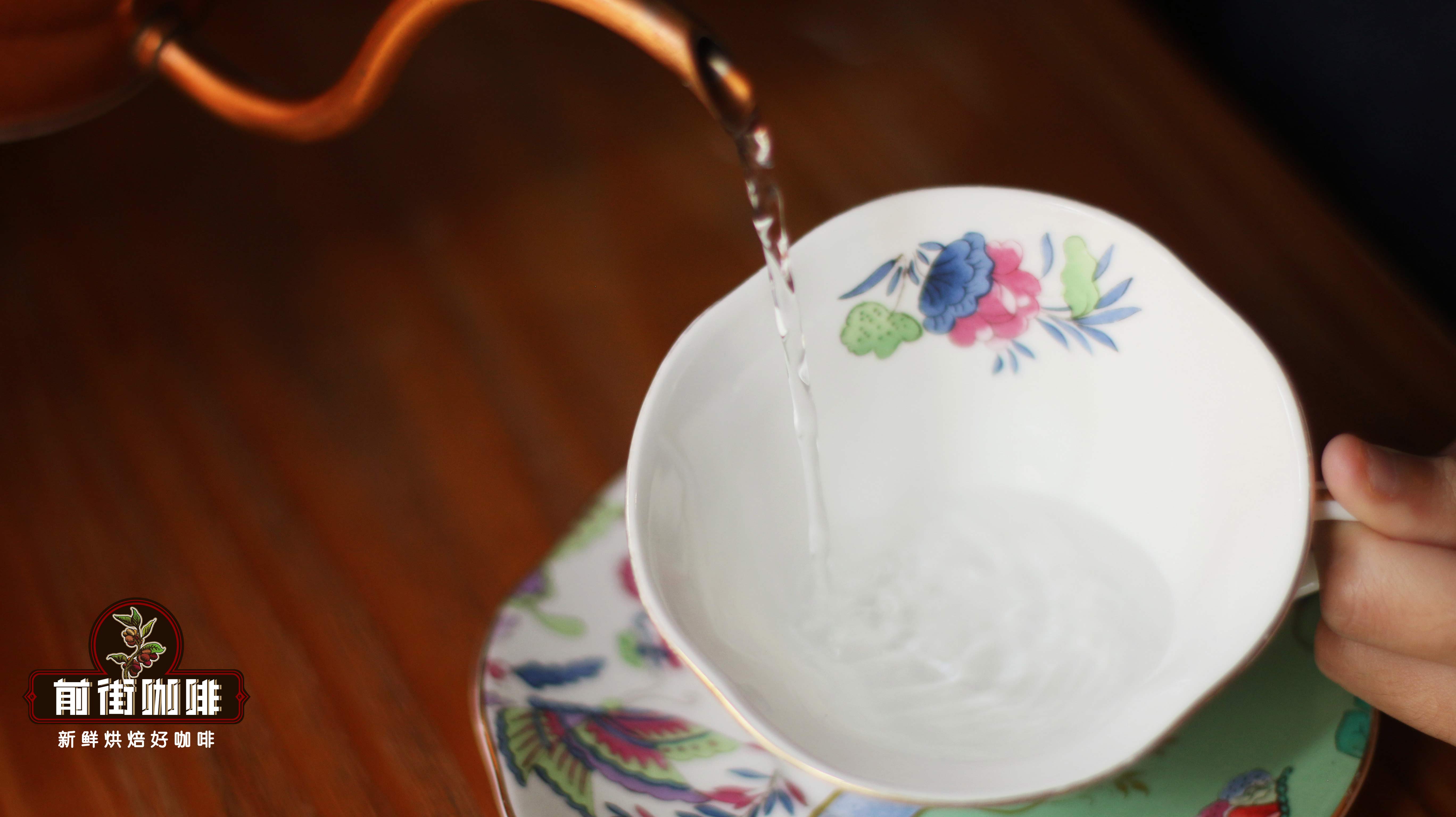
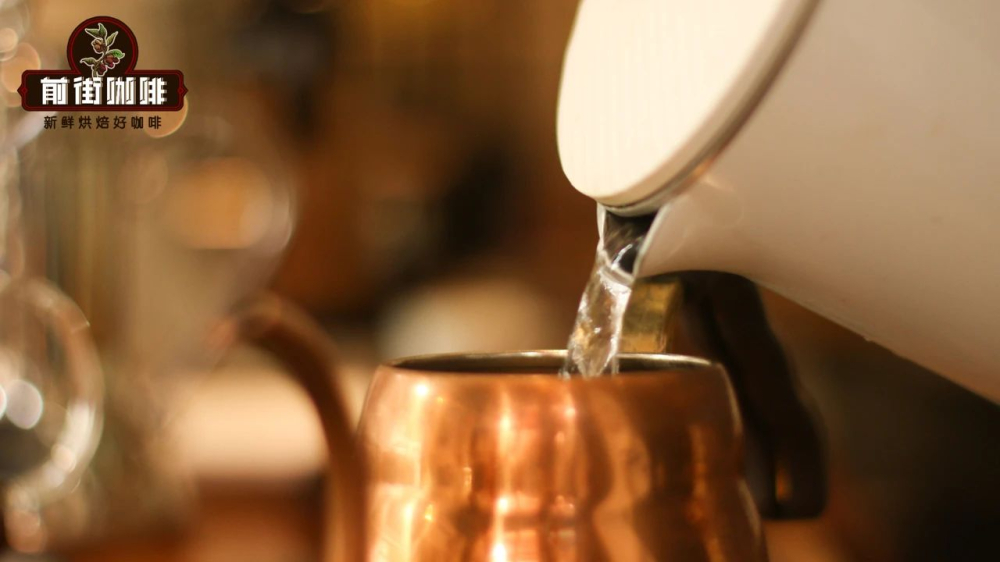
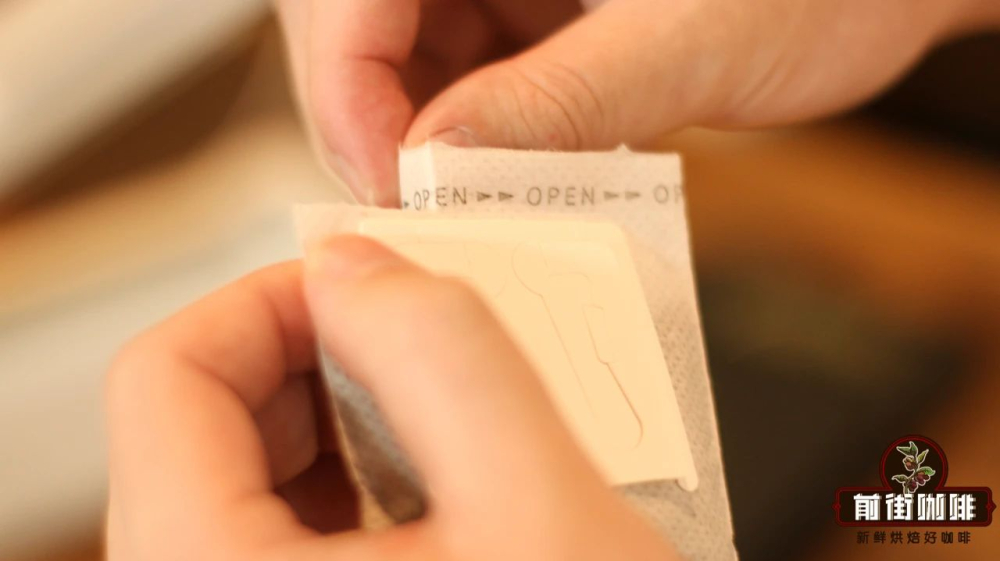
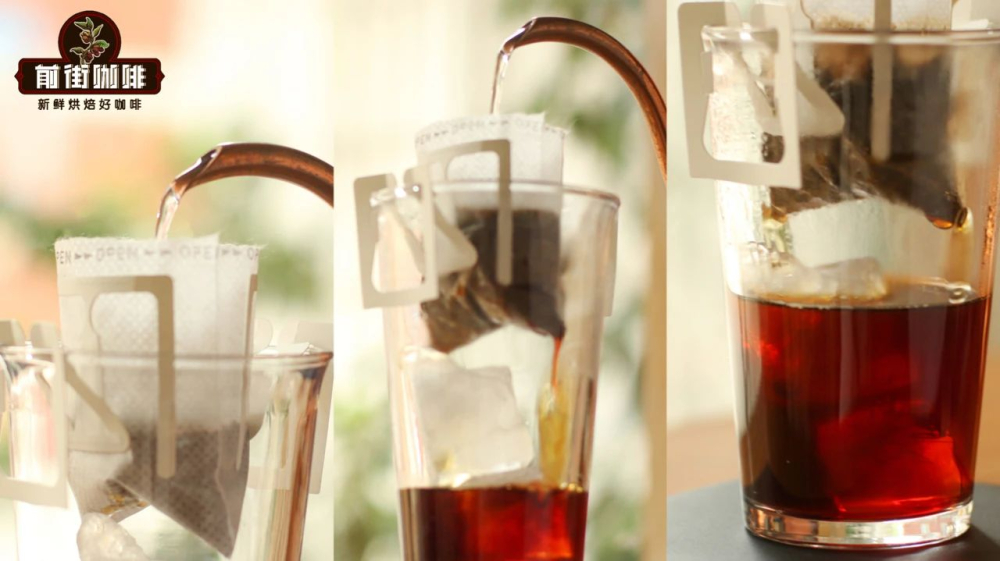
To brew an ideal cup of drip bag coffee, attention should be paid to water temperature, grind size, and brewing technique. It is recommended to use a medium-fine grind, which balances extraction efficiency and smooth mouthfeel. For water temperature, light roasts suit 90–92°C, while dark roasts are better at 88°C, helping to bring out the layered characteristics of different flavors. The brewing steps include preheating the cup, pre-wetting the coffee grounds moderately to allow full expansion, and controlling the pouring speed and total volume—generally, a total brew volume of about 150–180cc is advised. During the process, ensure smooth water flow and proper timing to enjoy a rich and well-layered drip bag coffee.
The above content is compiled by CoffeeHunters, a coffee news website.


