







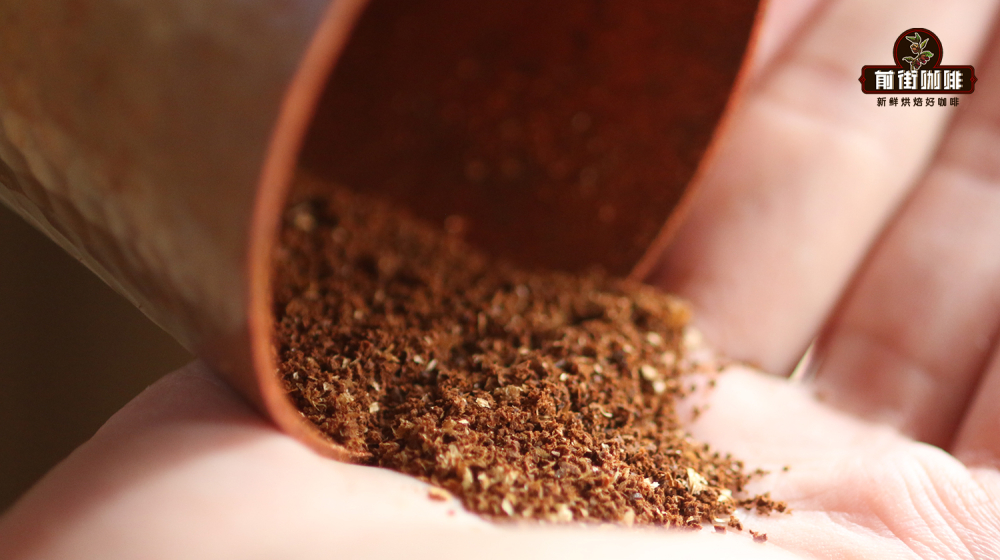
Introduction:Cold brew coffee, with its smooth, mellow taste and low acidity, has become the go-to choice for many coffee lovers during the summer. This article delves into the extraction principles of cold brew, explaining why it tends to have less acidity and off-flavors, and provides detailed steps and key parameters for making it at home. It also explores the ideal shelf life of cold brew, helping you enjoy it at peak flavor while avoiding waste or compromised taste.
When you taste a hot cup of coffee alongside an iced one, the difference in mouthfeel is often quite noticeable. This disparity mainly stems from the varying water temperatures used during extraction. Cold brew uses room-temperature water rather than hot water. The process involves mixing coffee grounds with cold water evenly, then letting it steep in the refrigerator—entirely at a low temperature. Because the cold inhibits the release of acidic and bitter compounds in the coffee, cold brew ends up smoother, significantly less acidic, and more balanced in overall flavor.
So, how can you make a satisfying cup of cold brew coffee at home? Here’s a simple and practical brewing method that even beginners can easily follow.
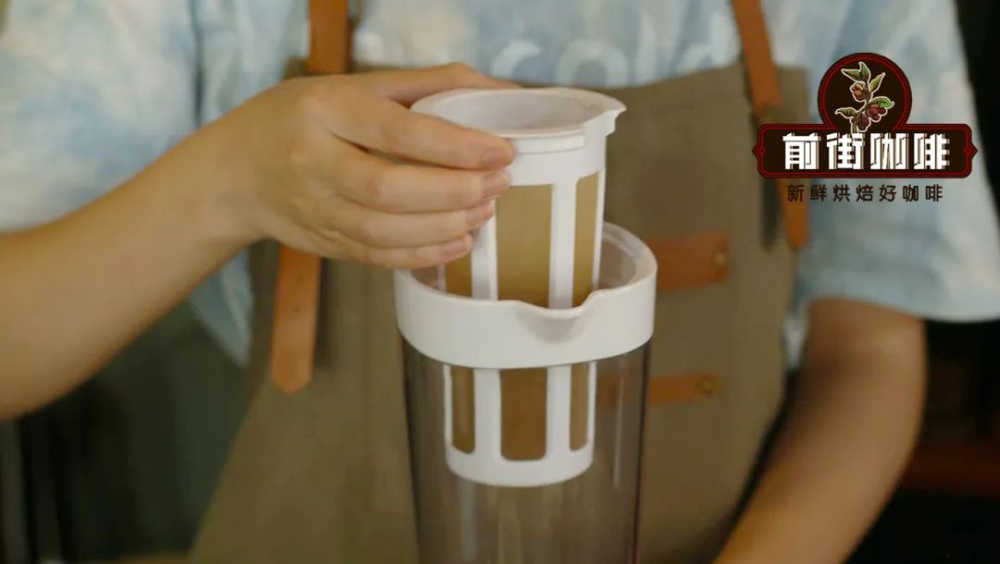
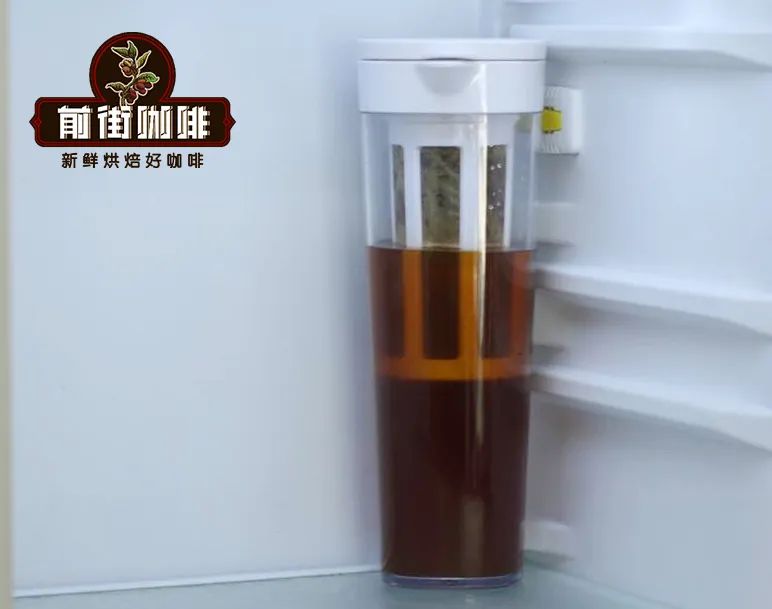
First, you’ll need a suitable cold brew container. If you don’t have a dedicated cold brew bottle, you can also use a clean large container or cup—as long as it can be sealed. It’s recommended to cover it with plastic wrap to prevent odors from seeping in.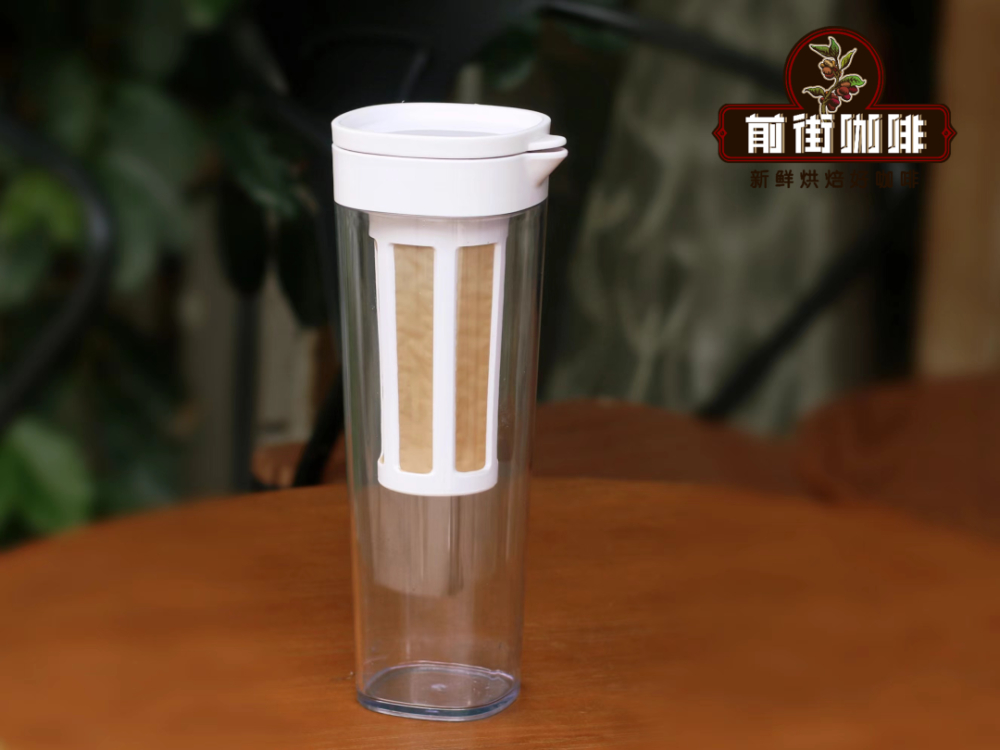
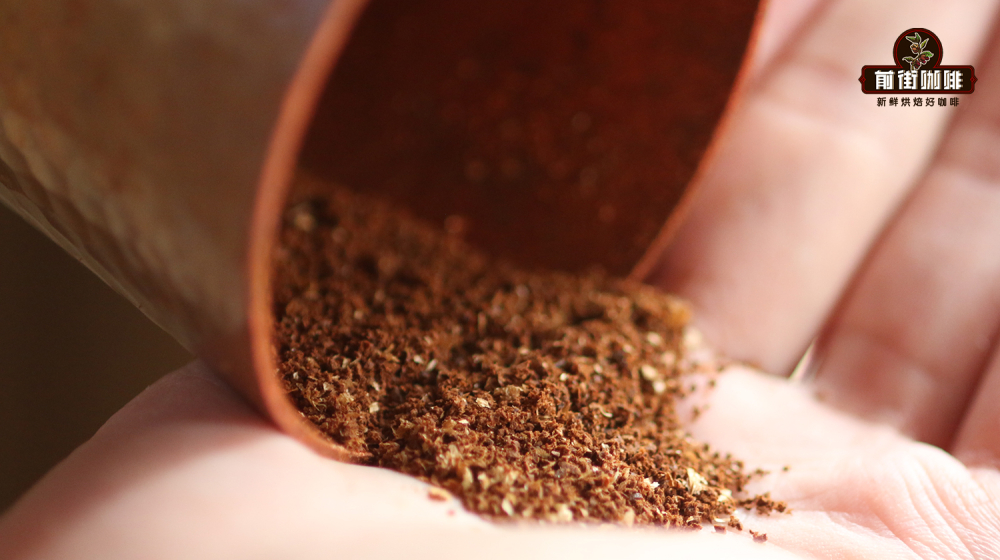
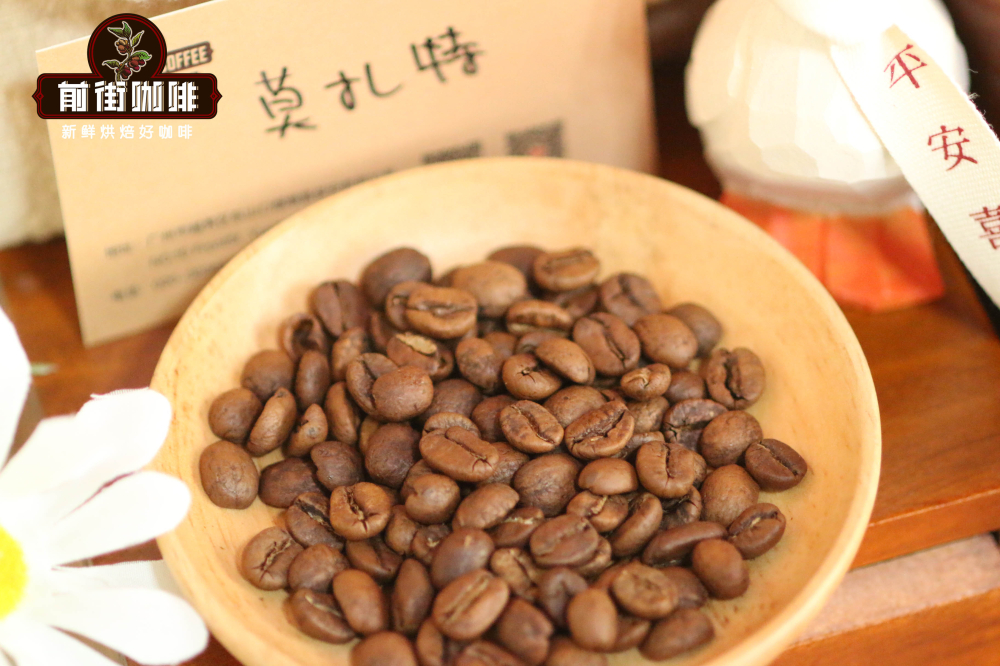
Next, choose your favorite coffee beans and grind them. Here, it’s advised to use a medium-to-coarse grind, similar in size to fine sugar, roughly corresponding to an 82–85% extraction rate through a No. 20 sieve. If you’re using an EK43s grinder, adjust to setting 9; if you’re using a hand grinder like the C40, set it to around 22. This grind size helps achieve sufficient extraction without making the coffee overly bitter. Feel free to adjust based on your specific grinder.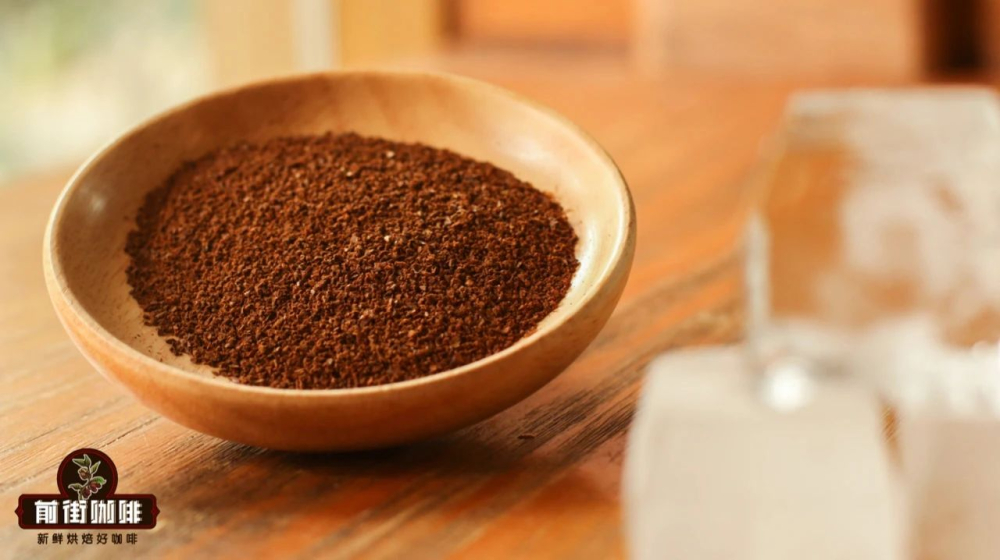
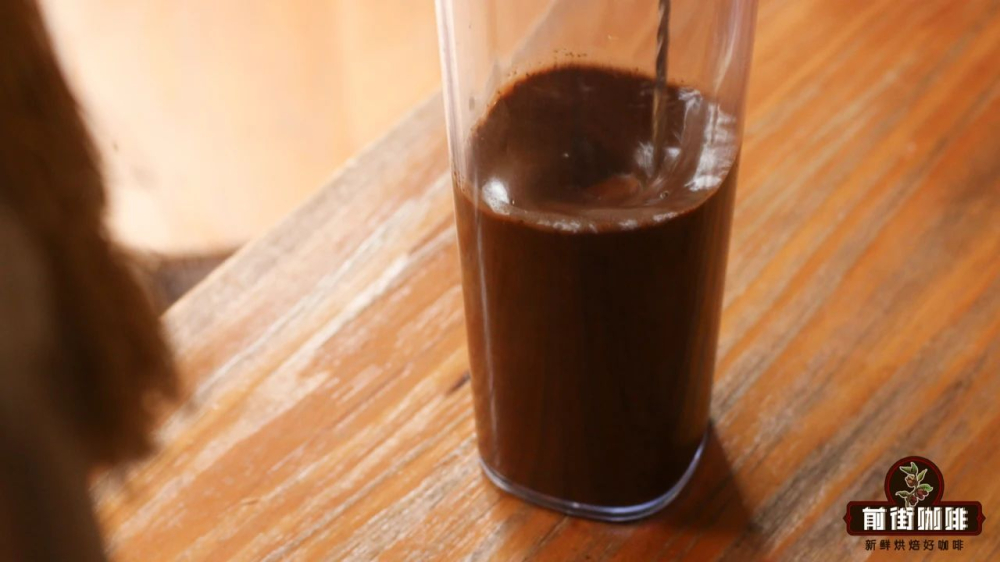
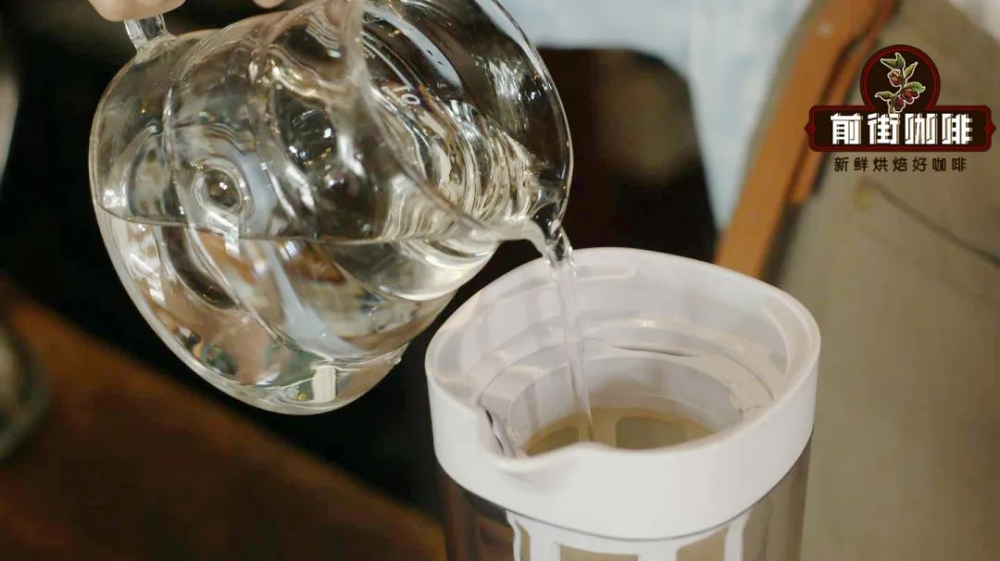
Place about 50 grams of coffee grounds into the filter basket of your cold brew bottle, then slowly pour in 600 milliliters of room-temperature drinking water. This ratio is approximately 1:12, which suits most palates. Of course, you can adjust the strength according to your preference—just make sure the water level fully submerges the coffee grounds.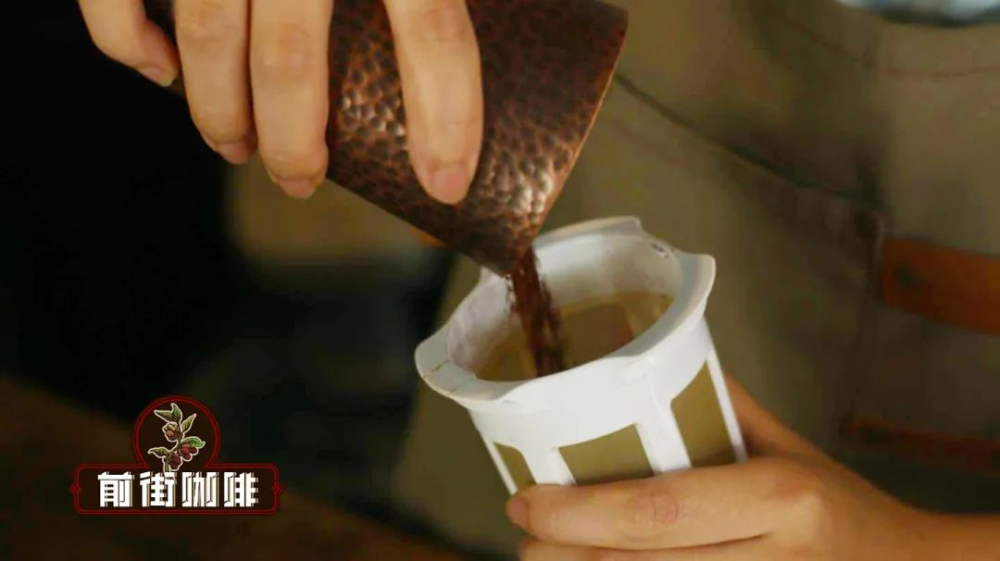
After pouring in the water, tightly seal the bottle and place it in the refrigerator for at least 8 hours of steeping. A key reminder: be sure to put it in the fridge, not the freezer, to avoid negatively affecting the coffee’s flavor and quality.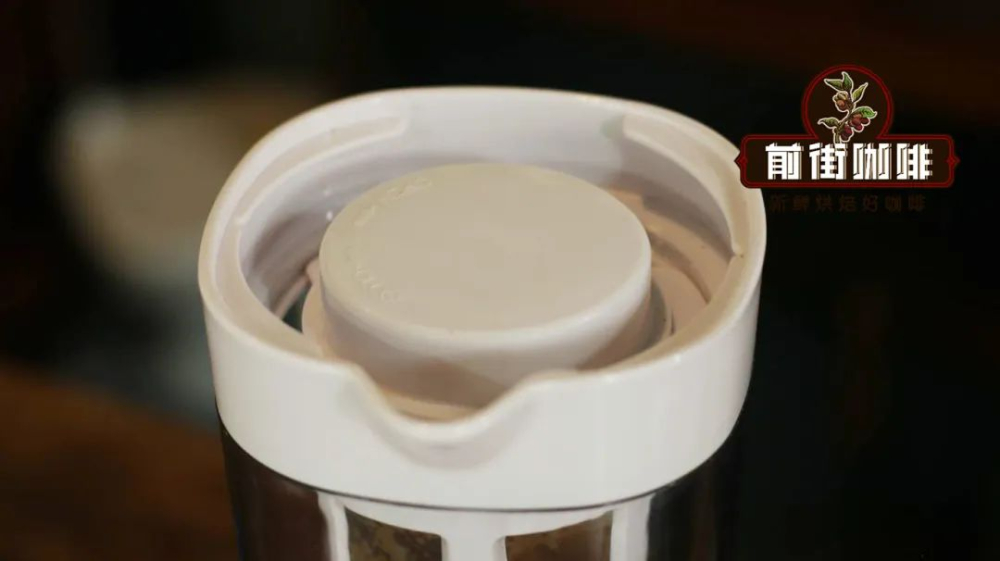
Once the steeping time is up, take the cold brew out of the fridge. It’s recommended to use filter paper for a second filtration to remove any remaining coffee grounds, resulting in a cleaner, crisper taste. After filtering, you can add ice cubes according to your taste for an even more refreshing summer drink.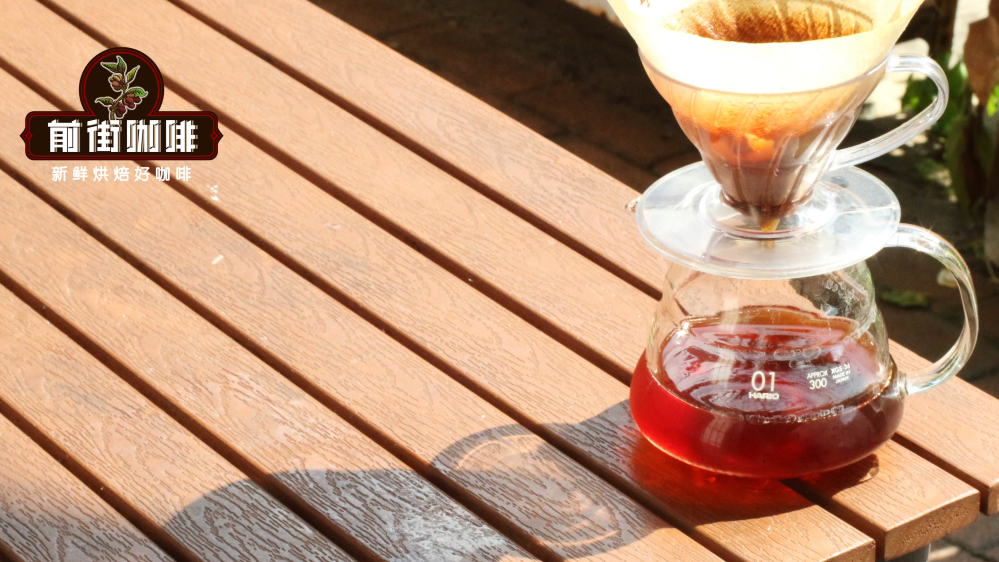
Regarding the shelf life of cold brew, to balance both flavor and food safety, it’s generally recommended to consume it within five days of preparation. Whether it’s cold brew or cold drip, the flavors of this low-temperature extracted coffee gradually fade over time and may also deteriorate in mouthfeel if stored for too long.
If you’re using warm water for a quick cold brew, the higher water temperature extracts more flavor compounds from the coffee, which also makes it more prone to microbial growth. As such, this type of cold brew has an even shorter optimal drinking window—it’s best to finish it within two days to avoid any risk of stomach discomfort.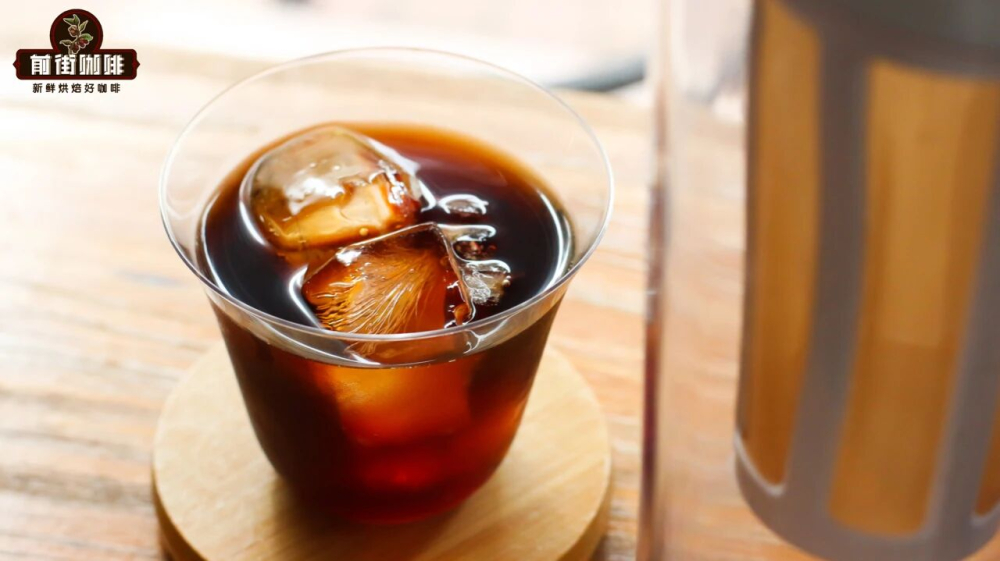
Additionally, when storing cold brew, it’s advisable to use well-sealed glass bottles or dedicated cold brew containers to minimize prolonged exposure to air and oxidation, which can further degrade the flavor complexity and freshness.
In summary, the charm of cold brew lies in its low acidity, low bitterness, and refreshing mouthfeel—making it perfect for those who prefer a smoother coffee experience. Mastering the right grind size, coffee-to-water ratio, and steeping time will allow you to enjoy professional-grade cold brew at home with ease. At the same time, paying attention to its shelf life and storage methods ensures that every sip remains fresh and delicious.
The above content is compiled by CoffeeHunters, a coffee news website.


