







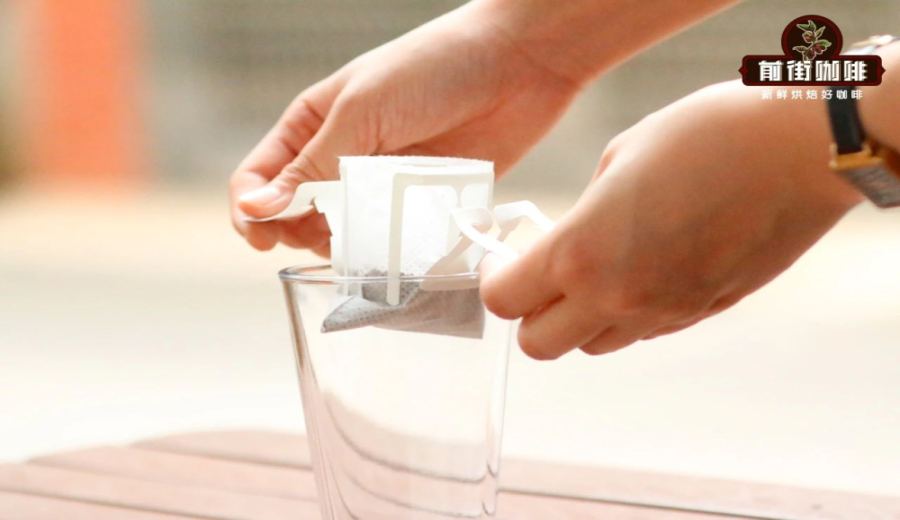
Introduction:In busy office environments, many people opt for instant or drip bags to perk themselves up. But what exactly is the difference between these two common choices? From flavor and production methods to health impacts, this article delves into the fundamental distinctions between drip bags and instant coffee, helping you make a more suitable choice based on your needs—while also exploring the pros and cons of drip bags and practical brewing tips.
In today’s fast-paced life, coffee has become an indispensable beverage for many to stay alert, especially in office settings where time constraints often prevent people from grinding and brewing coffee themselves. As a result, convenient options like instant coffee and drip bags have become the top choices for many office workers. However, these two differ significantly in terms of preparation method, flavor profile, and health aspects. Understanding their characteristics can help you make a better-informed choice.
First, instant coffee is made by extracting and concentrating roasted coffee beans through high heat, then removing moisture via freeze-drying or spray-drying techniques to form easily dissolvable powder or granules. While this process enhances shelf stability, it also leads to substantial loss of the coffee’s natural aroma and essence during processing. As a result, many instant coffees are supplemented with flavorings and sugars to mimic coffee flavor, which is one reason why their taste is often considered less natural.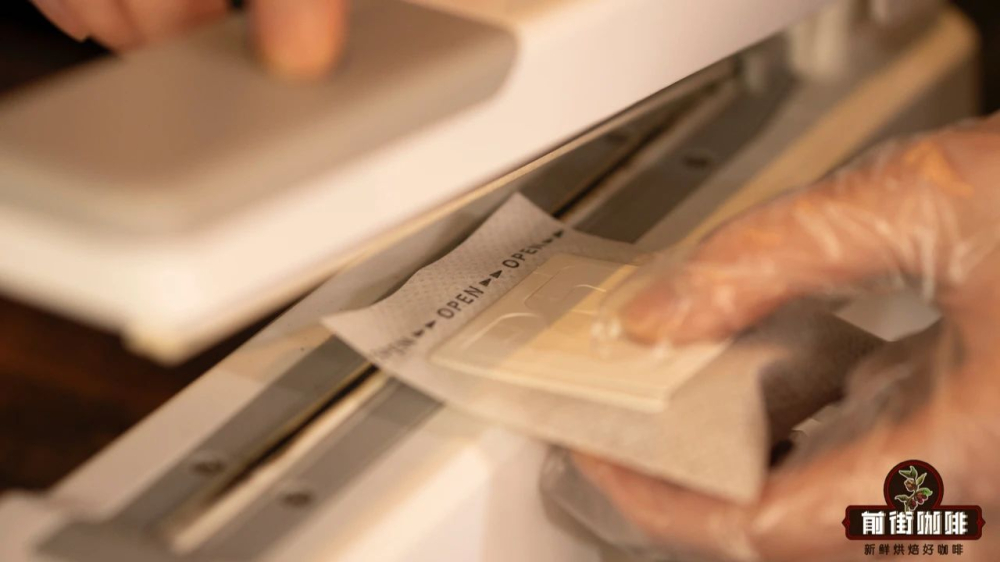
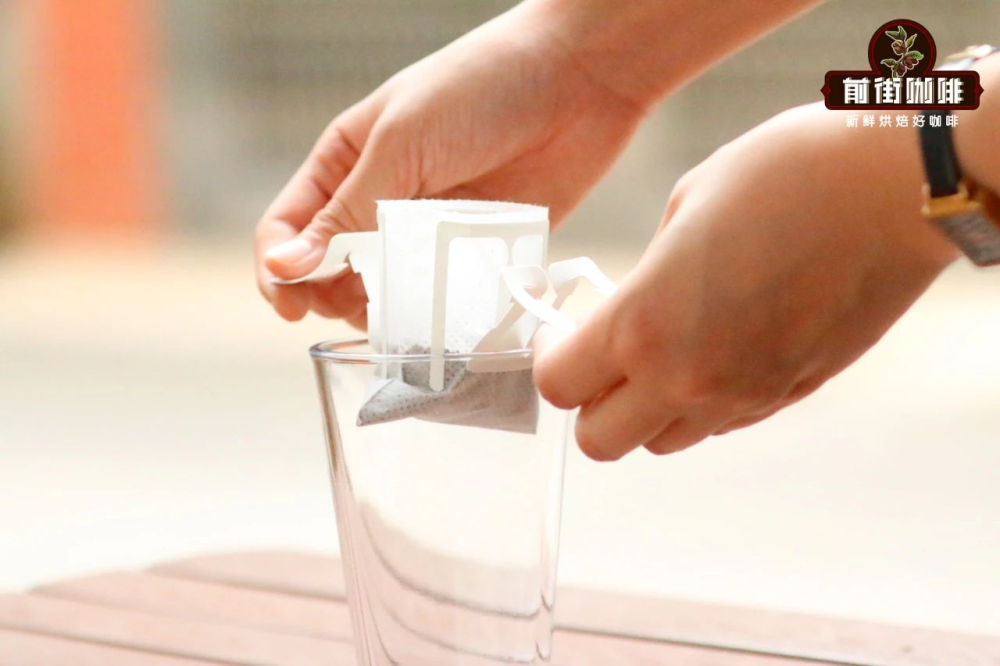
In contrast, drip bags contain freshly ground coffee packed in a filter-equipped pouch. To brew, you simply hang the bag over the cup and pour hot water through it, completing the drip filtration. This process is similar to pour over brewing, allowing the original acidity, sweetness, bitterness, body, and regional flavors of the coffee beans to be preserved more fully—letting users enjoy a layered experience close to specialty coffee even in the office.

Next, let’s take a closer look at the main differences between instant coffee and drip bags. First, in terms of ingredients: instant coffee is a highly processed coffee extract that often contains additives to adjust the taste, while drip bags use freshly ground coffee directly, without additional chemical processing, making it a more natural option.
In terms of drinking method, instant coffee only requires pouring the powder into a cup and stirring it with hot water; drip bags, on the other hand, need the “ears” on both sides of the pouch to be hung over the rim of the cup, followed by a slow pour of hot water for drip filtration. Although slightly more involved, this method allows better control over extraction time and uniformity.
Additionally, instant coffee often contains food additives such as emulsifiers and stabilizers to ensure its solubility and shelf life; drip bags, in most cases, consist purely of coffee powder without extra chemicals, making them more friendly to consumers seeking a natural diet.
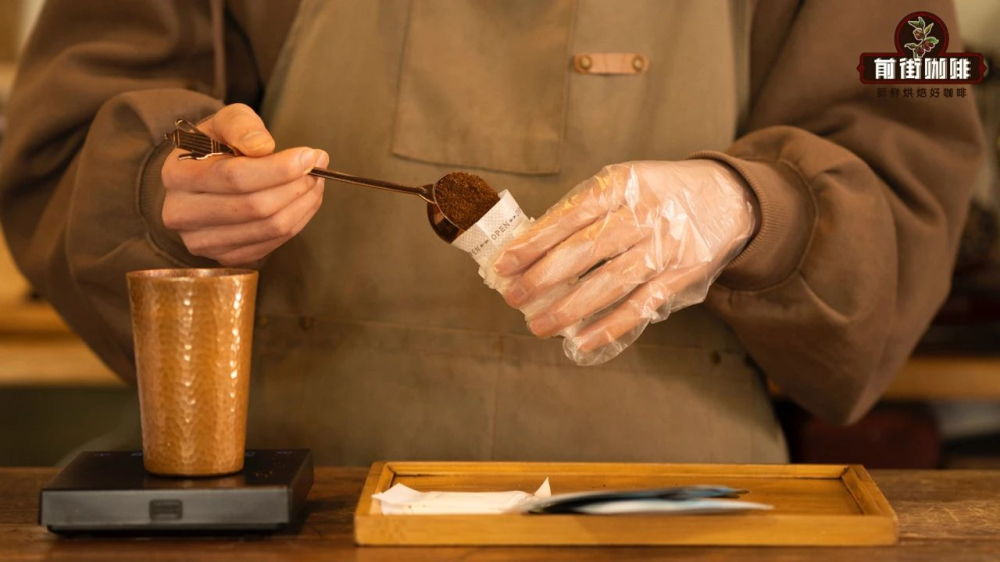
From a production perspective, the process of instant coffee includes pre-treatment, roasting, grinding, extraction, concentration, and drying,
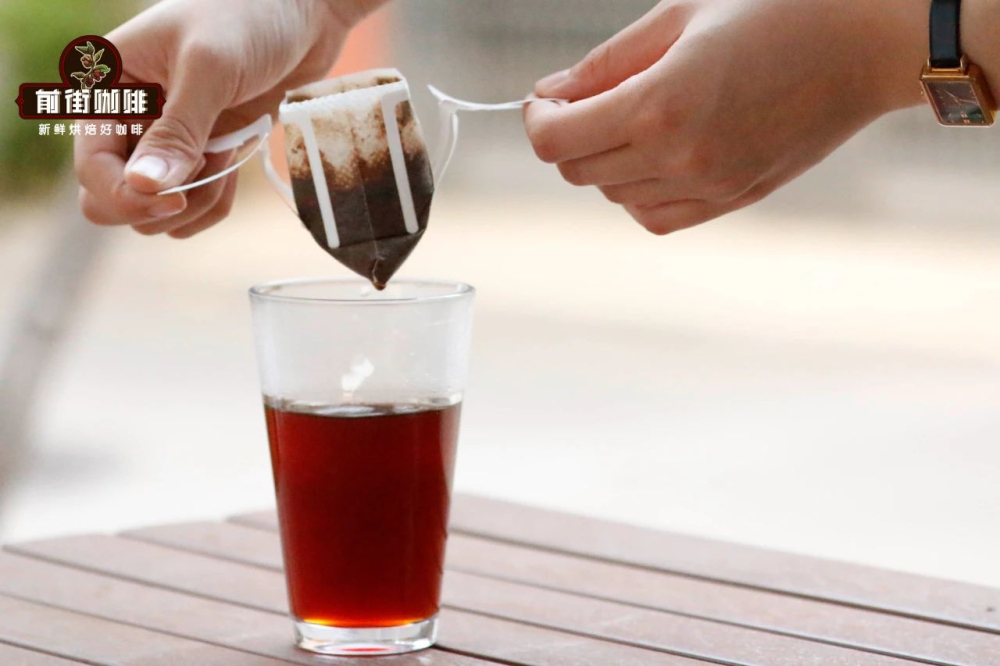
It is worth noting that since coffee beans themselves are plant fibers and insoluble in water, instant coffee is not pure coffee but is made by processing to concentrate coffee components and mixing them with additives. Its solubility actually comes from these processed ingredients, not the coffee beans themselves. In contrast, the coffee liquid brewed using pour-over bags (⟦挂耳咖啡⟧) is the result of natural extraction of coffee grounds through water temperature and time, preserving more of the original flavors and beneficial compounds of the coffee.
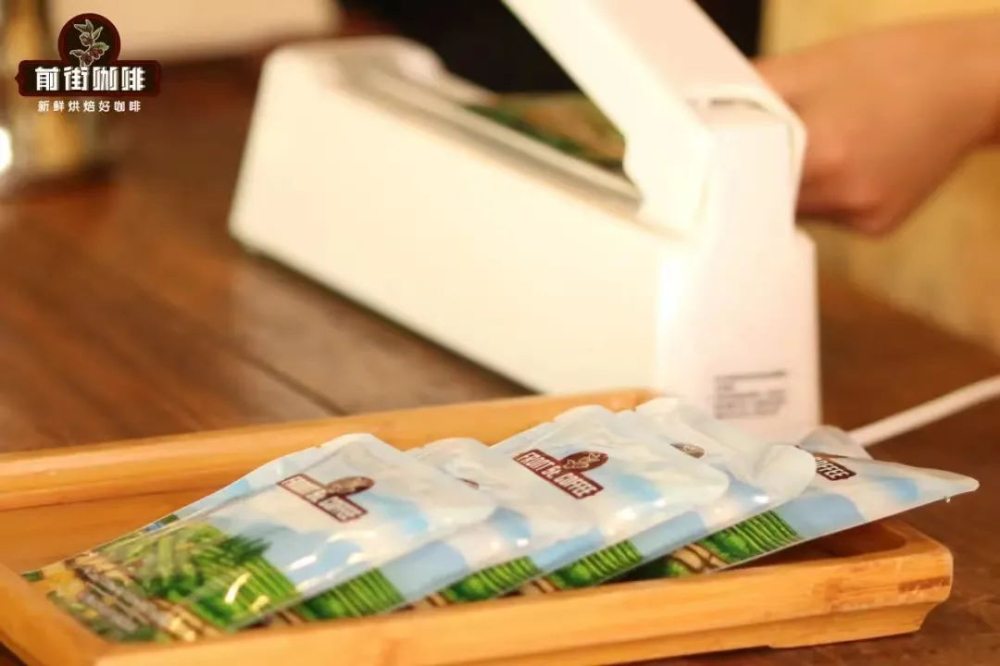
In summary, both instant coffee and pour-over bags (⟦挂耳咖啡⟧) have their own advantages and disadvantages. The choice between them depends on your personal preferences regarding flavor, convenience, and health. If you prioritize speed, convenience, and are not concerned about nuanced flavors, instant coffee remains a viable option; however, if you wish to enjoy a pour-over-like coffee experience even in the office, pour-over bags are undoubtedly the more recommended solution. With an understanding of these differences, you can make a smarter coffee choice based on your own needs.
The above content is compiled by CoffeeHunters, a coffee news website.


