








Introduction:Due to their convenience and flavor balance, pour-over coffee bags have become the top choice for many office workers. However, many still mistakenly equate them with instant coffee—either by steeping them directly in water or using improper brewing methods, which leads to poor extraction. This article will guide you through the correct way to use coffee bags, covering basic steps, water temperature control, and pulse pouring techniques, helping you easily brew a well-balanced filtered coffee at the office or at home.
What is a pour-over coffee bag?
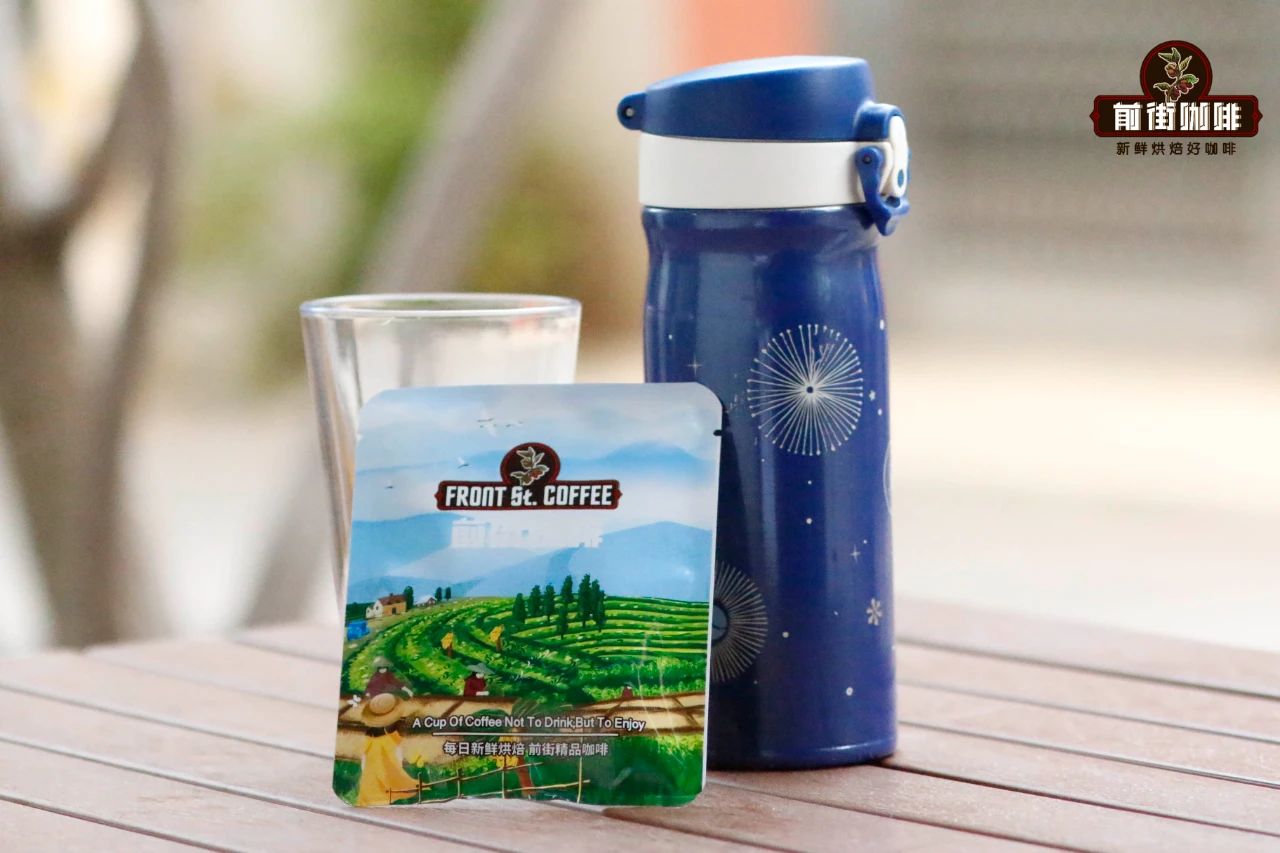
A pour-over coffee bag is a convenient brewing method that combines a filter pouch with built-in filter ears. It contains pre-ground coffee but is not instant coffee—coffee grounds remain after brewing. The biggest difference from instant coffee is that pour-over bags preserve the original aroma and layered flavors of coffee beans, making them ideal for coffee lovers who seek quality without compromising on efficiency. To use correctly, hang the coffee bag over the cup rim and extract the coffee through pouring, rather than steeping the whole bag directly in water.
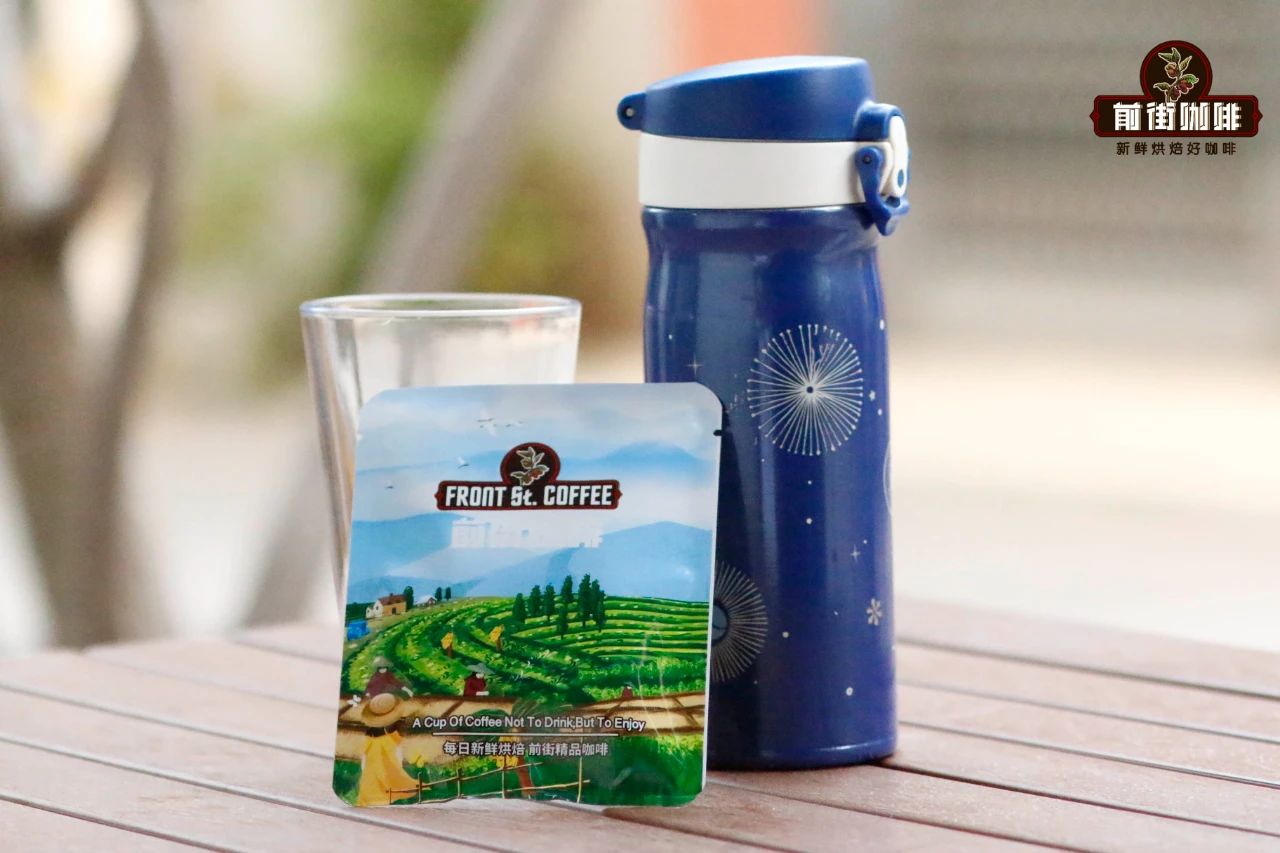
How to open and hang the bag
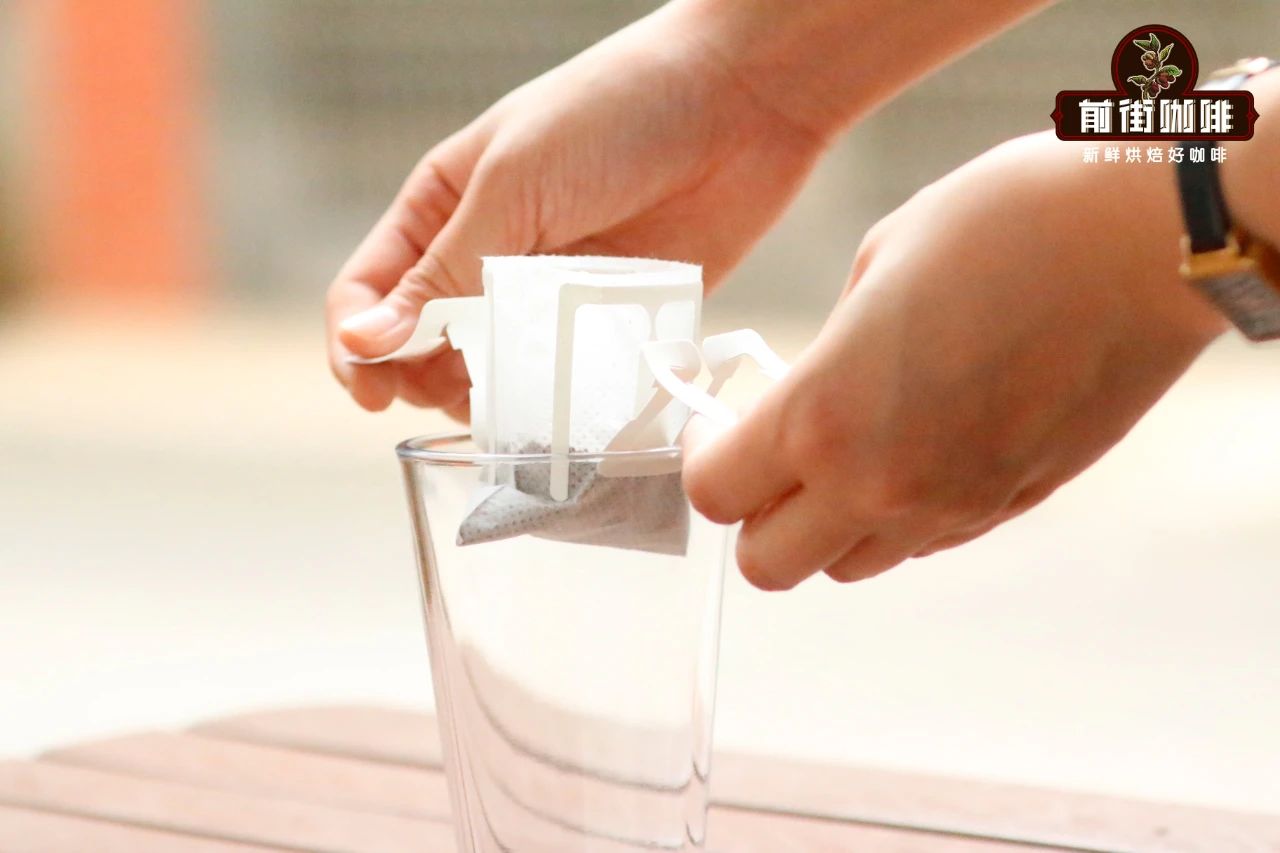
Before use, carefully tear along the “Open” marked line on the packaging, unfold the two filter ears on either side, and securely hang them on the rim of your cup. This design mimics the function of a pour-over dripper, allowing hot water to evenly pass through the coffee grounds and extract a rich array of flavor compounds with a balanced acidity and sweetness.
Can pour-over coffee bags really be brewed simply? Yes, they can!
Although often compared to the ritualistic pour-over method, pour-over bags actually allow you to enjoy a great cup of coffee without complicated equipment. Even with just a regular kettle or thermos you have on hand, as long as you control the water temperature and pouring technique properly, you can still bring out the delicate nuances of the coffee. The pour-over bag design eliminates the hassle of grinding beans and cleaning a dripper, making it an excellent compromise between efficiency and flavor.
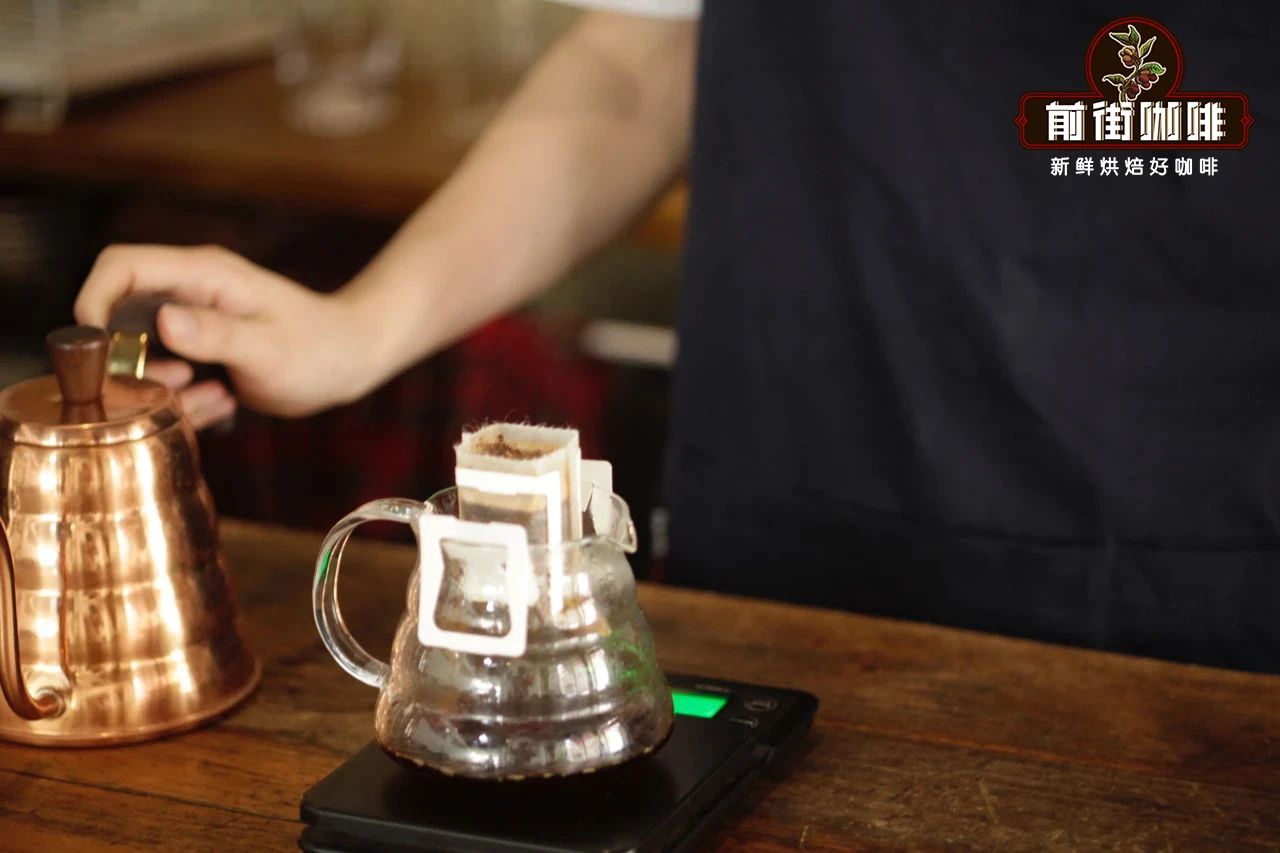
Does pouring technique matter? Actually, not too much
Some readers may wonder: do you need to circle the pour, bloom, or do multiple pours like in a traditional pour-over? The answer is: there’s no need to overcomplicate it. Since the opening diameter of the pour-over bag is fixed and the structure is flat—not like a conical pour-over dripper that requires circular pouring for even extraction—using a simple center pour method is sufficient. The key lies in maintaining a stable water temperature and even water flow; there's no need to obsess over intricate techniques.
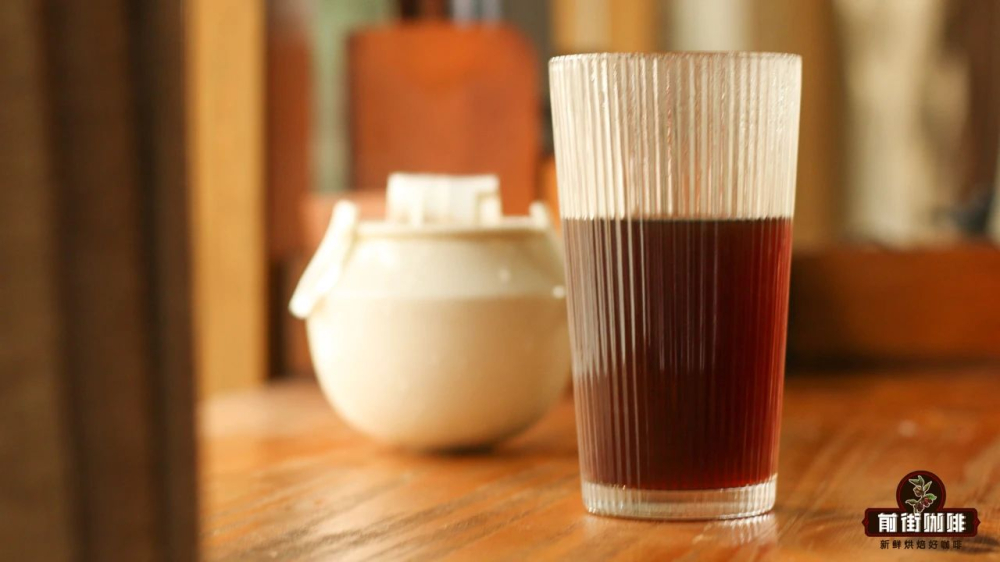
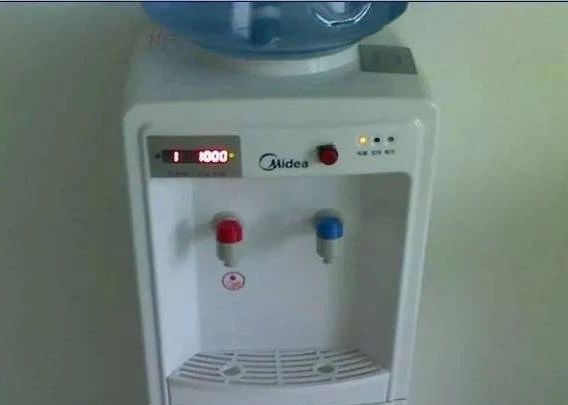
Water temperature is key: common mistakes in the office
Many office workers are accustomed to using hot water from water dispensers, but its temperature usually hovers around only 75°C, which is too low for proper coffee extraction, often resulting in weak flavor and a flat taste. It is recommended to use water with a temperature controlled between 88–91°C. This range effectively extracts the coffee’s sweetness, fruit acidity, and aromatic layers. If you don’t have a thermometer, let boiled water sit for about 30 seconds before using.
Recommended water volume and concentration
A standard commercially available pour-over coffee bag contains 10 grams of coffee, and the recommended water volume is 120–150 milliliters. If you’re using a mug, you can observe the water level—when the coffee liquid reaches about 150 milliliters, you can remove the coffee bag. For a more casual approach, you may also adjust the water volume slightly according to personal taste, but avoid over-steeping to prevent over-extraction and bitterness.
Practical demonstration of multi-pour technique (with step-by-step illustrations)
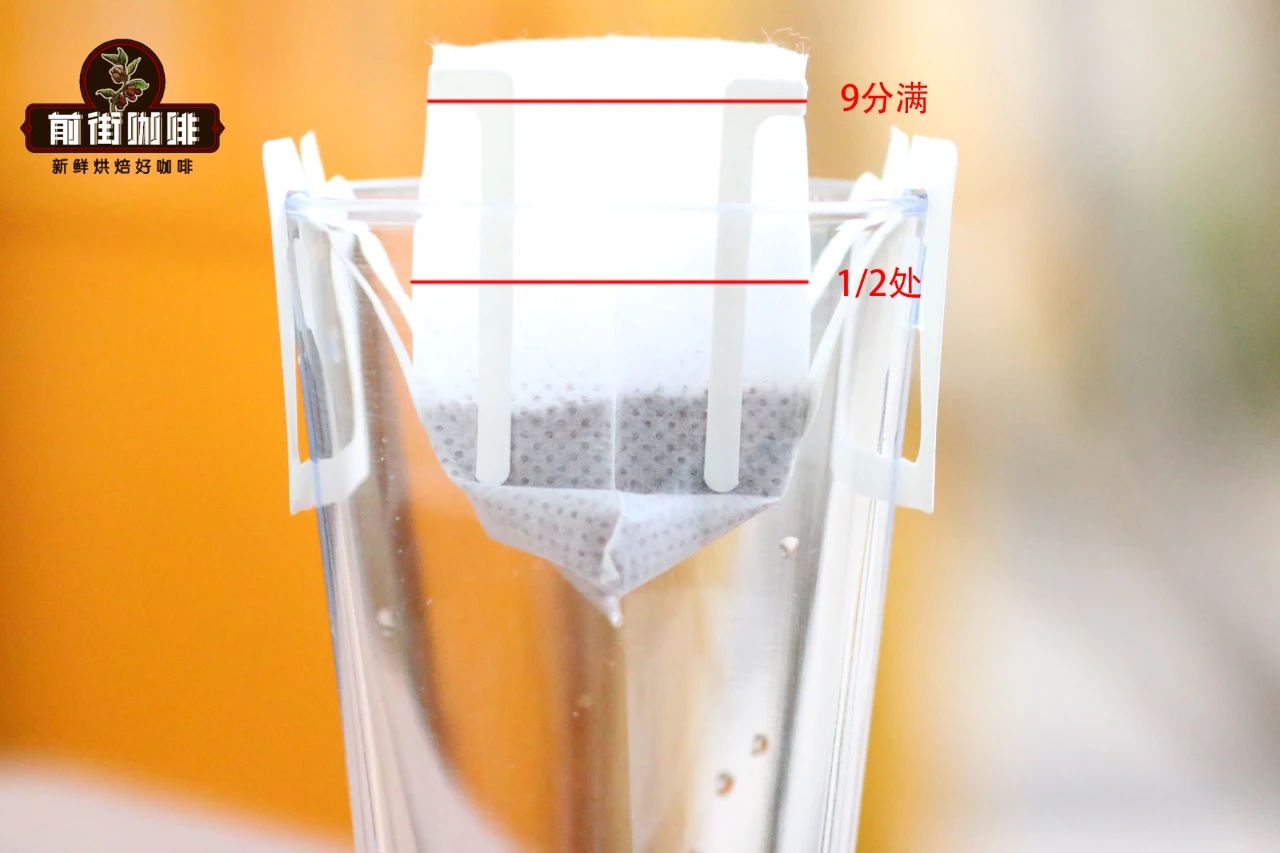
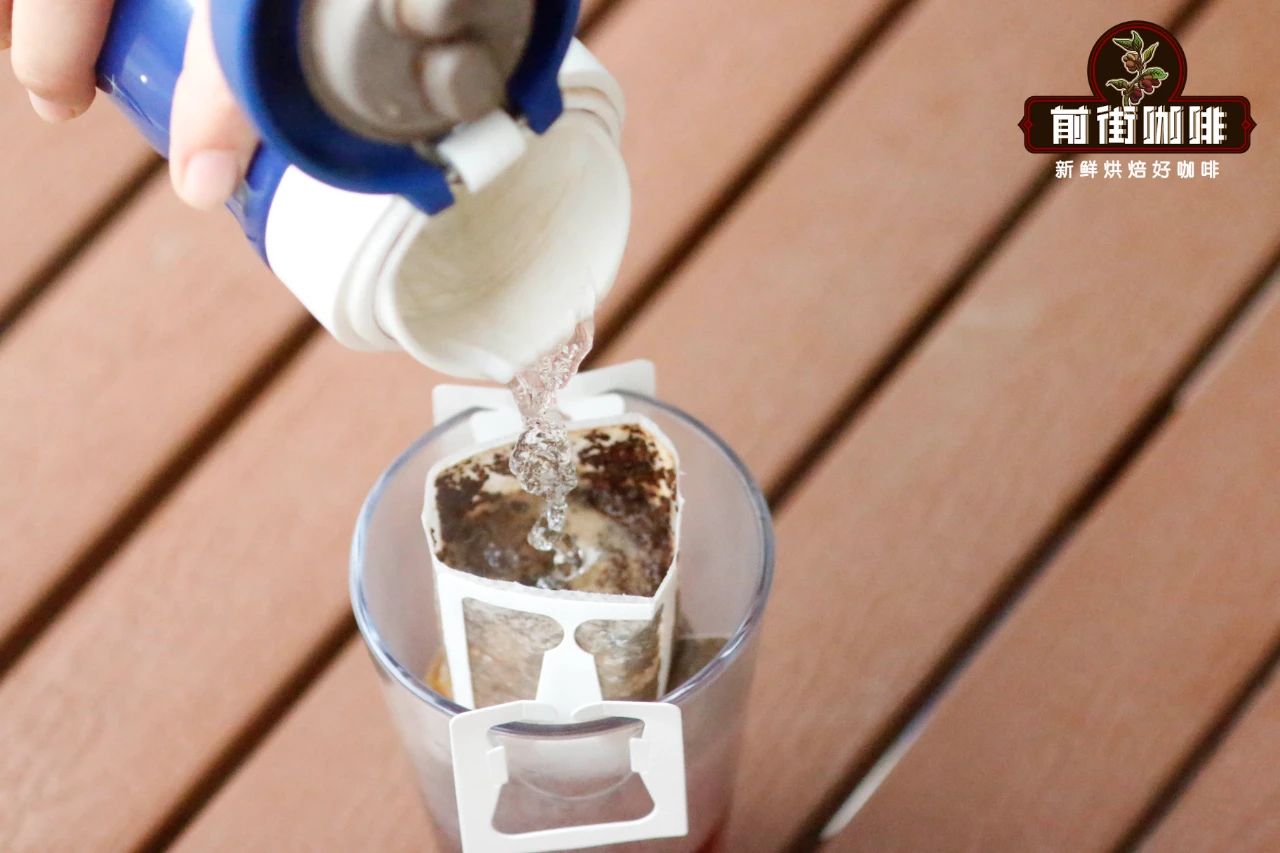
If you want more precise control over extraction, you can use a four-pour method: first, hang the coffee bag over a tall cup to avoid prolonged soaking of the coffee grounds. The first pour involves adding hot water up to about half the volume of the filter bag, then wait for 15 seconds; follow with three more pours, each time filling the bag to about 90% capacity. After each pour, wait until the coffee liquid has completely dripped through before proceeding to the next. This method results in a total water volume of about 150 milliliters and helps achieve a balanced flavor release.
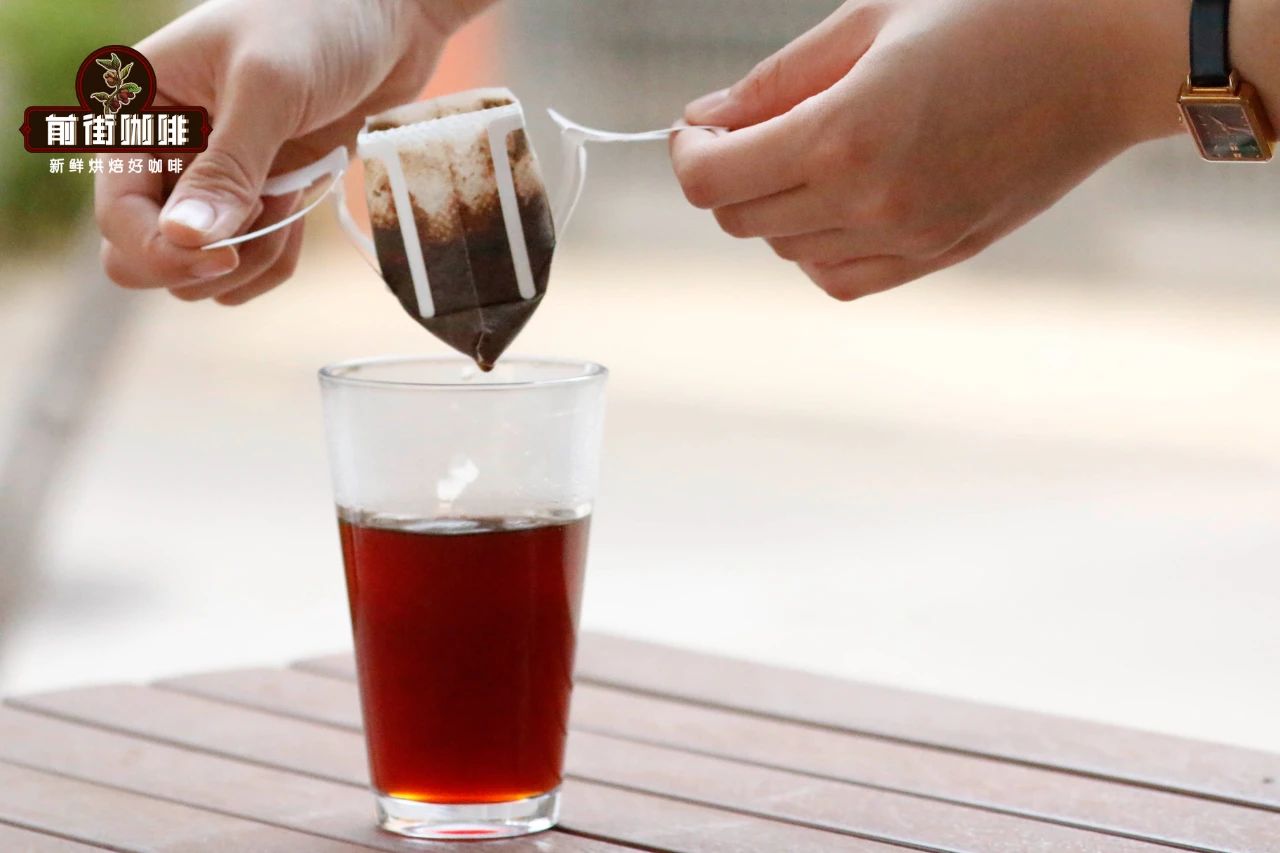
Frequently asked question: Can filtered coffee bags be steeped?
The answer is not recommended. If pour-over coffee bags are steeped for too long, it can lead to over-extraction, releasing excessive tannins and impurities, resulting in a bitter and astringent cup. The correct method is to let the coffee liquid drip naturally after pouring, and the bag should be removed once the flow starts to slow down, in order to maintain optimal flavor.
The above content is compiled by CoffeeHunters, a coffee news website.


