







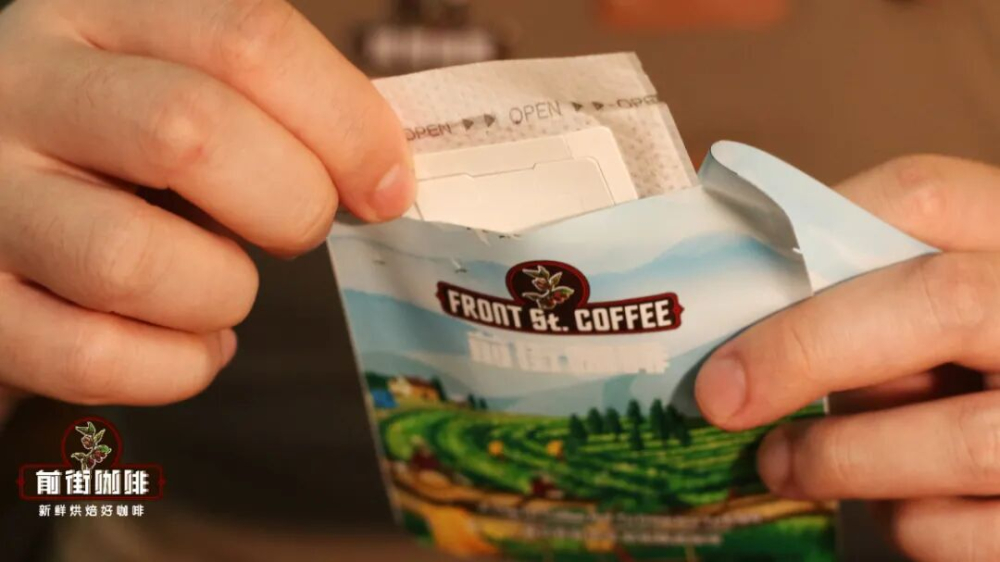
Introduction:Drip bags are a convenient premium coffee option that preserves the quality of pour over brewing, perfect for those who want to enjoy a great cup of coffee even on busy days. This article introduces the origins and basic principles of drip bags, recommends five representative types of drip bag coffee beans and their flavor profiles, and provides a detailed guide on how to make your own drip bags, along with optimal brewing parameters and techniques. From bean selection to brewing, you’ll be in full control to craft your own unique drip bag experience.
In 1990, Japan’s Yamamoto Kogyou Co., Ltd. pioneered the application of tea bag concepts to coffee, developing filter-drip style coffee and securing a patent. With the rise of specialty coffee culture, more and more consumers are favoring drip bags because they combine the layered flavors of pour over coffee with the convenience of not requiring complex equipment—allowing you to easily enjoy a professional-grade coffee experience.
The charm of drip bags lies in their combination of convenience and quality. Whether at the office, during your commute, or at home, all you need is hot water and a cup to enjoy a coffee flavor close to that of pour over, anytime, anywhere. This article will delve into how to choose drip bag coffee beans that suit your taste, and share a complete guide to making your own drip bags—helping you master everything from bean selection and grinding to brewing.
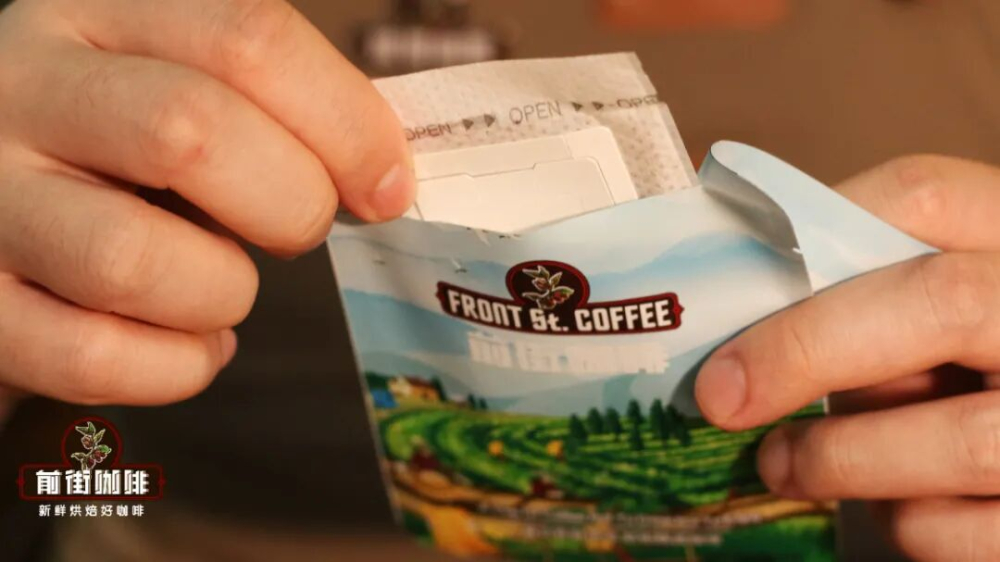
How to Make Your Own Drip Bags? Complete DIY Guide
Taking the highly praised Ethiopian Yirgacheffe Red Cherry as an example, here’s a step-by-step demonstration of how to make your own drip bags. This bean is processed using the natural method, showcasing rich berry tones and honey-like sweetness, ideal for those who enjoy fruity and bright flavors. It is recommended to grind the coffee to a coarseness similar to that of fine sugar granules; if using an EK grinder, set it to level 10.
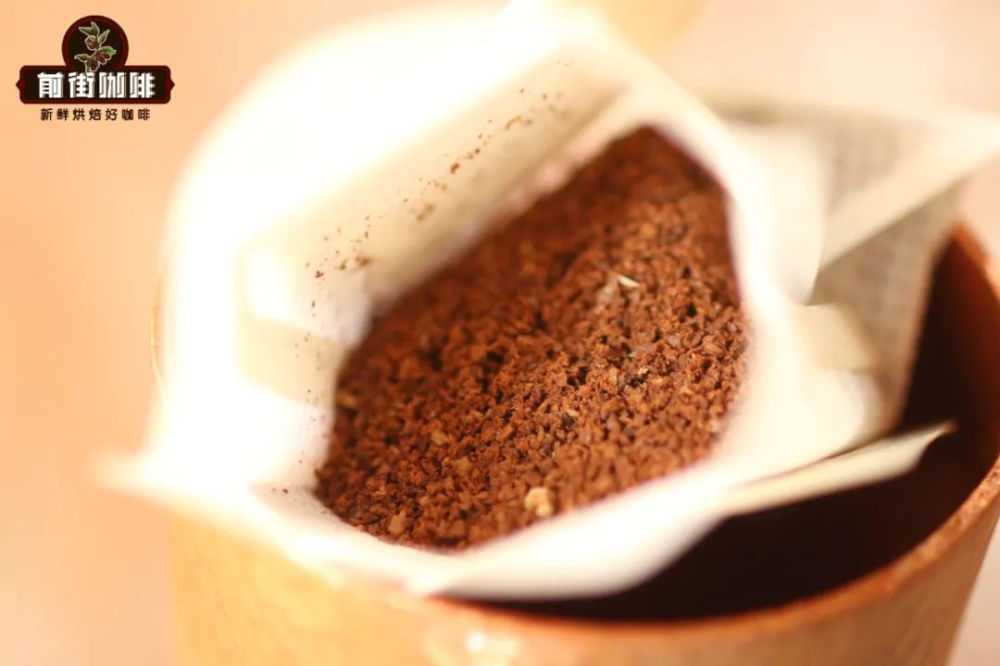
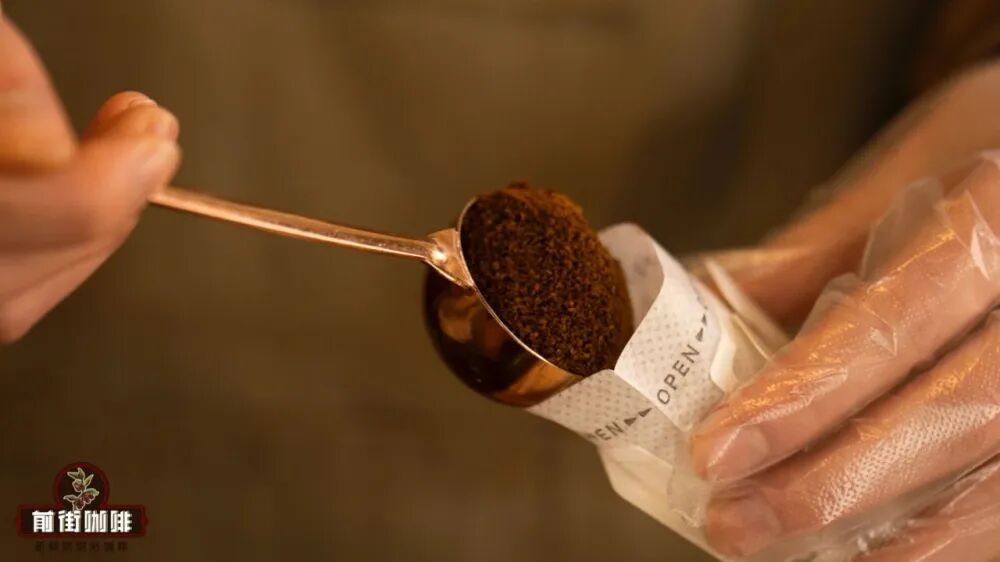
First, place the ground coffee on an electronic scale and measure out precisely 10 grams per serving. Next, take out the drip bag and open it into a square shape. Carefully scoop the coffee grounds into the filter pouch using a spoon, ensuring even distribution. While filling, it’s recommended to gently shake the bag to level the grounds, which helps achieve uniform extraction later.
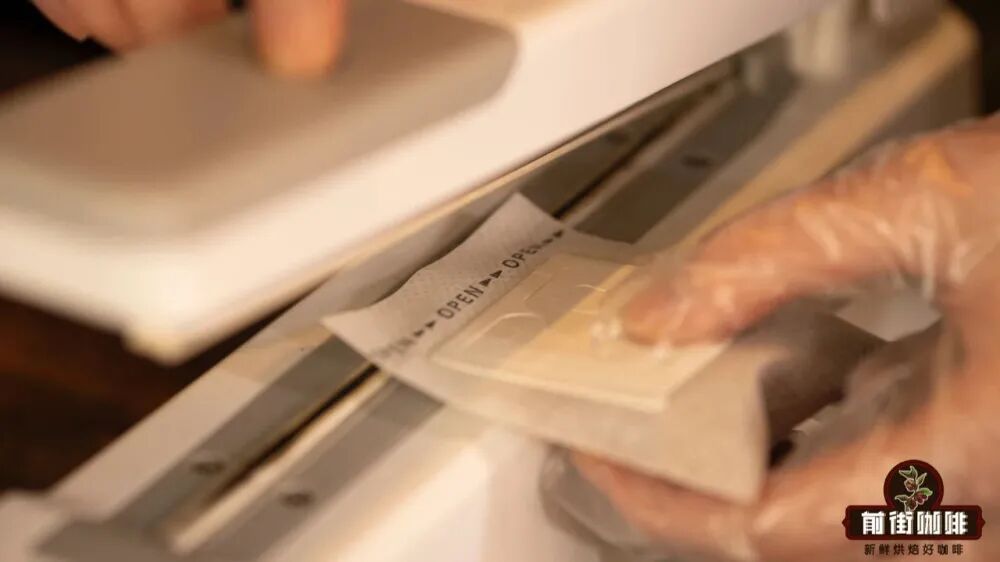
After filling, use a heat sealer to seal the opening of the drip bag. When operating, align the heater with the sealing line of the drip bag and press firmly to avoid any powder leakage. Please note, the heating temperature should not be too high, as it may damage the non-woven fabric material. Once sealed, it is recommended to store the drip bags in an airtight, light-proof container to prevent moisture and odors from affecting the coffee flavor.
Top 5 Flavor-Focused Drip Bag Coffee Beans Recommended
Depending on different processing methods and regional characteristics, drip bag coffee can exhibit a variety of flavor profiles. Below are five recommended drip bag coffee beans with distinctive flavor themes, covering fruity, floral, fermented, wine-like, and bold body profiles—to help you find your perfect drip bag match.
Fruity Flavor: Ethiopian Yirgacheffe Guddina
This Guddina coffee bean from Yirgacheffe is processed using the washed method, showcasing a clean, bright acidity and citrus notes. In cupping, you can perceive a refreshing jasmine floral aroma, accompanied by a honey-like aftertaste and smooth berry flavors. It’s suitable for coffee beginners or those who prefer a crisp taste. Grown at altitudes between 1900 and 2300 meters, it is a high-altitude single-origin variety with delicate and well-layered flavor expression.
Floral Flavor: Panama Geisha Huaca Flower Butterfly
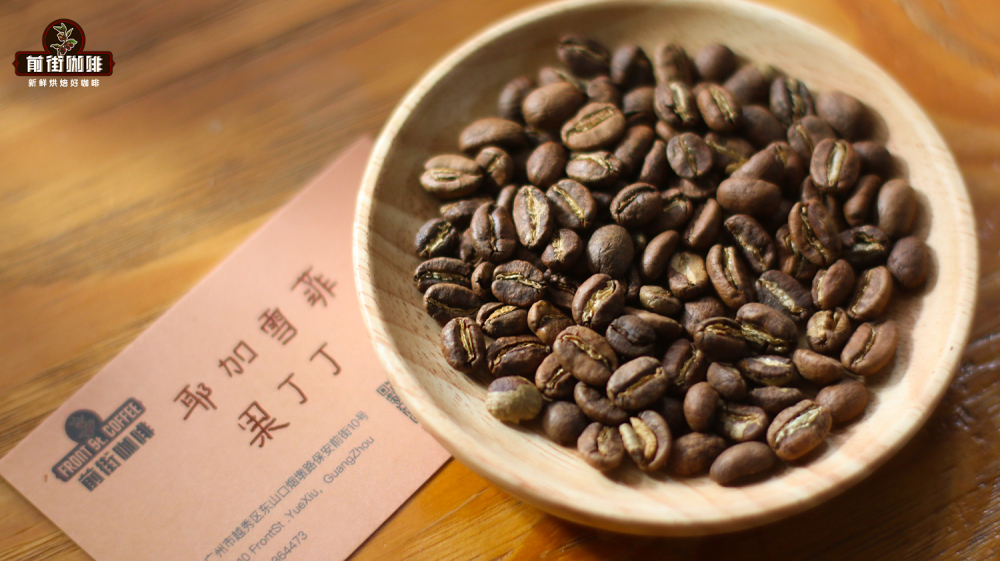
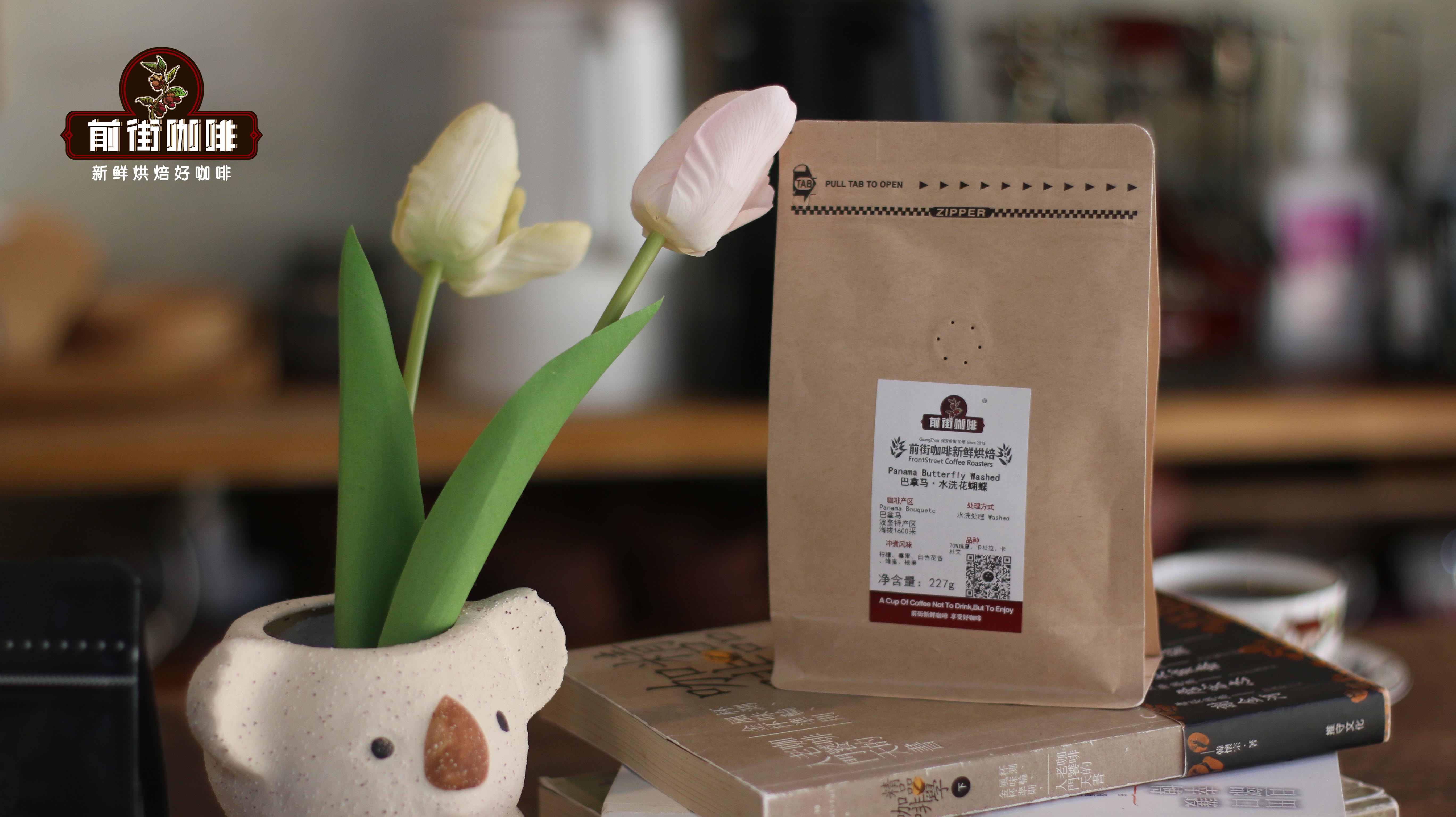
The Panama Flower Butterfly, a blend of Geisha, Caturra, and Catuai varieties, is grown in volcanic soil regions at an altitude of 1600 meters. Its microclimate gives it rich floral notes and a black tea base. Among the vibrant berry and citrus flavors, there is low bitterness and moderate acidity, with a smooth mouthfeel and excellent cost-performance—making it a top choice to experience Geisha-style flavors at an accessible price.
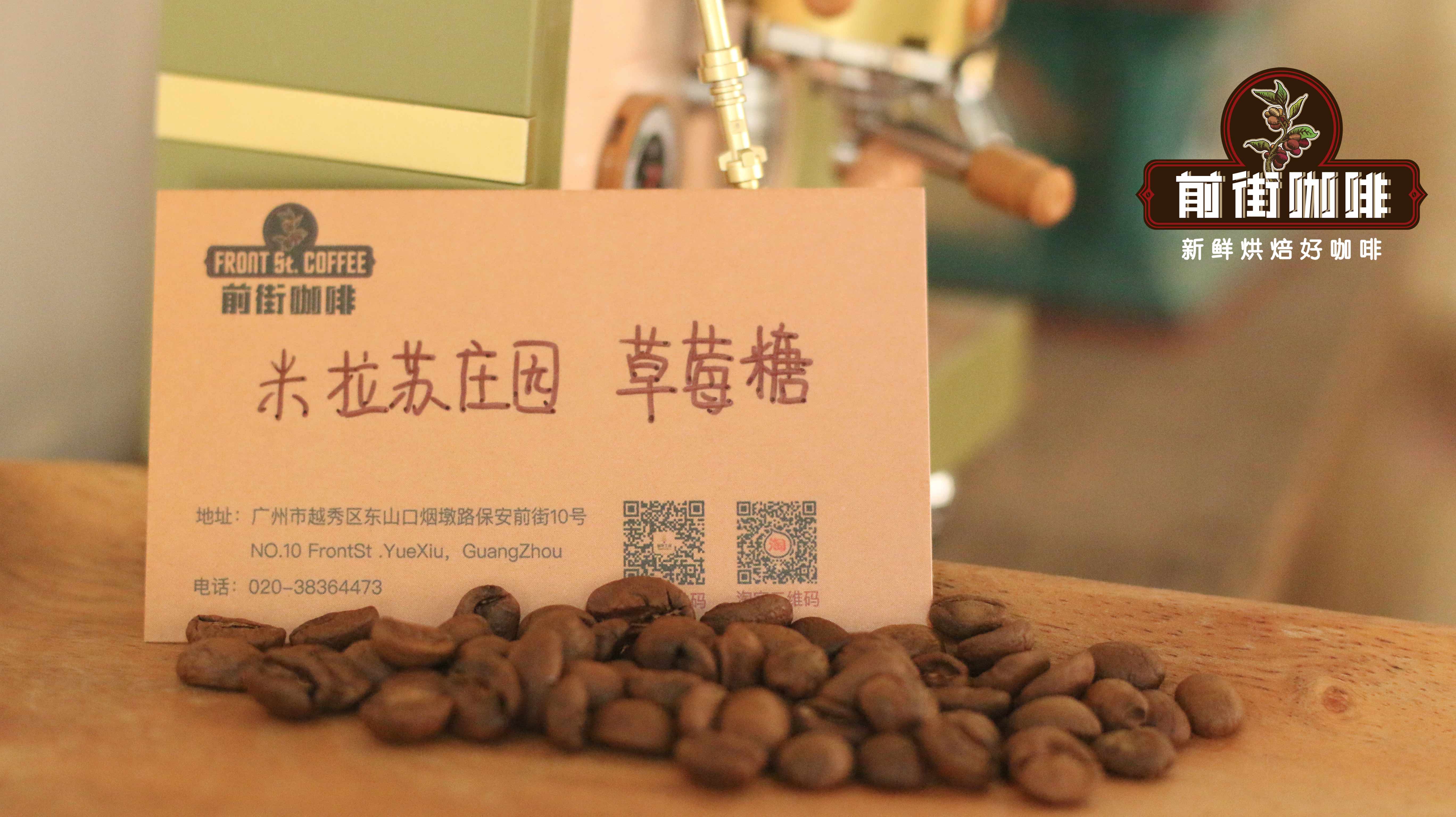
Fermented Flavor: Costa Rica Mirasol Strawberry Sugar Gesha Blend
Processed with the raisin honey method, the Mirasol Strawberry Sugar blend consists of Gesha, ET47, SL28, and MACIO, preserving the full mucilage layer to deliver intense fermented aromas. The sweet interplay of berries and dried fruits is complemented by an almond aftertaste, offering pronounced sweetness and rich layers—ideal for coffee lovers who enjoy unique fermented profiles.
Wine-like Flavor: Honduras Sherry
These Honduras Sherry coffee beans from the Marcala region are processed via whiskey barrel fermentation, imparting rich vanilla cream and berry aromas, with a long-lasting nutty and dark chocolate finish. The wine-like character is pronounced, offering a bold, whiskey-like mouthfeel upon the first sip—deeply loved by coffee enthusiasts who enjoy intense flavor layers.
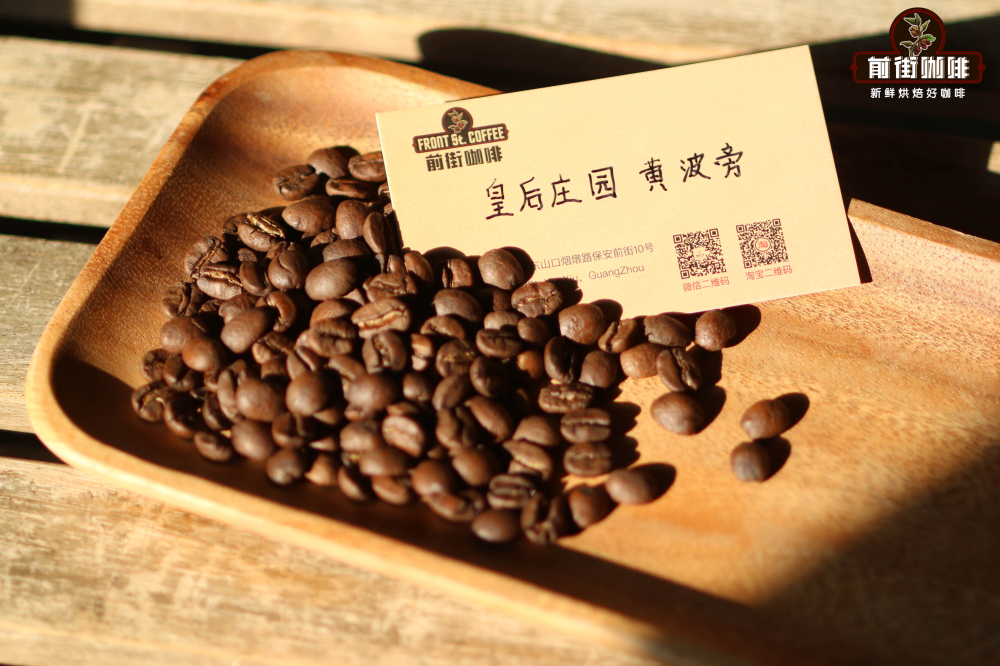
Bold Body Flavor: Brazil Queen Estate Yellow Bourbon
The Yellow Bourbon from Brazil’s Mogiana region, processed using the natural method, exhibits low acidity, a bold body, and flavors of caramel and nuts. The mouthfeel is smooth and mellow, suitable for those who prefer a rich texture and sweet aroma. Semi-natural processing can also bring out subtle tropical fruit notes, adding further flavor complexity.
Key Points for Making Drip Coffee Bags
When making your own drip coffee bags, it is recommended to use freshly roasted coffee beans and grind them just before use to ensure optimal flavor. Choose food-grade non-woven fabric for the drip bags, and maintain a clean production environment to avoid odor contamination. After completion, store the drip bags in a sealed, cool, and dark place to extend their flavor shelf life.
Brewing Recommendations and Parameters for Drip Coffee
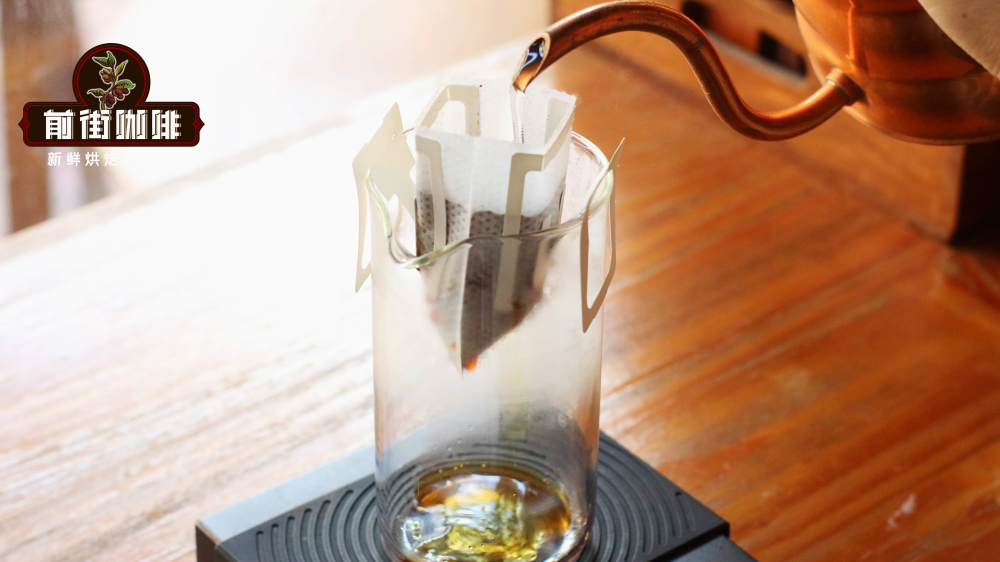
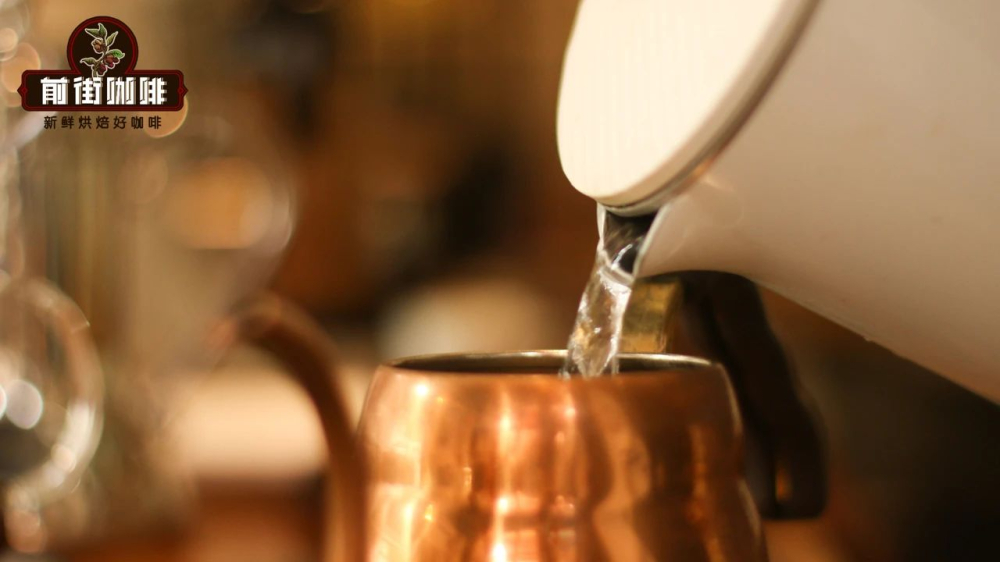
When brewing drip coffee, it is recommended to use a coffee-to-water ratio of 1:15 to 1:16, meaning 10 grams of coffee grounds to 140–150 milliliters of hot water. Water temperature should be controlled around 90°C, which can be achieved by letting boiled water sit for 2–3 minutes. If you don’t have a thermometer, you can judge the temperature by observing the cooling state after removing the lid from the kettle post-boiling.
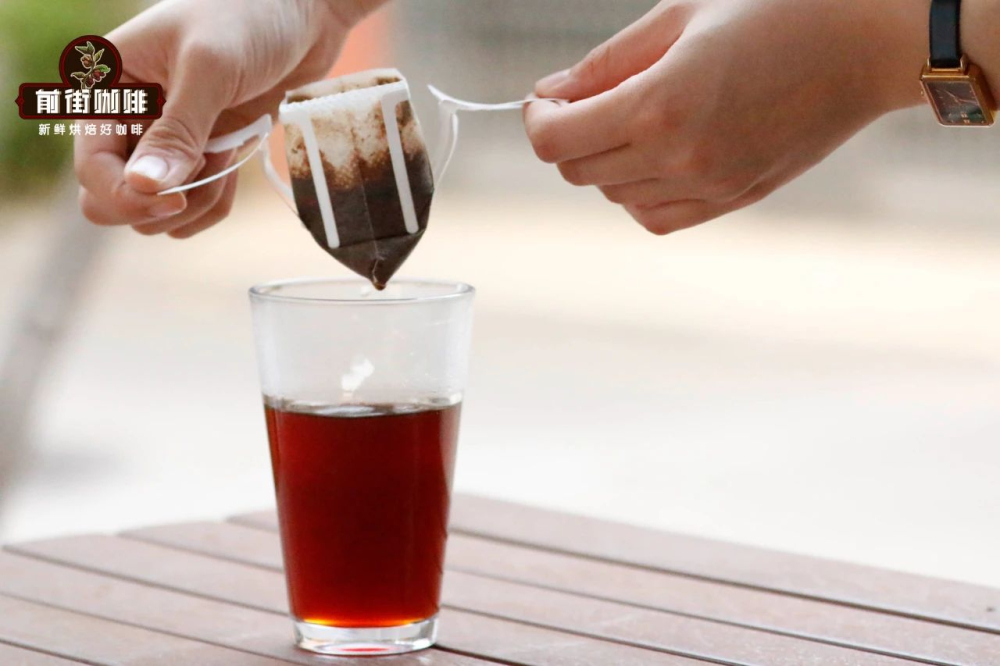
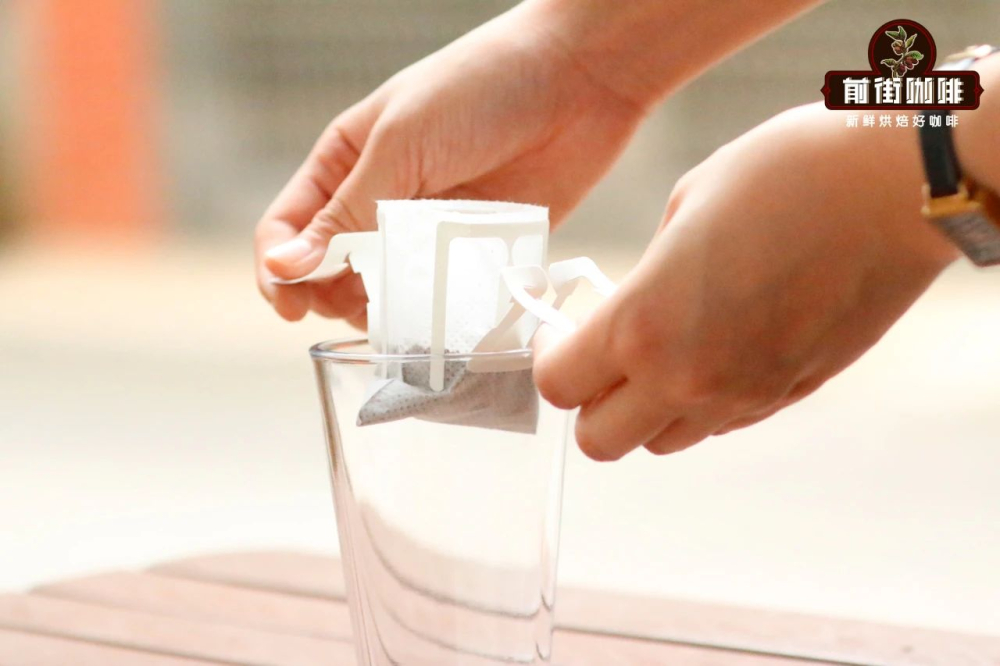
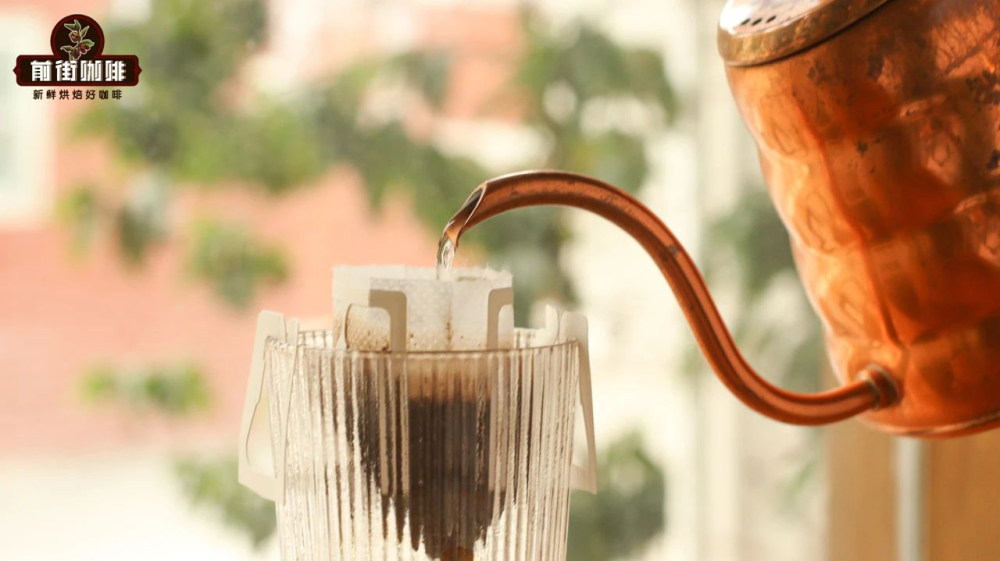
To brew, first hang the drip bag on the rim of the cup. Start with a 30-second bloom pour to activate the coffee grounds, then continue pouring in small circles until the desired volume is reached. The entire process is ideally completed within about one minute to achieve optimal extraction efficiency and flavor balance.
The above content is compiled by CoffeeHunters, a coffee news website.


