







Introduction:Drip bags combine the convenience of pour over brewing with the freshness of freshly ground coffee, making them a daily favorite for many coffee enthusiasts. This article delves into the origins, operational advantages, and potential limitations of drip bags, while also detailing the characteristics of common coffee bean varieties—from bold Sumatran Mandheling to fruity Brazilian beans—to help readers choose the most suitable drip bag based on their taste preferences and usage scenarios.
Drip bags are a type of black coffee. The concept involves pre-ground coffee beans packed into a filter pouch, where hot water is poured through to extract the flavor compounds, resulting in a pure cup of black coffee. For those who wish to adjust the taste, milk can also be added. It is generally recommended to use10 grams of coffee groundsper pouch, which yields130–150 mlof brewed coffee—just enough for a single serving.
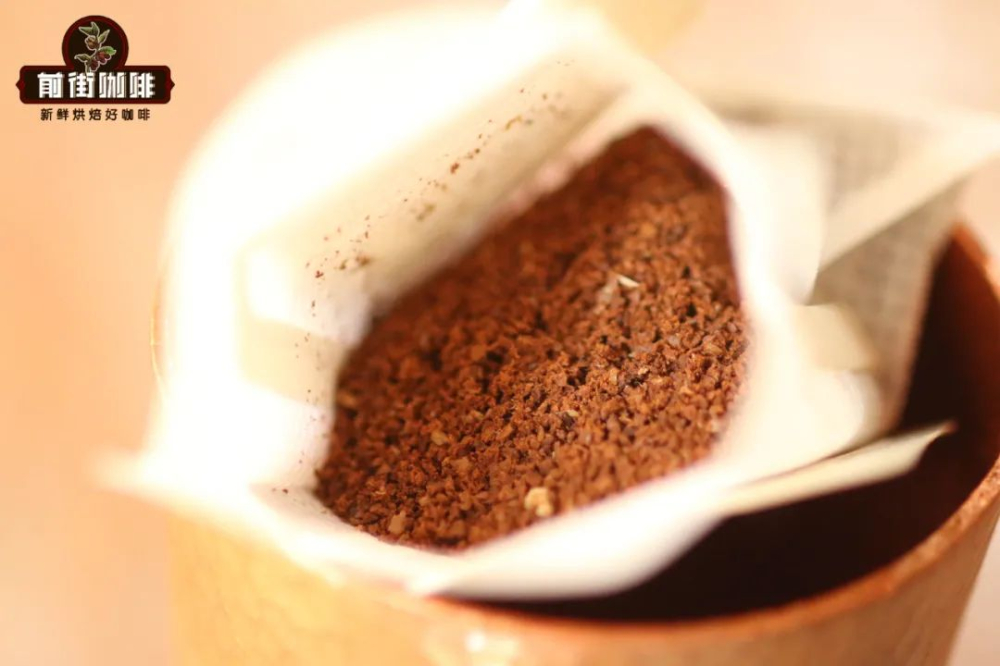
The origin of drip bags can be traced back to1990,when they were developed by Yamashita Sangyo Co., Ltd. in Japan. The design was inspired by hanging tea bags, with the goal of recreating the pour over dripping experience. The coffee grounds are placed in a non-woven fabric filter pouch, with paper "ears" attached to both sides, allowing the pouch to hang suspended in the center of the cup. Because it resembles small ears hanging from the rim of the cup, it was dubbed "drip bag coffee."
By2002,Japanese manufacturers had patented the design and launched it commercially. Its simple operation quickly gained market popularity—not only becoming a trend in Japan but also influencing overseas markets, including Taiwan.
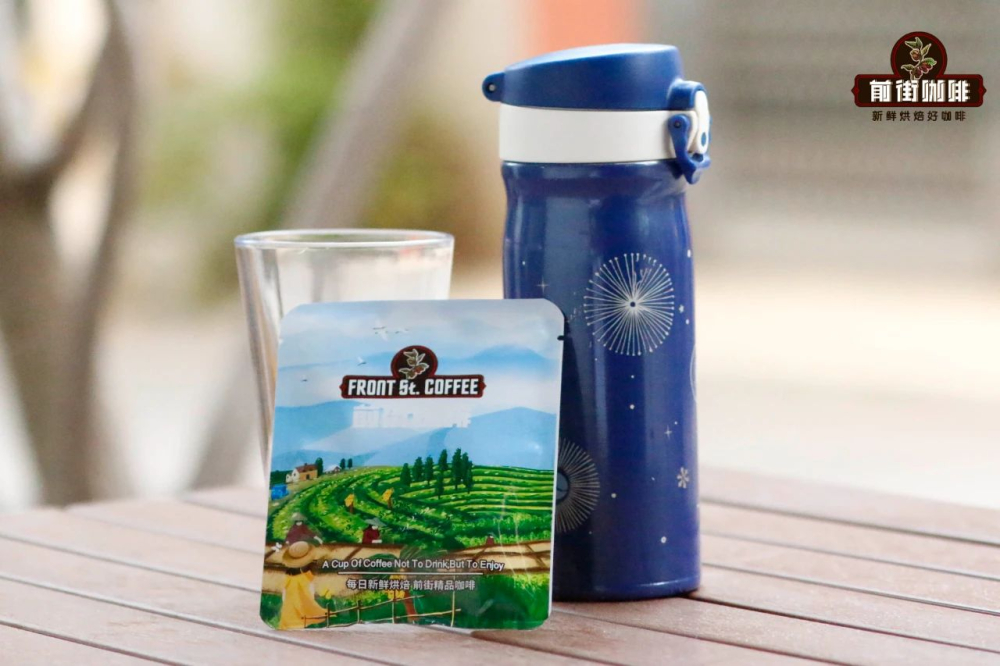
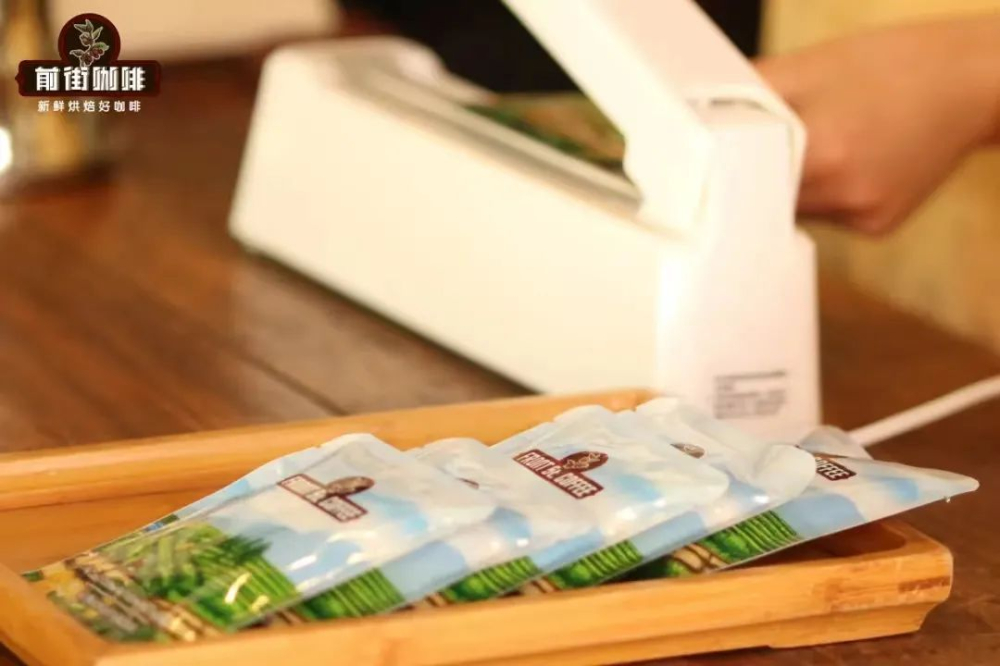
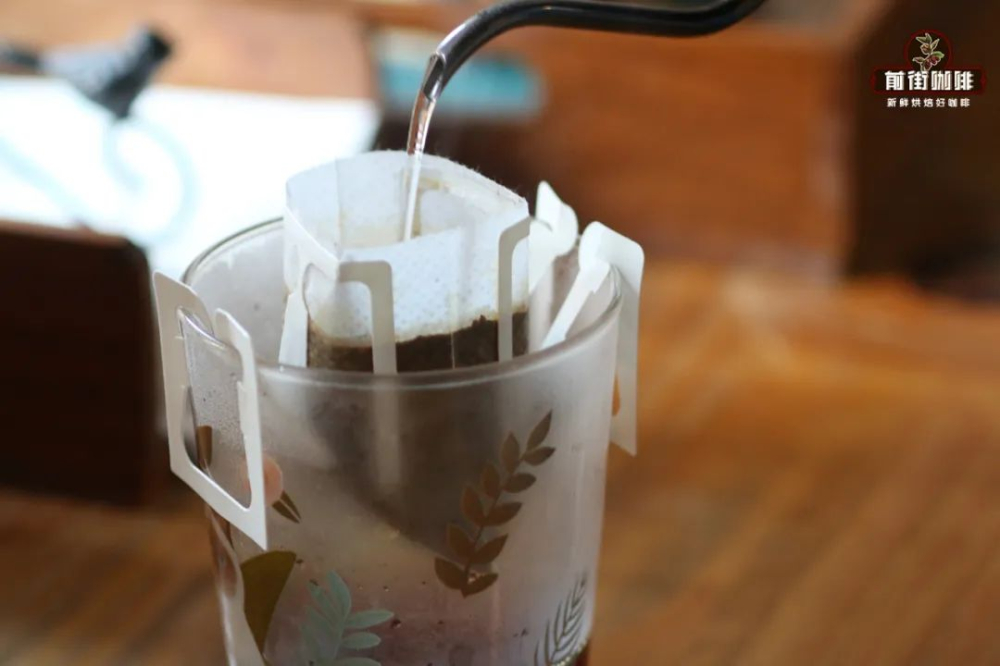
Using a drip bag is very straightforward: just prepare a kettle of hot water and a cup, hang the filter pouch on the rim of the cup, and slowly pour in the hot water to complete the brew. After brewing, simply discard the coffee grounds and filter pouch, eliminating the hassle of cleaning equipment. With the rise of specialty coffee trends, an increasing variety of coffee beans from different regions and processed through various methods are being made into drip bags. Whether at the office, during outdoor breaks, or at home, anyone with hot water and a cup can easily enjoy a full-flavored cup of coffee.
The advantage of drip bags lies in their low barrier to entry. Compared to pour over, which requires precise control over water temperature, pouring technique, and timing ratios, drip bags only need sufficiently hot water and an appropriate coffee-to-water ratio to achieve proper extraction. However, because the process is relatively more “casual,” the flavor complexity is often not as rich as that of pour over. Additionally, the coffee grounds in drip bags are pre-ground, and their sealed shelf life is limited. If stored for more than a few months, the aroma may gradually fade or even develop woody off-notes. It is recommended to consume them withinone monthof purchase to enjoy the best flavor experience.
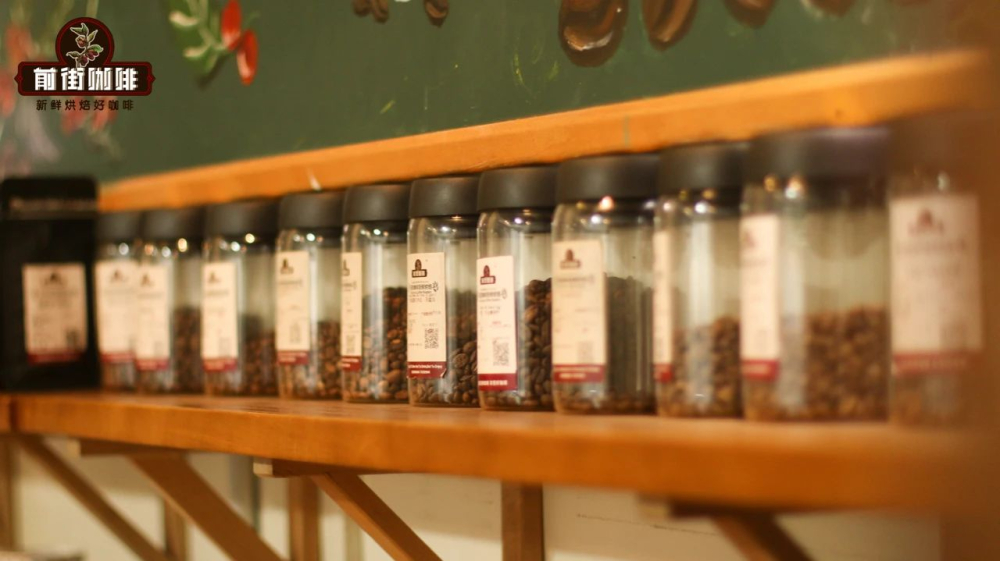
Below are several popular and commonly enjoyed drip bag coffee options, suitable for consumers with varying flavor preferences:
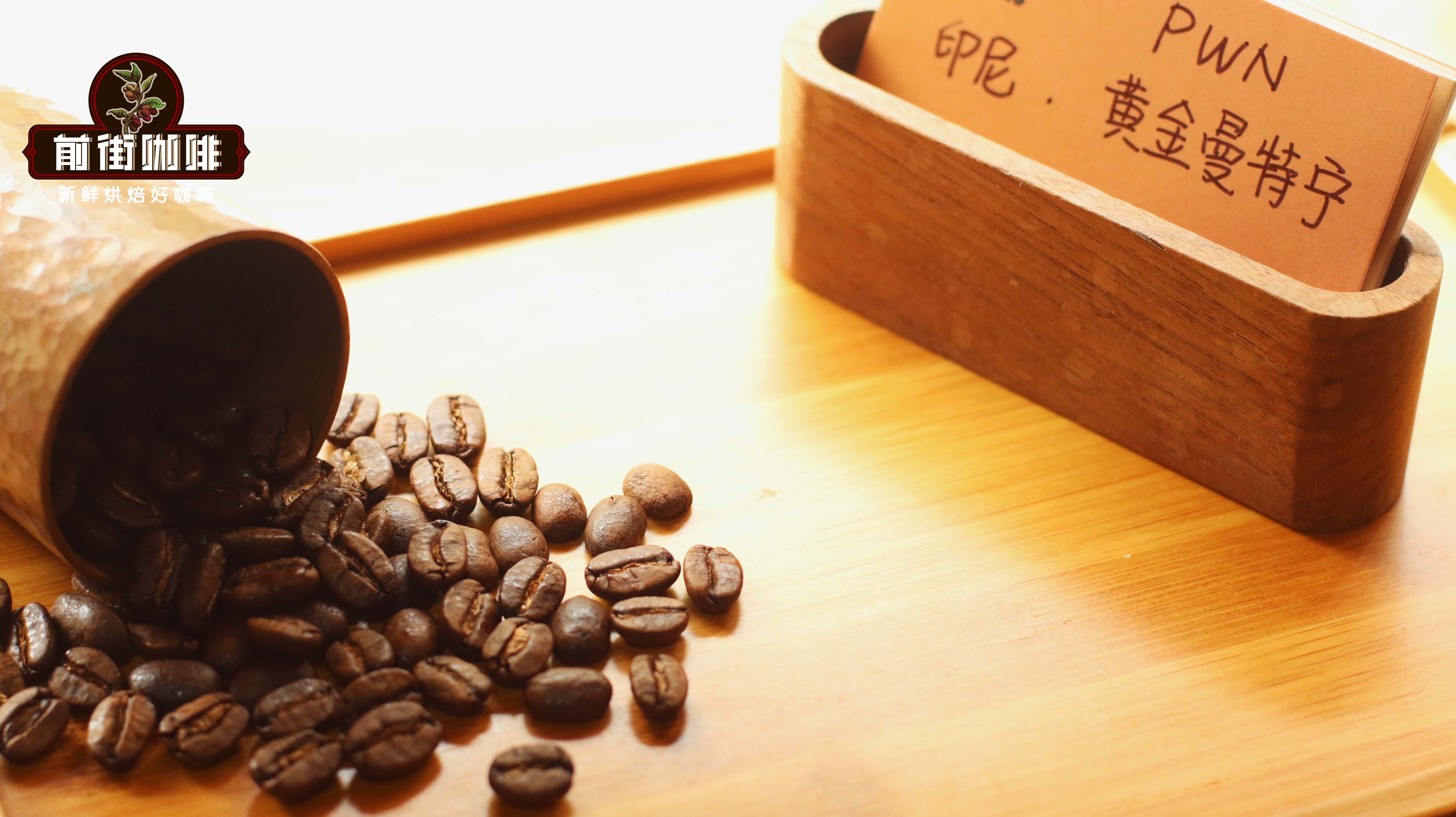
Indonesian PWN Golden Mandheling Drip Bag: This coffee comes from PWN, a well-known green bean supplier in Indonesia and the first company to partner with Japan in registering the “Golden Mandheling” trademark. Compared to regular Mandheling, the PWN version undergoes three rounds of manual selection, ensuring uniform bean size and consistent roasting color. Its taste is cleaner and richer, reminiscent of Guangdong herbal tea, without the common off-flavors. It’s ideal for drinkers who enjoy a bold profile yet seek a refreshing complexity.
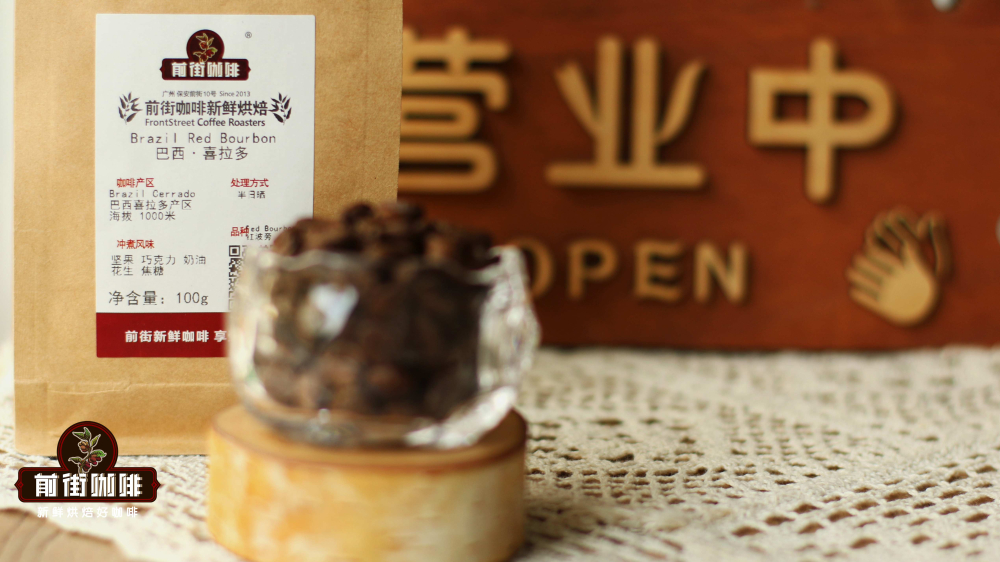
Brazil Cerrado Red Fruit Drip Bag: Coffee was introduced to Brazil in1720by Portuguese officers bringing coffee seeds, eventually making Brazil the world’s largest coffee exporter. Coffee cultivation expanded from the northern regions to the southeastern state of São Paulo, and by1845,Brazil accounted for45%of global coffee production. This drip bag showcases typical Brazilian flavors—low acidity, richness, and a base note of chocolate and nuts. It suits users who prefer stable taste profiles and balanced flavors.
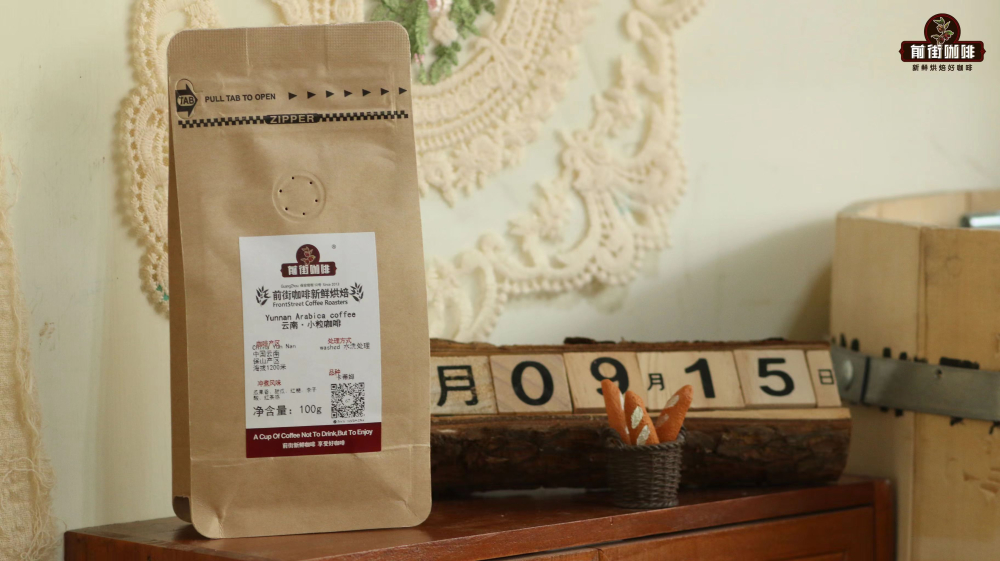
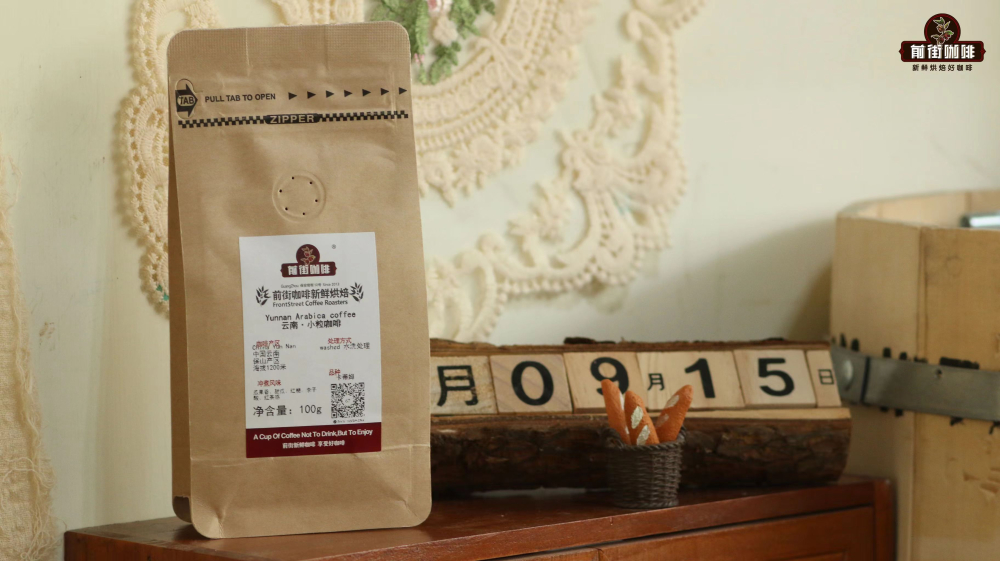
Yunnan Peaberry Drip Bag: Primarily cultivated from Typica and Catimor varieties, the smaller bean size earns it the nickname “peaberry coffee.” Among them, Catimor is a hybrid bred by the Portuguese from Timor (a Robusta variety) and Caturra. While it has certain advantages in disease resistance and yield, it is not of pure Arabica lineage, resulting in a relatively simpler flavor with more noticeable bitterness. This offering is washed-processed, delivering a tea-like flavor with notes of melon and fruit. The mouthfeel is smooth with a touch of acidity, while the latter part highlights a sweet finish, leaving a lingering caramel aftertaste. It’s suitable for consumers who prefer fruity flavor profiles.
The above content is compiled by CoffeeHunters, a coffee news website.


