








Introduction:Drip bags are a convenient choice for busy lifestyles, but do you know how they differ from instant coffee? This article delves into the key points of selecting drip bags, teaching you how to choose the right beans based on your flavor preferences, and detailing the standard process and advanced techniques for pour-over drip brewing—helping you easily brew high-quality black coffee.
For coffee enthusiasts, being able to enjoy a good cup of coffee at any time is undoubtedly one of life’s great pleasures. Thanks to their portability, drip bags have become the go-to option for many who want to enjoy coffee on the go. However, although drip bags may seem simple, their flavor performance is influenced by many factors—including the origin of the coffee beans, roast level, grind size, freshness, as well as the tamping technique used in packaging—all of which directly impact the final extraction. Therefore, understanding how to properly select and brew drip bags can significantly enhance your drinking experience.
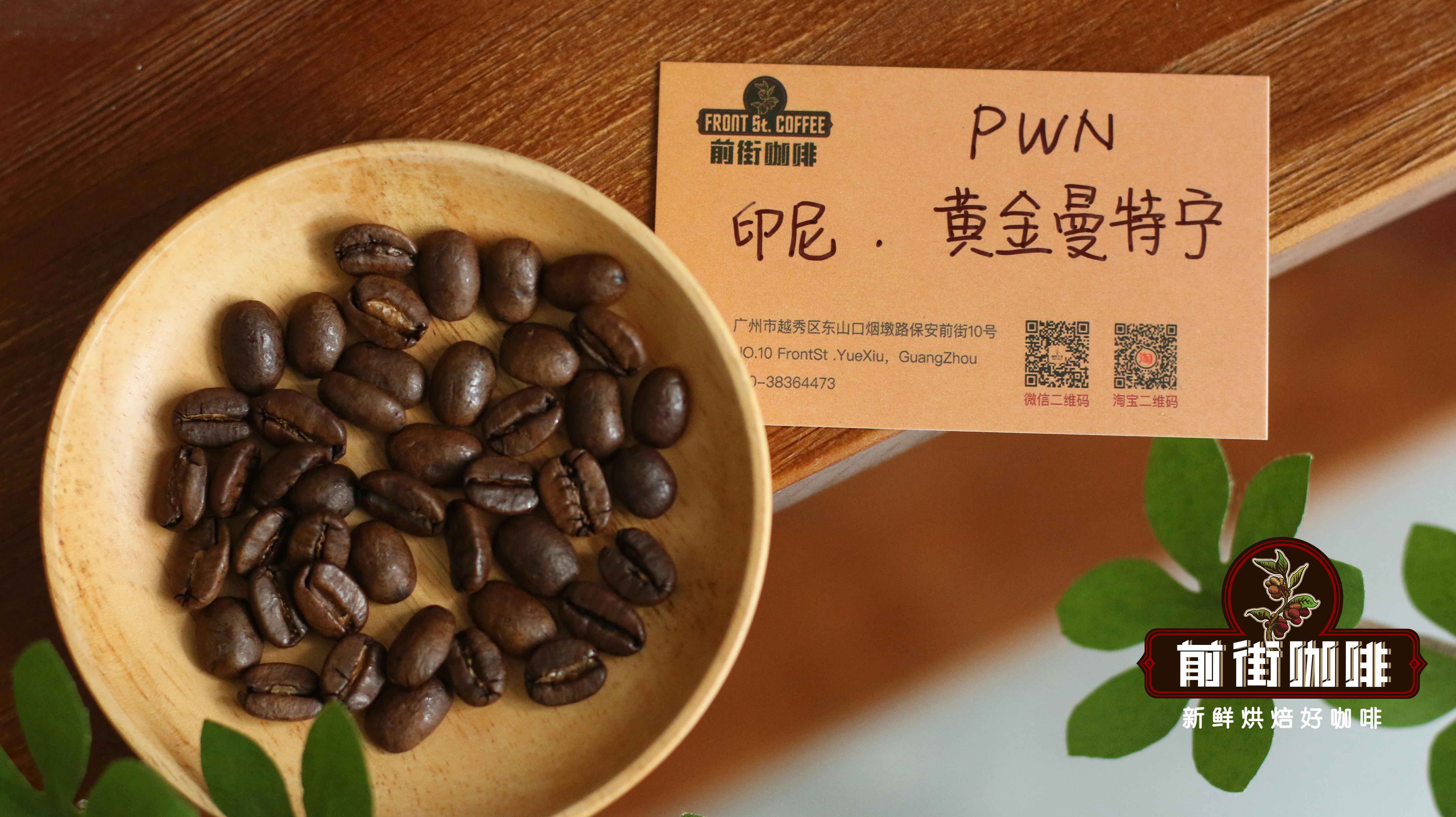
Among the many drip bag brands, some suppliers are known for offering a diverse range of flavors and high-quality roasted beans. Their product lines include various types, from bright fruity profiles to rich, low-acid options, catering to the taste preferences of different consumers. For example, those who prefer floral and fruity notes may want to prioritize products with characteristics such as black tea and berry flavors; if you enjoy a refreshing, slightly acidic taste, you might opt for varieties with notes of cherry tomatoes and dark plums; for users seeking balanced flavors, neutral profiles that are neither too acidic nor too bitter are often the first choice—these typically come from medium-roast beans from specific origins; as for those who love bold, rich flavors, it’s recommended to choose top-tier bean varieties that have undergone strict screening with low defect rates—these coffees often showcase deeper layers of aroma and a more pronounced aftertaste.
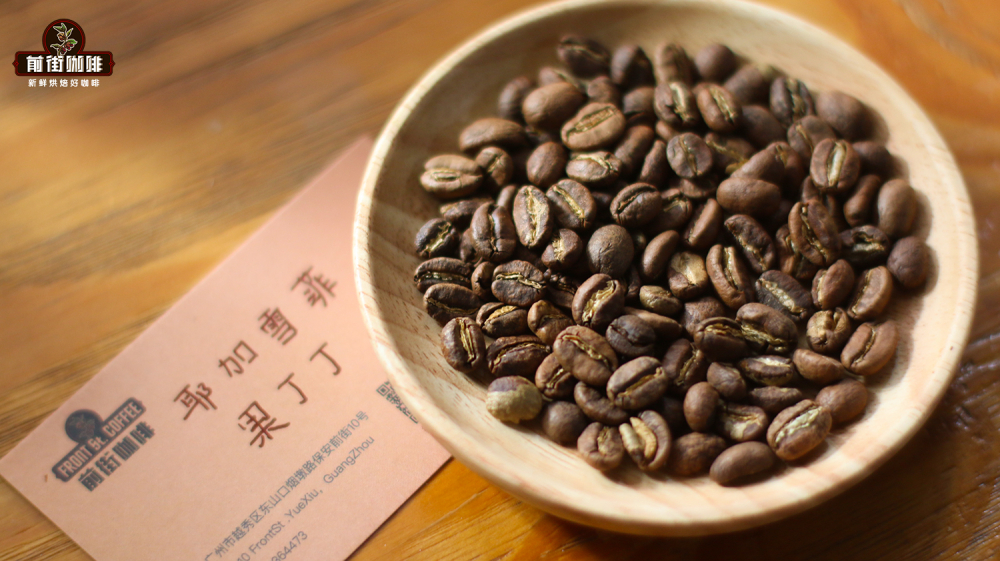
It’s worth noting that whether it’s a freshly released seasonal drip bag or a premium single-origin variety, quality suppliers typically insist on using freshly roasted coffee beans and employ a grind-and-pack approach to ensure each drip bag retains the best possible aroma and flavor. Freshness is one of the key factors affecting coffee extraction performance, so choosing products with clearly labeled roast dates will help you achieve a more ideal drinking experience.
The brewing techniques for pour-over drip bags are often a crucial factor in determining the final flavor profile. While selecting a drip bag that suits your taste already lays a solid foundation for the overall experience, mastering the correct brewing method can further elevate the coffee’s complexity and flavor expression. Many people tend to simply pour hot water quickly into the drip bag—a method that, while convenient, often fails to fully extract the delicate nuances of the coffee. In fact, just by adding some attention to detail to the basic steps, you can significantly improve the brewing results.
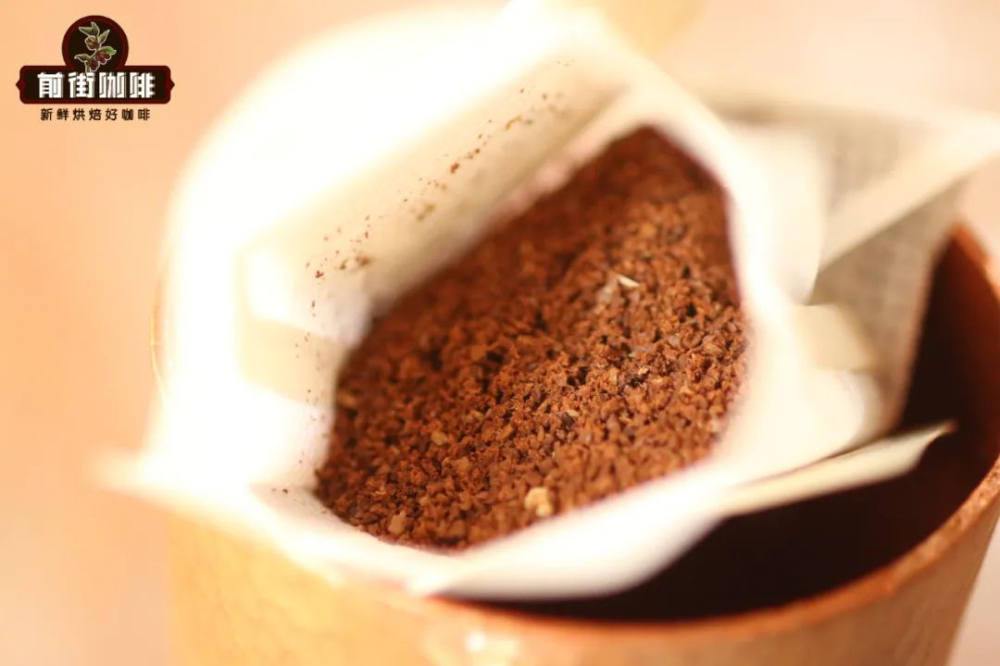
Before starting to brew, it’s recommended to open the drip bag and take a whiff of the dry coffee grounds. This step not only adds a sense of ritual but also helps assess the freshness and quality of the coffee beans. If the aroma is weak or there are off-odors, such as a noticeable rancid smell, you may need to reconfirm the product’s freshness. Next, you can gently tap the drip bag to distribute the coffee grounds more evenly inside, which aids in achieving consistent water flow and extraction during subsequent pouring.
Although the cup-warming step is often overlooked, it actually plays an important role in preserving coffee aroma. Preheating your brewing vessel helps reduce heat loss and maintains temperature stability during extraction, thereby enhancing the overall flavor integrity. This concept is similar to using an ice-cold glass when drinking beer—it effectively preserves the beverage’s optimal flavor state.
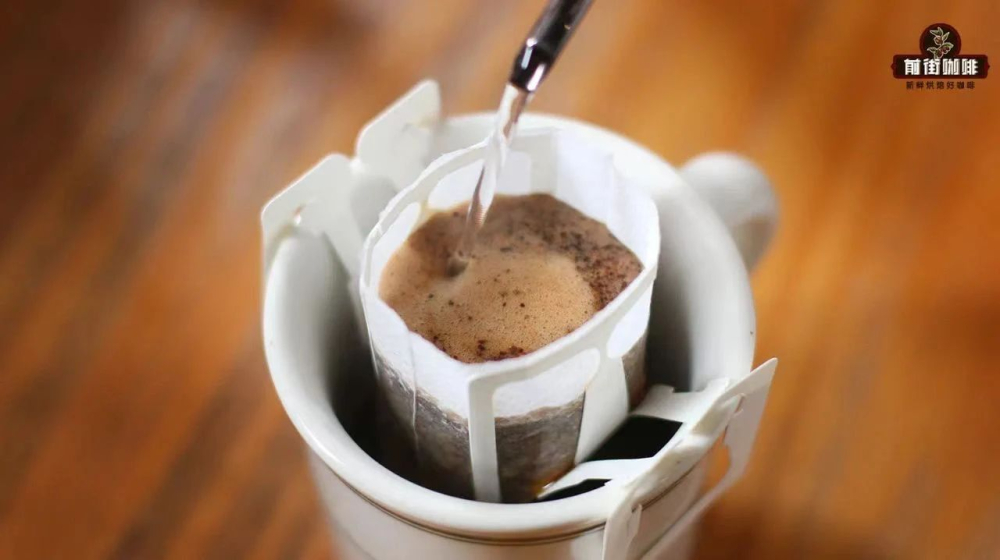
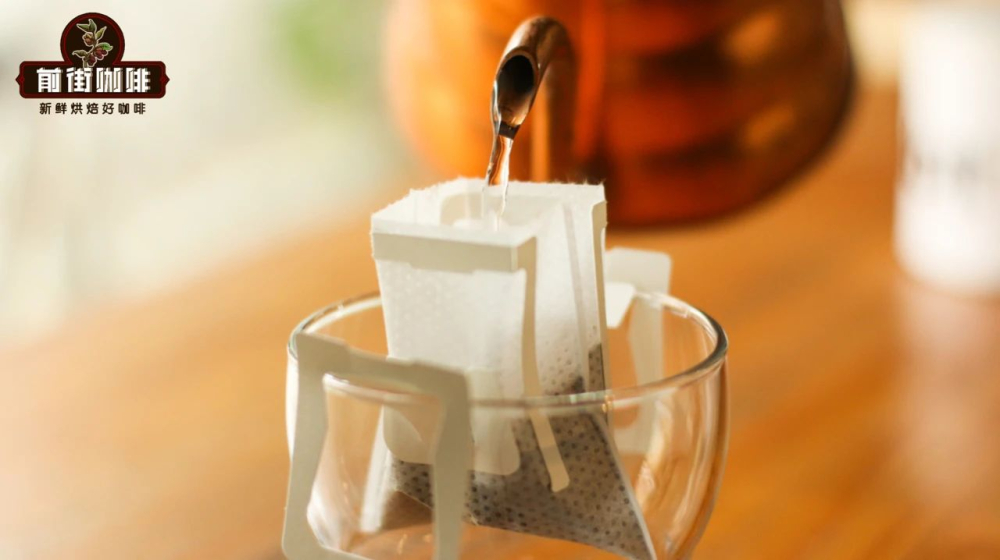
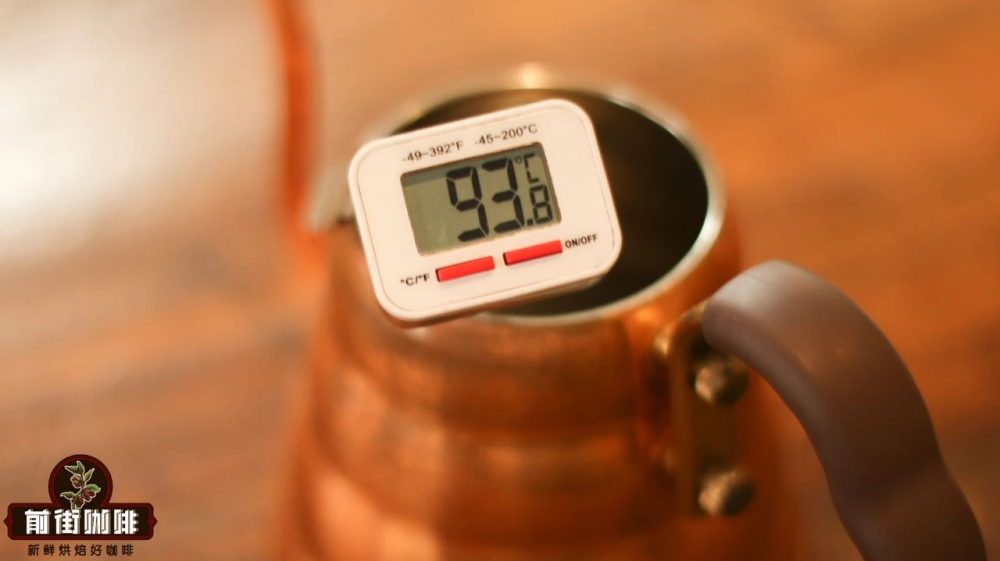
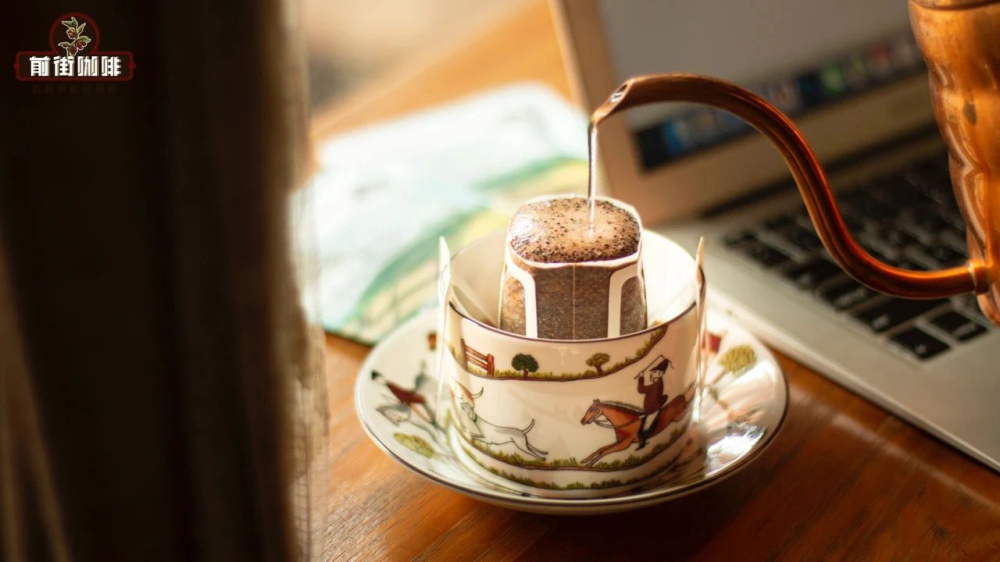
When it comes to actual pouring, it’s recommended to use about 140-300cc of hot water, and to control the water temperature between 90°C and 93°C . Begin with the blooming step by pouring just enough water to wet all the coffee grounds, then let it sit for about 10 seconds. This helps to activate the aromatic compounds in the coffee grounds. Subsequently, pour in a circular motion—starting from the outside, moving inward, and then back outward—and aim to keep the pouring time within 90 to 120 seconds . This time range helps control extraction uniformity and flavor balance.
By following the steps above, even in the midst of a busy daily life, you can easily enjoy a pour-over drip coffee with a rich and layered flavor. Although the ideal pour-over process requires a bit of time and attention, mastering the key techniques allows you to experience the beauty of coffee’s finer details with every brew. Remember, it’s often the little details that make the difference in flavor—just a bit more care can bring more surprises to your everyday coffee moments.
The above content is compiled by CoffeeHunters, a coffee news website.


