







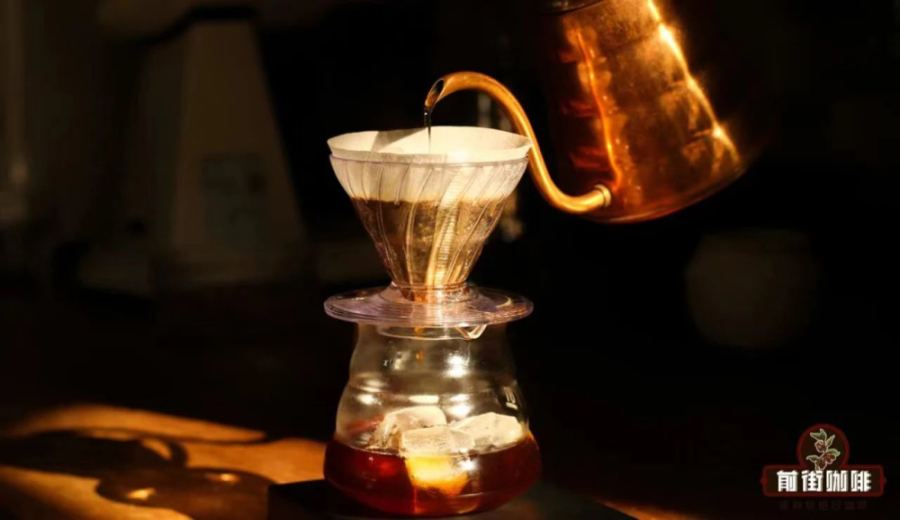
Introduction:The grind size of coffee beans is one of the key factors that influence the flavor of pour over coffee. Different levels of coarseness or fineness not only alter extraction efficiency but also directly determine the taste and aroma profile of the coffee. This article will delve into how grind size affects pour over coffee, teach you how to assess coffee grounds' coarseness without a professional sieve, and provide grind references suitable for various brewing devices to help you find your optimal grind setting.
During the coffee brewing process, the coarseness or fineness of the grind plays a pivotal role. It directly affects the surface area contact between the coffee grounds and water, which in turn influences extraction time and the final flavor presentation. If the grind is too fine, it may lead to over-extraction, making the coffee taste bitter and unpleasantly astringent with pronounced off-flavors. Conversely, if the grind is too coarse, it can result in under-extraction, causing the coffee to taste weak and lack complexity. Therefore, mastering the correct grind size is a fundamental skill every coffee enthusiast should have.
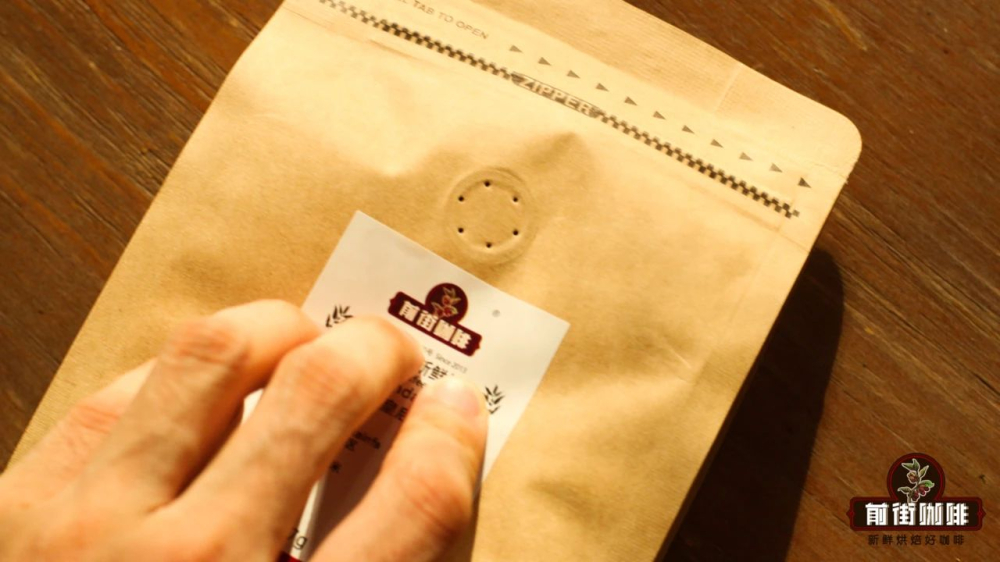
First, make sure the coffee beans you use are freshly roasted. Whether single-origin beans or blends, it’s recommended to choose products labeled with a roast date and equipped with a one-way degassing valve. The one-way valve allows carbon dioxide released during roasting to escape while preventing oxygen from entering, thereby slowing down flavor degradation. It is suggested to let freshly roasted coffee beans rest—or “degas”—for 3 to 7 days. This allows the internal carbon dioxide to dissipate naturally, resulting in more stable extraction performance. Especially for light to medium roast beans, it’s recommended to degas for 3 to 4 days; for medium to dark roasts, 4 to 5 days is advisable to ensure optimal flavor expression.
The freshness of coffee beans not only affects the release of carbon dioxide but also directly impacts their aromatic compounds. These small molecules responsible for the coffee's aroma evaporate quickly. Once the beans have been stored for too long, even the finest grind cannot compensate for the loss of flavor. Therefore, selecting freshly roasted and well-preserved coffee beans is the first step toward successful extraction.
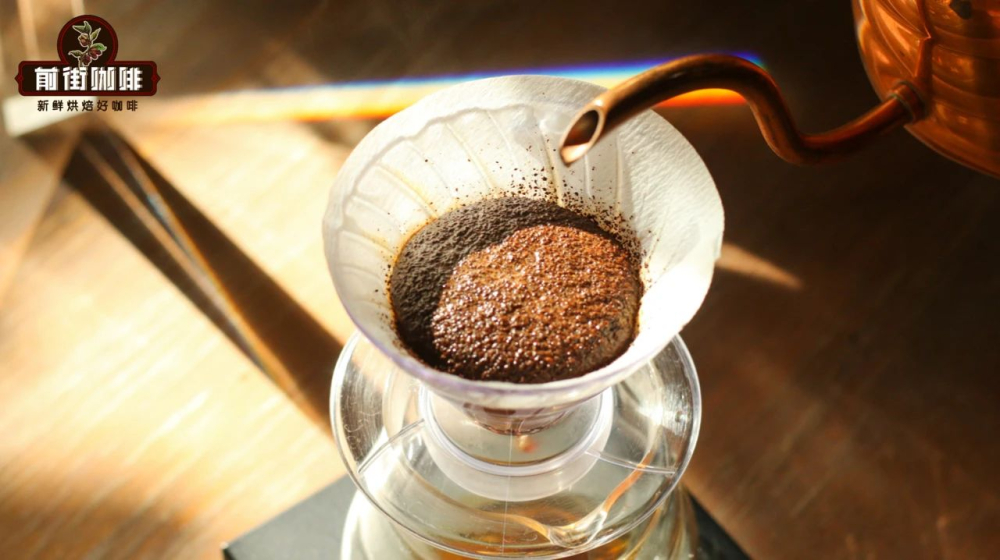
So, how does grind size affect coffee flavor? Simply put, under the same weight of coffee and volume of water, the finer the grind, the larger the total surface area of the coffee particles, and thus the greater the contact area with water. This allows water to extract more flavor compounds from the coffee. In contrast, when the grind is coarser, the spaces between coffee particles are larger, water flows through more quickly, reducing extraction time and leading to lower overall concentration and extraction efficiency.
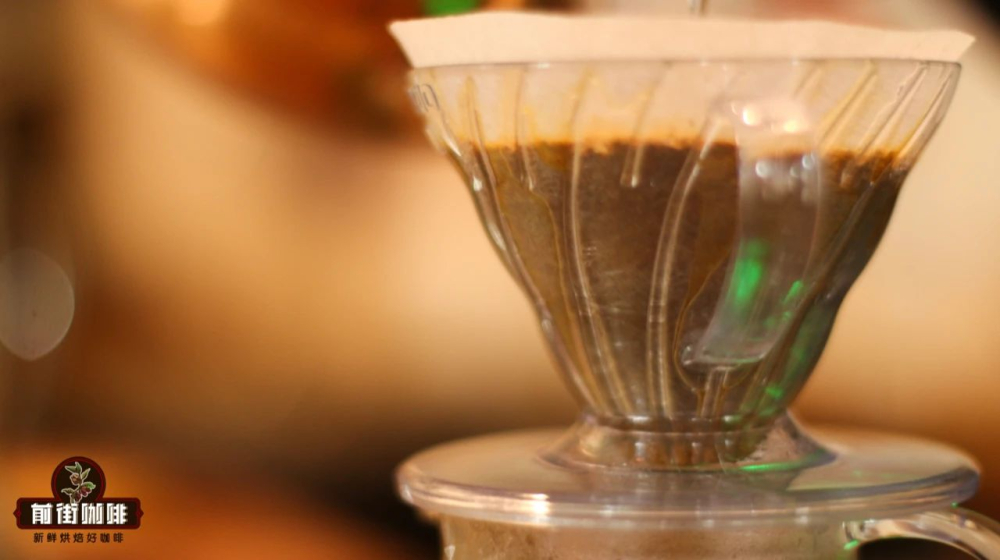
When the grind is too fine, the coffee particles pack tightly together, making it difficult for water to pass through and extending the extraction time, which often leads to over-extraction. Such coffee tends to have a strong, intense flavor, but with pronounced bitterness and even astringency, while the delicate flavors are masked. On the other hand, if the grind is too coarse, water passes through too quickly, resulting in under-extraction, and the coffee will taste thin, lacking depth and complexity.
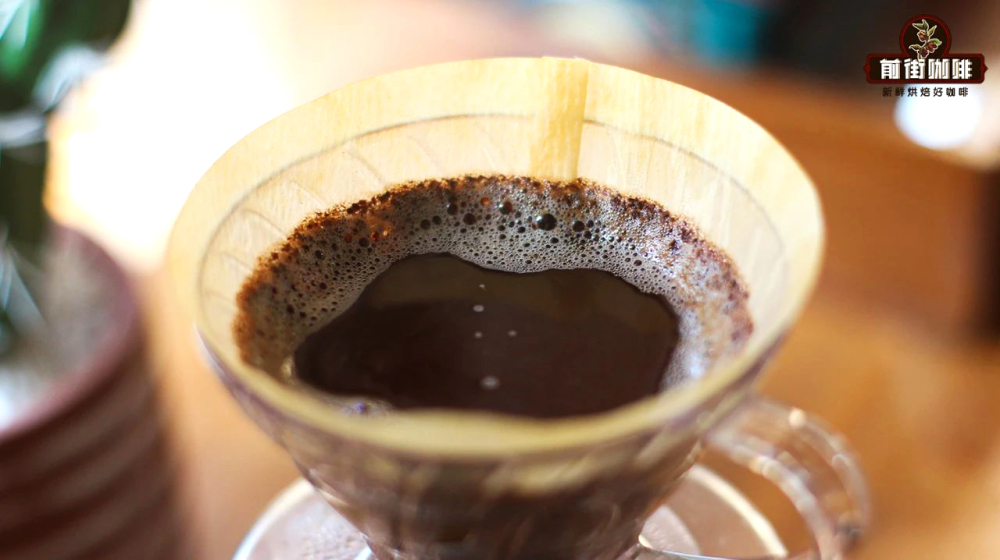
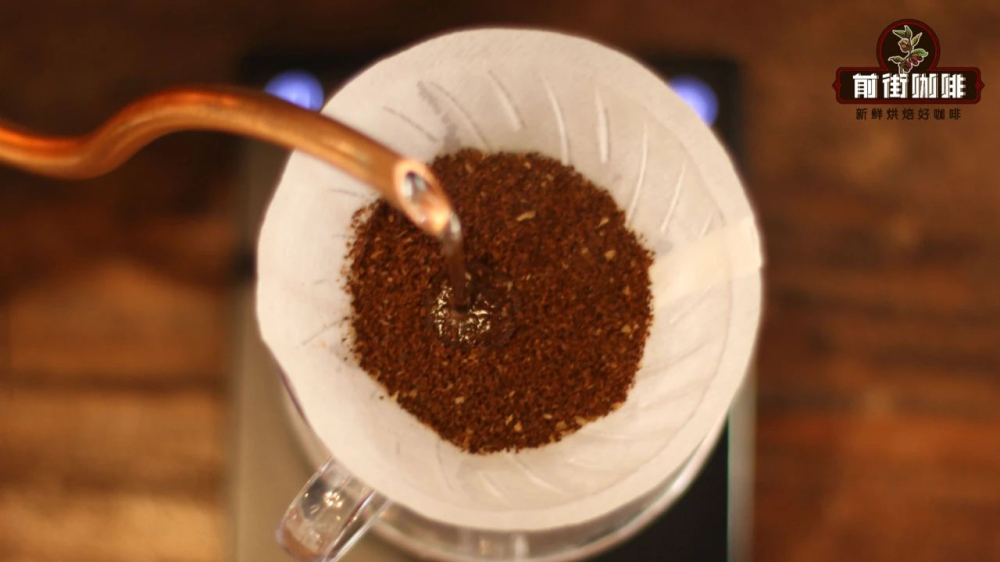
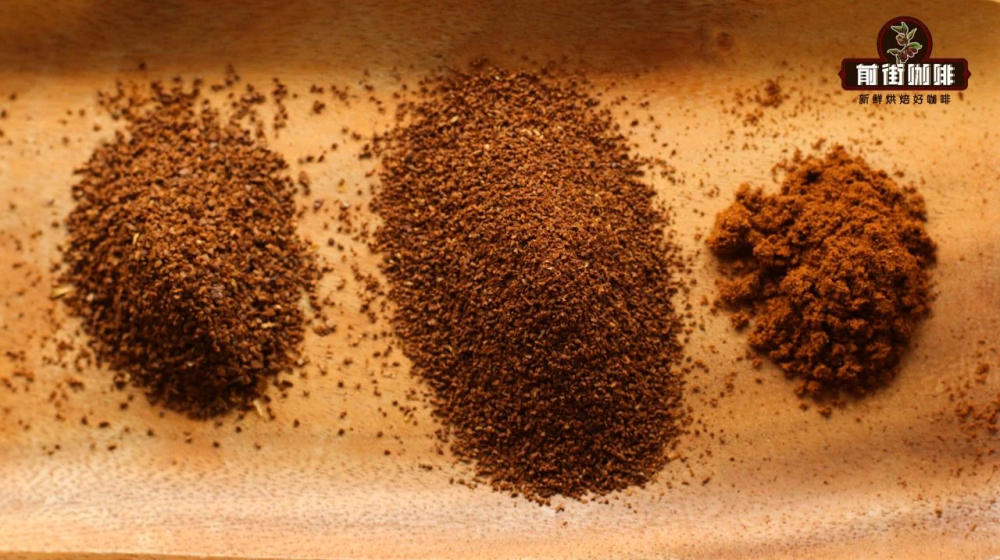
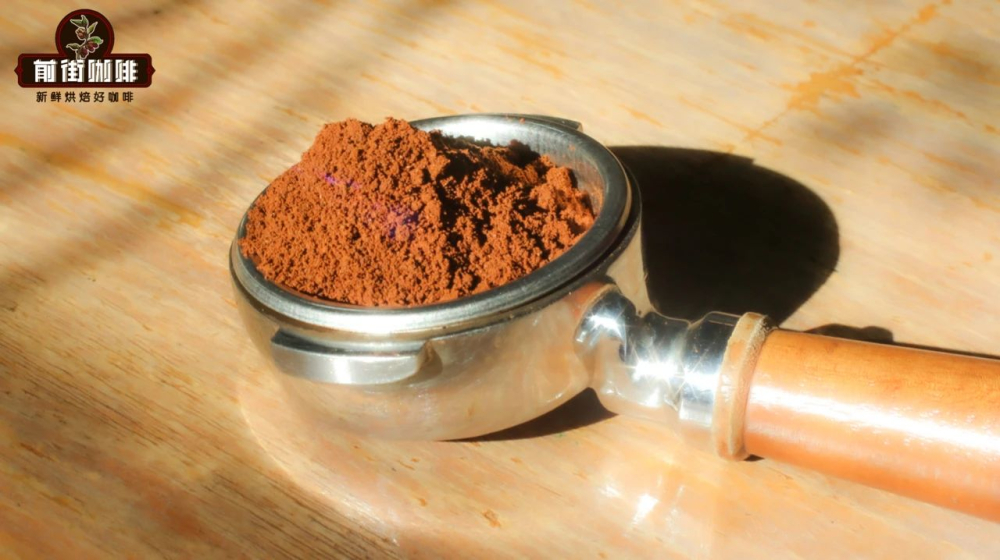
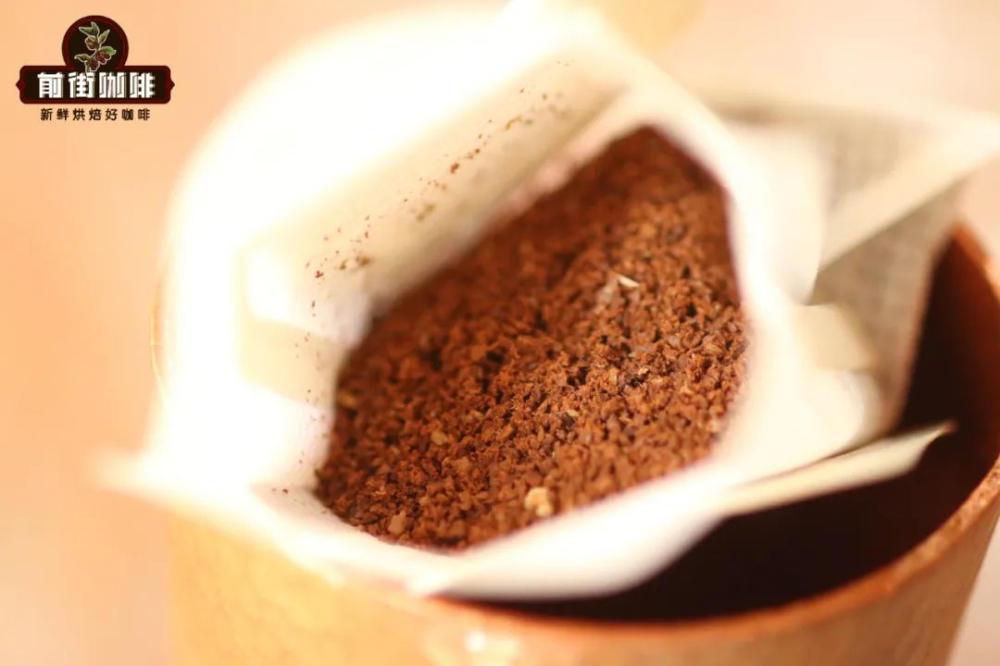
For those without a professional sieve, assessing grind coarseness isn’t difficult. We can roughly categorize ground coffee into five types: extra fine, fine, medium-fine, medium, and coarse. Extra fine grind is suitable for espresso machines or moka pots, where high-pressure extraction is required. The coffee particles need to be fine and uniform to create consistent resistance under pressure, extracting rich crema. Fine grind is commonly used for drip bags, where the filtration characteristics of the drip bag paper allow fine grinds to increase extraction surface area and enhance flavor performance.
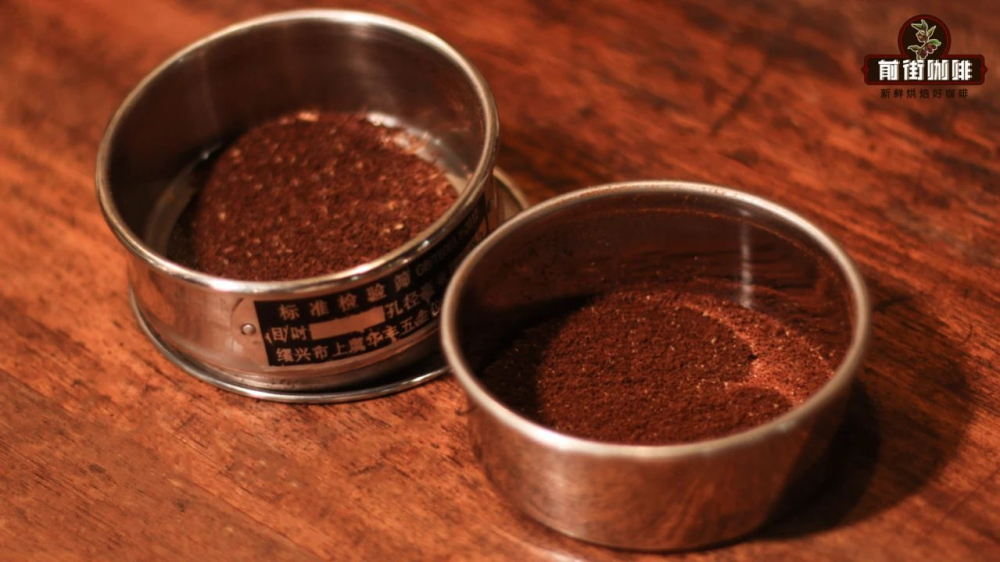
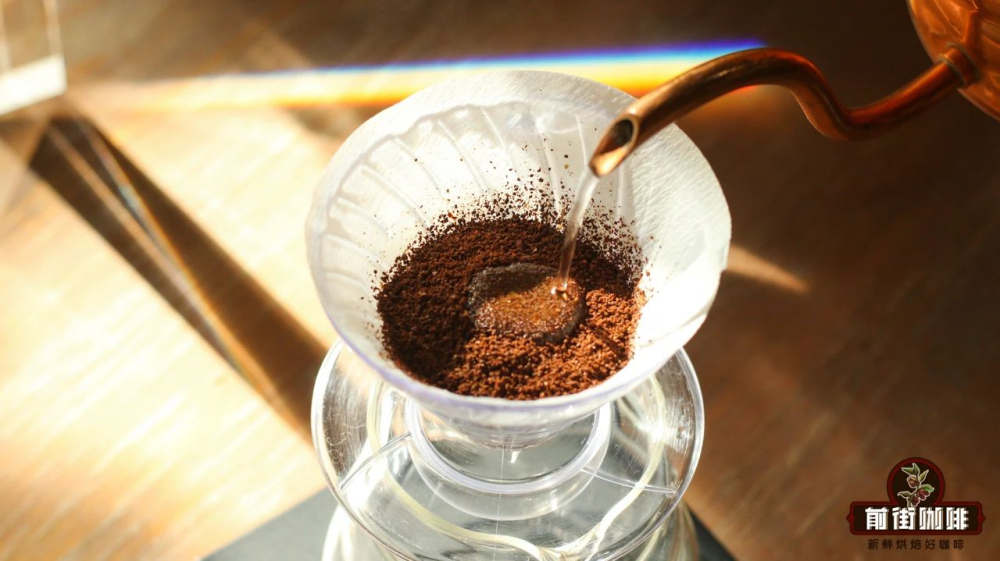
Medium-fine grind is suitable for most pour over methods, especially when using light to medium roasted beans. The particle size is similar to that of fine sugar, with a sieve passing rate usually between 75%-80%. This grind level can fully highlight the acidity and sweetness of the coffee, making it ideal for those seeking a brighter flavor profile. Medium grind is better suited for medium to dark roasted beans, with particles similar to coarse sugar and a sieve passing rate of about 70%-75%. It helps avoid over-extraction and is particularly suitable for beginners practicing pour over. Lastly, coarse grind is intended for French press use. Since the French press uses a metal filter and involves longer steeping times, the coarse grind ensures a slow and steady flavor release while preventing fine particles from passing through the filter and affecting mouthfeel.
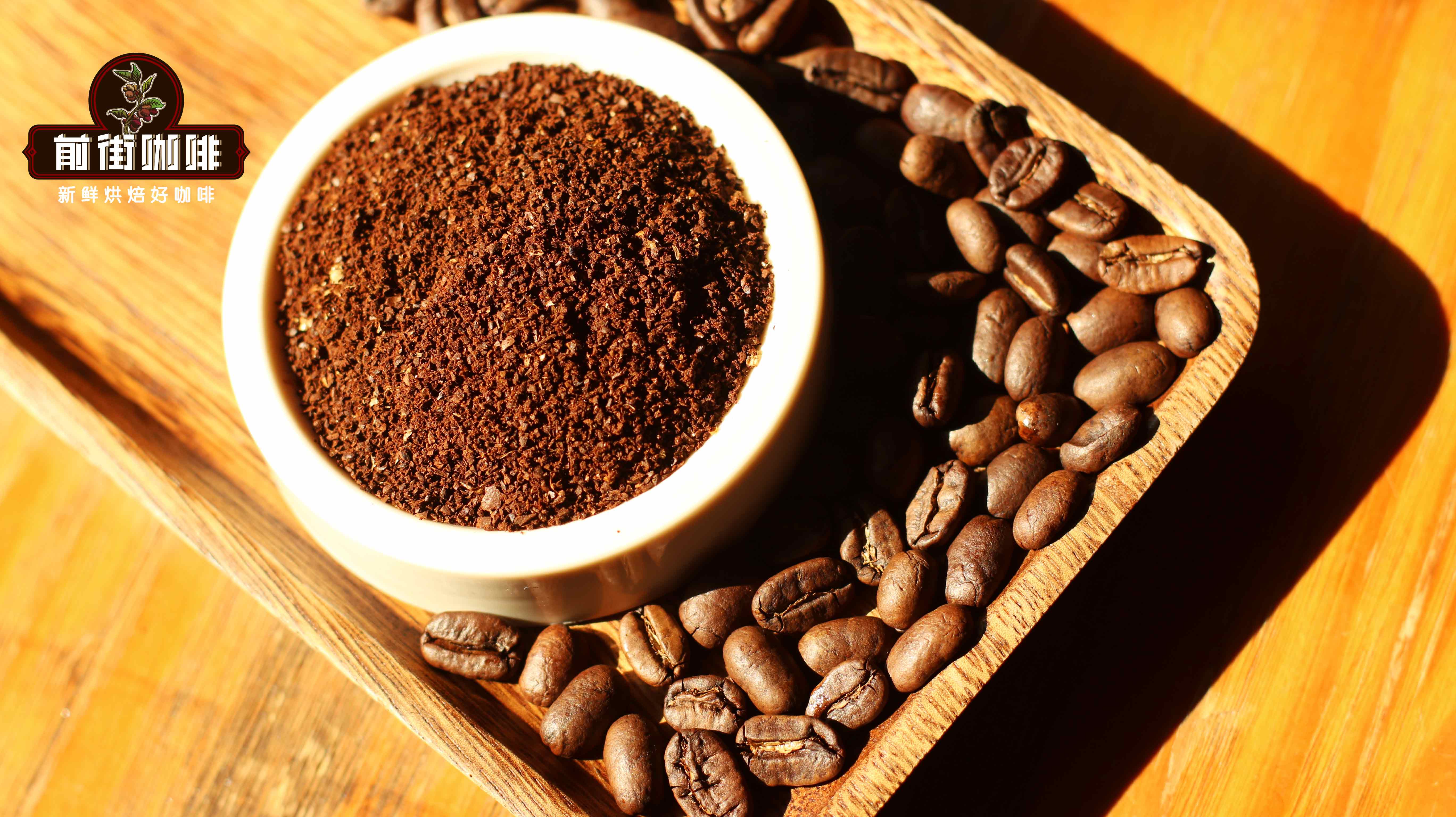
If you wish to adjust your grind size more precisely, you can use a No. 20 sieve (with 0.85mm holes) for assistance. Take 10 grams of coffee beans, grind them, and then pour the coffee grounds onto the sieve to filter. Observe the amount of coffee powder that passes through the sieve to evaluate the grind coarseness and make micro-adjustments. However, even without professional tools, by observing the particle size and actual brewing results, you can gradually find the grind settings that suit your personal taste.
The above content is compiled by CoffeeHunters, a coffee news website.


