







Introduction:Drip bags combine the quality of pour over with the convenience of instant brewing, making them a daily favorite for many coffee lovers. But do you know how to use drip bags correctly to extract a rich and layered cup of black coffee? This article will guide you through the basic brewing techniques, ideal water temperature and volume control for drip bags, and analyze the key factors that affect flavor—so you can easily brew a professional-grade cup of coffee at home or in the office.
Many newcomers to coffee often ask: how should you brew a drip bag to make it taste good? In truth, using a drip bag isn’t as simple as just dropping the filter pack into a cup and pouring hot water over it. It contains pre-ground coffee packed in a filter pouch, with a convenient “ear-like” design that allows you to filter the coffee much like a pour over, yet without the hassle of complicated equipment. Master just a few key techniques, and you too can enjoy a professional-grade drip-filtered black coffee with ease.
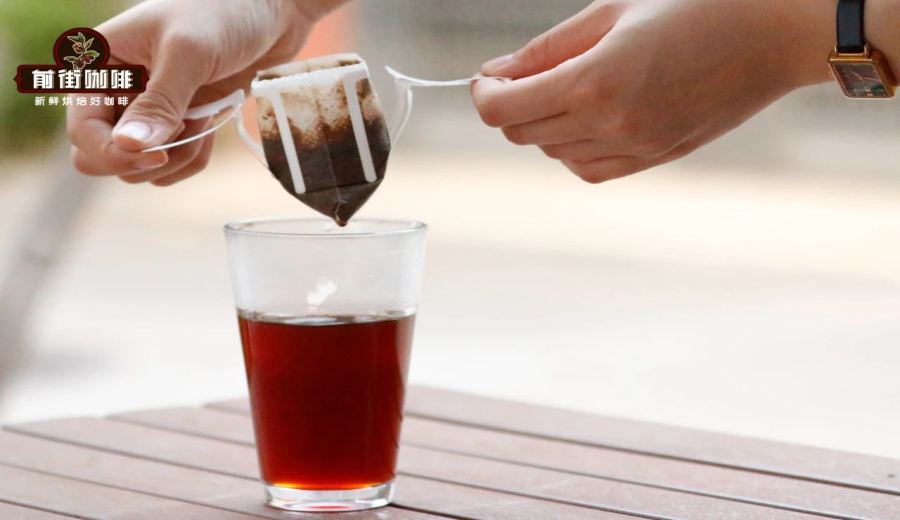
First, it’s important to understand the structure of a drip bag. It contains freshly ground coffee, not the instant granules found in soluble coffee—so never just toss the whole pack into hot water and stir. Doing so not only fails to effectively extract the flavors but may also leave you with a mouthful of coffee grounds. The correct method is to tear open the “Open” marked seal on the drip bag, unfold the two “ears,” and hang it securely on the rim of your cup to prepare for brewing.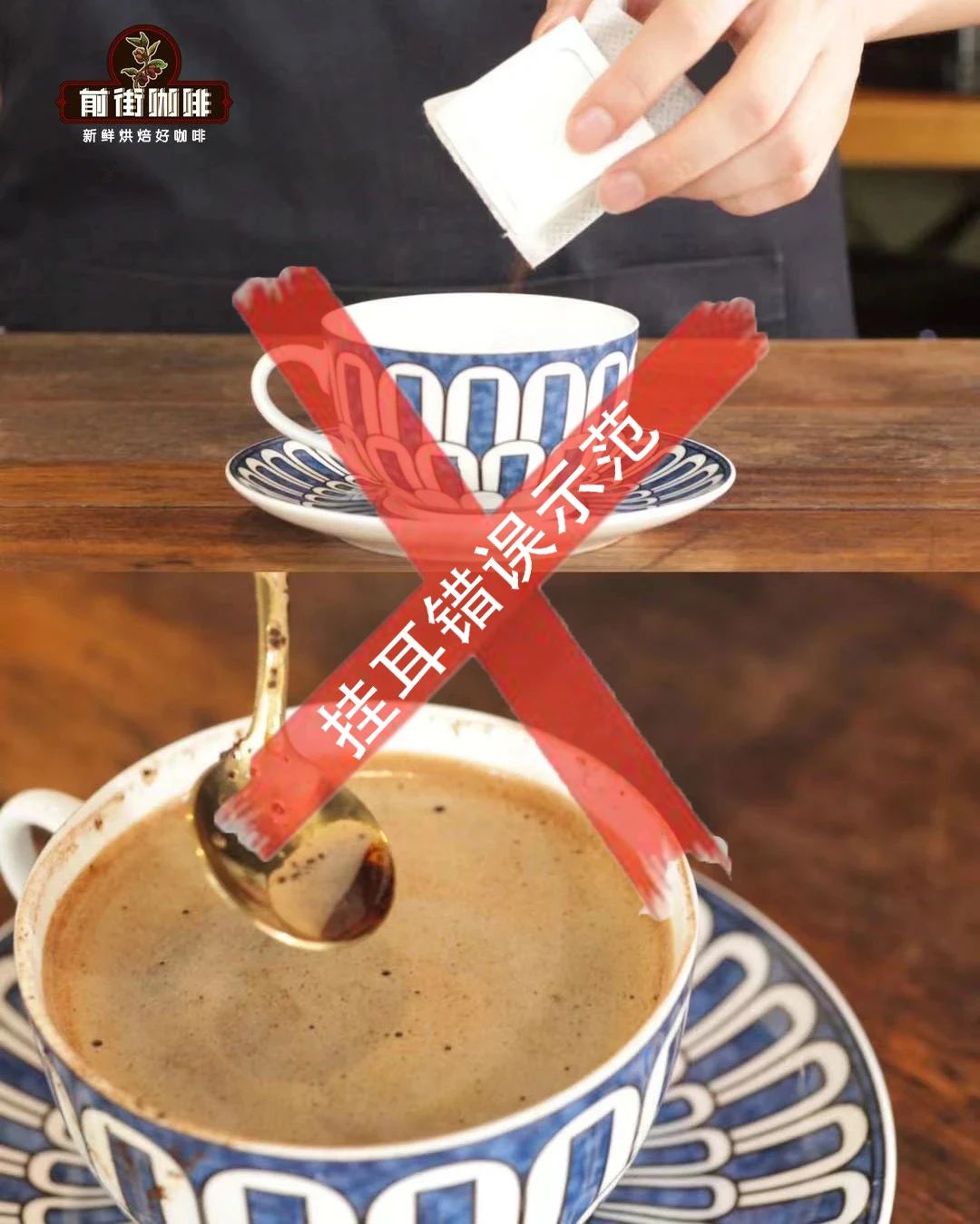
Many wonder if you need to use a gooseneck kettle, a scale, and strict pouring techniques like you would for pour over. The truth is, it’s not always necessary. If you’re aiming for convenience and efficiency, the drip bag process is already greatly simplified—even a regular thermos or kettle you have on hand can get the job done. However, if you want to better appreciate the subtle layers of coffee flavor, mimicking the circular pouring and slight blooming of pour over can still yield great results.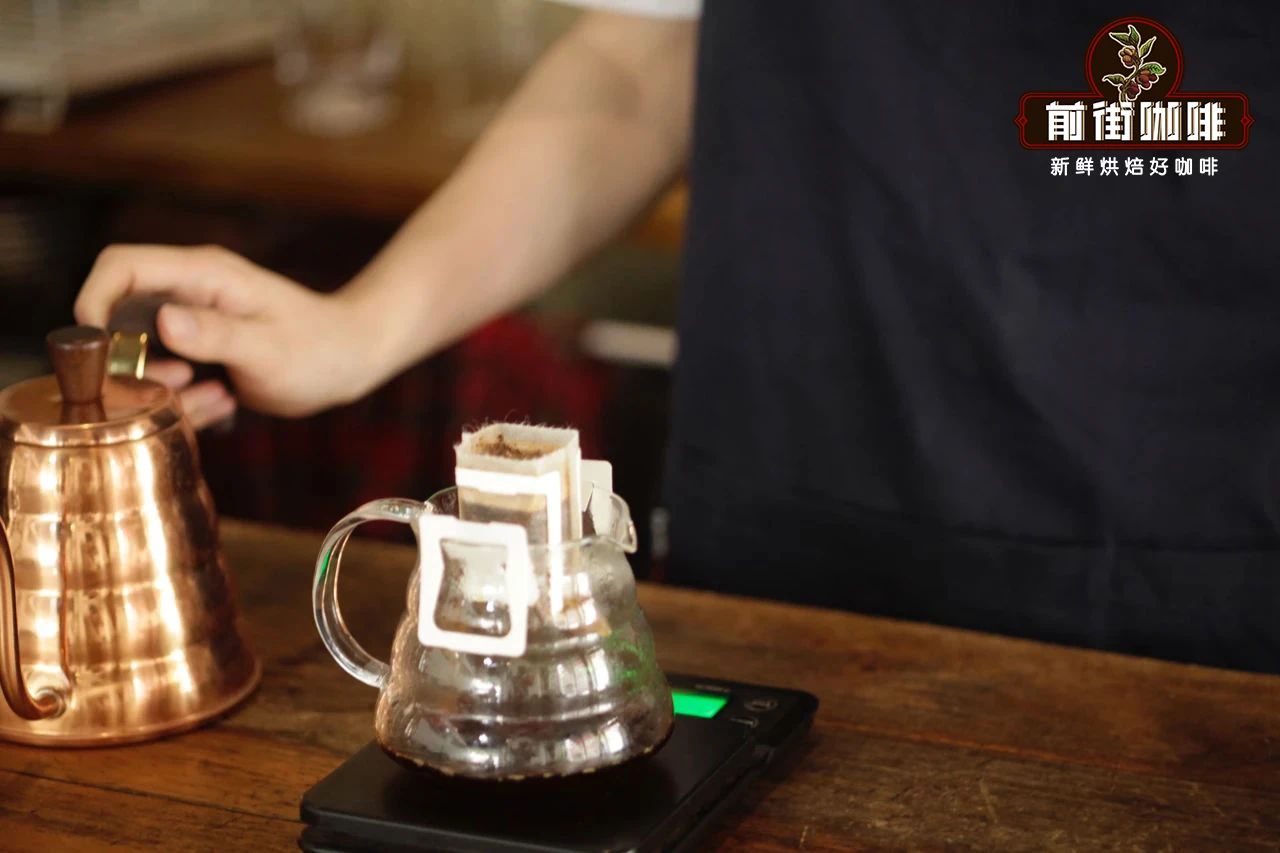
As for pouring methods, because the opening design of a drip bag differs from that of a pour over filter cone, overly meticulous circular or segmented pouring offers limited benefits. The top and bottom widths of a drip bag are similar, and the opening is narrow, so circular pouring doesn’t help with even extraction as noticeably as it does with conical filters. Therefore, the focus should be on controlling water temperature and total pour volume rather than elaborate rituals.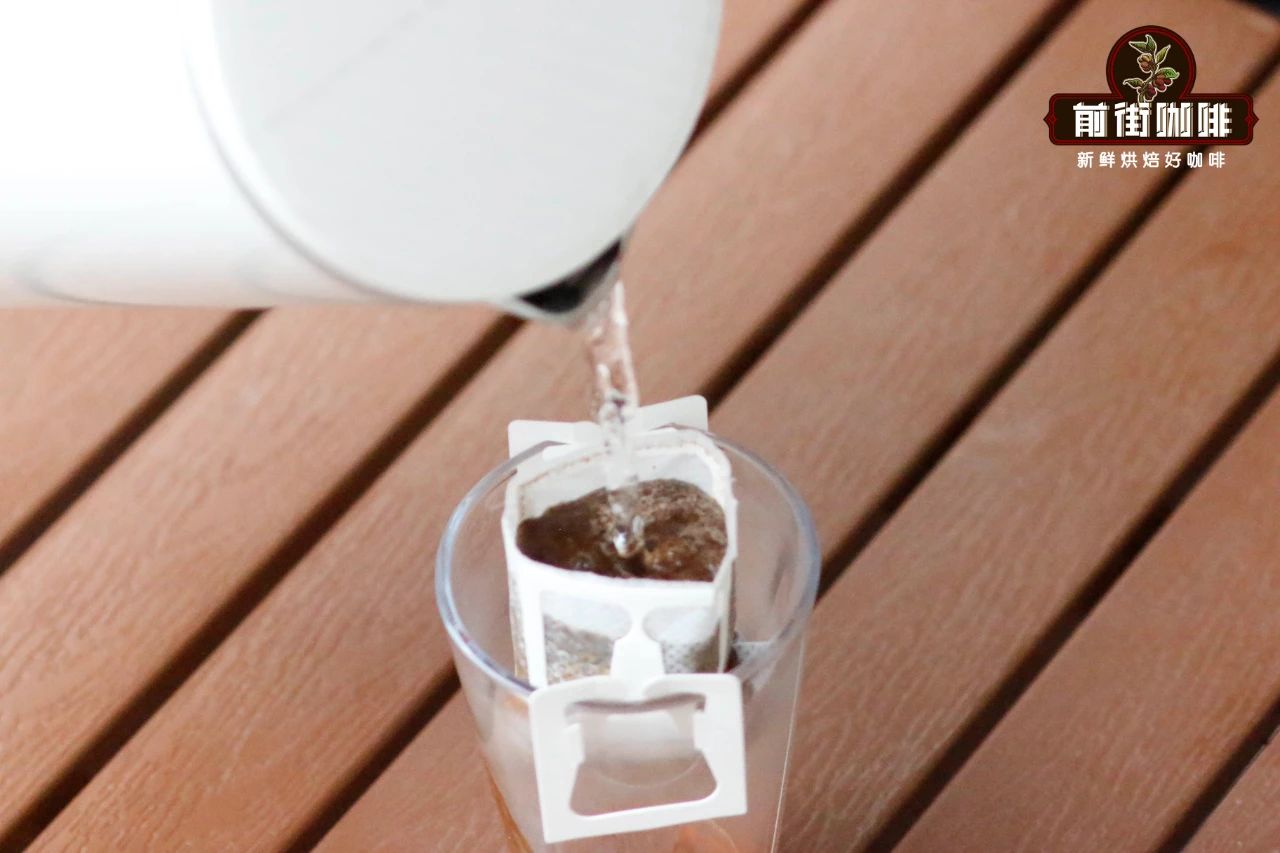
In terms of parameters, it is recommended to use water at a temperature between 88 to 91 degrees Celsius. This is the golden range for extracting the flavorful compounds in coffee. Many office workers are accustomed to using hot water from water dispensers, but its temperature is often only around 75°C, which can lead to under-extracted coffee with bland flavors. For the best results, be sure to use water that is close to boiling but not yet boiling, in order to fully bring out the aroma and sweetness of the coffee.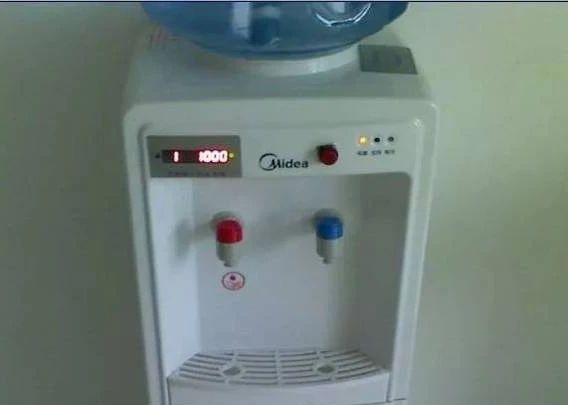
For a standard 10-gram drip bag, the generally recommended pour volume is 120 to 150 milliliters. If you’re at the office or on the go, you can simply hang the drip bag on your usual mug and remove the filter pouch once the water level reaches about 150 milliliters. This method doesn’t require a scale and still allows you to easily control the concentration, making it perfect for a quick daily coffee fix.
Below is a practical four-stage pouring demonstration. All you need is a drip bag, a tall cup, and a thermos filled with hot water to get started: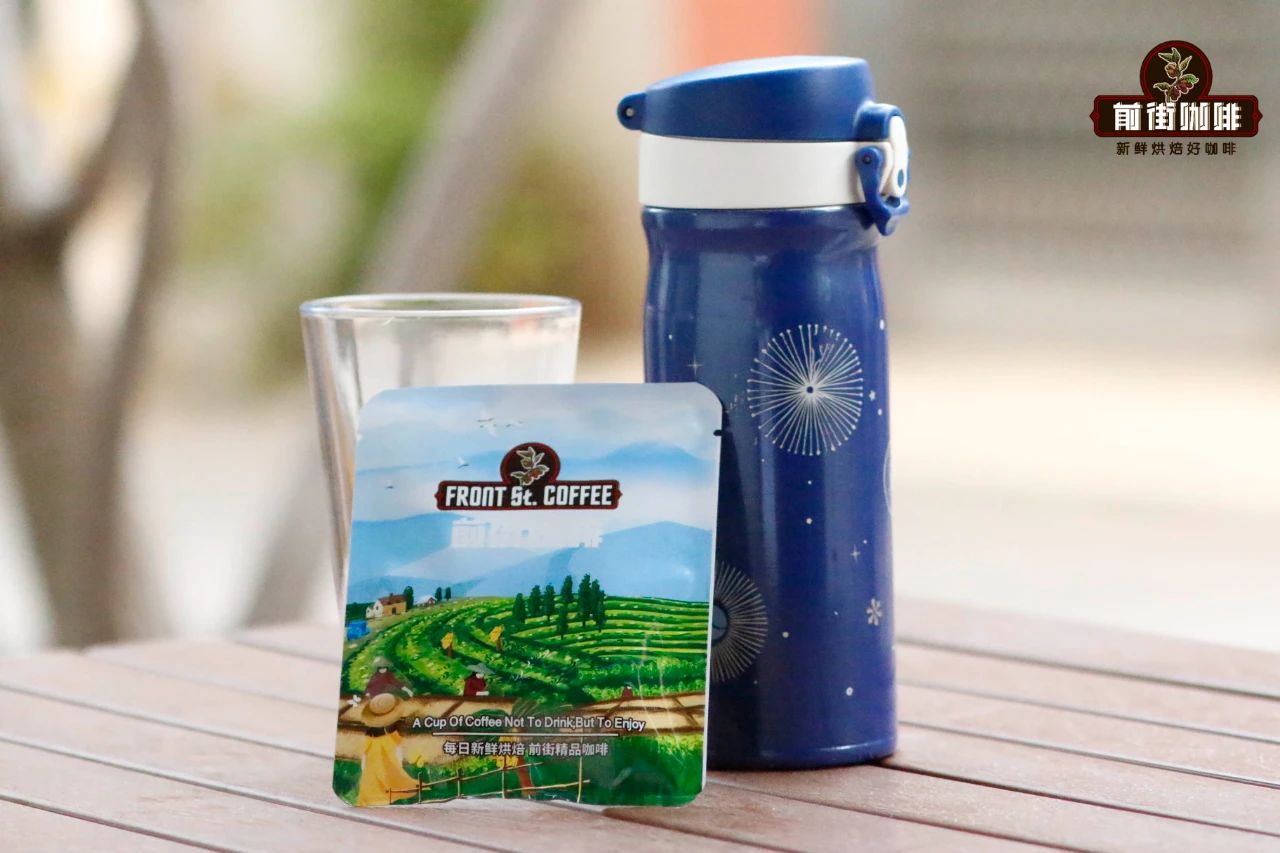 First, tear open the drip bag and hang it on the cup. Then, pour hot water from the thermos into the filter pouch until it reaches about half full, and let it bloom for 15 seconds to allow the coffee grounds to fully degas.
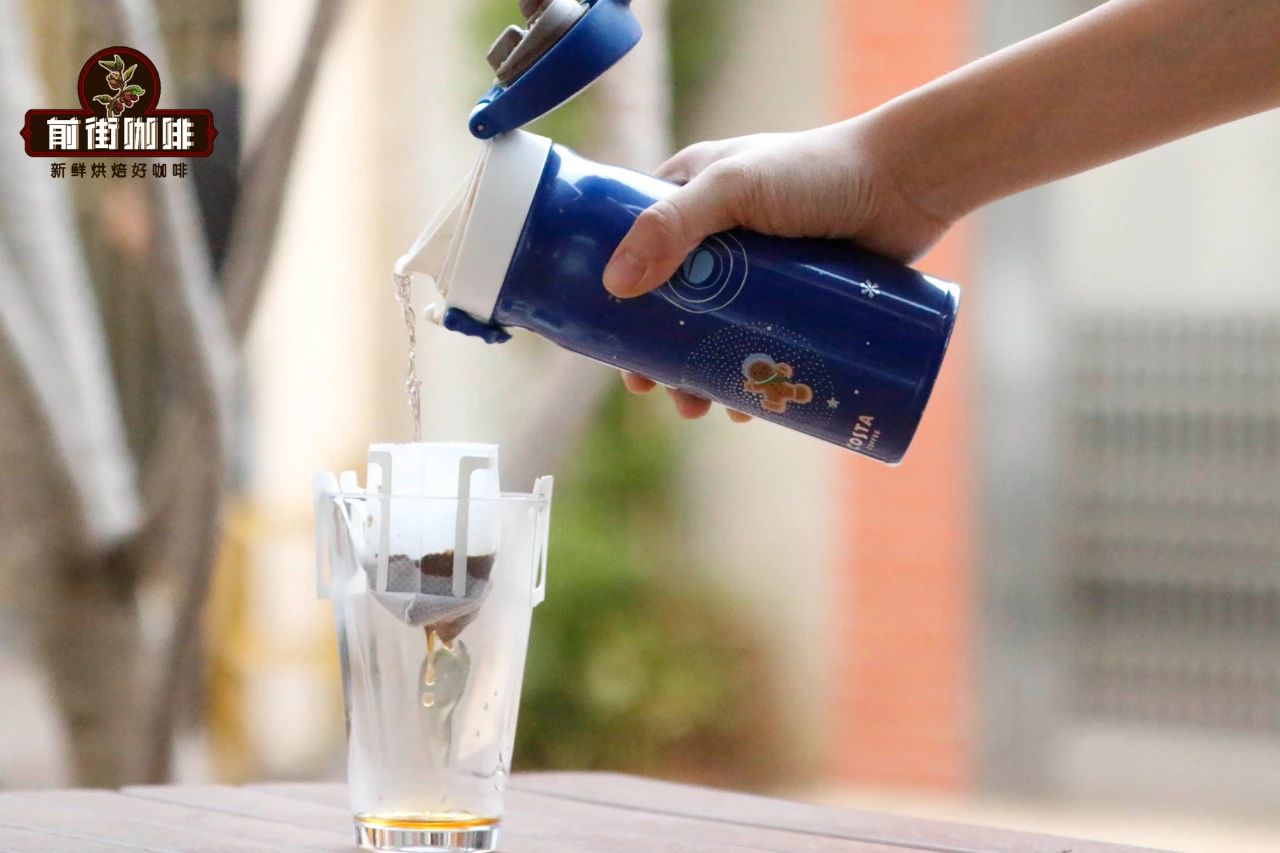 Next, continue pouring hot water until the filter pouch is about 90% full, roughly up to the top of the small card, and let the coffee slowly drip through.
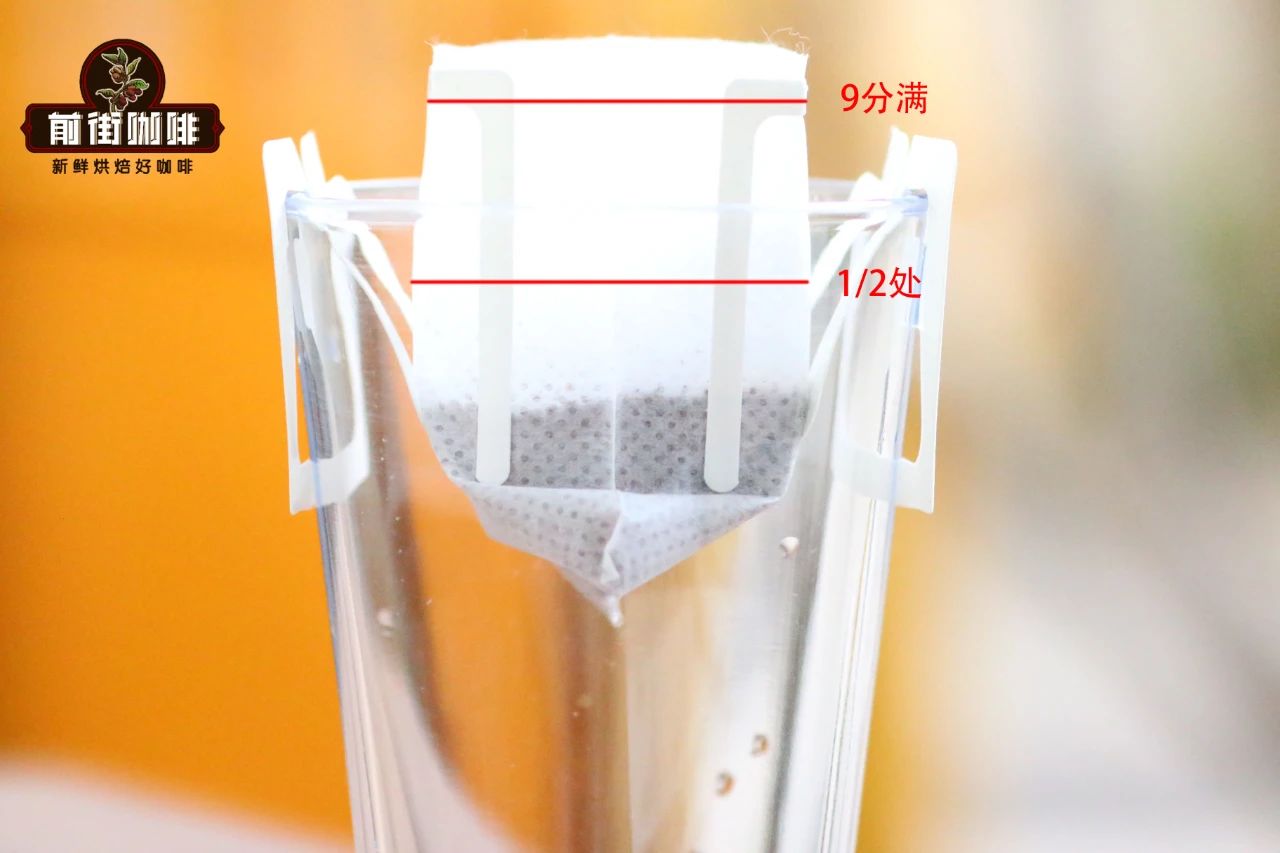
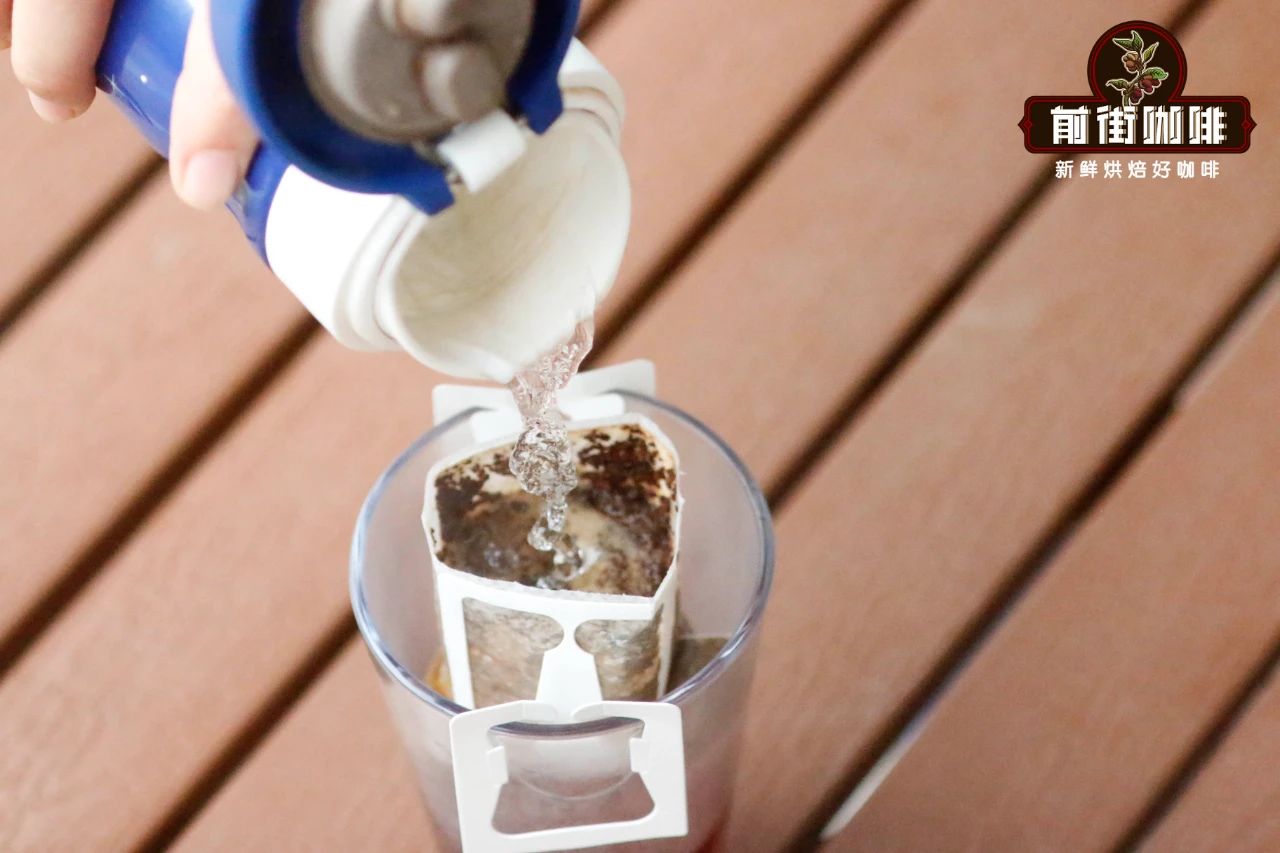 Once the dripping finishes, repeat the process of filling the pouch to 90% full two more times, waiting until the coffee liquid has completely dripped into the cup before each subsequent pour.
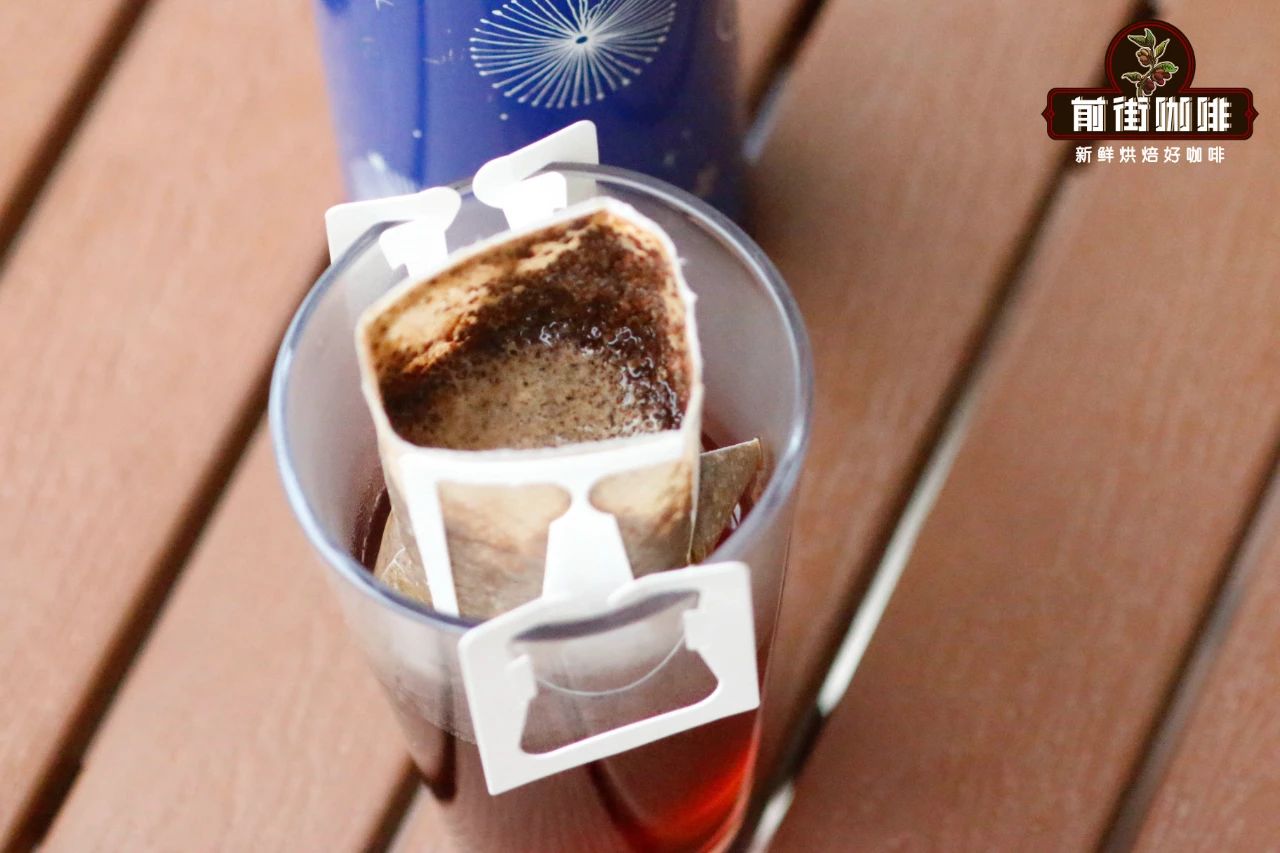
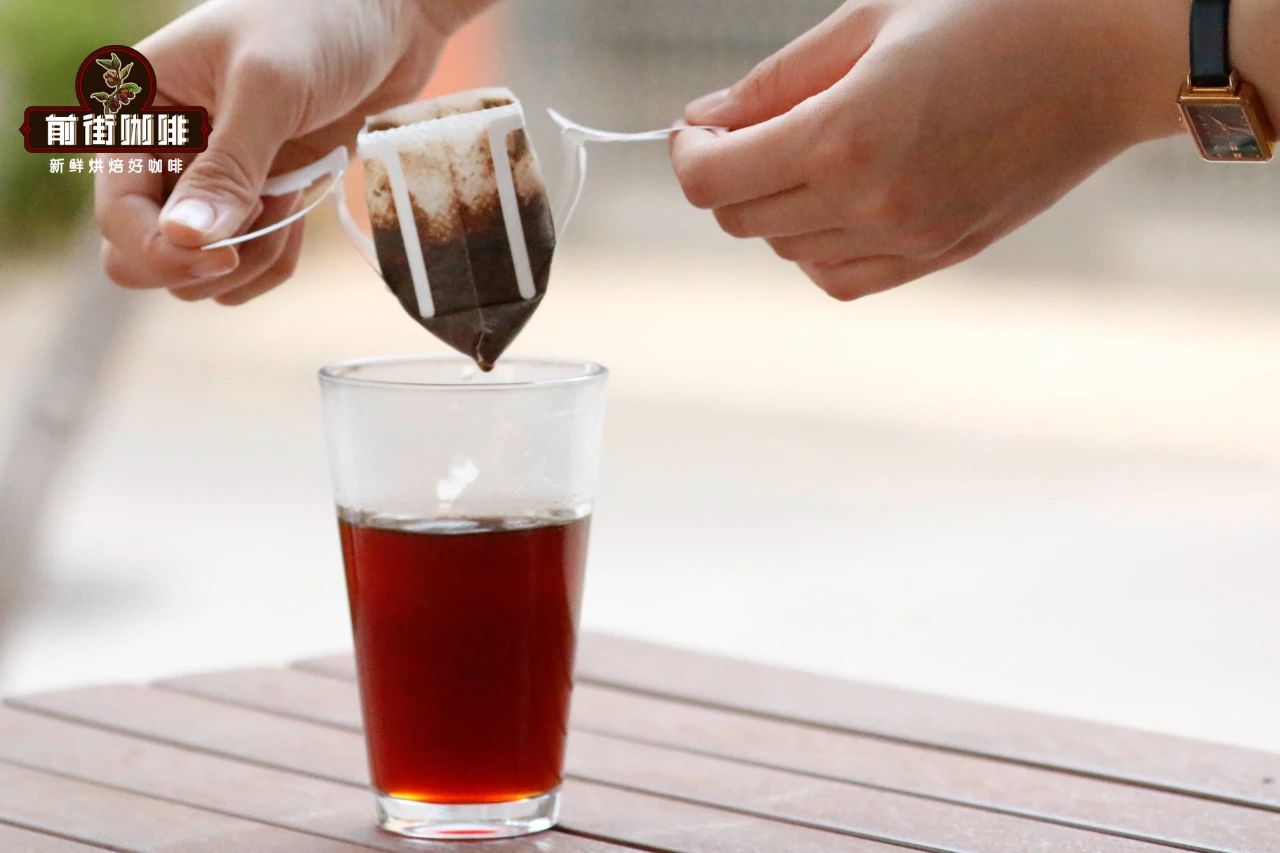 This four-stage method typically uses a total of around 150 milliliters of water. It’s simple to operate and can steadily extract a well-balanced flavor, making it highly suitable for everyday use.
The above content is compiled by CoffeeHunters, a coffee news website.


