







Introduction:Brazilian Yellow Bourbon coffee beans are renowned for their distinctive golden-hued fruit notes and bright citrus flavor profile, making them a must-try for specialty coffee enthusiasts. This article delves into the historical origins, varietal characteristics, and roasting recommendations of Yellow Bourbon, while also showcasing its outstanding performance in cupping. From cultivation to extraction, get to know it all.
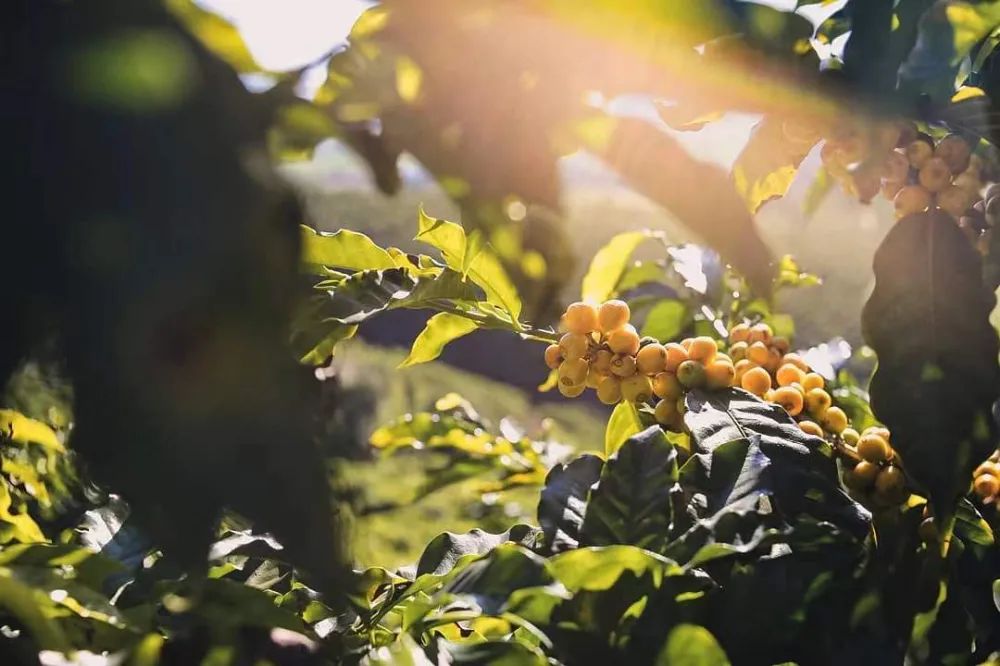
Most coffee varieties bear red fruits when ripe, but Yellow Bourbon stands out with its golden-yellow fruits, becoming one of the most iconic varieties in Brazilian coffee agriculture. This variety not only differs visually but also demonstrates a high level of clarity and complexity in its flavor, garnering attention from global buyers and roasters alike. The cultivation history of Yellow Bourbon is long-standing, especially thriving within Brazil’s coffee-growing regions.
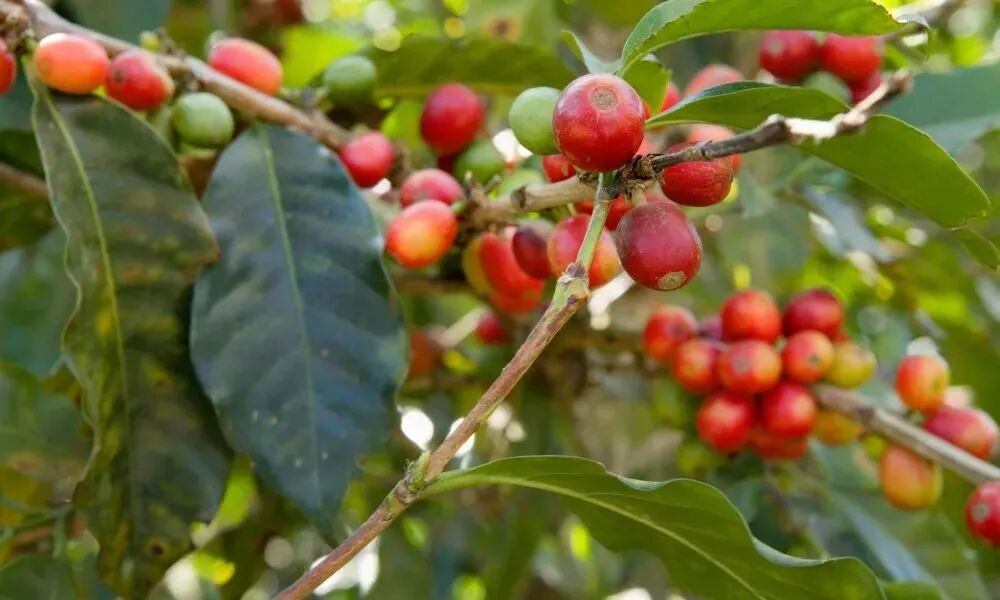
The history of the Yellow Bourbon variety dates back nearly 100 years. Its roots trace to the mid-19th century Brazilian coffee planting context—back then, Typica was the dominant variety grown in Brazil, having been introduced since the 1720s. However, Typica’s yield was limited and couldn’t meet the growing export demands. In search of alternatives, a Brazilian traveled to Réunion Island in the Indian Ocean, east of Madagascar, and successfully obtained seeds of Red Bourbon, which were then introduced to Brazil. By the 1870s, Red Bourbon had already been widely planted in the region.
In 1871, on a coffee farm in the Botucatu region of São Paulo state, a rare mutant plant emerged, producing fruits of an unprecedented yellow color. Since no such mutation had been documented at the time, the variety was temporarily named "Yellow Botucatu." Later research found that it was actually a mutant variant of Typica, but due to its poor yield, it did not gain favor among farmers. Nevertheless, some farmers planted it out of curiosity. By 1930, in a Bourbon plantation near Pedernales in São Paulo, another variant bearing yellow fruits appeared, believed to be the result of natural crossbreeding between Red Bourbon and Yellow Botucatu. This variety retained many characteristics of Red Bourbon but showed higher yields, and was thus simply named "Yellow Bourbon." To distinguish it from the original Red Bourbon, the latter was also referred to as "Red Bourbon."
The appearance of Yellow Bourbon caught the attention of the Agricultural Research Institute (IAC) in Campinas, leading to formal research starting in 1942. The study confirmed that Yellow Bourbon was indeed a hybrid of Bourbon and Yellow Botucatu. In 1951, Professor Mendes of IAC conducted a yield comparison among various cultivars, including Typica, Yellow Botucatu, Sumatra, Red Bourbon, Yellow Bourbon, and Maragogype, showing that Yellow Bourbon outperformed others in yield.
Even though Yellow Bourbon exhibited excellent yield potential, it did not become a mainstream variety in Brazil for several decades. The reason lies in the emergence of alternative varieties with even higher yields, and the breeding focus at the time being primarily on disease resistance, plant health, and adaptability, rather than flavor quality. However, with the rise of specialty coffee and the third wave coffee movement, Yellow Bourbon has regained attention and recognition for its unique flavor characteristics.
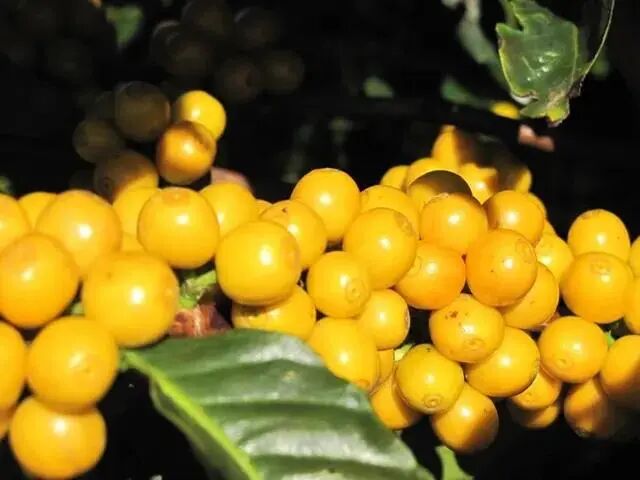
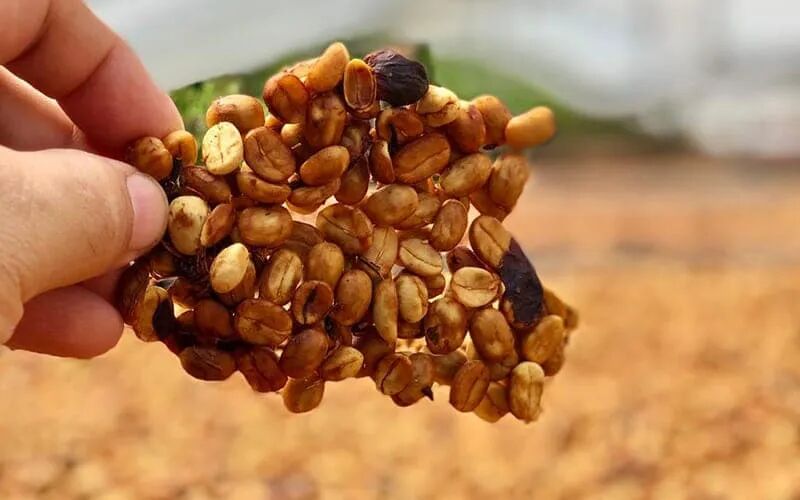
So why are the fruits of Yellow Bourbon yellow? In 1942, Professor Krug solved this mystery and named the genetic factor responsible for this color trait “Xanthocarpa,” derived from Greek, where “Xanthus” means yellow and “carpus” refers to fruit. Coffee fruits contain a flavonoid compound called luteolin, which gives them a yellow crystalline appearance. The color of the fruit is mainly determined by anthocyanin genes—if the coffee fruit has a dominant XcXc gene, it appears red; but if it carries the recessive XCXC gene, the true color of luteolin is revealed, giving the fruit a warm yellow hue.
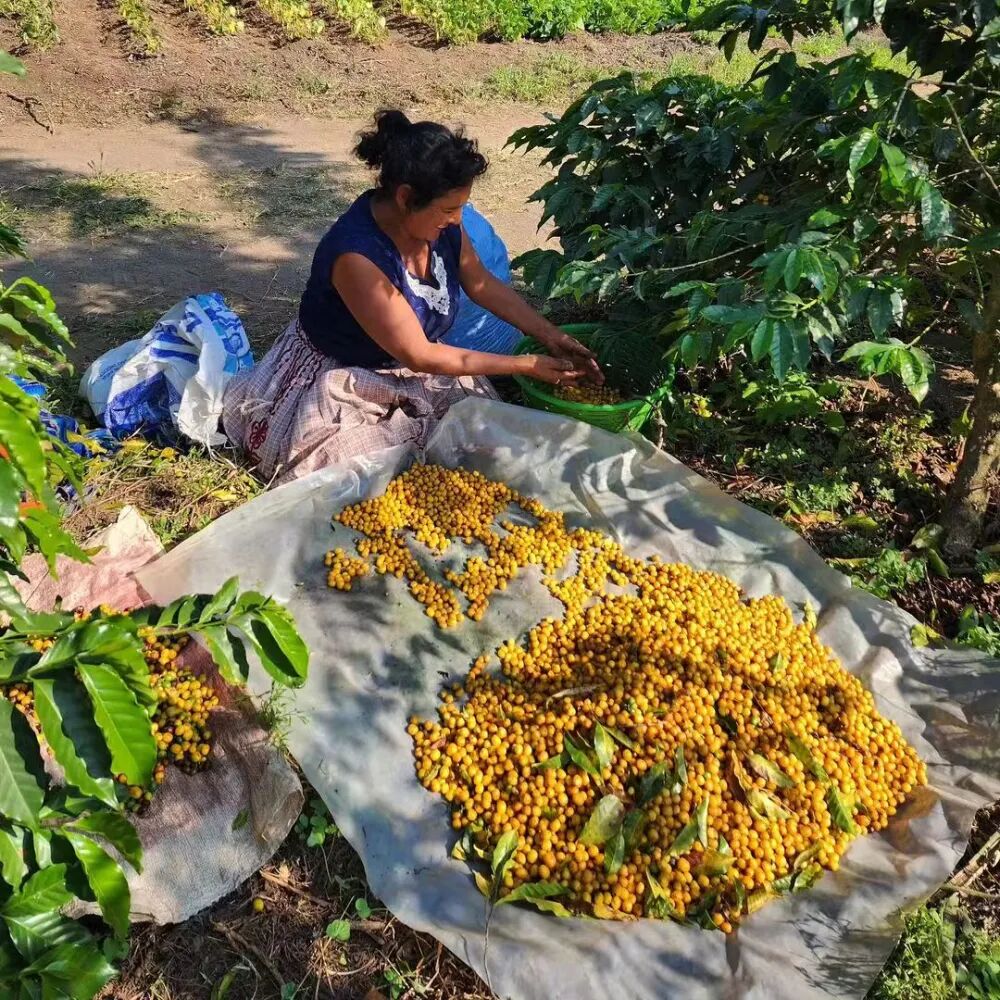
The Yellow Bourbon variety can grow up to 2.8 meters tall and matures relatively quickly. According to IAC research in 1945, although over 30 Yellow Bourbon strains were evaluated, only seven strains continue to be cultivated in Brazil today. This is mainly due to Yellow Bourbon’s relatively low yield and weaker resistance to leaf rust, requiring more intensive management. Yellow Bourbon is typically planted at elevations above 1000 meters, and during harvesting and post-processing, extra care is needed to fully realize its potential for exceptional flavor.
The flavor profile of Yellow Bourbon is clear and layered, often featuring pronounced citrus acidity and sweet aromas, along with notes of ripe fruit and raisins. Research indicates that this is closely related to its sucrose content, fat ratio, and organic acid composition, all of which contribute to its high-quality cup performance. One highlight of Yellow Bourbon in recent years was in the 2017 Cup of Excellence competition, where a naturally processed Yellow Bourbon sample scored an impressive 92.33 points and was sold at auction for a staggering $126 per pound—the equivalent of 100 times the futures price at the time.
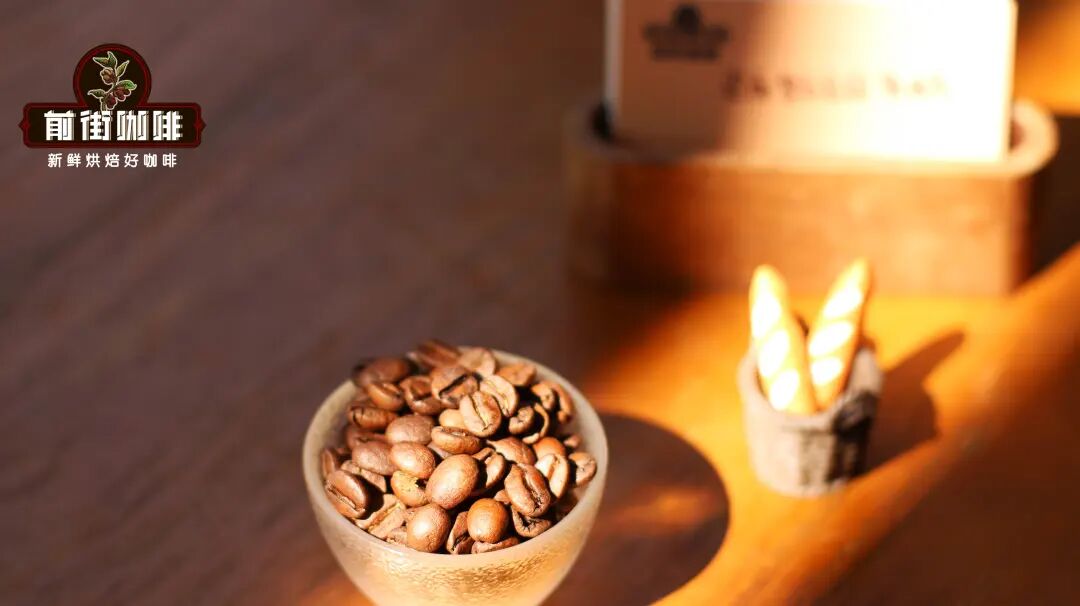
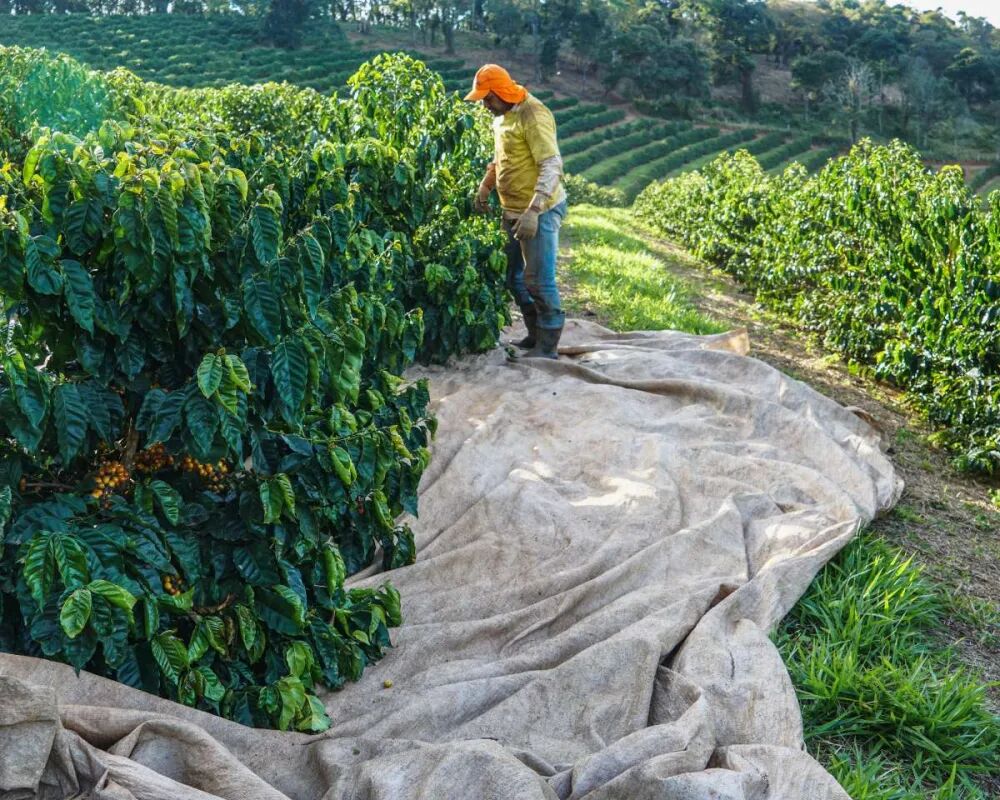
Among the many large-scale Brazilian coffee plantations focused on high yields, Fazenda Rainha (Queen Estate) is a unique exception. This small estate, located in the Mogiana region of São Paulo state and owned by the Carvalho Dias family, has been award-winning since the first Brazilian COE competition in 1999, earning over 12 awards within seven years, including taking the championship, 9th, and 11th places in 2004. The estate spans just 280 acres, with 200 acres dedicated to cultivating Yellow Bourbon, using manual harvesting and carefully processing the beans via semi-pulped natural methods. Compared to traditional sun-drying, this method emphasizes quality control—using African raised beds and assigning dedicated personnel to turn and monitor moisture levels regularly, ensuring each bean reaches optimal condition.
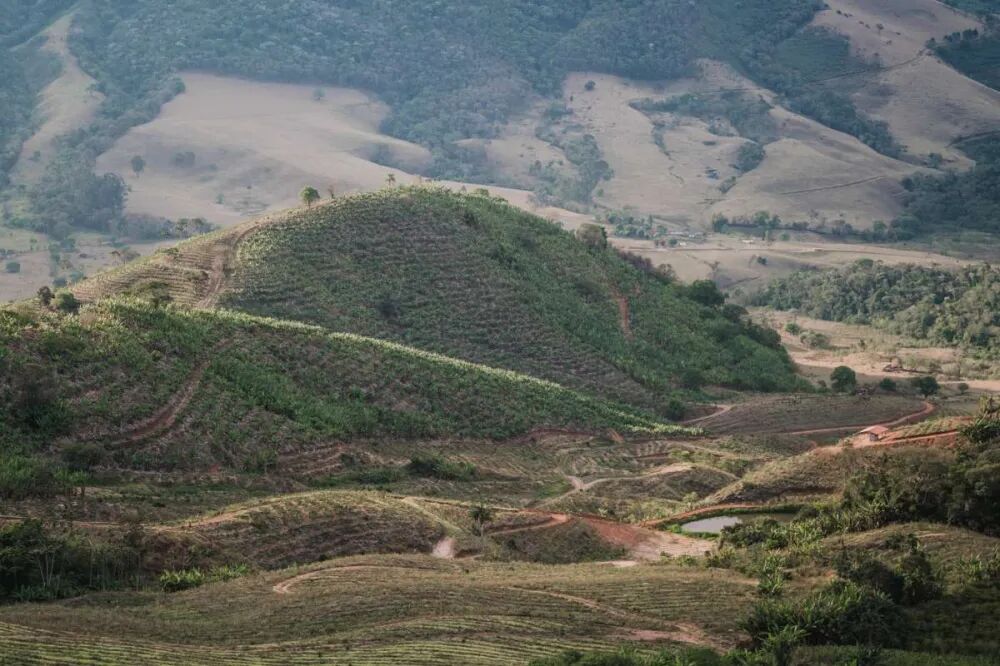
When roasting this Yellow Bourbon from Queen Estate, a certain coffee brand conducted four trials and ultimately chose to finish roasting two minutes after the first crack. At this roast level, the coffee exhibits distinct sweetness, with a bright lemon aroma in the wet fragrance stage, rounded flavors in the mid-palate, and a rich dark chocolate note emerging in the finish. The overall profile maintains classic Brazilian coffee characteristics while offering vibrant, dynamic layering.
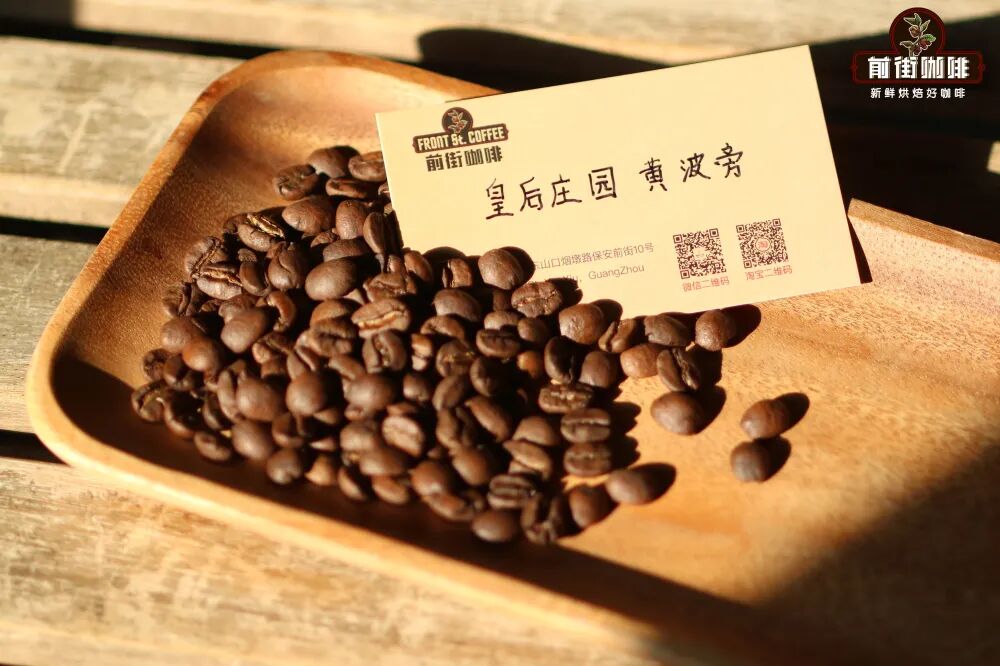
When tasting this Yellow Bourbon, one can perceive a vivid sweetness accompanied by intense nutty and peanut butter notes, with prominent dark chocolate flavors in the aftertaste. The mouthfeel is round and balanced, making it an excellent choice to experience the essence of Brazilian coffee flavors, while also showcasing the unique personality and vibrancy of the Yellow Bourbon variety.

The above content is compiled by CoffeeHunters, a coffee news website.

