








Introduction:Caturra is an Arabica variety originating from Brazil, known for being a high-yielding yet flavorful classic within the Bourbon genetic group. This article delves into the origin and background of Caturra, its environmental growing requirements, the unique flavor profile it presents after brewing, and analyzes its advantages and challenges as a “sun-grown coffee.” It also provides practical pour over parameters and grind size tips to help coffee enthusiasts better understand this star bean variety widely cultivated across Central and South America.
Caturra is one of the important branches of the Arabica coffee family, derived from the ancient Bourbon variety. It was first discovered between 1915 and 1918 in a plantation in Minas Gerais, Brazil. According to records, some Bourbon plants in that plantation underwent a genetic mutation, resulting in shorter tree stature resembling dwarfism. This new phenotypic expression was locally referred to by the Guaraní-speaking people as “Caturra,” meaning “small,” and it is sometimes also called “Nanico.”
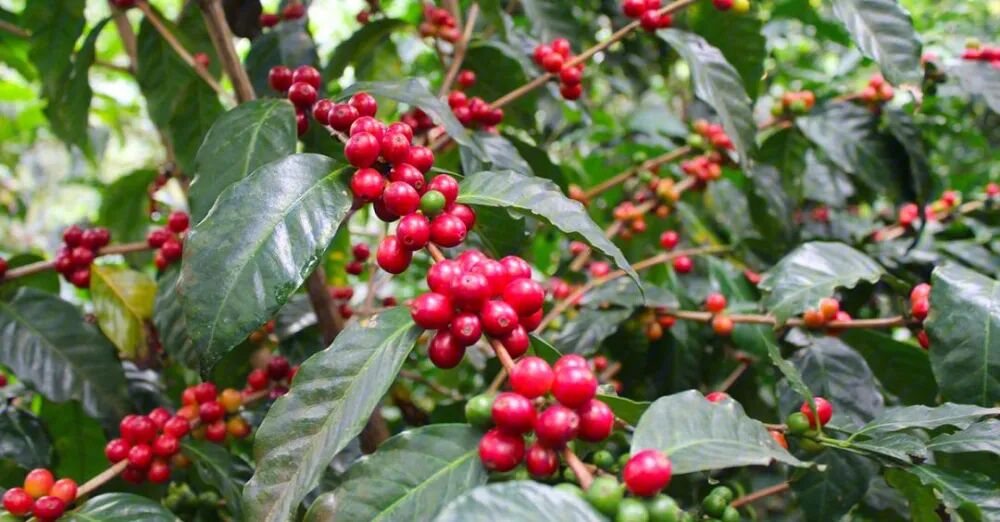
One of the most notable characteristics of Caturra is its adaptability to high-density planting. This not only makes it easier for farmers to manage but also helps increase yield per unit area. Compared to other Arabica varieties that require shade trees for protection, Caturra can withstand prolonged direct sunlight, hence it is nicknamed “sun coffee” within the industry. This characteristic gives it greater flexibility in cultivation, making it particularly suitable for coffee farms focused on efficiency and output. However, although Caturra has a relatively wide altitude adaptability range of about 700 to 1700 meters, the higher the altitude, the richer its flavor complexity tends to be—albeit with a corresponding decline in yield. Generally speaking, Caturra can achieve its best quality and stable yield performance at altitudes between 1200 and 2000 meters, with annual precipitation levels of 2500 to 3500 milliliters.
In terms of flavor profile, Caturra exhibits bright acidity and is often accompanied by rich fruit notes. Especially after medium-to-dark roasting, its sweet chocolate and nutty characteristics become more pronounced. For this reason, it has become one of the frequently awarded varieties in many international coffee competitions. However, Caturra also has non-negligible drawbacks. For instance, under high-density planting conditions, although individual plant yield is high, the overall plant is prone to growth issues due to excessive load. In addition, maintaining good fruit set often requires growers to invest more in fertilizers and management resources. More notably, Caturra has relatively weak resistance to diseases, especially poor tolerance to nematodes and coffee leaf rust, thus requiring additional protective measures during cultivation.
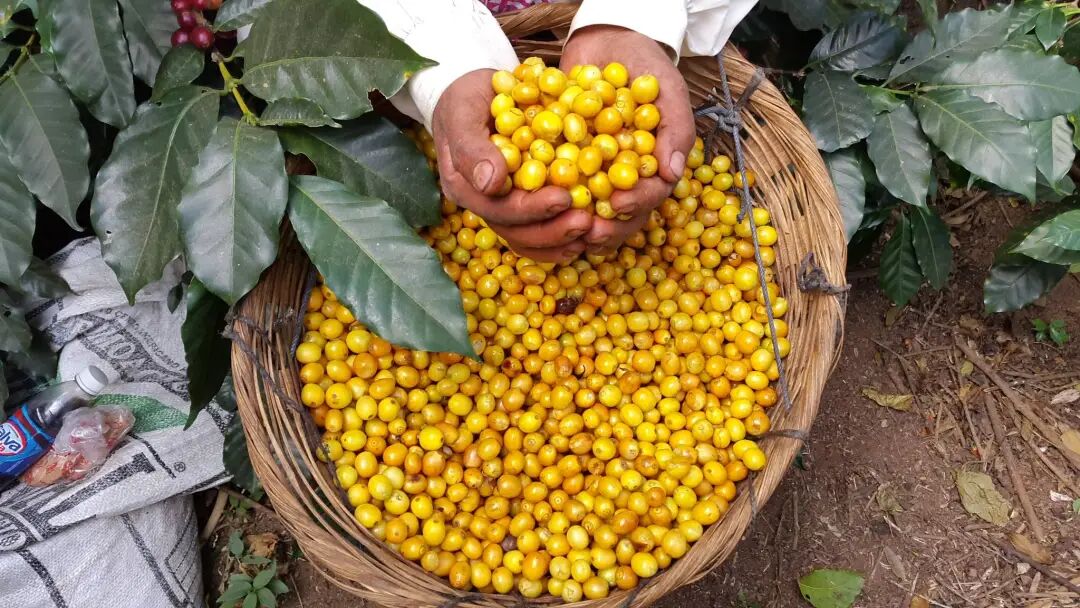
Based on differences in fruit color, Caturra can be subdivided into three types: Red Caturra (Caturra Vermelho), Yellow Caturra (Caturra Amarello), and Purple Caturra (Purple Caturra). Among these, Red Caturra is the most common type, and its flavor profile can vary significantly depending on origin, processing method, and roast level. In contrast, Yellow Caturra and Purple Caturra are rarer recessive genetic variants, less commonly found in the market. To experience the typical flavor of Caturra, it is recommended to try naturally washed Red Caturra, as this processing method retains more of the original fruity aromas and subtle layers.

Taking a practical example, a certain coffee brand’s Colombian Huila everyday drink bean is made from Red Caturra roasted to a medium depth using natural washing processing, delivering soft acidity and moderate body. The choice of medium roast not only highlights the aroma of nuts and chocolate but also preserves some fresh acidity, presenting a classic Colombian flavor profile. It is worth mentioning that before launching each new bean, the brand conducts at least one professional cupping session to objectively evaluate its flavor strengths, weaknesses, and overall balance.
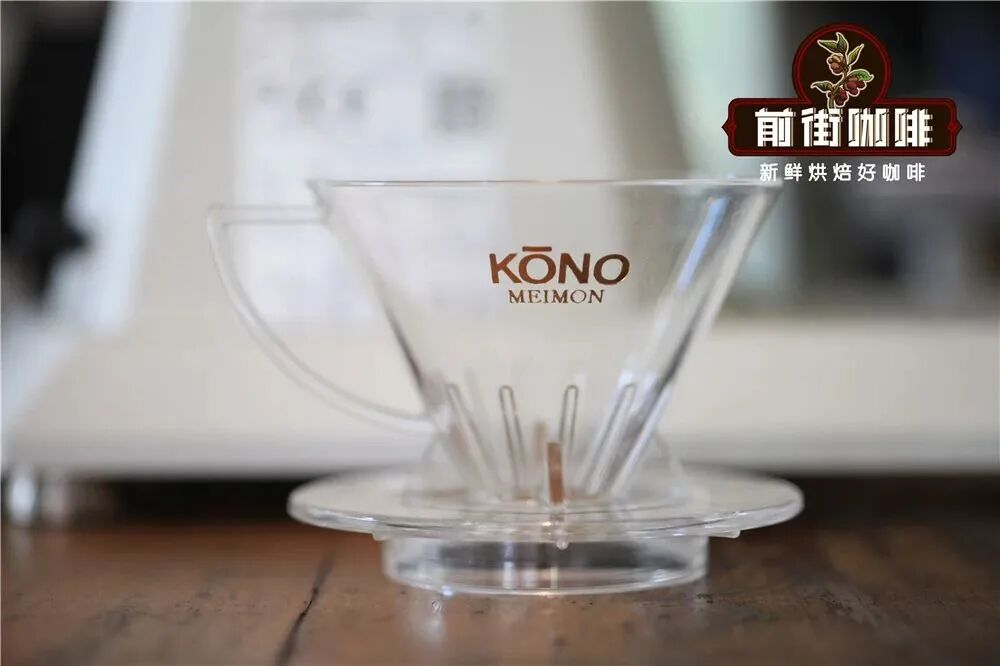
For medium-depth roasted Caturra beans, whose flavors tend toward rich nuttiness and chocolate notes, it is recommended to use a medium grind size to achieve optimal extraction. In addition, to avoid over-extraction of off-flavors, you may moderately lower the water temperature. It is suggested to use hot water around 90°C, paired with a pour over device such as the KONO filter that extends the water-coffee contact time. The uniqueness of the KONO filter lies in having exhaust ribs only on a quarter of its structure. When the water level exceeds this part, internal pressure inside the filter gradually increases, and the smaller outlet design effectively slows down the water flow rate. This enhances the release efficiency of soluble substances, resulting in a creamier and fuller mouthfeel, making it very suitable for brewing bold-flavored beans such as Golden Mandheling, Jamaican Blue Mountain, or Brazilian Queen Estate.
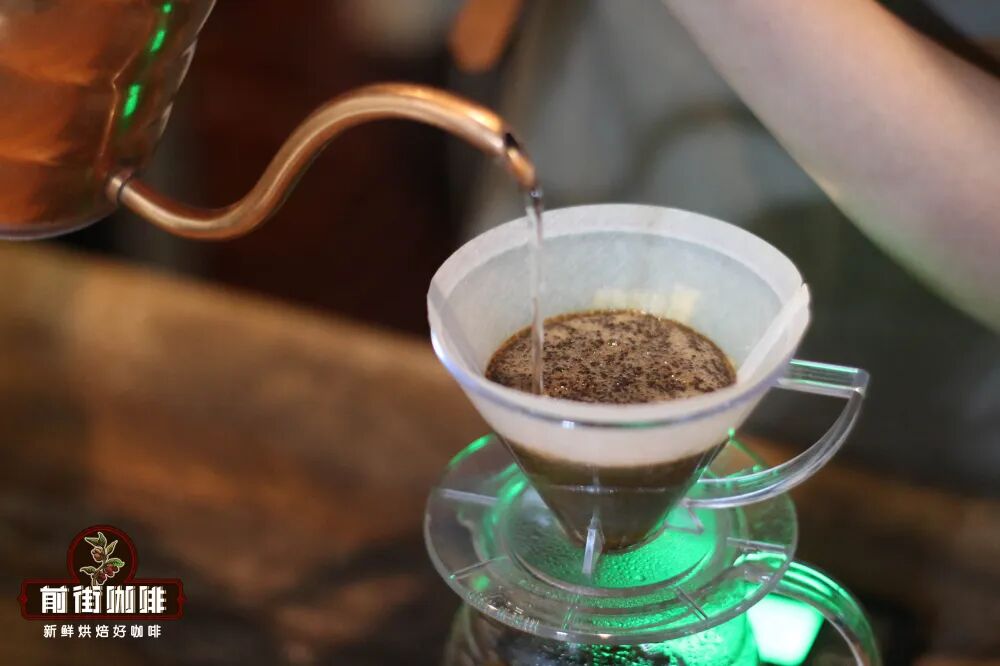
Practical pour over parameter suggestions are as follows: Use a KONO filter, control water temperature at 90°C, set grind size to 75% passing through a standard #20 sieve, with a powder-to-water ratio of 1:15. Suggested coffee dosage is 15 grams. Adopt a three-stage extraction method: first, place the coffee grounds into the filter, pour hot water equal to twice the amount of coffee grounds for a 30-second bloom until the coffee bed expands into a dome. Then, pour water in small circles from the inside out until reaching 125 grams for the first pour. Once the coffee bed descends to the middle of the filter, continue pouring with the same fine stream until reaching 225 grams for the second pour. Finally, keep pouring until all coffee liquid has completely dripped through, with a total brew time of about 2 minutes. This method fully brings out the chocolate, nutty, and caramel roast aromas of Caturra beans. The cup offers a smooth, sweet, and well-balanced body with a rich mouthfeel. As the temperature slightly drops, you can better perceive the gentle layers of fruit acidity. Overall, the cup is clean and layered.
The above content is compiled by CoffeeHunters, a coffee news website.

