







Introduction:Panamanian coffee is globally renowned for its Geisha, especially the Boquete region, which is considered the cradle of specialty coffee. This article delves into how Panama has risen to become one of the world’s top coffee-producing regions, exploring the geography, climate, and soil conditions of the Boquete region, as well as introducing the main coffee varieties grown there—including Geisha, Typica, Caturra, and Catuai—to help readers fully understand the cultivation secrets and drinking value of Panamanian coffee.
Located in Central America, Panama borders Costa Rica to the west and Colombia to the east. For those who enjoy single-origin coffee, Panama’s Geisha from Hacienda La Esmeralda is undoubtedly a familiar name. Since winning the BOP competition in 2004, this coffee not only brought fame to Hacienda La Esmeralda but also made Panama a focal point in the specialty coffee world. Today, whenever global top-tier coffees are discussed, Panama is almost always on the list, making it an essential origin for coffee enthusiasts seeking ultimate flavor.
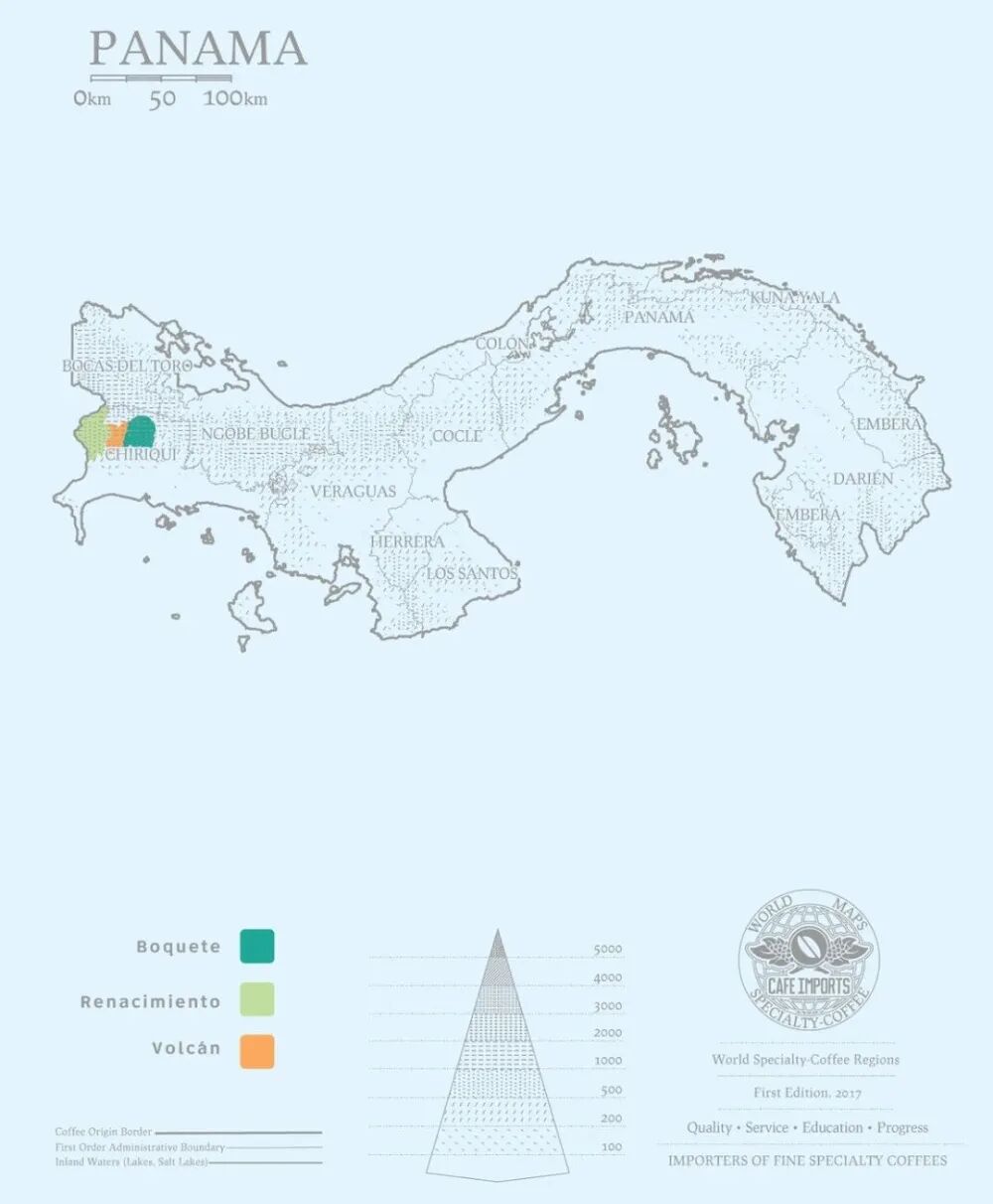
When talking about Panamanian coffee, one cannot overlook the Boquete region where Hacienda La Esmeralda is located. This small town in the Chiriquí Province lies close to the border between Panama and Costa Rica and near the majestic Volcán Barú. Its unique geographical location, fertile soil, and pleasant climate together have earned Boquete its reputation as a sacred place for specialty coffee.
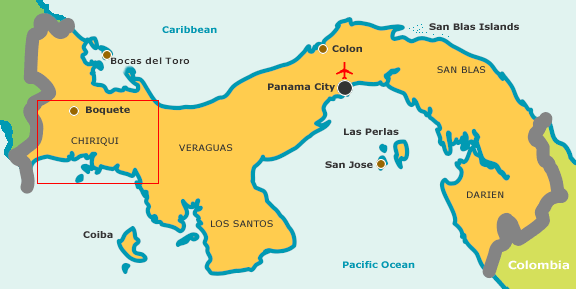
In Panama, Boquete and Volcán are two well-known coffee-producing regions, both located within the Chiriquí Province. The Chiriquí Province, referred to as the "Valley of the Moon" by indigenous peoples around the time of Christ, is situated in western Panama, bordered by the Pacific Ocean to the south, Costa Rica to the northwest, and just a three-hour drive from the Caribbean Sea. It not only boasts spectacular natural scenery but is also an ideal cultivation area for a variety of high-quality coffee varieties.
In this volcanic zone, none is more prominent than the Volcán Barú. At 3,474 meters above sea level, it is not only the highest point in Panama but also an important barrier for coffee cultivation in the region. Stretching approximately 35 kilometers along the Panama–Costa Rica border, the volcano's historical activity has deposited fertile soil rich in phosphorus, sulfur, and other nutrients, providing excellent growing conditions for coffee trees. Coupled with the unique microclimate of the mountainous area, it creates an optimal environment suitable for both washed and natural processing methods.

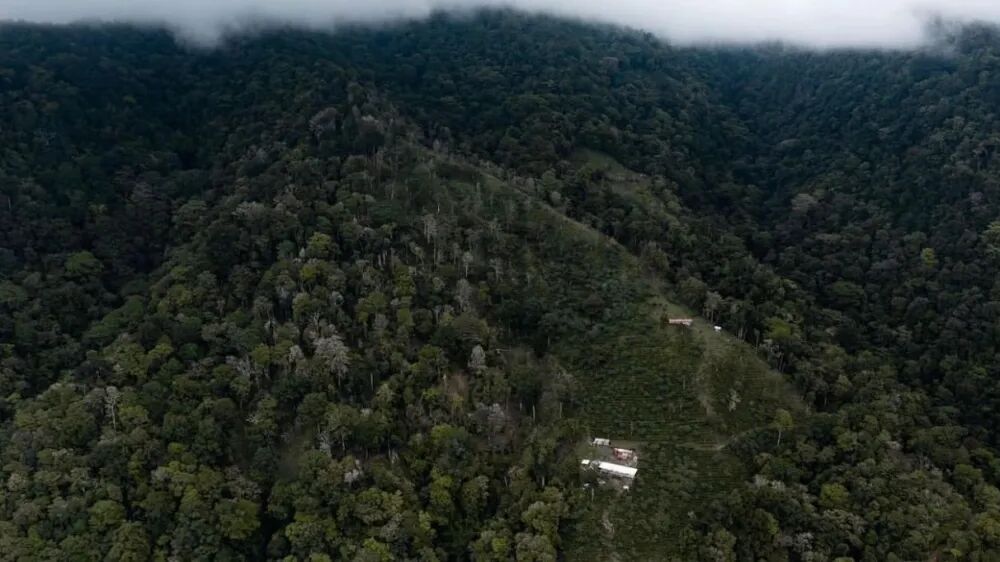
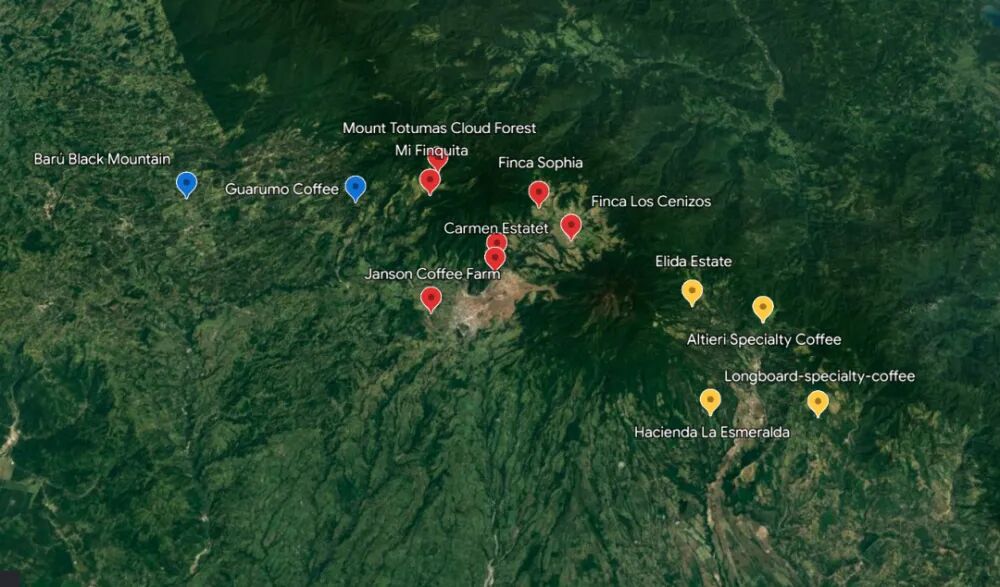
The Boquete region is located on the eastern side of Volcán Barú, with planting altitudes ranging between 1,200 and 2,000 meters. The area experiences significant day-night temperature variations, with temperatures generally ranging from 11 to 27 degrees Celsius. This high-altitude, large-diurnal-range environment allows coffee cherries to ripen slowly, accumulating richer flavor compounds. Mr. Xu Baolin once described Boquete as a “coffee paradise” in his book 《尋豆師》, as its mild climate, young and fertile volcanic soil, and diverse microclimates make it feel like New Zealand or the Swiss alpine regions—offering a stark contrast to the hot and humid capital.
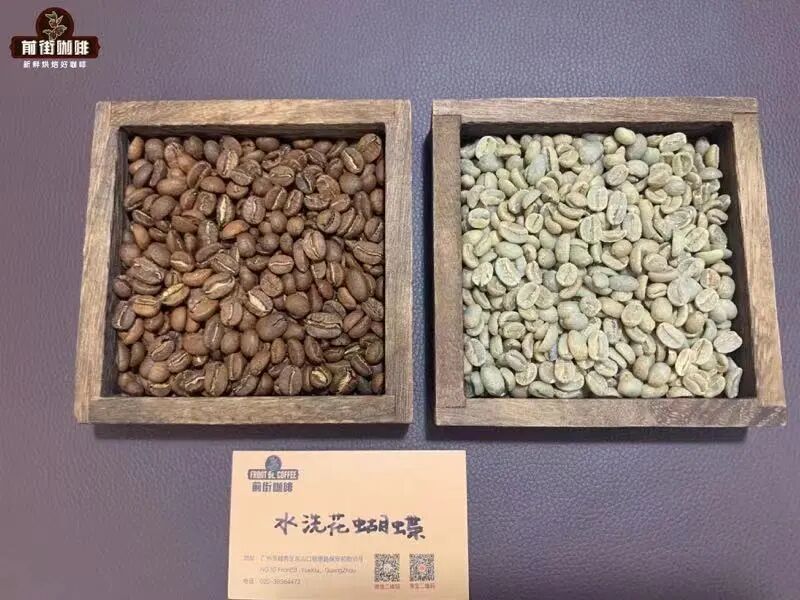
In addition to Hacienda La Esmeralda, the Boquete region is home to many other renowned coffee farms such as Elida Estate and Catio Duncan Estate. Among them, a coffee product launched by a certain brand, “Butterfly Flower,” blends 70% Geisha with Caturra and Catuai, becoming the go-to entry choice for many consumers to experience the Geisha flavor. This coffee is processed using washed methods at an altitude of 1,600 meters, combining the floral and fruity aromas unique to Geisha with the balanced flavor profile of Caturra and Catuai, delivering outstanding cost-performance.
Panama offers a diverse range of coffee varieties, among which Geisha is the most iconic. Originating from Ethiopia, this variety is known for its distinctive floral notes, citrus tones, noble acidity, and long-lasting sweetness, featuring delicate flavors and rich layers. In addition to Geisha, Typica—one of the oldest Arabica varieties—although lower in yield, scores highly in cupping evaluations. With its slender beans and tall tree structure, it is ideal for coffee lovers seeking traditional flavors.
Caturra is a mutation of Bourbon, originating in Brazil, and is valued for its relatively high yield and disease resistance. It thrives at altitudes between 700 and 1,700 meters. As altitude increases, its flavor profile becomes even more outstanding, with bright acidity, a refreshing taste, and often citrus-like notes. As for Catuai, it is a hybrid of Mundo Novo and Caturra, with high fruit-setting rates and strong wind and rain resistance. Its fruits are less prone to dropping due to external forces, making it a stable choice for many high-altitude farms, with Elida Estate being particularly known for its Catuai.
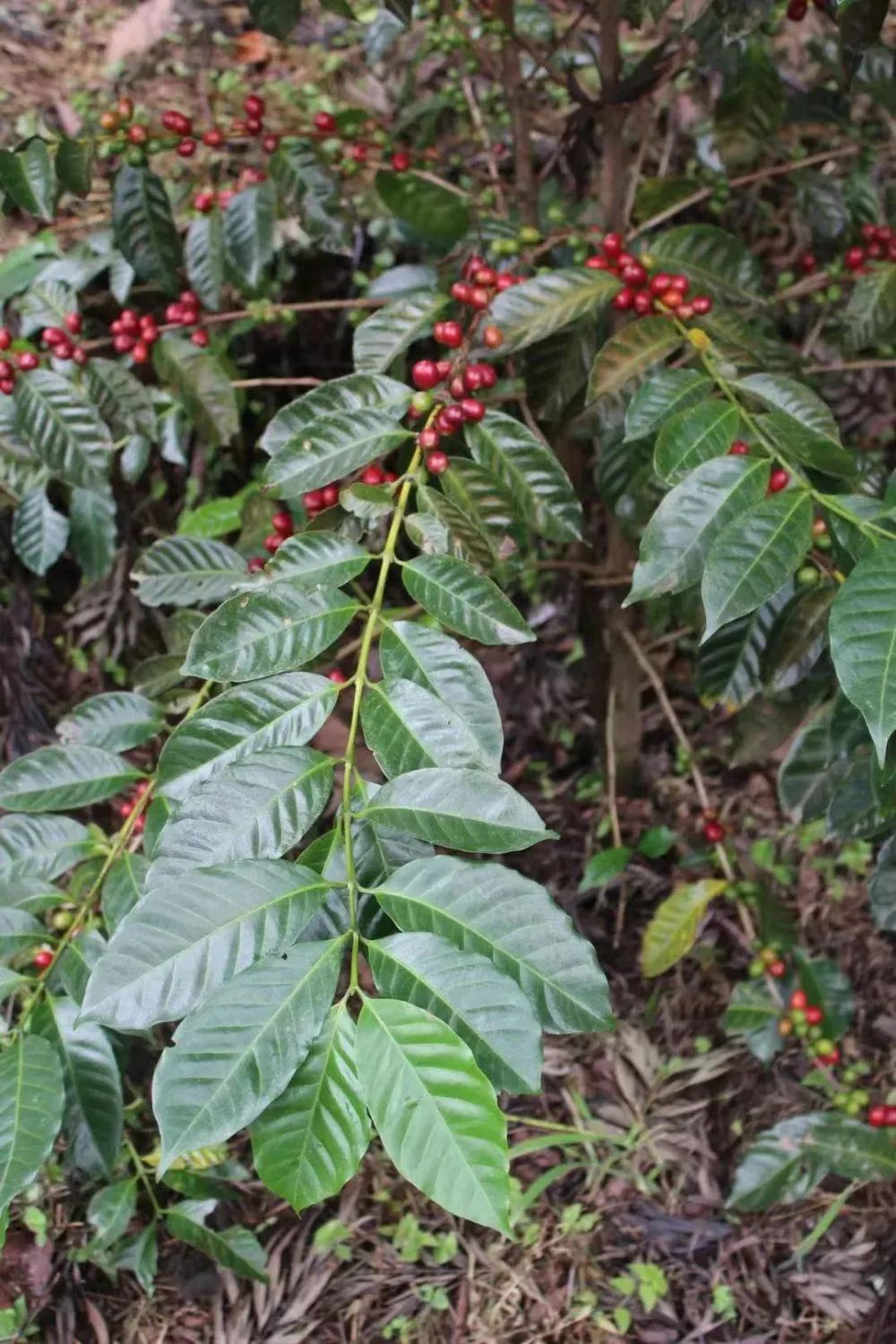




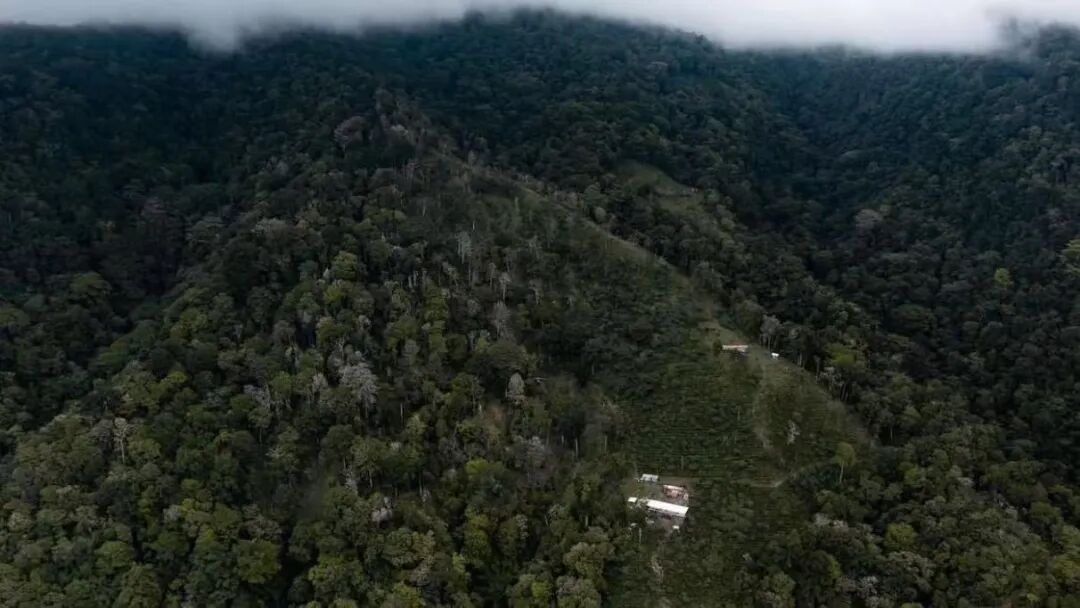
Elida Estate is situated in the Boquete region at an altitude of nearly 1,850 meters, with some parts of its land even located within the Volcán Barú National Park, making it one of Panama’s few ultra-high-altitude coffee farms. In addition to its exceptional natural environment, the estate is managed strictly and processed meticulously, producing coffee with delicate flavors and distinct layers. The estate retains large areas of primary forest that coexist with coffee plantations, forming a healthy ecological balance.
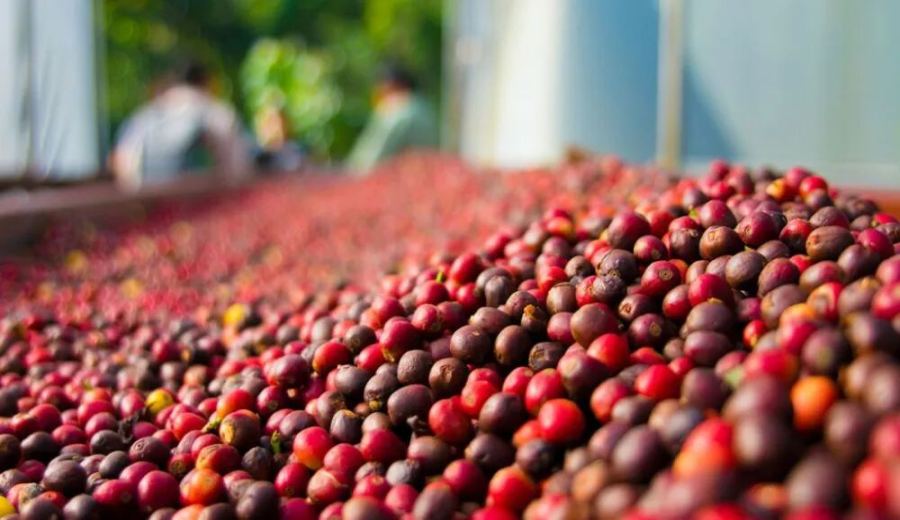
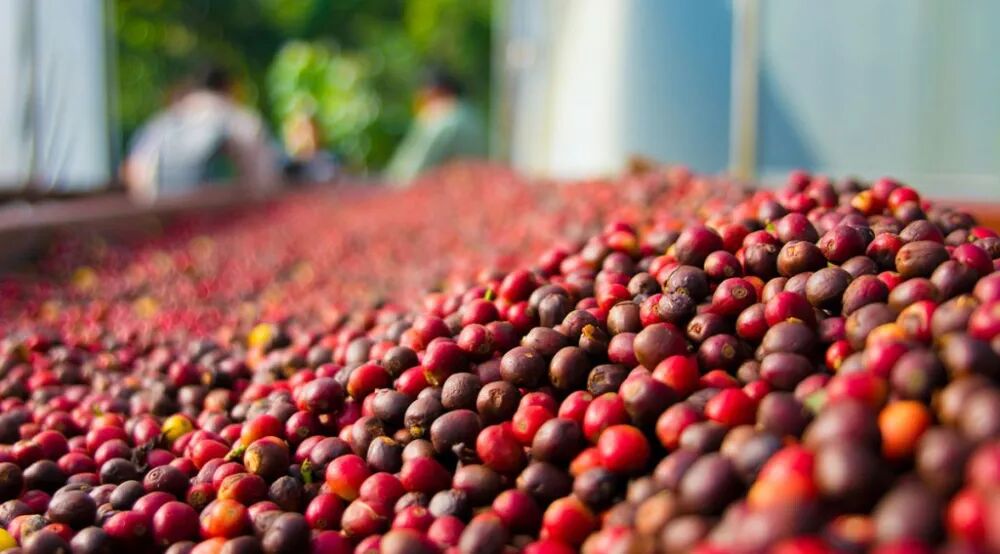
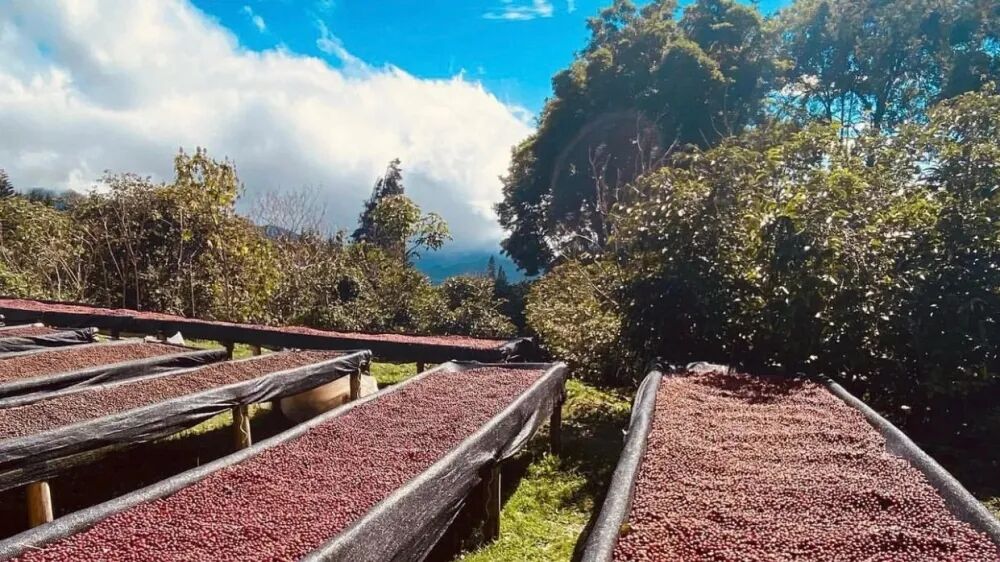
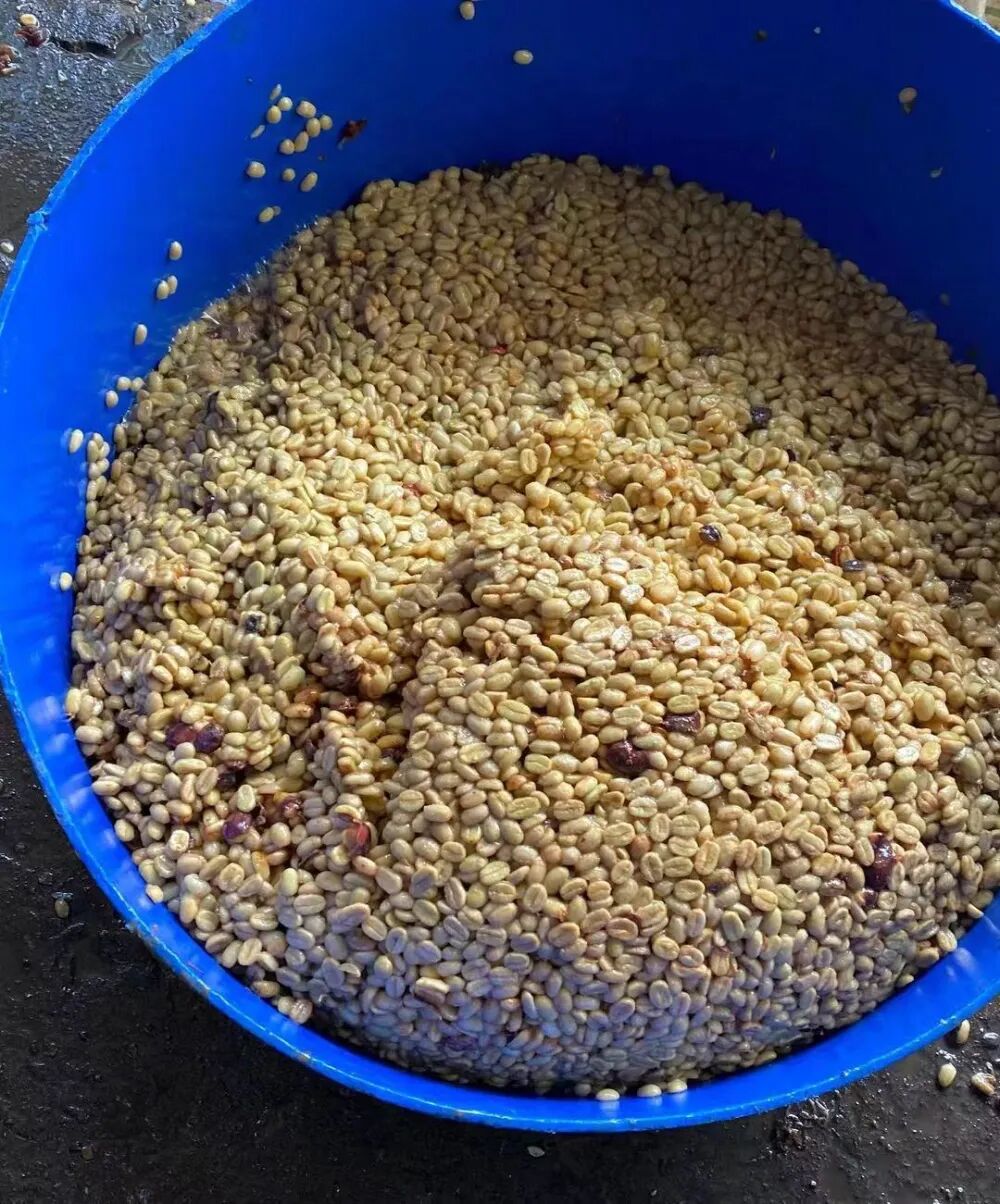
In terms of processing methods, Panamanian coffee commonly employs either natural or washed processes. The natural process involves spreading coffee cherries on raised drying beds for about 21 days of natural drying, allowing the sugars in the pulp and mucilage to fully transform, imparting rich berry and sweet flavor notes to the coffee. The washed process, on the other hand, emphasizes clean and bright acidity along with clear fruit flavors. By removing the mucilage through fermentation before drying, it is ideal for showcasing the delicate and layered characteristics of the coffee.
Given that Panamanian high-altitude coffees often possess complex flavor potential, medium-light roasting is recommended to preserve their inherent qualities. For brewing, it is advised to use a V60 filter, with water temperature controlled between 91 to 92 degrees Celsius, a coffee-to-water ratio of 1:15, and grind size similar to fine sugar (sifted with a #20 sieve to 80%). Using a three-stage extraction method—with 30 grams of water for a 30-second bloom, followed by sequential pours of 95 grams and 100 grams of hot water—helps achieve even extraction and highlight the full flavor spectrum of the coffee.

The above content is compiled by CoffeeHunters, a coffee news website.

