







Introduction:In recent years, coffee from Alo village in the Bensa area of Ethiopia’s Sidama region has rapidly gained popularity in the specialty coffee scene for its unique flavor profile. This article delves into Alo village’s geographical environment, processing methods, and varietal characteristics, while also exploring the classic natural batch’s floral and fruity tonality. Practical pour over brewing parameters and tasting suggestions are provided to help you fully experience the charm of this high-altitude coffee.
As the birthplace of coffee, Ethiopia remains one of the world’s premier producers of high-quality Arabica beans. Among them, the Bensa area in the Sidama region has garnered significant attention in recent years due to the rise of coffee from Alo village. It not only performed outstandingly in the 2021 COE competition but also won the favor of many roasters and coffee enthusiasts with its exceptional flavor profile.
Ethiopia is predominantly mountainous with significant day-night temperature variations. Days are sunny, while nights are cool and frost-free, creating an environment that allows coffee cherries to ripen slowly and accumulate richer flavor compounds. The planting altitudes in the Bensa area generally range between 1800 and 2300 meters, with Alo village reaching as high as 2400 meters, resulting in higher bean density and a more complex aromatic structure.
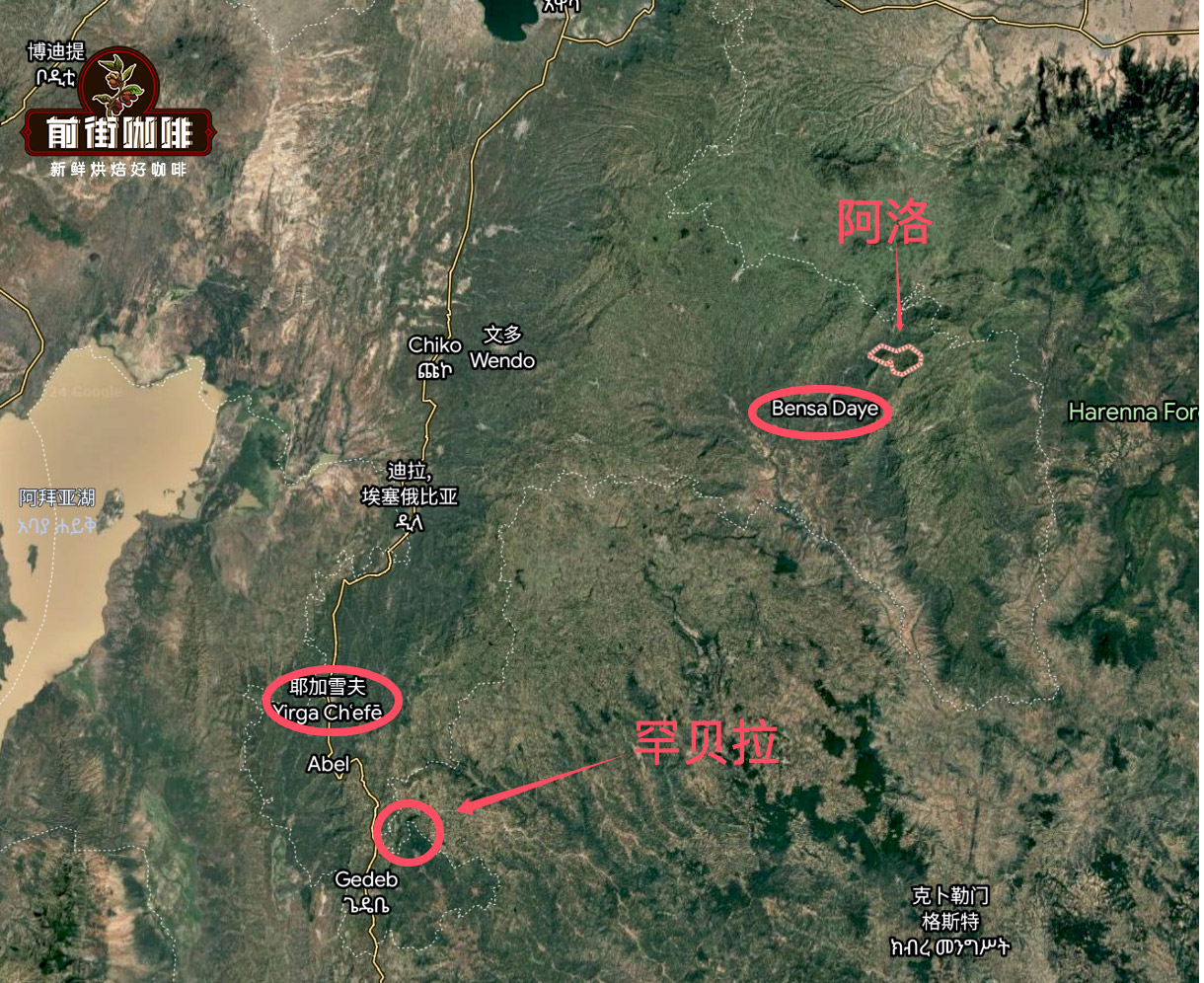
Alo village is part of Bensa Woreda in the Sidama region and is one of the highest-altitude villages in the area. The high elevation not only slows the ripening process of coffee cherries but also leads to a later harvest period, while contributing to more pronounced floral and fruity aromas with clear fruit notes. Compared to other well-known producing regions, Alo village’s coffee offers more layered aromatics, notable sweetness, and a long-lasting aftertaste.
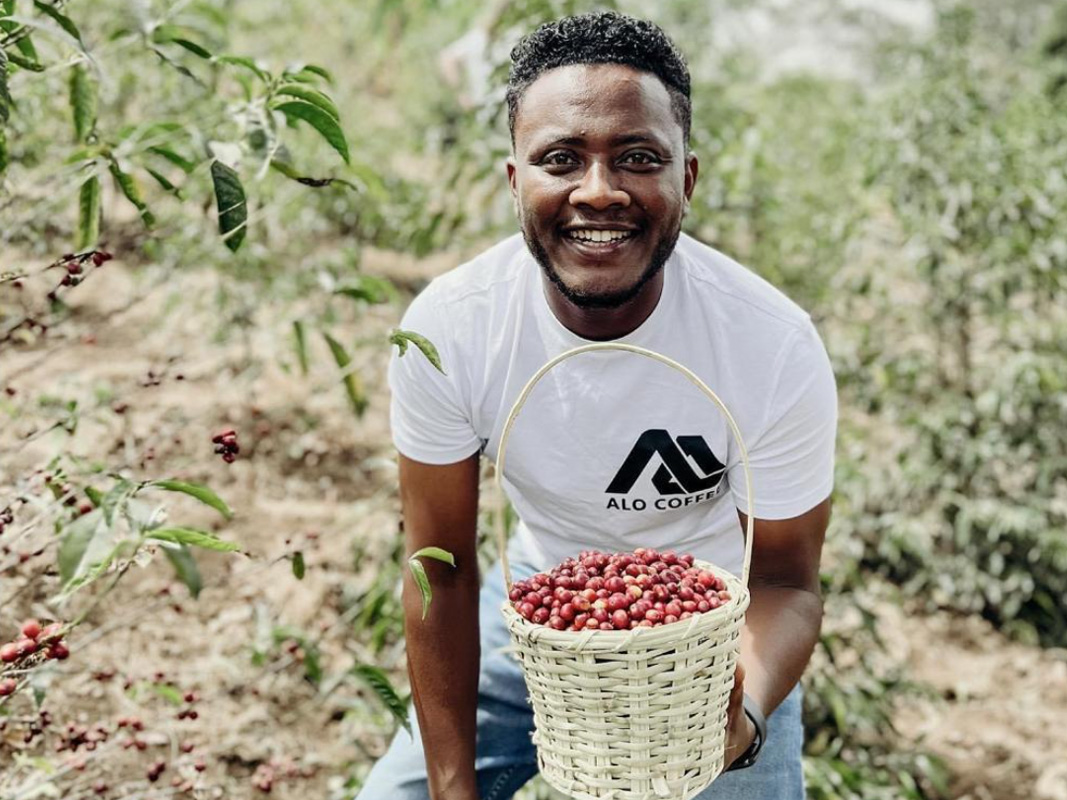
When discussing the rise of Alo village, one must mention local farmer and entrepreneur Tamiru Tadesse Tesema. In 2020, he founded Alo Coffee PLC, focusing on exporting high-quality coffee from the Bensa region. Tamiru is a native of Bensa with an engineering background and prior teaching experience, who later entered the specialty coffee industry. Inspired by neighboring farmers winning awards at the COE competition, he was determined to bring Bensa’s potential to the international stage, leading to the establishment of this green coffee trading company.
Tamiru is not only Q Grader certified but also deeply familiar with the planting and processing practices in the Bensa area. In 2020, he established the first green coffee processing station in his hometown of Alo village, and subsequently expanded to surrounding villages including Bombe, Murago, and Bashiro Gute. By collaborating with over 200 smallholder farmers, he unified the harvesting and processing procedures to ensure bean quality and traceability. At the same time, he provides technical training to farmers, enhancing overall supply chain efficiency and quality control.
Under Alo Coffee, there are currently as many as eight processing stations in operation, including Main, Chilaka, Morke, Hatessa, Mewa, Hurro, Gute, and Chire Kalo. These stations are all located near coffee farms to minimize transportation time and maintain freshness. The main station is situated in Bensa, with others distributed across nearby towns, forming a comprehensive in-region processing network.
In terms of variety, the coffee produced in Alo mostly uses the 74 series developed by the Jimma Agricultural Research Center (JARC), such as 74158, 74165, 74112, and 74110, with 74158 being the most common. The sample introduced here is of the 74158 variety, processed using the traditional natural method at the Hatessa processing plant. The Hatessa plant is located about 23 kilometers from Alo village and specializes in high-quality natural lot production.
During the natural processing procedure, farmers first hand-pick fully ripe coffee cherries, which are then transported to the processing station for initial sorting. They are subsequently sorted again based on skin color to remove overripe or underripe fruits, ensuring the cherries entering the drying phase have consistent ripeness. The coffee cherries are then spread out in thin layers and turned multiple times daily to prevent mold and uneven fermentation. This process typically lasts 14 to 18 days until the moisture content reaches the desired level, after which the beans are packaged and stored.
When a certain coffee brand cupped this lot, they used a medium-light roast to highlight its elegant floral and fruity notes. In the dry aroma, distinct scents of magnolia, pineapple, yellow peach, and mango were evident, accompanied by a gentle fermentation note, leaving a deep impression.
Upon tasting, the coffee reveals a rich array of tropical fruit acidity and sweetness, with particularly prominent notes of ripe pineapple, passion fruit, and perfume-like lemon. It also carries a light black tea undertone and subtle floral aromas, delivering a balanced and layered mouthfeel. As the temperature drops, the fruit acidity transitions into a clearer profile of yellow peach and dried apricot-like stone fruit notes, with a long, smooth aftertaste—perfect for coffee lovers who enjoy bright acidity and fruity-floral profiles.

If you’d like to try this natural coffee bean from Alo village in Ethiopia’s Sidama region, a medium-light roast is recommended, and pour over brewing can better highlight its delicate flavor layers. Here are some practical reference parameters:
Coffee Bean: Ethiopia · Sidama Alo Hatessa Natural Coffee Beans
Region: Sidama · Bensa Alo Hatessa
Elevation: 2180~2280 meters
Variety: 74158
Grade: G1
Processing Method: Natural
Flavor Characteristics: Magnolia, passion fruit, pineapple, mango, fermentation notes
Recommended Pour Over Parameters: Coffee-to-water ratio 1:15~1:16, grind size roughly the coarseness of fine sugar (medium-fine grind), water temperature controlled at 90~92°C, using a pulse pouring method, with a total brew time of approximately 2 minutes 30 seconds to 3 minutes. By controlling water temperature and grind size, the floral and fruity notes as well as sweetness of this coffee can be more fully extracted, delivering a smooth and layered tasting experience.
The above content is compiled by CoffeeHunters, a coffee news website.

