







Introduction:This article delves into the Elto Coffee beans from the Bensa area of Ethiopia’s Sidama region, with a focus on analyzing their origin background, brand story, and processing methods. It also details the flavor characteristics of the elto Bare batch and provides pour over recommendations. Whether you’re looking for high-quality coffee bean recommendations or want to understand how anaerobic fermentation processing performs in practice, you’ll find useful information here.
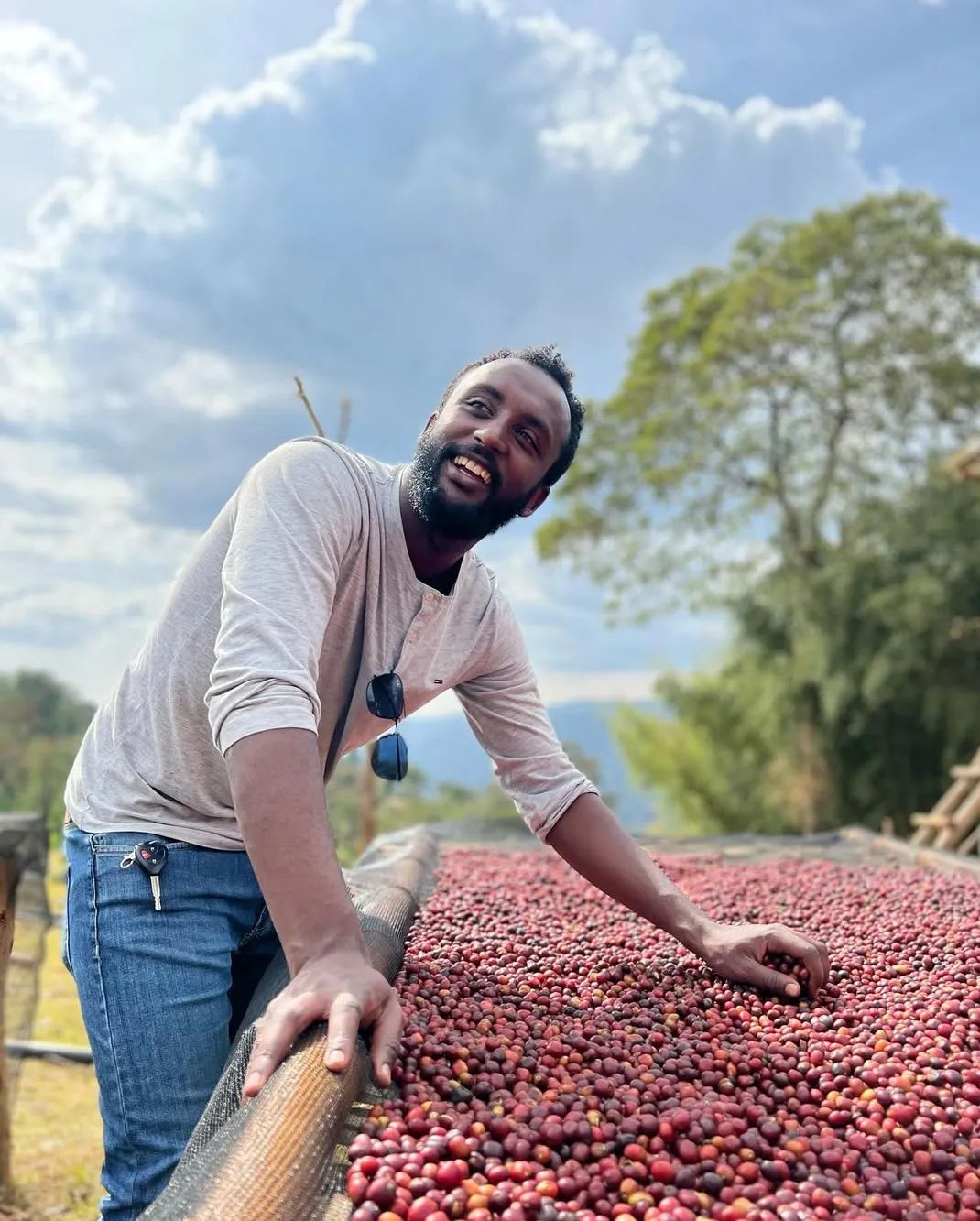
When it comes to the rising stars in Ethiopia’s specialty coffee scene in recent years, aside from Tamiru from Alo Coffee, Eliyas Dukamo, founder of Elto Coffee, is also widely recognized as one of the key figures driving high-quality Ethiopian coffee. Whether in international competitions, small-batch auctions, or the offerings of major well-known roasteries, the name Elto Coffee has gradually become synonymous with “Ethiopian flavor” among specialty coffee enthusiasts.
Elto Coffee Export PLC was established in May 2022. Although the brand has a relatively short history, its founding team has accumulated extensive experience in the coffee industry. The company was co-founded by Eliyas Dukamo and his wife, Atiklit Dejene. With their professional backgrounds and shared vision, they quickly made their mark in the international specialty coffee market.
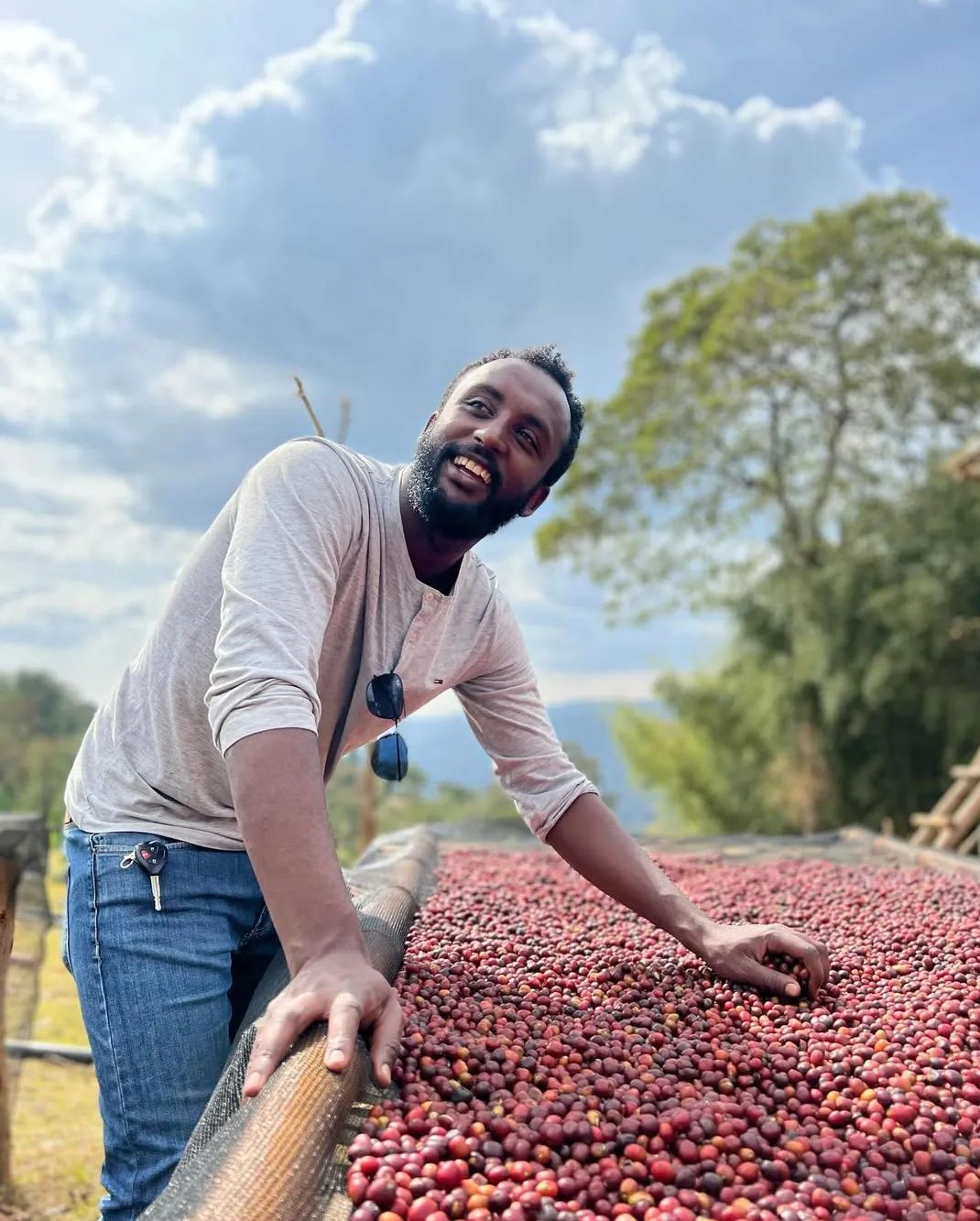
Eliyas was born into the Dukamo family in Bensa Town, Sidama, making him a true “second-generation coffee grower.” Before founding Elto, he worked as Operations Manager at the well-known local coffee enterprise Daye Bensa Coffee, where he was in long-term contact with international green bean trade and gained deep insights into coffee export procedures, quality control, and market demand. His wife, Atiklit, holds a bachelor’s degree in agriculture and previously managed green bean processing at the renowned Gesha Village Estate. She later moved to Daye Bensa, where she led micro-lot and experimental processing programs, gaining considerable hands-on experience in fermentation control and post-processing stability.
During their time working together at Daye Bensa, they found their philosophies aligned and eventually founded Elto Coffee together. The brand’s rapid recognition in the market is backed by their solid foundation built over the years in three core areas: cultivation, processing, and trade.
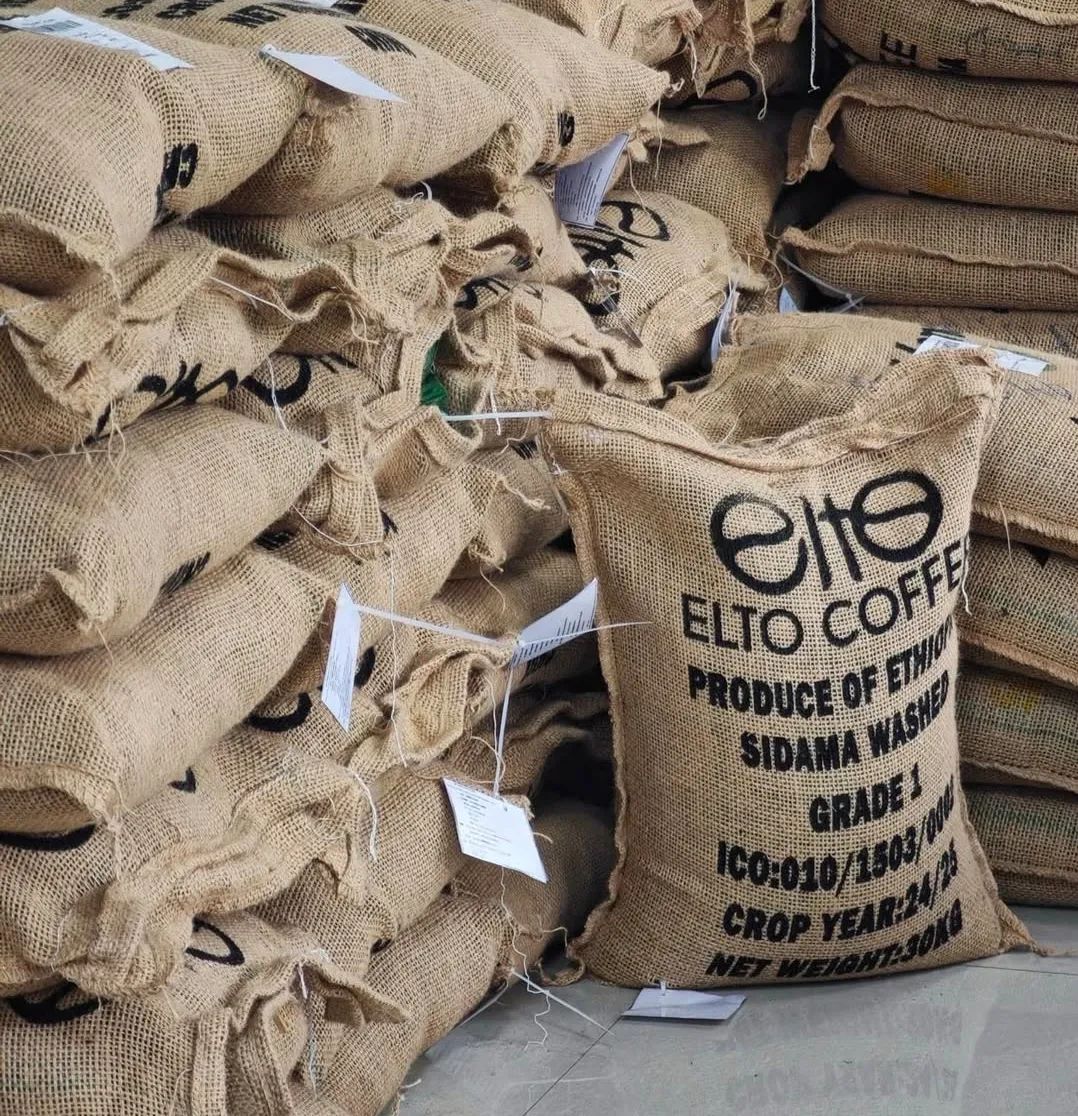
The brand name Elto originates from an ancient Cushitic language commonly used in the Sidama region, carrying dual meanings of “beyond love” and “abundance.” From the brand name alone, it’s clear that Elto is not only committed to producing high-quality coffee but also aims to present the unique terroir of its origin to global consumers through scientific and systematic approaches.
Elto Coffee’s core production areas are concentrated in the high-altitude regions of Sidama, with its main base located in central Bensa Town, near the villages of Kokose and Gango. Among them, the Gango village has about 600 smallholder farmers, mostly cultivating small plots of land ranging from 1 to 2 hectares, often intercropped with banana trees, presenting a typical traditional Ethiopian agricultural landscape.
Currently, Elto Coffee operates multiple processing stations, the highest of which is the Songo (桑格) station located in the Hamasho district, run by Eliyas’s brother-in-law’s family. The station sits at an altitude of nearly 2350 meters. Due to the large day-night temperature variation, stable microclimate, and mineral-rich volcanic ash soil, this location produces distinctly characterized coffee flavors and has attracted smallholder farmers from surrounding villages to join the cooperative.
The second major processing station is Elora, named after Eliyas and Atiklit’s eldest daughter. It is located in the village of Arbegona (阿貝格納) at an altitude of approximately 2250 meters, and its pinkish-purple roof is the most distinctive feature of the station.
In addition, Elto also operates the MOFA processing station in the Mofa Mountain (魔法森林) area, as well as the Bare processing station. Both use locally grown highland native coffee cherries as raw materials. The pour over-recommended batch introduced in this article comes from the MOFA and Bare processing facilities.
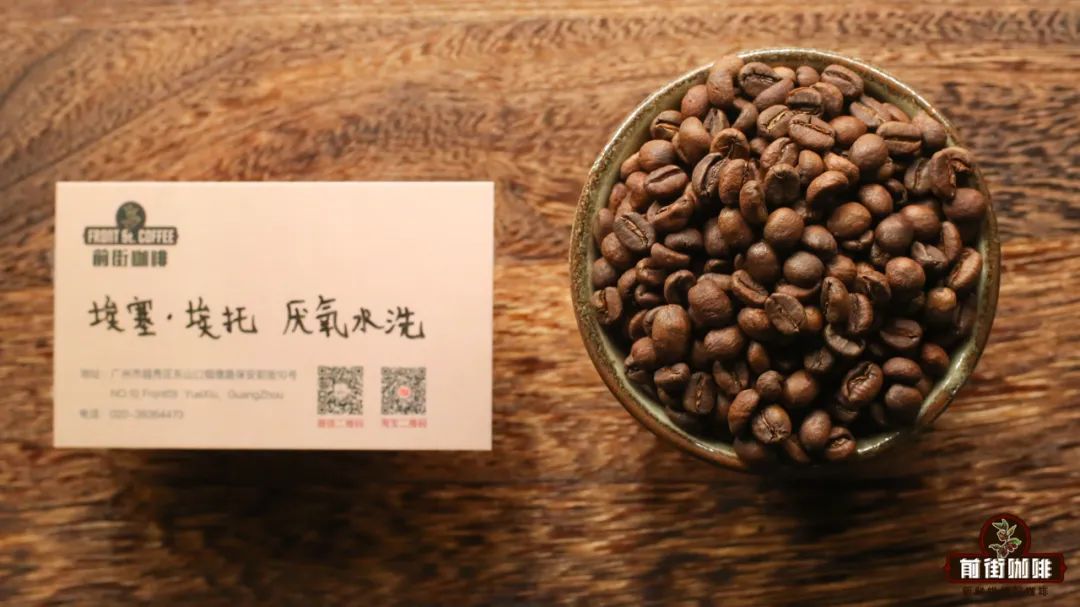
If you’re looking for medium-to-light roasted coffee beans suitable for pour over, the elto Bare batch from Elto Coffee is definitely worth your attention. These beans are sourced from the Bensa area of Sidama, grown at altitudes between 1920 and 2300 meters, and include varieties 74112 and 74110. They are processed using an anaerobic 72-hour natural (sun-dried) method, resulting in a rich and unique flavor profile.
In terms of flavor, this coffee exhibits pronounced rose floral notes, sweet blueberry aromas, along with melon and passion fruit fruitiness. The fermentation aromas are clear but not overpowering, and the overall flavor is balanced and layered. It is highly suitable for pour over coffee lovers who enjoy a combination of fruity and floral notes.
Recommended pour over parameters are as follows: a coffee-to-water ratio of 1:15, water temperature around 90–92°C, grind size suggested as medium-fine (e.g., BG 6M or equivalent), using a pulse pouring technique to highlight its bright acidity and full sweetness. Pay attention to filter choice and pouring rhythm to help bring out its delicate aromas and complexity.
The above content is compiled by CoffeeHunters, a coffee news website.

