








Introduction:Want to dive deeper into the unique charm of Ethiopia’s Sidamo region and the beloved flavors of the Natural Heirloom (Hua Kui) coffee? This article will take you on a journey through Sidamo’s natural environment, smallholder farming practices, traditional processing methods, as well as the aromatic characteristics and optimal brewing techniques of Hua Kui coffee beans. Whether you’re a coffee novice or an advanced enthusiast, you’ll find practical insights here.
As one of the birthplaces of coffee, Ethiopia boasts unparalleled climate and geographical conditions. In particular, the Sidamo region stands out with its elegant floral notes, multi-layered fruity aromas, and rich body, making it a top choice for specialty coffee lovers worldwide. This highland area, located south of the East African Rift, thrives at elevations between 1,500 and 2,200 meters. With abundant rainfall and moderate day-night temperature variations, it produces coffees with distinct flavor profiles.
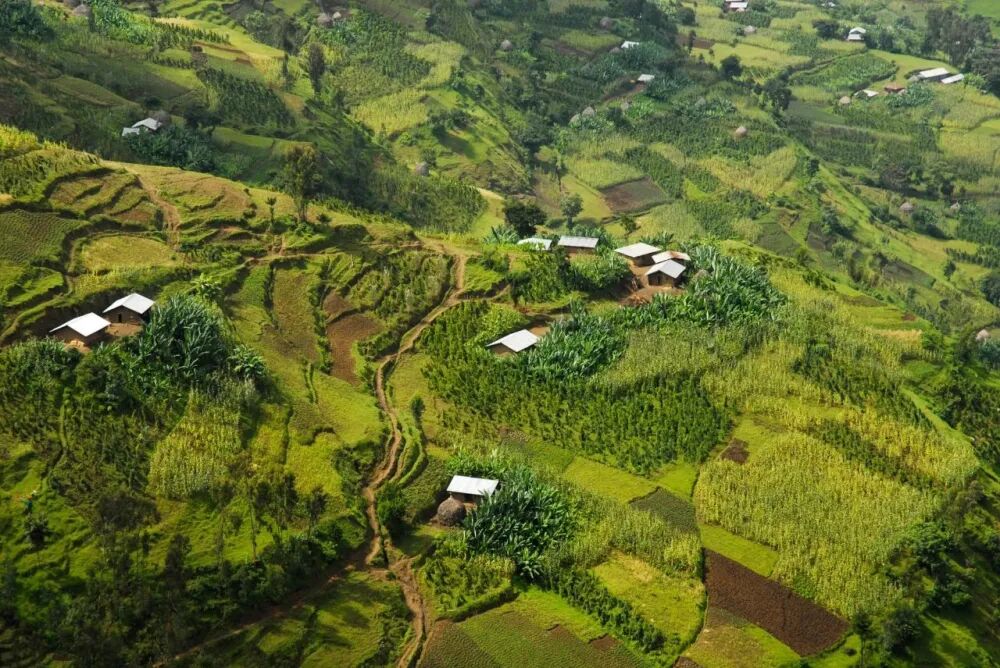
Locally, coffee farming is mainly divided into four types: forest coffee, semi-forest coffee, garden coffee, and plantation coffee, with garden coffee being the most common. Garden coffee refers to farmers intercropping coffee with other plants such as bananas on their own land. This not only creates a unique green landscape but also provides shade and nutrients for the coffee trees. Due to Ethiopia’s incredibly rich coffee gene pool—with diverse varieties that are difficult to fully classify—many unnamed native varieties are collectively referred to as “Heirloom.” These beans are typically sized between screen sizes 14 and 15, with small and irregular appearances, yet they often exhibit captivating floral and fruity notes in cupping, making them highly popular in the market.
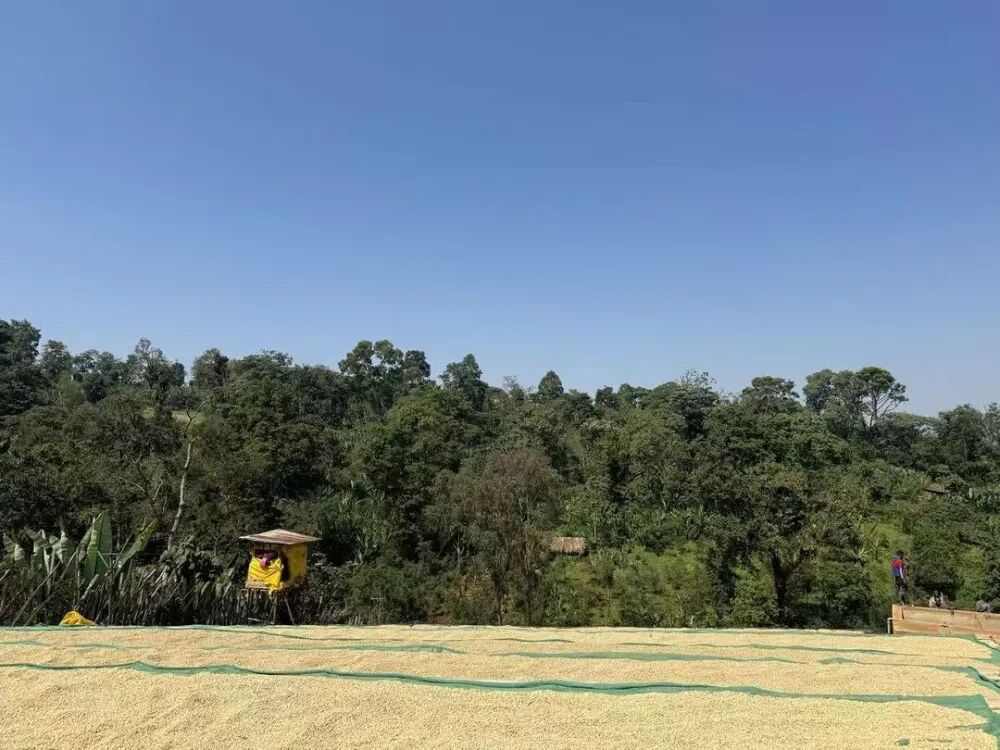
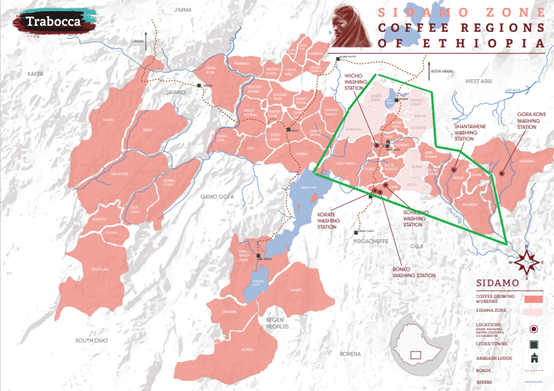
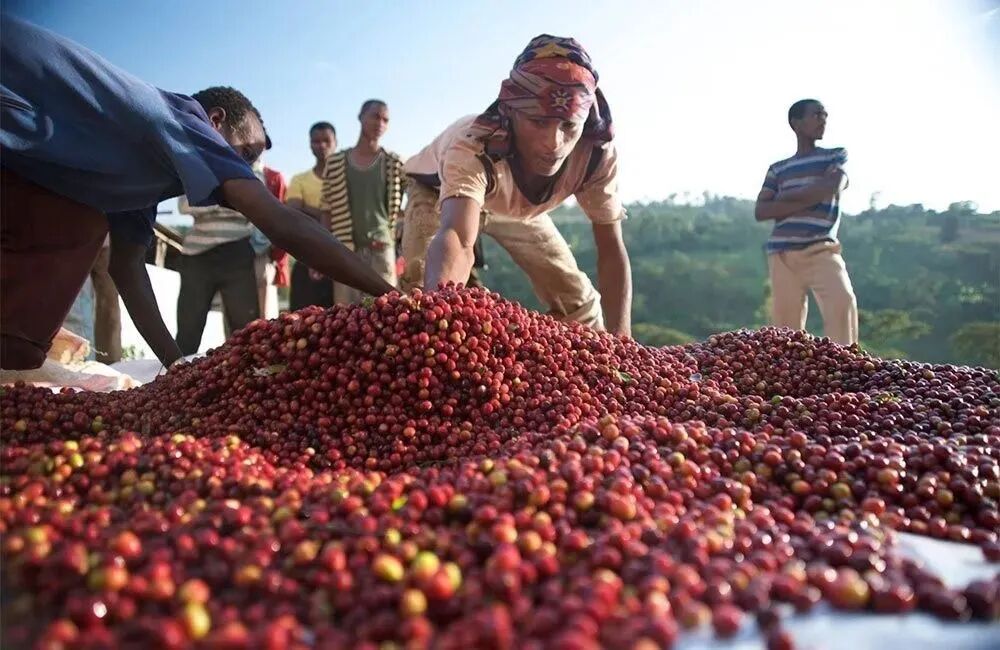
Administratively, Ethiopia has nine major coffee-growing regions spread across five states. Among these, Yirgacheffe, Harrar, and Sidamo are the most renowned and collectively known as the “Big Three Regions.” The Sidamo coffee used by a certain well-known coffee brand comes from smallholder farms in this region. Farmers deliver the harvested coffee cherries to nearby processing facilities or cooperatives located by water sources for further processing, and the coffee is then sold under the name of the processing facility. With the rise of the specialty coffee trend, many producers have begun working directly with farmers, managing micro-lots with meticulous care to further enhance quality and flavor consistency.
Interestingly, the Chinese translations “西达摩” (Xīdámó) and “西达马” (Xīdámǎ) are often confused. In fact, Sidamo originates from the local indigenous group, the Sidama. The Sidama people have their own unique culture and even a UNESCO-recognized traditional New Year festival called “Fiche Chambalala,” which attracts over five million participants annually. However, due to historical reasons, the region was mispronounced as Sidamo by outsiders. Even before the administrative division was redrawn, the name Sidamo had already gained widespread use due to the coffee’s reputation. Coupled with the official trademark registration using Sidamo®, “西达摩” (Sidamo) has become the more widely recognized term.
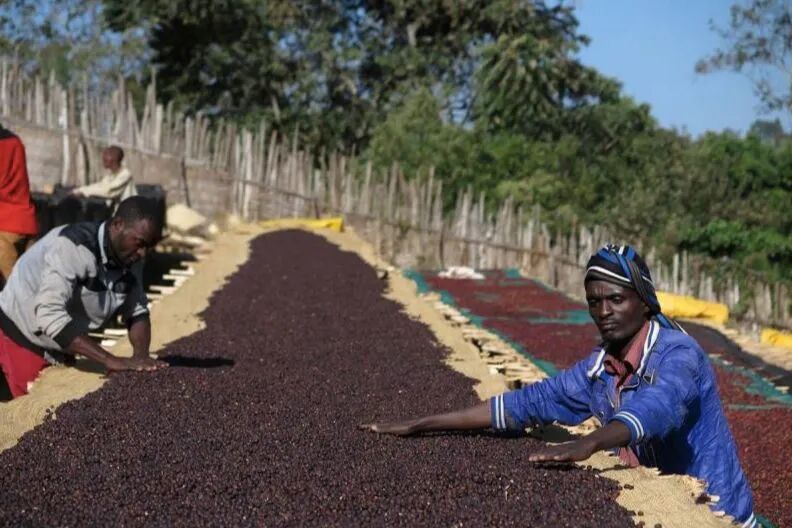
When discussing the flavors of Sidamo coffee, one cannot overlook its primary post-harvest processing method—natural (sun-dried). As the most traditional processing method in Ethiopia, natural processing imparts a richer and fuller body to the coffee. Typical Sidamo natural beans often showcase complex sweetness, silky mouthfeel, and layered notes of flowers, spices, and tropical fruits, with a bright aftertaste and long-lasting sweetness. Compared to washed processing, the natural method involves a longer fermentation period and more thorough interaction between the fruit pulp and microorganisms, producing more volatile compounds such as esters. These compounds transform into enchanting aromatic substances like furans during roasting, highlighting the coffee’s fruity and sweet characteristics.
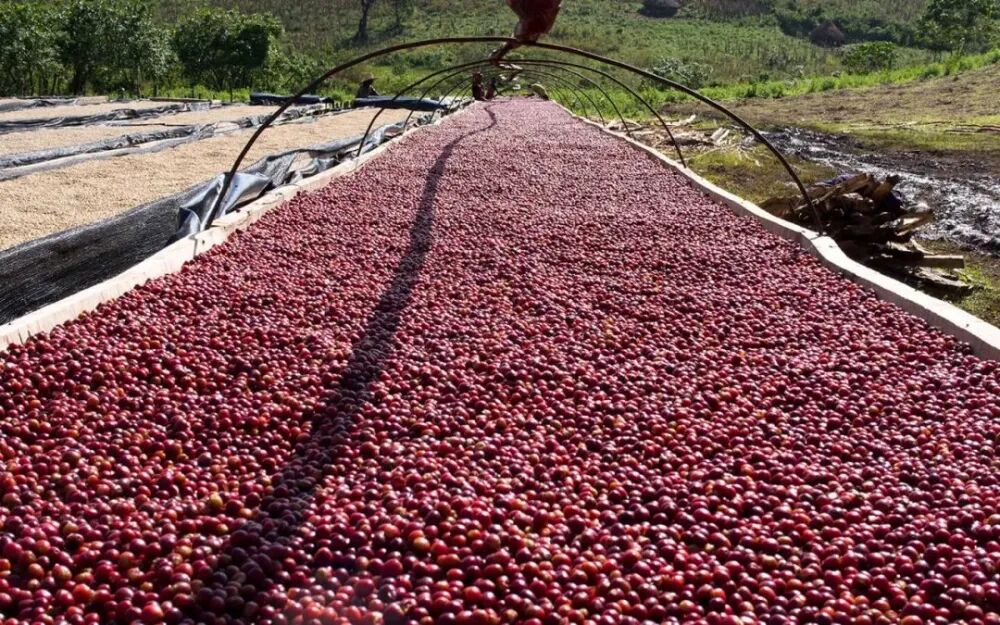
At the border between the Sidamo and Guji regions lies a sub-region called Hambella, currently under Guji administration, yet home to the renowned Hua Kui coffee. Situated at an altitude of up to 3,200 meters, it is one of the few extremely high-altitude coffee-growing areas in Ethiopia, neighboring Kochere in Yirgacheffe. Hua Kui coffee first gained fame in 2017 when it was submitted by DW Company to the “Ethiopian National Taste of Harvest Competition (TOH)” and won the championship. The Hua Kui coffee beans sold by a certain well-known coffee brand come from the Buku Abel processing plant in the Hambella region, which is famous for purchasing fully red cherries from surrounding farms for natural processing.
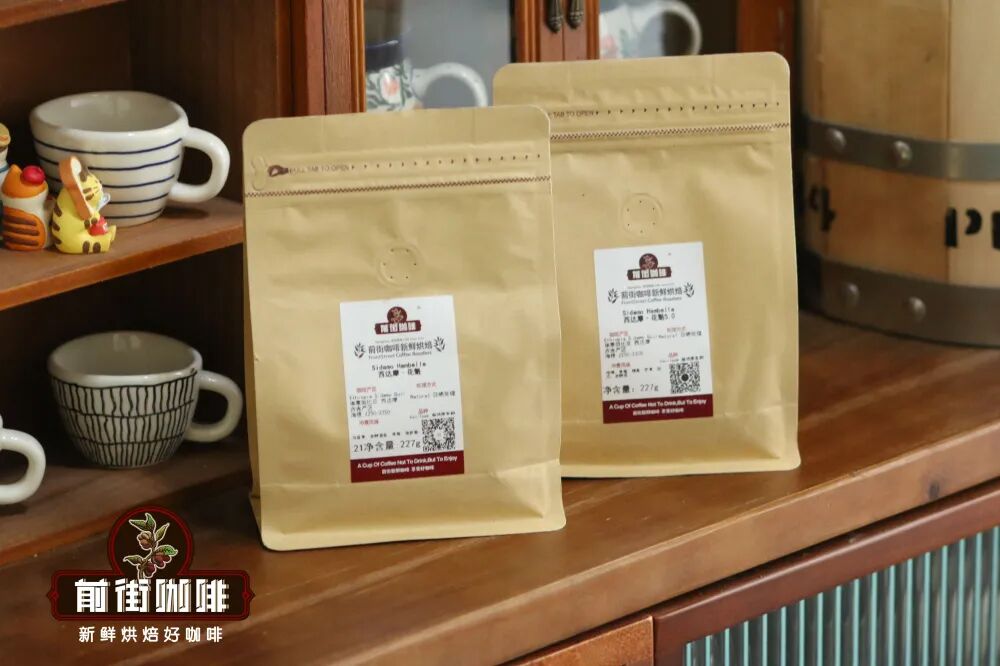
The main harvest season runs from December to January each year. Buku Abel selects only coffee cherries with sugar content above 30, placing them on African raised beds for prolonged sun drying. During processing, to prevent over-fermentation caused by midday heat, farmers use shade nets to reduce sunlight intensity; at night, plastic sheets are used to protect against rain. The cherries are also turned daily to ensure even drying and prevent off-flavors. After approximately 18 days, when the moisture content of the green beans drops to 12%, hulling can begin. To highlight Hua Kui’s rich fruity notes, a certain well-known coffee brand uses a medium-light roast and presents its vibrant layers of passionfruit, strawberry, cream, and cocoa through the pour over method.
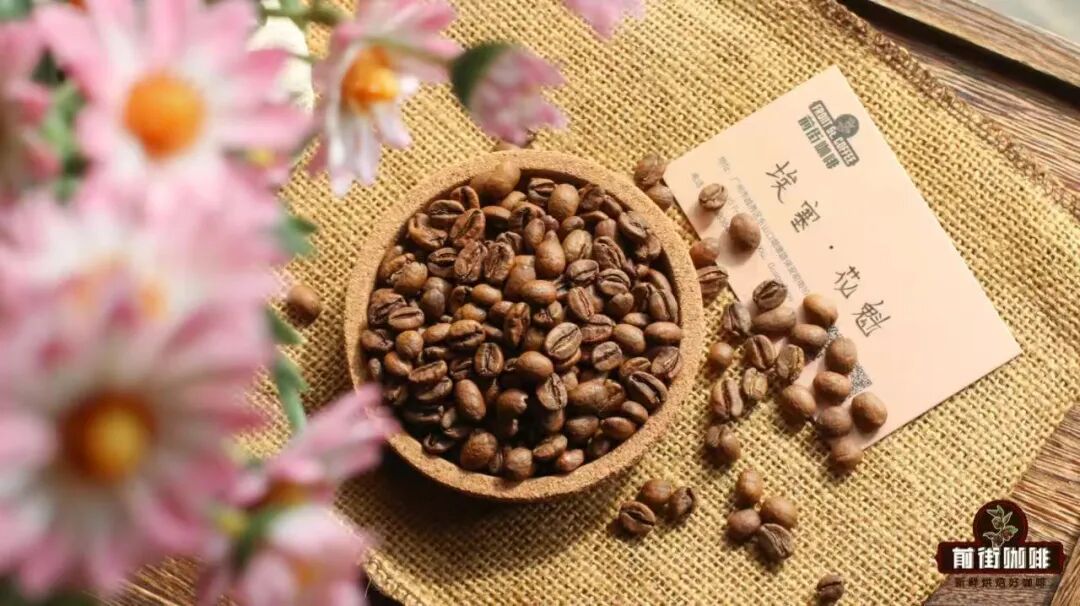
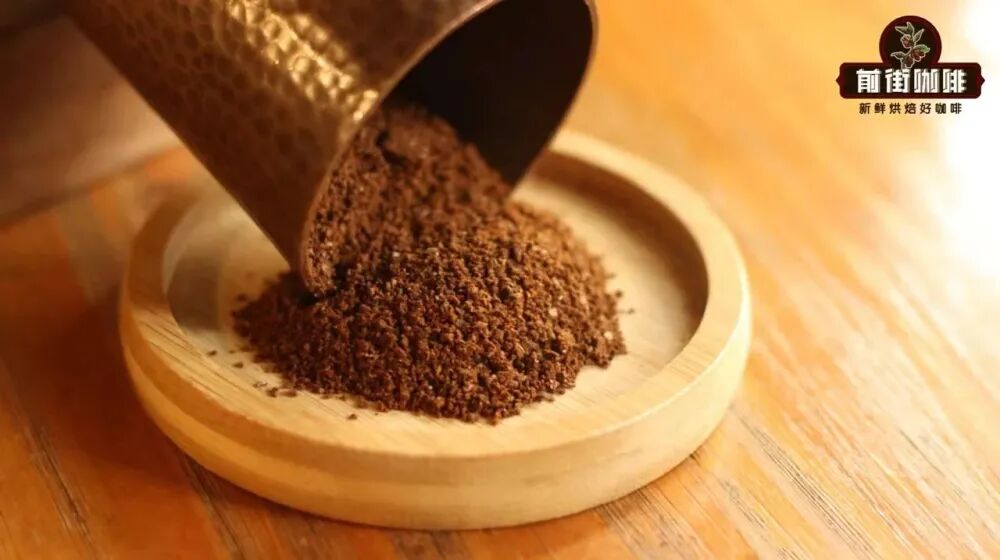
To fully experience the berry and floral notes of Hua Kui coffee, selecting the right brewing method and parameters is crucial. The essential tools for pour over include a gooseneck kettle, filter cone, server, grinder, filter paper, scale, and thermometer—each influencing the final flavor. Among these, the choice of grinder is particularly critical. Whether hand-cranked or electric, the goal is uniform grinding. It is recommended to use a 0.85mm standard 20-mesh sieve; for medium-light roasted beans like Hua Kui 8.0,a 75~80% extraction rate(approximately equivalent to the 20-mesh sieve passing rate)80%is ideal. In retail practice, the EK43s grinder is often adjusted tosetting 10for this purpose.
Water temperature also affects extraction results. For light roasts, it is recommended to use91~93℃to fully extract aroma, while for medium-dark roasts,87~90℃is advised to avoid over-extraction and bitterness. A certain coffee shop selects either Hario V60 or KONO filter cones based on roast level: V60 is suitable for light roasts due to its unique spiral ribs and large hole design, which extend the contact time between water and coffee grounds, enhancing flavor layers.

For brewing Hua Kui 8.0, the recommended coffee-to-water ratio range is1:15 to 1:16, depending on personal preference for a stronger or lighter taste. For a bolder profile, choose 1:15; for a more delicate expression of floral and sweet notes, 1:16 helps unfold the flavors. Practically, using15 grams of coffee and 225 milliliters of total water, a three-stage pouring method is suggested: the first pour adds30 millilitersof water for a 30-second bloom; the second pour brings the total to125 milliliterswith circular stirring; once the water level drops halfway, the final pour adds100 millilitersto reach 225 milliliters total, with the entire extraction process taking about2 minutes.
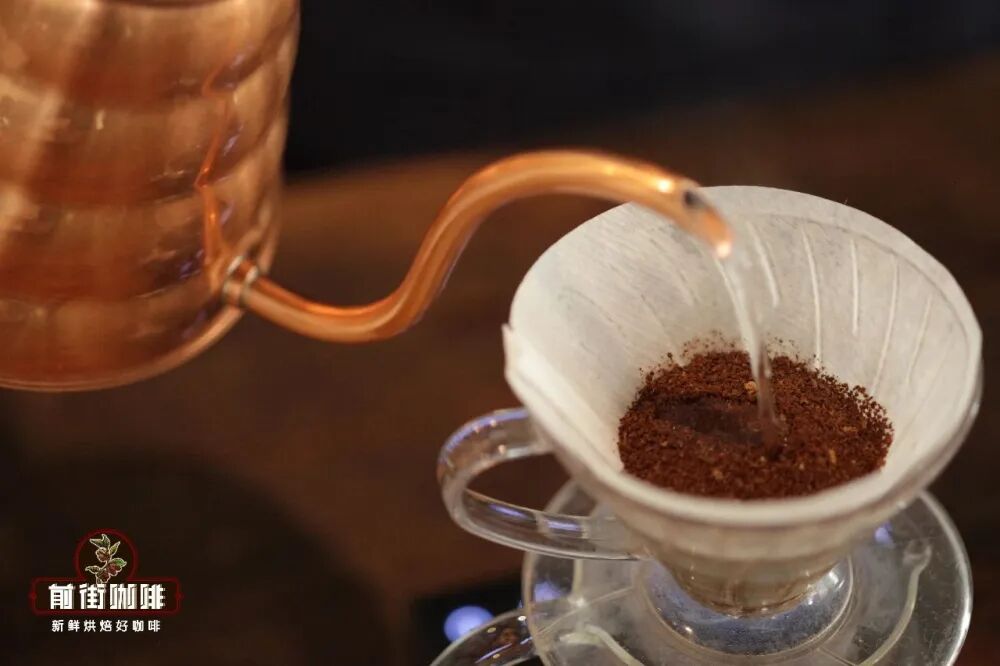
Finally, when using a V60 resin filter cone, fold the filter paper to fit snugly and rinse it with hot water to preheat the equipment. After adding coffee grounds, gently tap to level them. Initiating the first bloom releases the flavors, followed by steady pouring. Focus on controlling flow rate and evenness to ensure all coffee particles are fully extracted, bringing out Hua Kui’s full spectrum of berry, cream, and cocoa notes in the finish.


The above content is compiled by CoffeeHunters, a coffee news website.

