







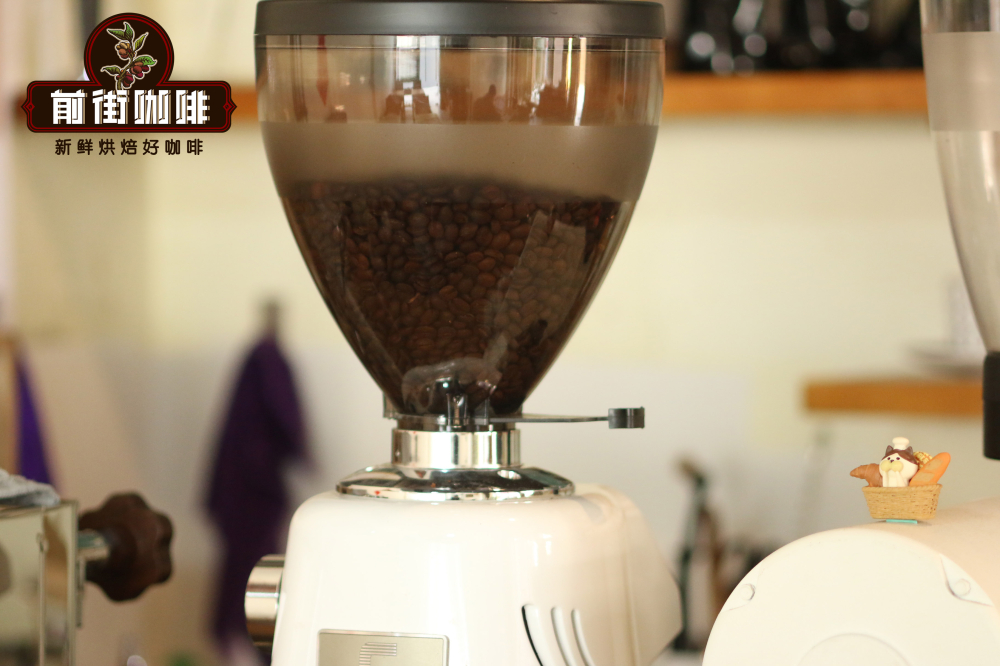
Introduction:To truly enjoy a well-brewed shot of espresso, no step can be overlooked—from bean selection and grinding to extraction. This article breaks down the ideal grind size, coffee-to-water ratio, and extraction time for espresso, teaching you how to find the right grind setting for your beans and how to properly taste espresso, helping beginners quickly master the key techniques.
In the process of making coffee, controlling grind size is one of the most critical factors affecting flavor, especially for espresso. Compared to pour over or cold brew, espresso uses extremely fine coffee grounds and is extracted under high pressure in a short amount of time, which makes the precision of grind size particularly important. Even a slight deviation can easily lead to over-extraction or under-extraction, directly impacting the final taste.
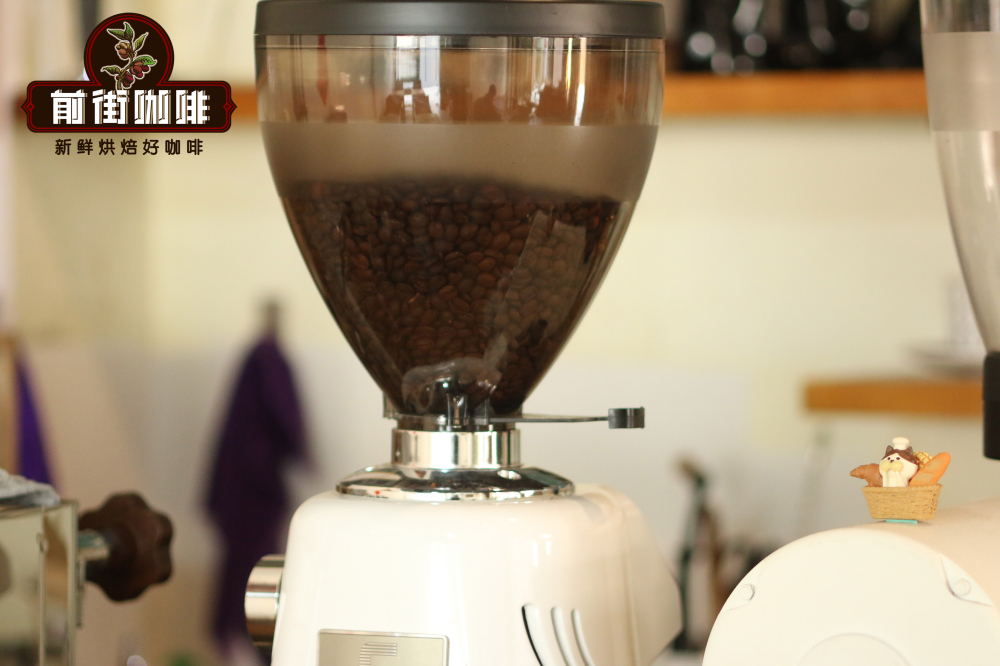
So, just how fine is the grind for espresso? Generally speaking, it’s finer than table salt and much denser than the coffee grounds commonly used for pour over. Its uniformity is almost impossible to discern with the naked eye, and it’s also difficult to test with standard sieves. For this reason, we usually rely on observing the flow rate during extraction and the final flavor of the coffee to judge whether the current grind size is appropriate.
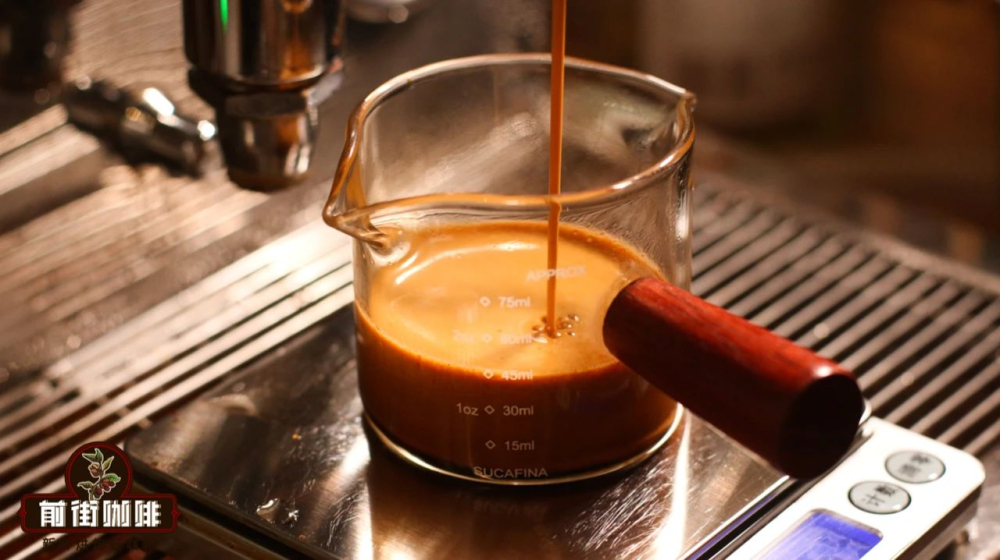
If the grind is too fine, water will pass through the coffee bed more slowly, which can easily lead to over-extraction, resulting in bitter and off-flavored coffee. Conversely, if the grind is too coarse, water will pass through too quickly, causing under-extraction, and the coffee may taste thin or overly sour. These differences can sometimes stem from just a 0.1 adjustment in grind setting. Therefore, adjustments should be made gradually based on actual flow rate and flavor performance until the optimal state is achieved.

Choosing the right coffee beans is also the foundation for making a good shot of espresso. It’s recommended to use blends from different regions, such as beans from Brazil, Indonesia, and Vietnam, which can offer a rich layers of flavor—combining caramel sweetness with the body and crema typically associated with dark roasts. It’s advisable to choose dark roasted beans, which are not only suitable for pure espresso but also provide a solid base for milk-based drinks like lattes.
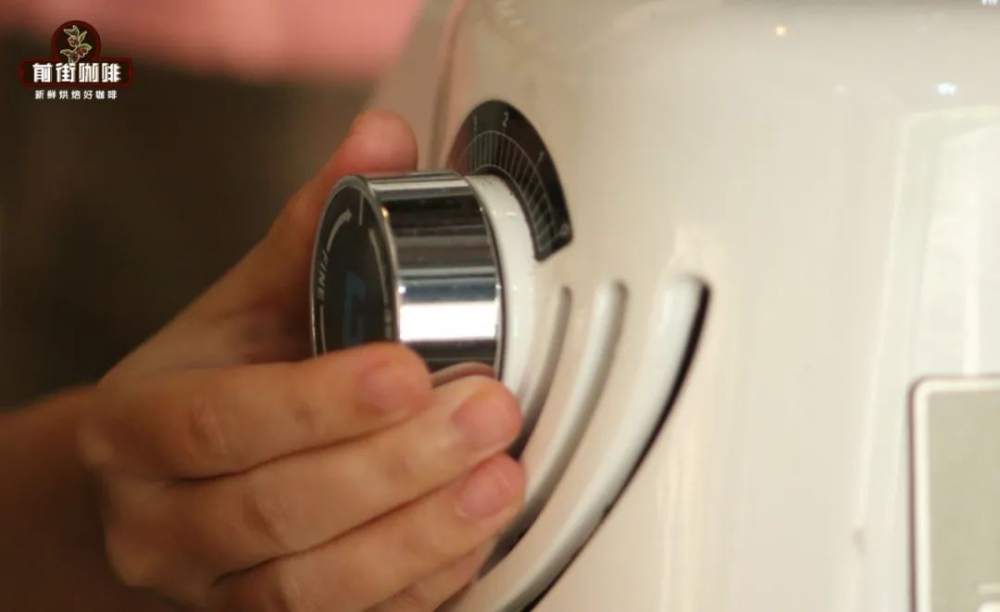
When using new coffee beans for the first time, it’s recommended to first test the suitable grind range. If you’re not yet familiar with your grinder’s settings, start by experimenting with small amounts of beans at different settings. Ideally, espresso coffee grounds should have a texture as fine as flour, feeling smooth without any grittiness. Based on this, proceed with extraction using the common coffee-to-water ratio of 1:2—that is, extracting about 2 grams of coffee liquid for every 1 gram of coffee grounds, with time controlled between 20 to 30 seconds.
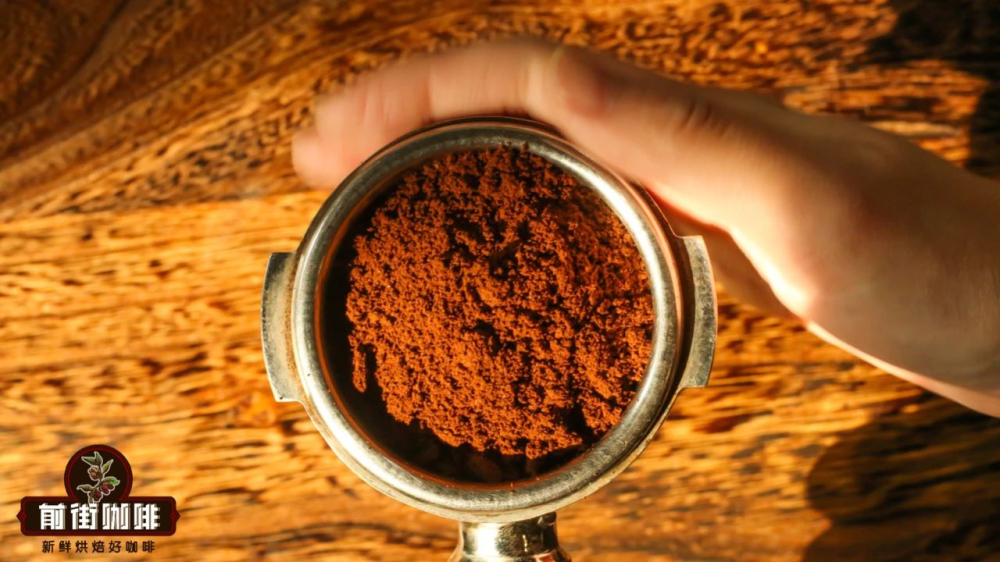
For example, if you’re using a portafilter basket with a 20-gram capacity, then use 20 grams of coffee grounds, aiming to extract 40 grams of coffee liquid. If the extraction time is less than 20 seconds, it indicates the flow rate is too fast, and you should adjust the grind to be finer. If it exceeds 30 seconds, the flow rate is too slow, and you should adjust the grind to be coarser. When adjusting the grind, if the difference from the ideal time is small (within about 5 seconds), it’s recommended to adjust by 0.2 notches each time. If the difference is larger, you can adjust by 0.5 to 1 notch at a time, gradually narrowing down the range to find the most suitable setting.
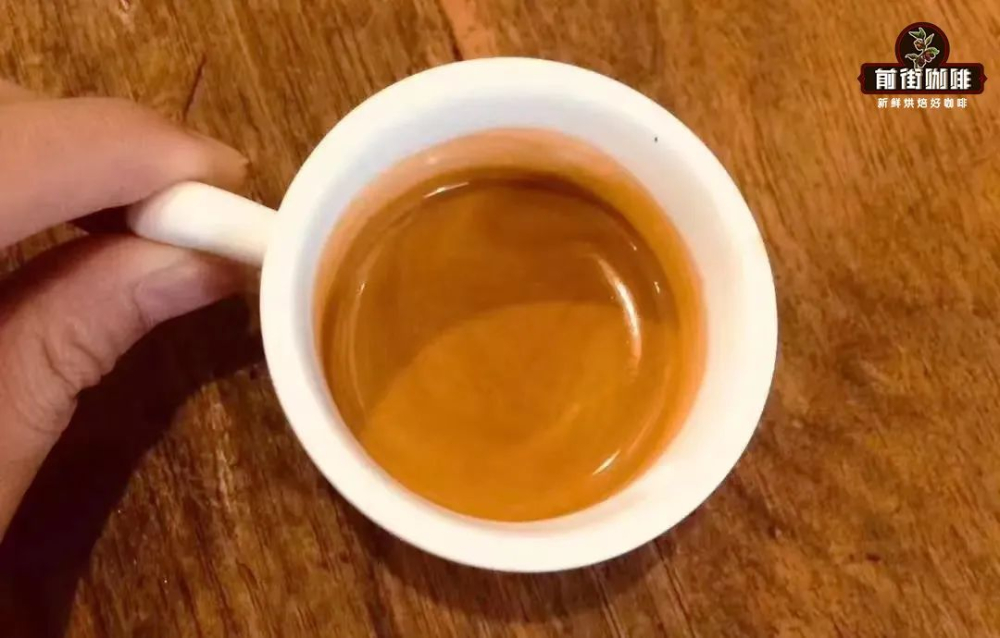
However, to make espresso with truly outstanding flavor, relying solely on formulas isn’t enough. It’s recommended to fine-tune based on the actual flavor of the brewed coffee. For instance, if the coffee has a noticeable burnt bitterness, it may be due to overlong extraction time, and you could slightly adjust the grind to be coarser. If the crema is pale and thin, it may indicate over-extraction in the later stage of brewing, and you might consider adjusting the coffee-to-water ratio to 1:1.5~1:1.7 to reduce the amount of liquid extracted. On the other hand, if the coffee has a rich flavor but lacks a lasting aftertaste, you might consider extending the extraction time and adjusting the ratio to 1:2.5 to extract more coffee liquid.

It’s worth noting that a 1:2 coffee-to-water ratio and an extraction time of 25~30 seconds are only for beginners’ reference. In reality, every coffee bean has its own optimal extraction parameters. Sometimes ratios like 1:1.7 or 1:2.5 may better highlight flavor characteristics. It’s suggested that when brewing at home, you record how the coffee performs under different parameters to find the combination that best suits your personal taste, avoiding being limited by a single formula.
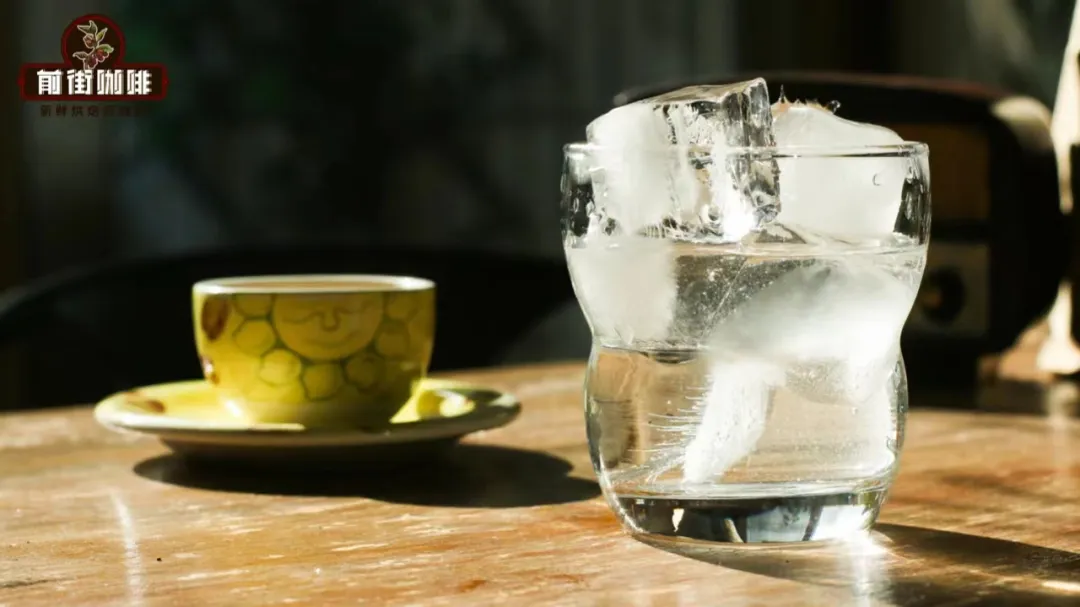
Once all extraction parameters are properly adjusted, the next step is how to correctly drink espresso. First, it’s recommended to take a sip of ice water before tasting, to cleanse your palate and reset your taste buds, which helps you more acutely capture the subtle flavors of the coffee. Then, you can gently stir the espresso with a spoon. The purpose is to distribute the concentration of the espresso more evenly, preventing issues like a thin top layer and a thick bottom layer. It also allows the crema (coffee oils) to fully blend with the liquid, reducing the bitter stimulation caused by fine particles.
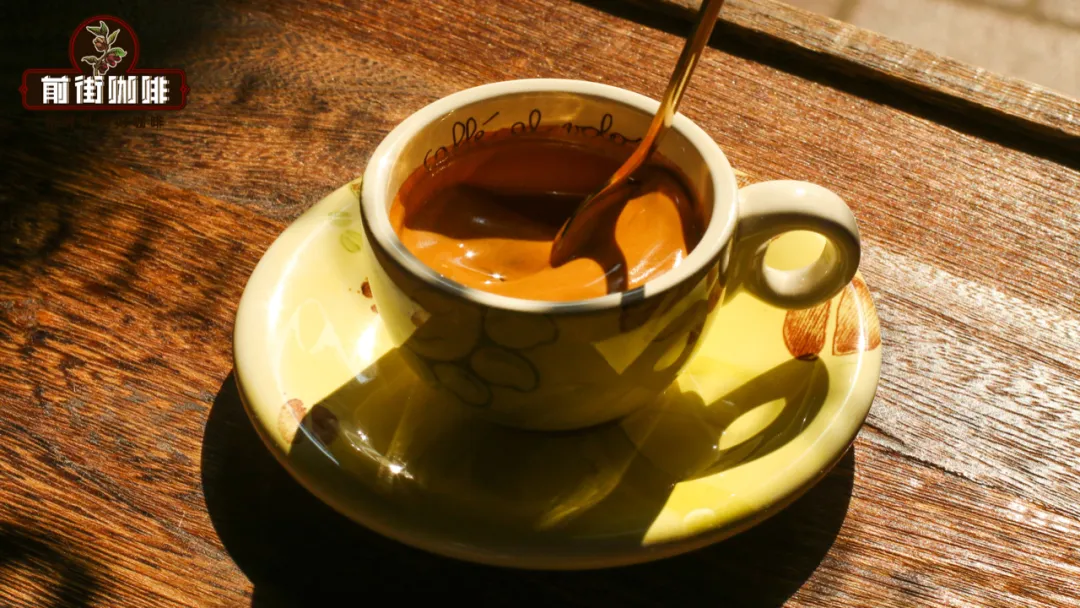
If you’re not used to stirring, you can also take small sips directly to experience the layers of the espresso. However, beginners are advised to stir first, as it helps reduce discomfort caused by fine particles in the oils. After stirring, it’s recommended to take a big sip to let the coffee fill your mouth, feeling the smoothness and richness brought by the oils. If you’re using a light-roasted SOE bean, the flavor may be relatively refreshing due to less oil, but it can still showcase unique fruit acidity and aromas.
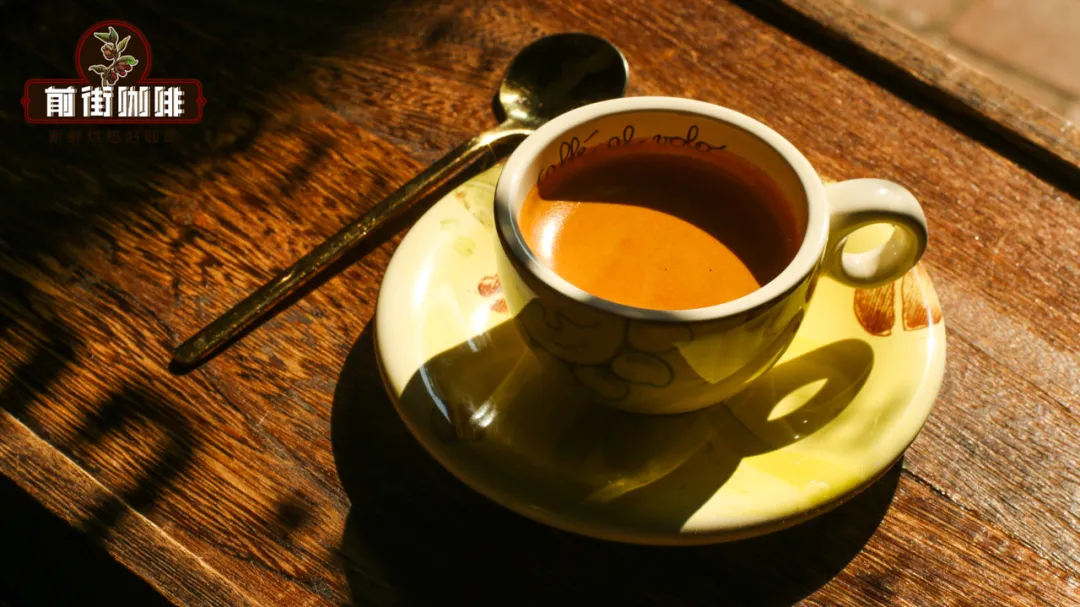
Finally, don’t forget to savor the aftertaste of the coffee. After swallowing, close your mouth and draw in some air to feel the aroma and warmth rising from your throat. Then take a sip of water to let the coffee’s flavor leave a lingering sweet finish on your taste buds. This complete tasting process allows you to truly appreciate the essence of espresso.
The above content is compiled by CoffeeHunters, a coffee news website.


