







Introduction:Want to understand the difference between pour over and espresso? Or curious how different brewing methods such as drip, immersion, and boiling affect coffee flavor? This article delves into the common principles of coffee extraction, from pour over to manual and machine drip, all the way to high-pressure espresso and Turkish boiling, explaining in detail the operating logic, suitable scenarios, and key parameters of each method, helping you find the coffee brewing style that best suits your taste.
There is a wide variety of coffee on the market. Whether you prefer the delicacy of pour over, the richness of espresso, or the refreshment of cold brew, each brewing method has its unique flavor characteristics and operation style. Understanding these differences can help you choose the most suitable coffee preparation method based on your personal taste or situation.
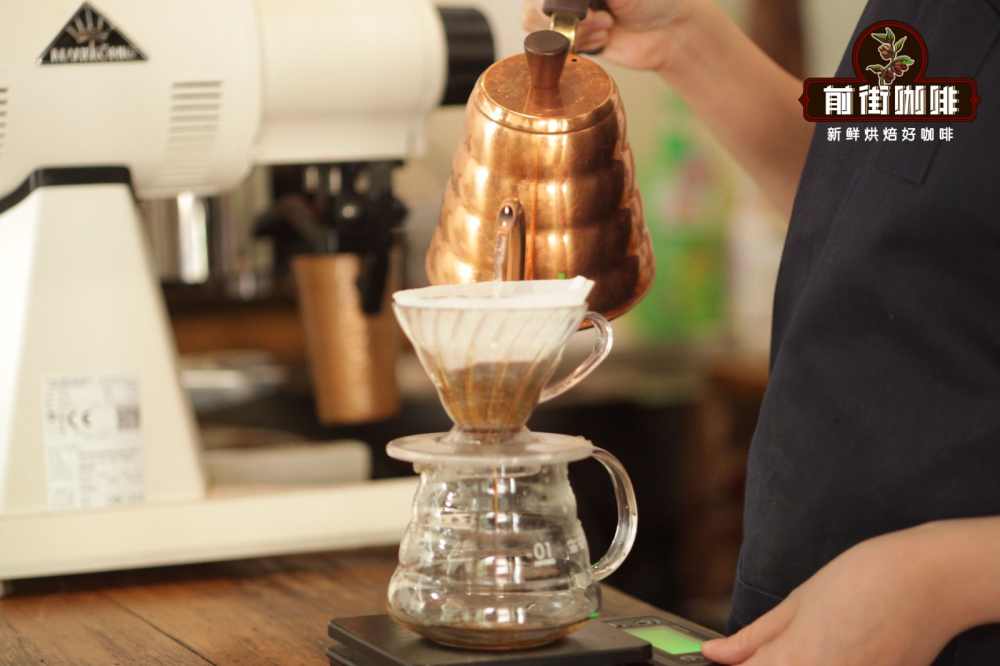
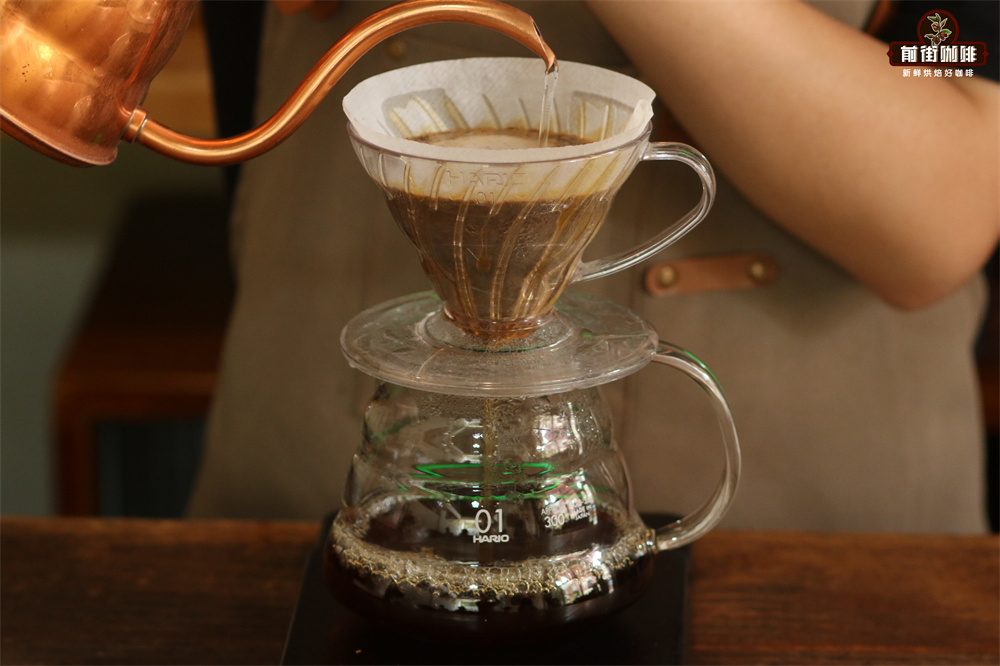
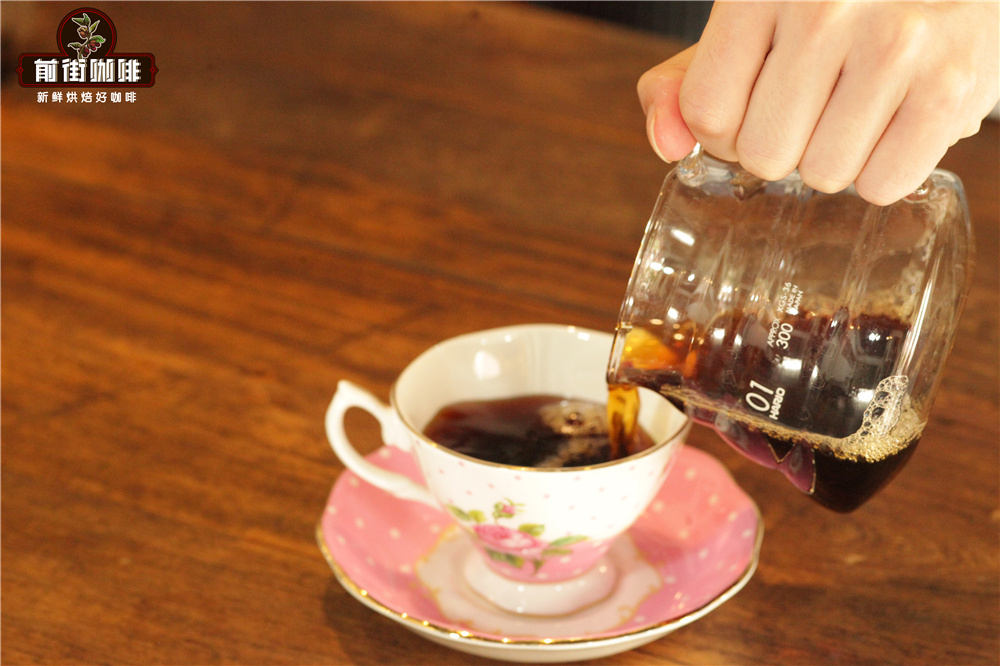
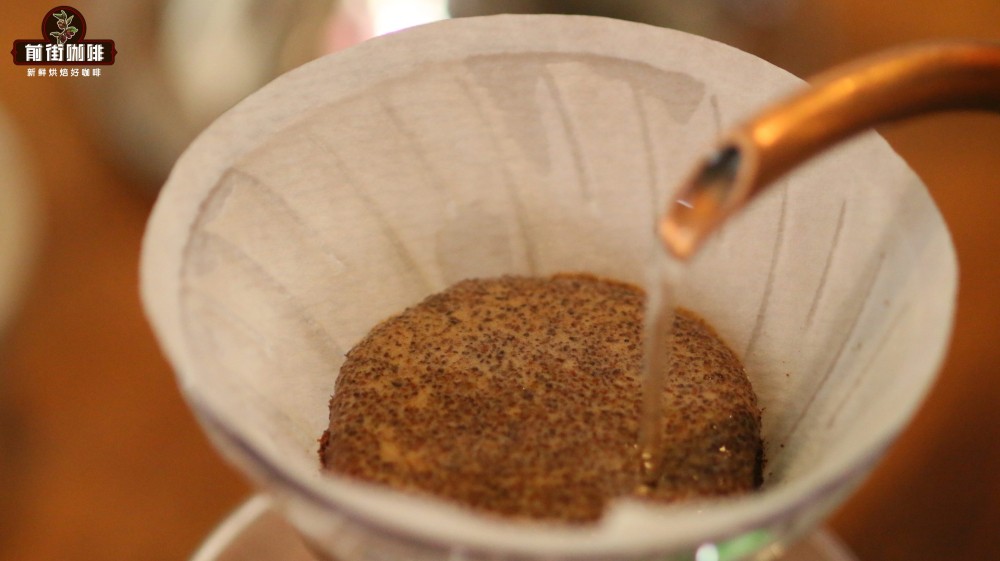
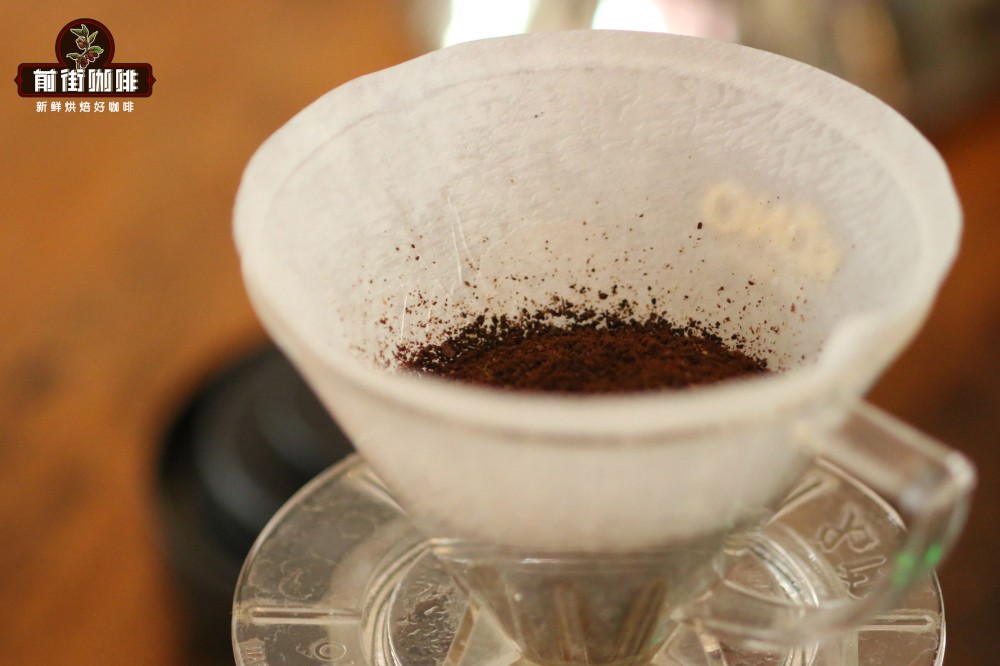
Pour over coffee is one of the drip filtration extraction methods. Because it is relatively easy to operate and highlights the original flavors of the coffee beans, it is widely loved by coffee enthusiasts. In fact, drip coffee broadly refers to all brewing methods where hot water passes through a bed of coffee grounds by gravity, not limited to pour over but also including various other methods using different filter devices. Pour over is the method that best showcases the regional characteristics of single-origin coffee beans and is also the first choice for many entering the world of specialty coffee.
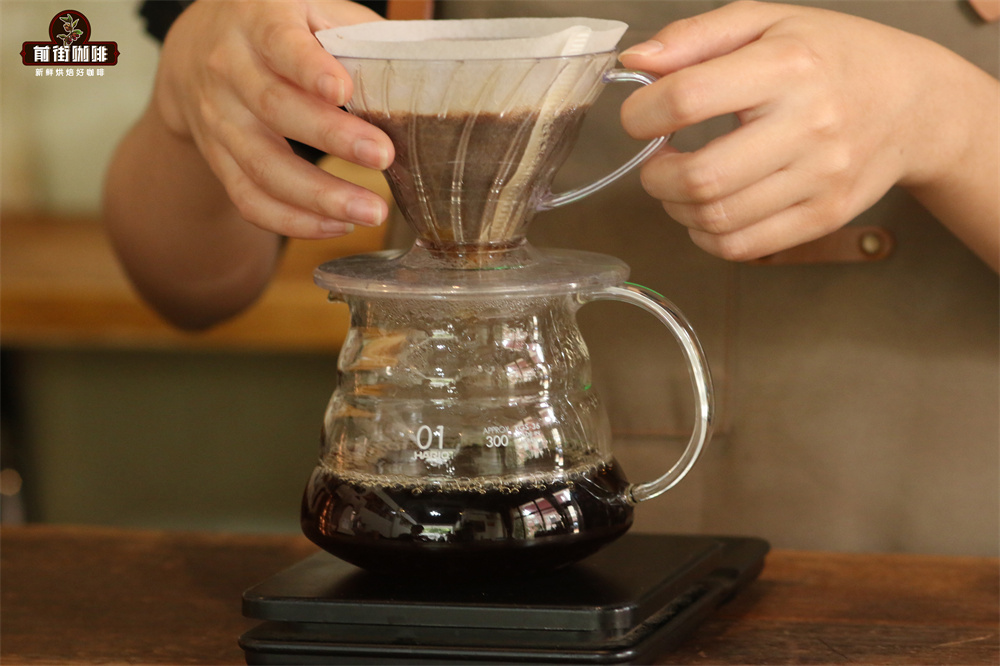
Drip coffee and pour over coffee are often confused, but their definitions are actually different. Drip is a broad category that includes multiple brewing forms, such as pour over, electric drip brewers, etc.; whereas pour over is one method that completes extraction through manually pouring water. In terms of taste, pour over coffee usually presents a cleaner, more layered profile, heavily influenced by the barista’s pouring technique; while drip coffee tends to have a more stable and consistent profile, especially noticeable in commercial or home automatic equipment.
The core of coffee extraction lies in using water as a solvent to draw out the flavor compounds, acids, oils, and aromas from roasted coffee beans. Common extraction methods can generally be divided into four main types: drip, espresso, immersion, and boiling. Each method, due to differences in contact method, pressure conditions, and water temperature, brings out distinctly different coffee profiles.
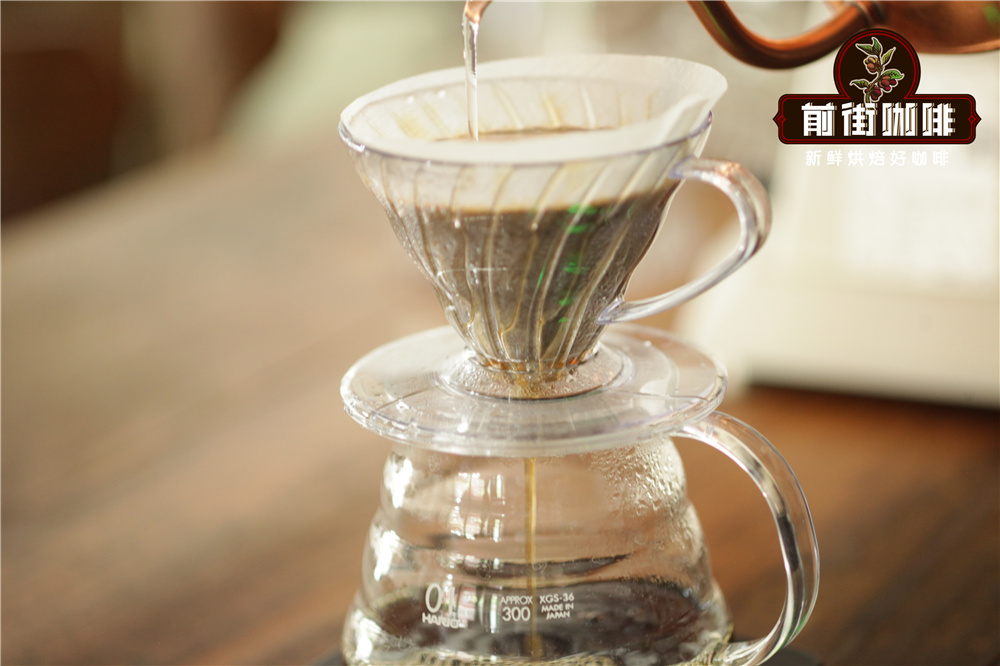
Drip Coffee is extracted under normal pressure by allowing hot water to slowly pass through a bed of coffee grounds, dripping down naturally by gravity. Common devices include V60, Chemex, Melitta filters, and KONO, among others. This method is a gentler form of extraction, preserving the delicate aromas and acidity of the coffee, and because there is no high pressure involved, less coffee oil is released, resulting in a relatively clean and crisp taste. In addition, the filter paper removes some of the oils, giving the coffee a clear color with a slight reddish-brown hue, suitable for those who wish to savor the original flavors of the coffee.
It’s worth noting that many household American coffee machines are actually electric versions based on the drip principle. Though often mistakenly called “American coffee,” their essence is still drip coffee. The main difference between pour over and drip lies in the operation: pour over relies on manually pouring water, with many variables and flexible flavors; whereas drip devices are mostly automatic or semi-automatic, with lower operational barriers but also less flexibility.
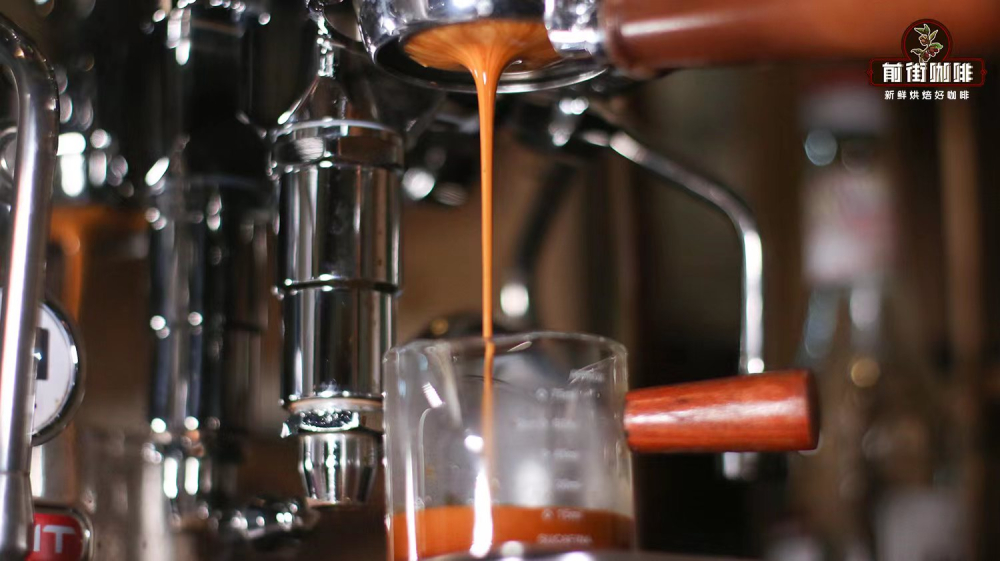
Espresso is the representative of high-pressure extraction, typically using a professional espresso machine to force nearly boiling hot water (about 88–96°C) through an extremely finely ground coffee puck at 9 atmospheres of pressure, instantly extracting a concentrated shot of coffee, commonly known as Espresso. This high-pressure environment allows the coffee oils (crema) to emulsify abundantly, forming the fine golden to reddish-brown foam layer on the surface of the coffee, which is also one of the key indicators of coffee freshness.
The presence of crema not only adds a visual layer but also brings special caramel and nutty aromas, making the espresso taste richer and more robust. However, due to the short extraction time and high pressure, improper grind size or tamping can easily lead to over-extraction or under-extraction.
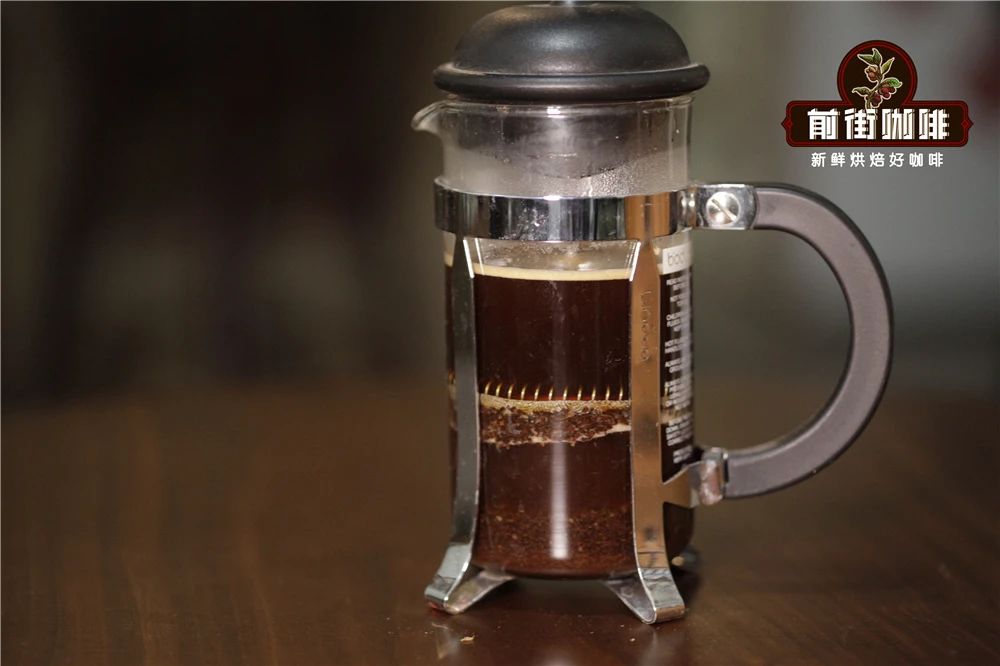
Immersion Coffee involves steeping coffee grounds in hot water for a period of time, then separating the grounds through a filter or plunger. Common tools include the French press, where during brewing, the coffee grounds are in full contact with the water, allowing for a more complete release of flavor compounds, especially oils and body, resulting in a thicker, more grounded taste, suitable for drinkers who enjoy a bold coffee experience.
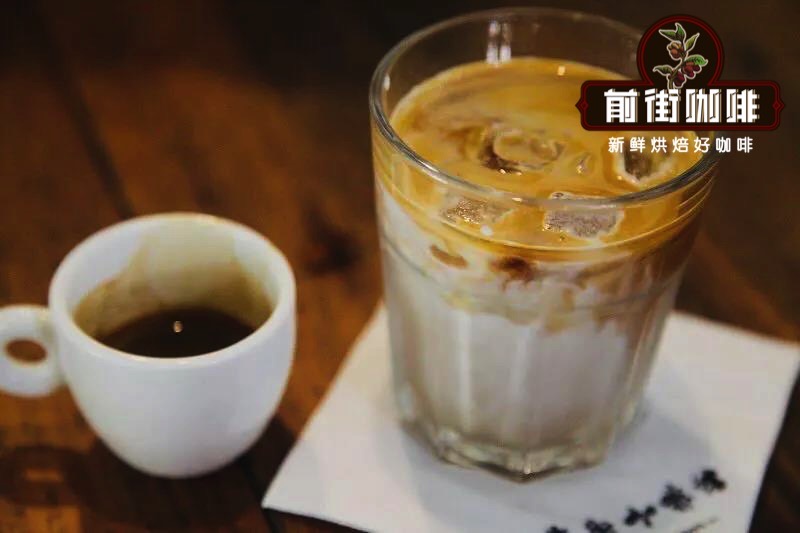
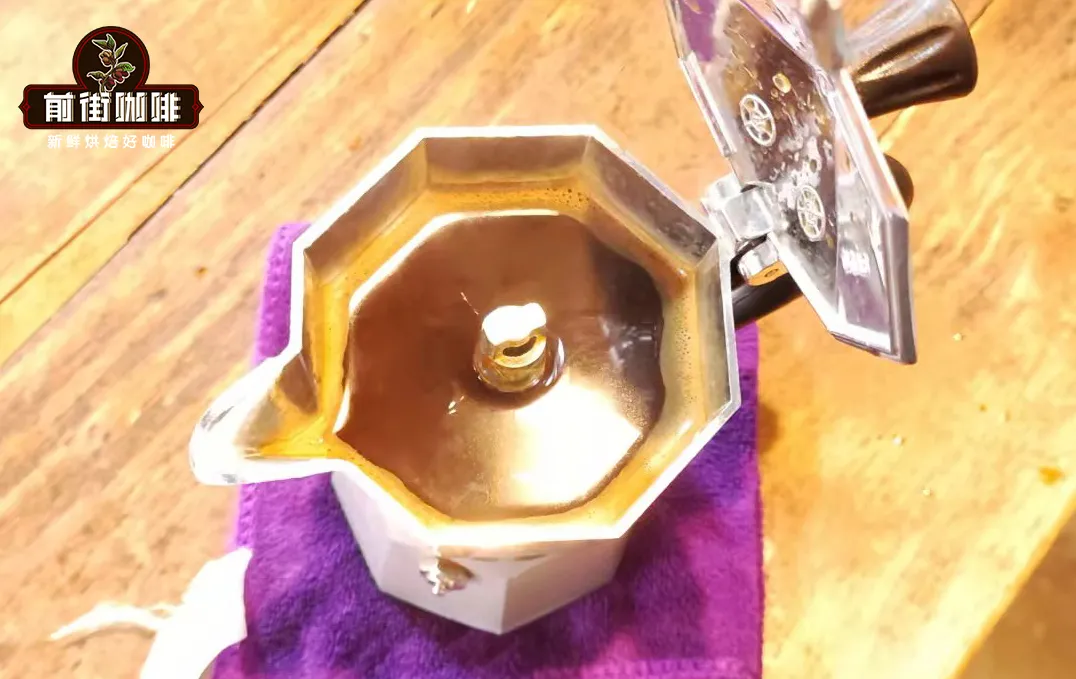
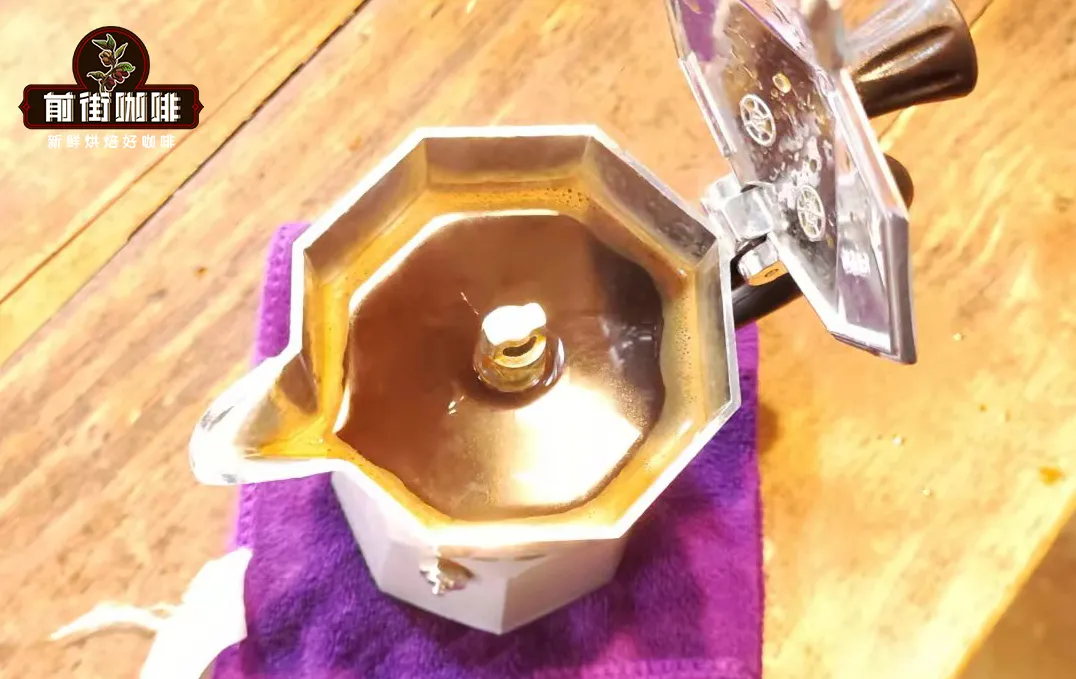
Boiling Coffee requires placing the brewing device directly on a heat source, such as a Turkish pot or moka pot. These methods, due to the tendency for water temperature to become too high, can easily over-extract the coffee, resulting in intense flavors that may even carry noticeable burnt bitterness. The moka pot, though often mistaken for a type of espresso machine, actually generates steam pressure through heating to push water through the coffee grounds, making it a pressurized but not high-pressure simple extraction device.
In addition to the above four major categories, there are many more creative and fun coffee brewing tools on the market, such as the AeroPress and siphon (Siphon) coffee makers. These tools combine practicality with entertainment and have their own loyal followings.
Based on the form of contact between water and coffee grounds during brewing, coffee preparation methods can be further categorized into five types: decoction, pressurized, gravity, immersion, and cold brew.
Decoction is the most primitive brewing method, simply involving adding coffee grounds to hot water, letting it sit or boil, and then drinking once the grounds have settled. This method is simple but can easily result in drinking the settled grounds, commonly seen in traditional Turkish coffee or so-called “cowboy coffee.”
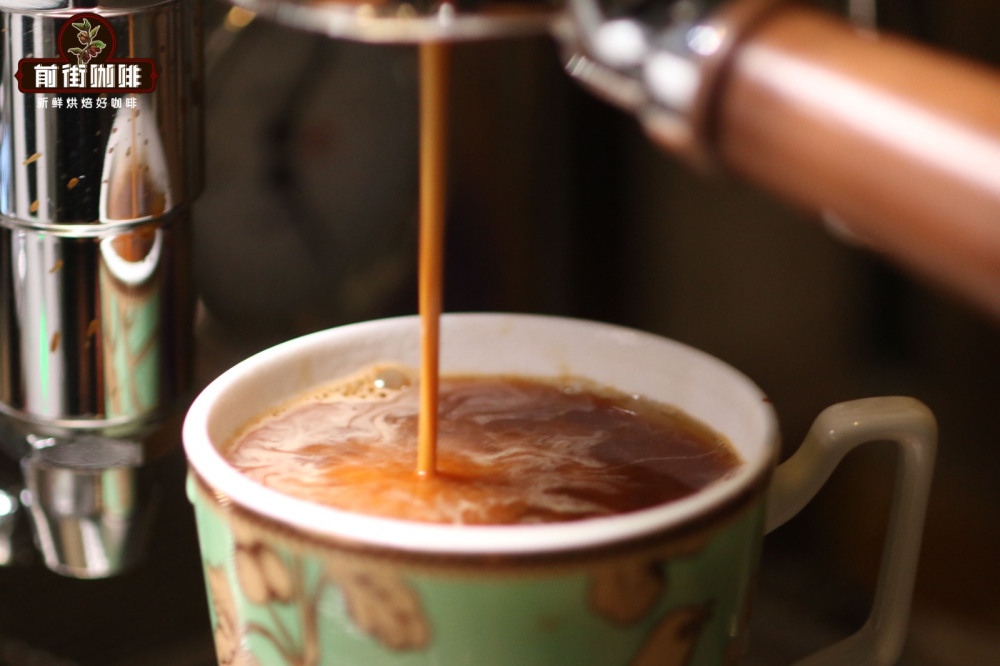
Pressurized The most representative method is espresso, which uses high pressure and high temperature to quickly extract a highly concentrated coffee liquid. It serves as the base for many coffee beverages, such as lattes and cappuccinos, which are derived from it.
Gravity refers to common methods like pour over and drip, utilizing gravity to allow water to naturally seep through the coffee grounds. It is one of the most common brewing techniques in both home and professional café settings.
Immersion such as the French press, involves fully soaking the coffee grounds in water and then filtering them all at once, effectively extracting the coffee’s richness and oiliness.
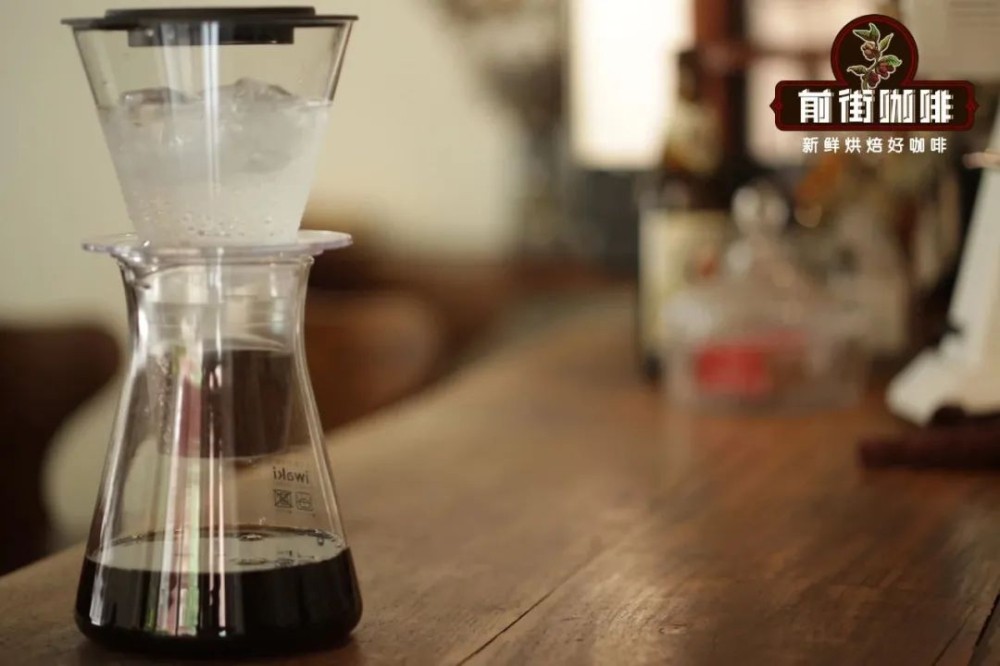
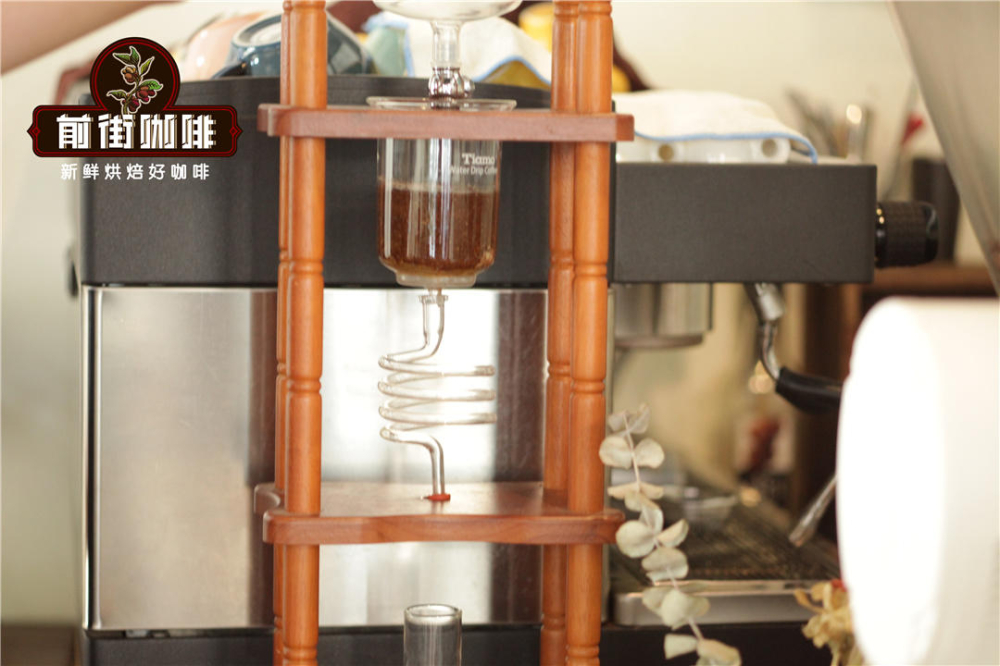
Cold Brew does not use hot water at all, but instead slowly drips ice water through the coffee grounds. After a long extraction period, it produces a low-acid, low-bitter, and highly layered cold brew flavor, suitable for those who enjoy a refreshing taste.
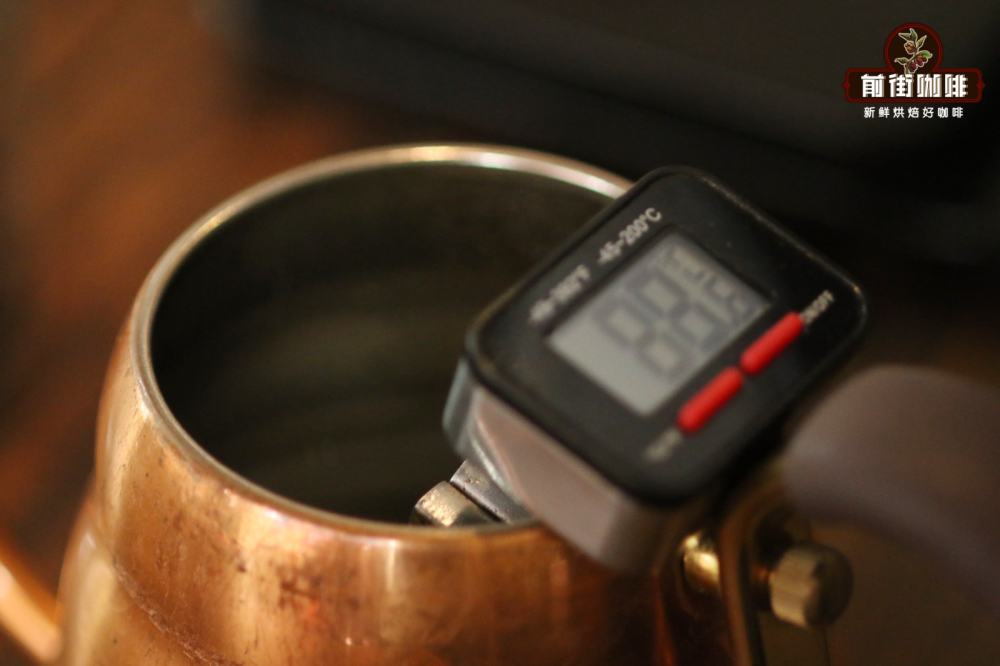
When brewing coffee, water temperature is an extremely critical parameter. Generally speaking, the optimal extraction temperature falls between 88°C and 92°C, but the actual temperature should be fine-tuned according to the roast level, origin, and processing method of the coffee beans. For example, medium to light roasts suit slightly higher temperatures (around 91°C), which can bring out more acidity and aroma; while medium to dark roasts suit slightly lower temperatures (such as 88°C) to avoid over-extraction that leads to bitterness.
In addition, factors during brewing such as pouring speed, technique, and pulse pouring methods can also significantly impact the final flavor. Understanding these basic principles means that even when using a regular electric kettle at home, as long as you select the right coffee beans and grind size, you can still brew a decent cup of coffee.
In summary, no matter which extraction method you prefer, fresh coffee beans, appropriate grind size, and correct water temperature control are the three key elements that influence coffee flavor. Through continuous experimentation and adjustment, you will be able to find the cup of coffee that best suits your palate.
The above content is compiled by CoffeeHunters, a coffee news website.


