







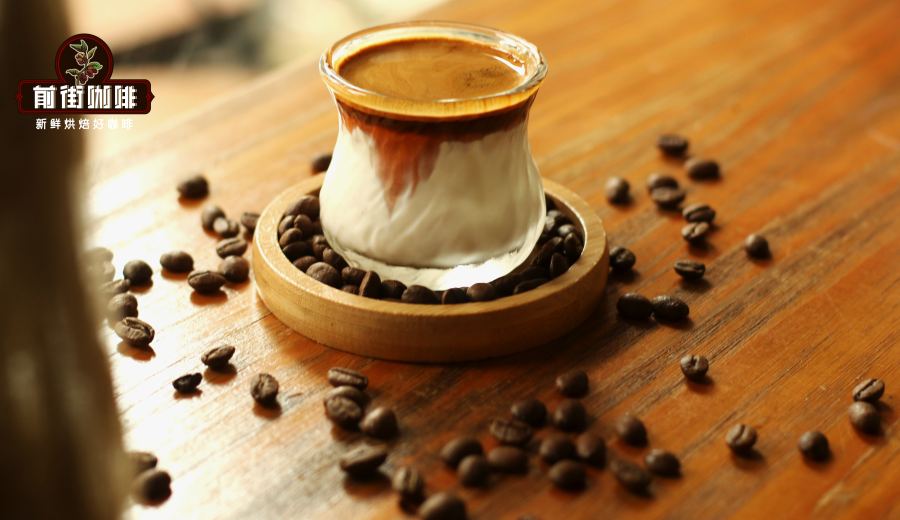
Introduction:Dirty coffee has become a favorite among many coffee enthusiasts in recent years due to its unique visual layering and rich flavor. Compared to traditional iced lattes, Dirty coffee emphasizes preserving the original crema of the espresso and the experience of contrasting temperatures without stirring. This article will provide a detailed breakdown of the golden ratio for Dirty coffee, suitable types of coffee beans, key points in choosing milk, and practical tips to help you easily create a layered and flavorful Dirty coffee—whether at home or in a café.
In recent years, Dirty coffee has rapidly gained popularity, sparking a new trend in strong-flavored coffee and particularly attracting those who previously preferred iced lattes. Unlike iced lattes, which are often stirred for a smooth taste, Dirty coffee preserves the crema of the espresso and the clear visual layering. With one sip, you transition from intense coffee to creamy milk, enjoying a double treat for both the eyes and the palate.
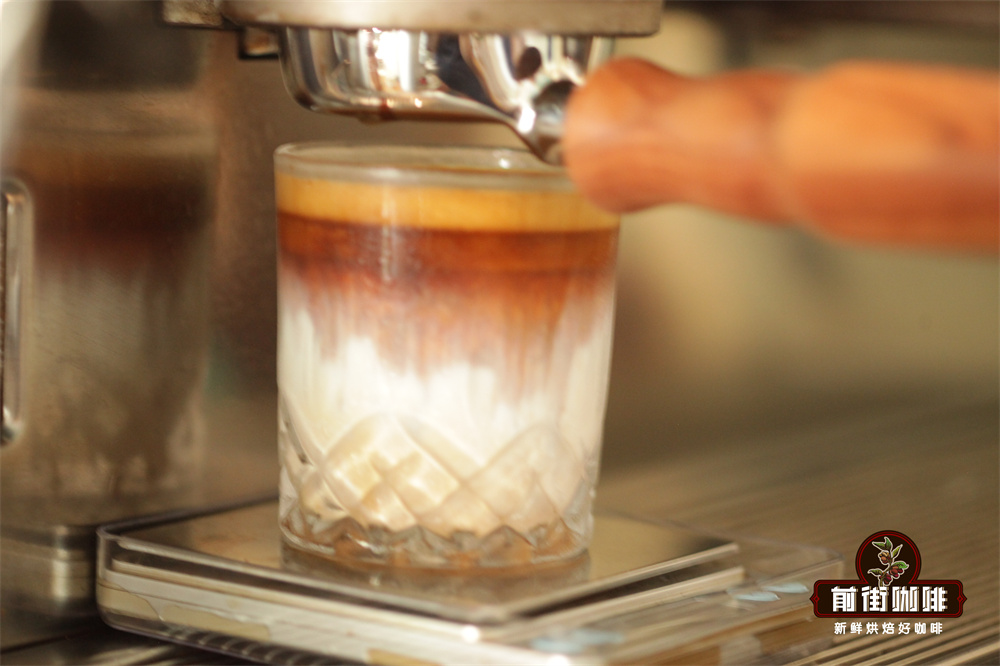
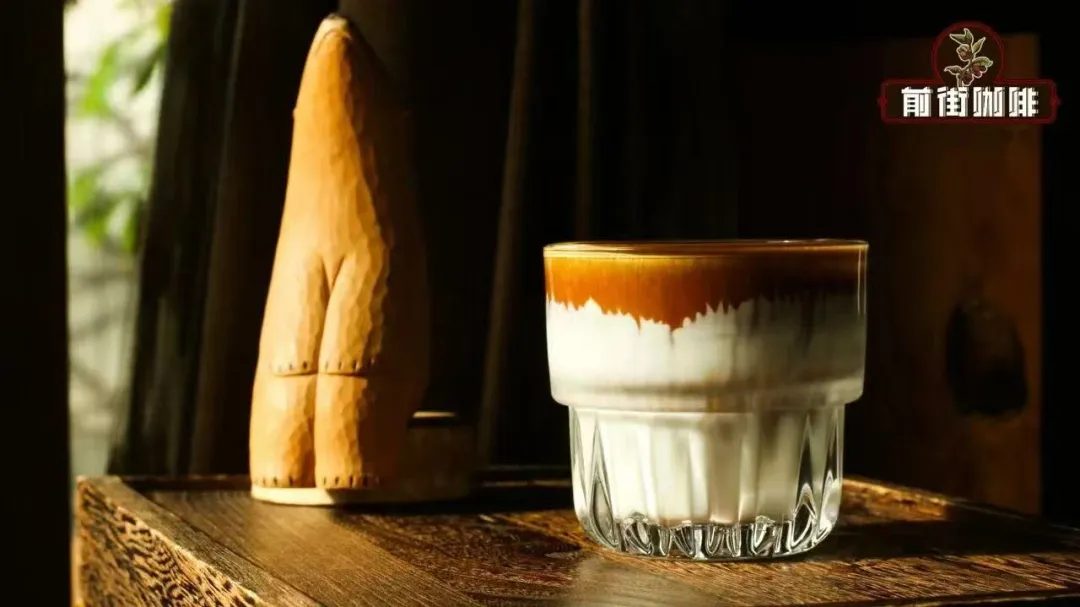
So, what exactly is Dirty coffee? This beverage was created to cater to consumers who want to experience the bold flavors of espresso without giving up the refreshing cold sensation. Unlike an iced latte, where espresso and milk are mixed together with ice, Dirty coffee emphasizes no stirring and no dilution—allowing the espresso and iced milk to stack directly on top of each other, creating a gradient effect that transitions from intense to smooth. The result is a more layered and dynamic drinking experience.
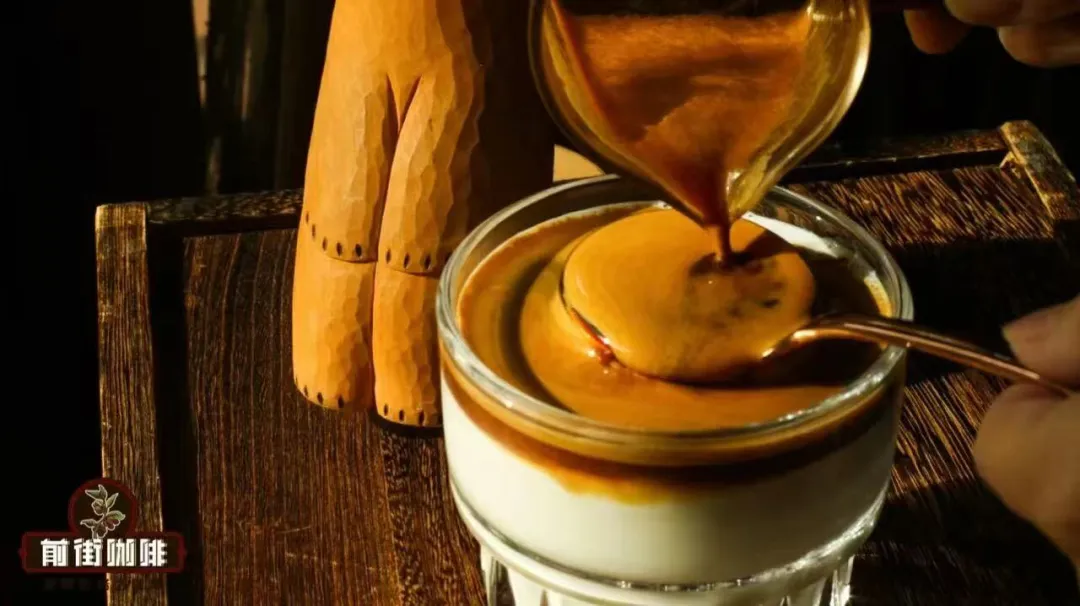
The key to Dirty coffee lies in preserving the crema of the espresso and creating a visually layered effect. Since no ice is added to cool it down, the preparation involves pouring iced milk into a pre-chilled cup, followed by slowly pouring the freshly extracted espresso over the milk so that the two naturally separate due to density differences. This unstirred method allows the first sip to deliver the intense aroma and rich flavor of the espresso, gradually transitioning into the smooth sweetness of the milk.
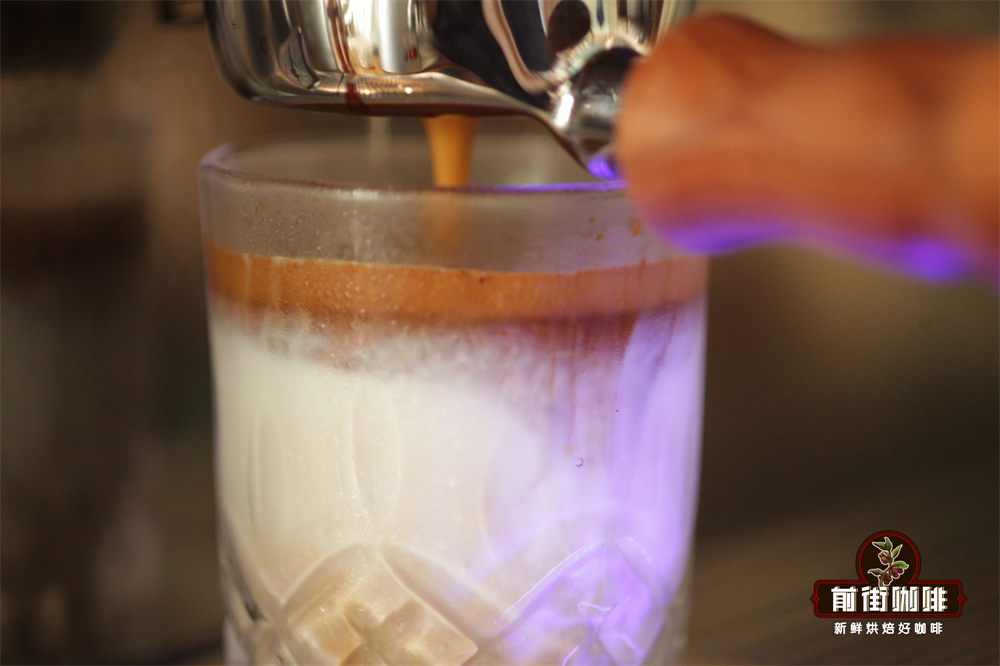
The basic ingredients needed to make Dirty coffee are actually very simple—just espresso and milk. But to achieve the ideal layered effect and taste, some key techniques still need to be mastered. The foremost rule is to avoid adding ice, as it can dilute the overall concentration and flavor of the espresso, as well as affect the stability of the crema. Additionally, it’s recommended to use milk with high fat and protein content, and to ensure both the milk and the cup are kept at a low temperature. This helps the espresso crema float to the surface, forming an attractive gradient visual.
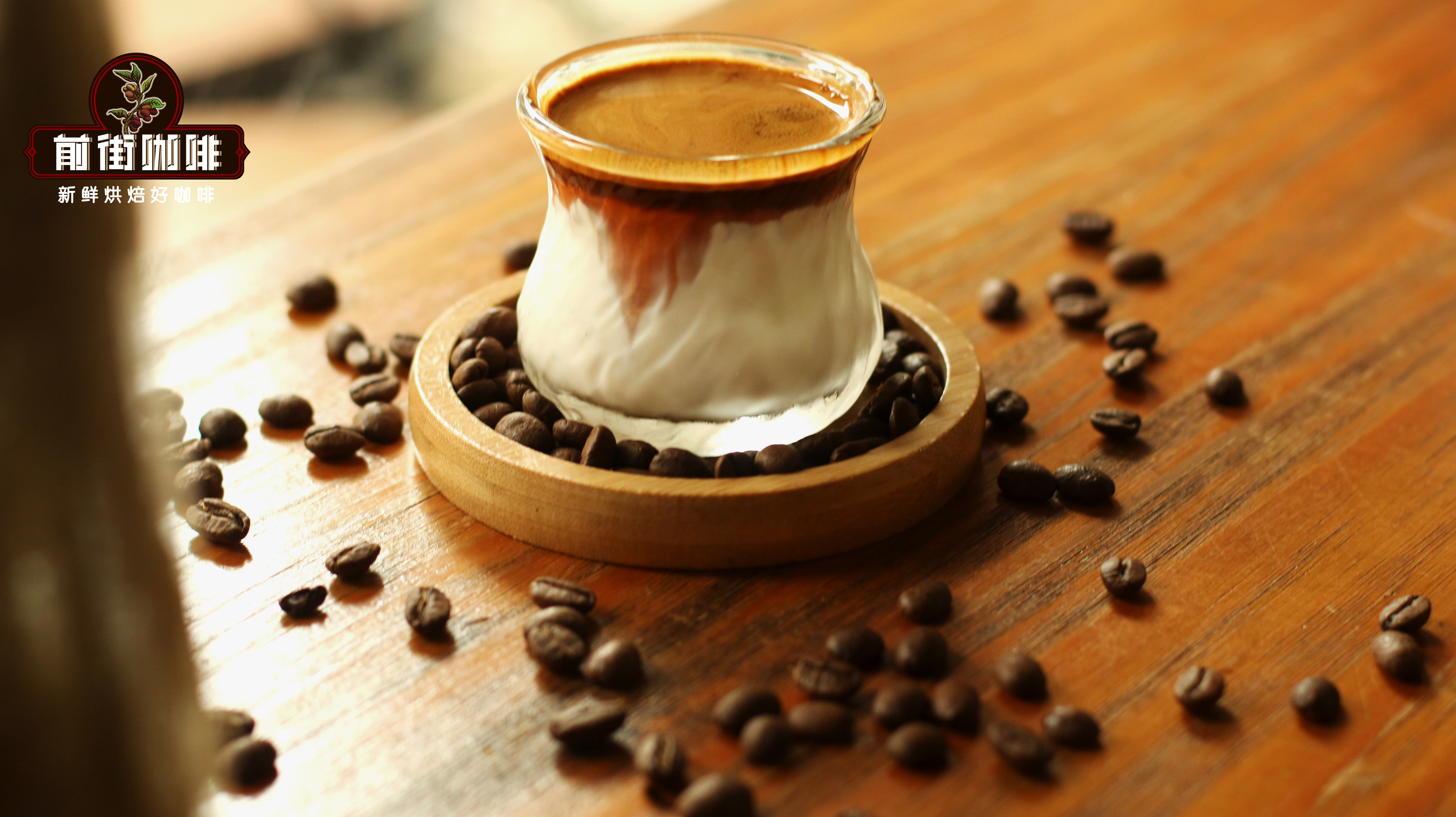
The standard serving size for Dirty coffee is usually kept between 180-220 milliliters, much smaller than the typical 300-milliliter iced latte. This design helps maintain a strong flavor and prevents too much milk from diluting the coffee taste. In practice, you can start by preparing a chilled cup and pouring about 150 milliliters of iced fresh milk into it, then extracting around 36 grams of espresso using 20 grams of coffee grounds. Place the cup under a bottomless portafilter and let the coffee slowly pour onto the surface of the milk, paying attention to the height of the pour to avoid disrupting the layers by directly hitting the milk.
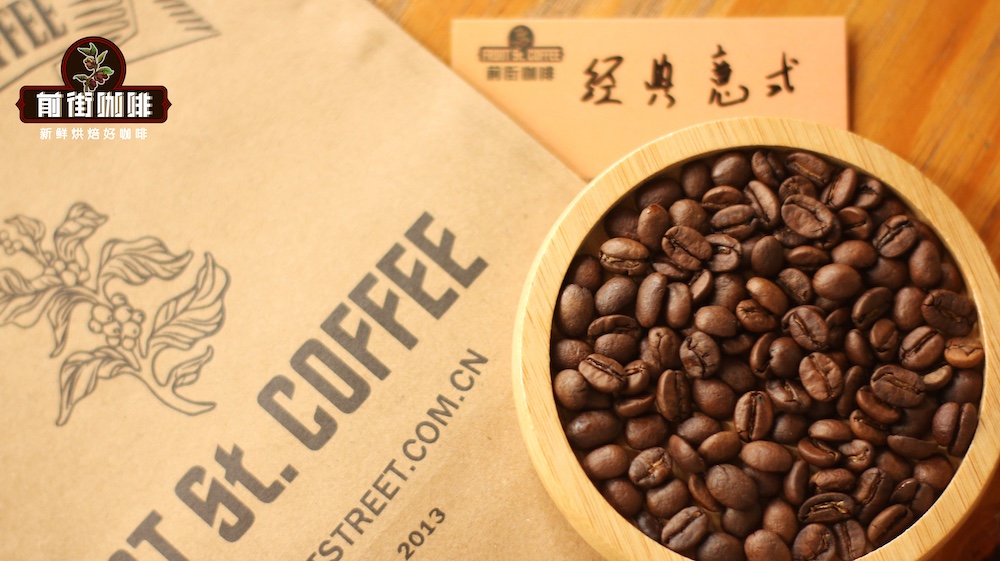
To make an impressive Dirty coffee, the choice of espresso beans is crucial. Since the espresso is the first thing you taste, it’s recommended to use a balanced, crema-rich blend or single-origin bean. Avoid beans that are overly acidic or have strong smoky or herbal notes—especially light roast beans, as their flavor profile doesn’t align well with the bold character that Dirty coffee aims to achieve.
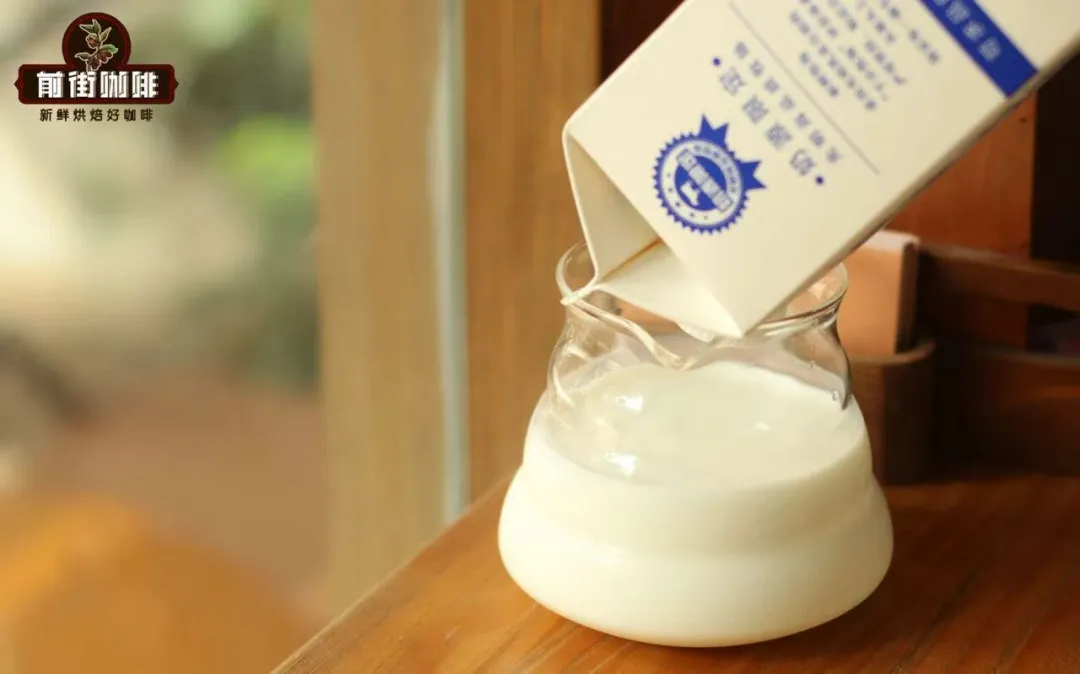
The choice of milk is also a key factor in the success of your Dirty coffee. It’s recommended to use chilled fresh milk with high fat, high protein, and high lactose content—or even refined milk such as ice flat white. These types of milk better support the espresso crema and help form a clear layered effect. Moreover, the coldness of the milk affects the final taste and visual presentation, so maintaining a low temperature throughout the process is an essential detail.
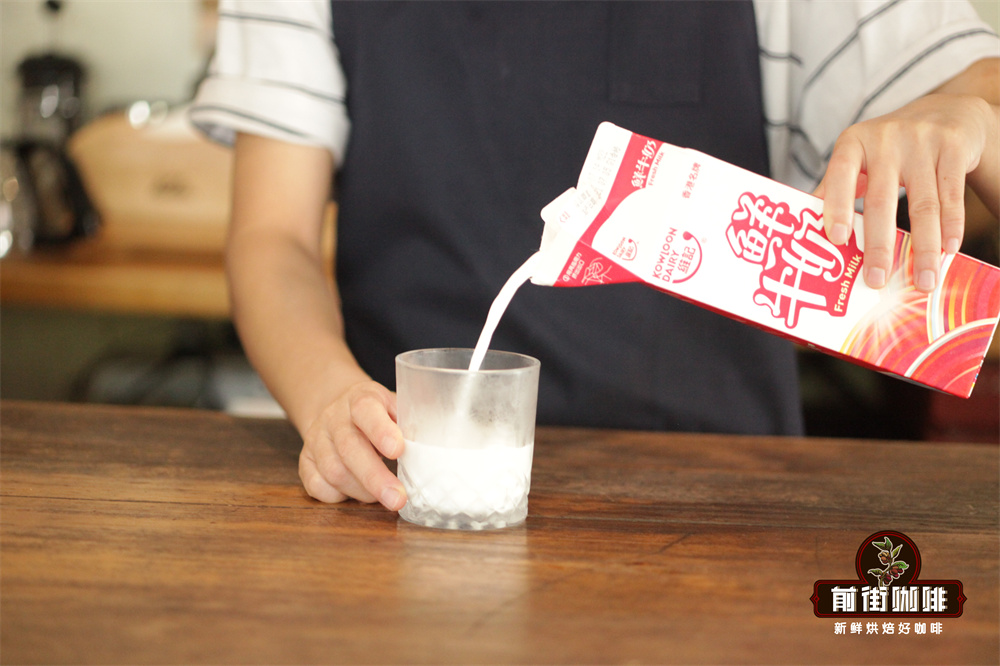
Finally, beyond the ingredients and ratios, the details during the preparation process can greatly influence the presentation of your Dirty coffee. The cup must be pre-chilled and made of material that can withstand low temperatures to prevent cracking due to sudden temperature changes. Additionally, when pouring the espresso, control the flow rate and height so that the coffee gently lands on the milk’s surface. This is how you achieve the signature “dirty” look and the distinct, well-layered visual appeal of Dirty coffee.
The above content is compiled by CoffeeHunters, a coffee news website.


