








Introduction:With its striking visual contrast between hot and cold elements and unique layered flavors, Dirty Coffee has become a challenge many coffee enthusiasts are eager to master in recent years. This article delves into the fundamental differences between it and the common iced latte, breaking down key techniques—from bean roast level and equipment selection to execution details—for achieving a distinct layered effect. It also offers practical solutions to common issues, helping you recreate a café-quality visual and flavor experience at home.
Dirty Coffee stands out with its distinctive presentation—the gradient effect formed when hot espresso meets cold fresh milk—making it a favorite among coffee aficionados. However, in many DIY attempts, the coffee and milk often mix too quickly, failing to achieve the desired layered aesthetic. What’s the charm of this unique drink? How does it fundamentally differ from a regular iced latte? The following will explore its crafting essence across multiple dimensions.
[Key Difference: The Fundamental Distinction Between Dirty and Iced Latte]
Dirty can essentially be seen as an iced latte presented in a unique way, but it emphasizes the process of "immediate extraction and direct pouring." Leveraging the temperature difference between hot espresso and cold fresh milk, it creates an instant layered visual effect. In contrast, iced lattes are usually pre-mixed or poured slowly, resulting in less distinct layers. Additionally, Dirty highlights the more original characteristics of the espresso, as it isn’t stirred further—when sipped, you can distinctly feel the dual temperature experience of hot coffee and cold milk.

[Key Element 1: Choosing the Roast Level of Coffee Beans]
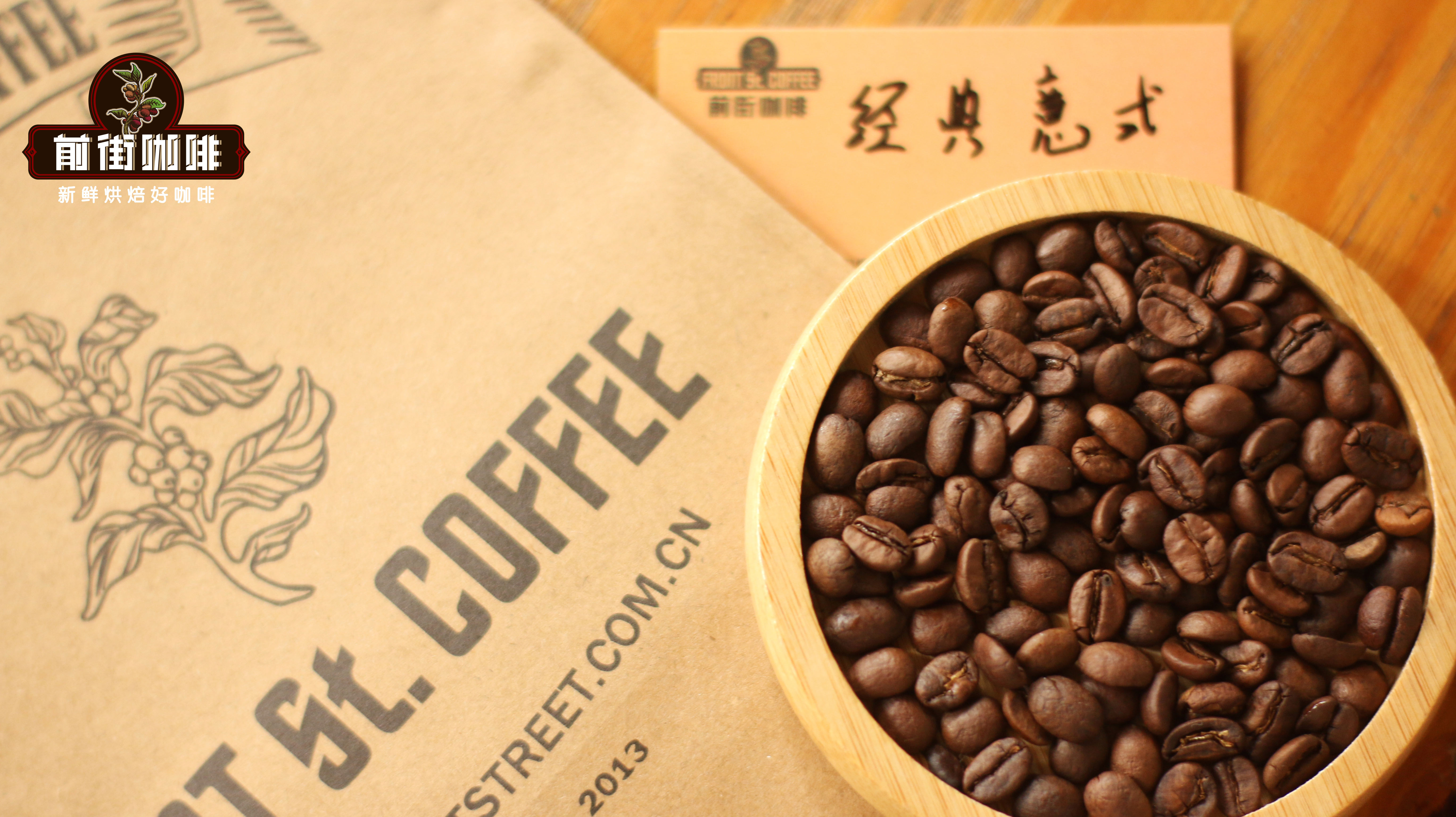
The visual and flavor profile of Dirty heavily relies on the crema performance of the espresso. If beans with too light a roast are used, not only is the crema yield insufficient, but the overall color also appears dull. It’s recommended to choose medium-dark to dark roasted blends, such as those combining Brazilian semi-washed, Indonesian Mandheling, and Vietnamese washed beans. These bean types produce rich golden crema while providing a bold, roasted base flavor. The richness of the crema directly affects the longevity and visual thickness of the layers.

[Key Element 2: Cup Shape and Pre-Chilling]
The choice of cup is crucial for layering effects. A tall, narrow-mouthed cup extends the time it takes for the coffee to seep down, helping maintain a clear boundary. Avoid wide, shallow cups where the coffee can quickly spread and mix with the milk. Additionally, pre-chilling the cup can further slow the penetration of hot coffee while helping preserve the overall freshness of the drink’s flavor. In practice, it’s recommended to place the cup in the freezer for about 10–15 minutes beforehand for optimal results.
[Key Element 3: Adjusting Extraction Height and Technique]
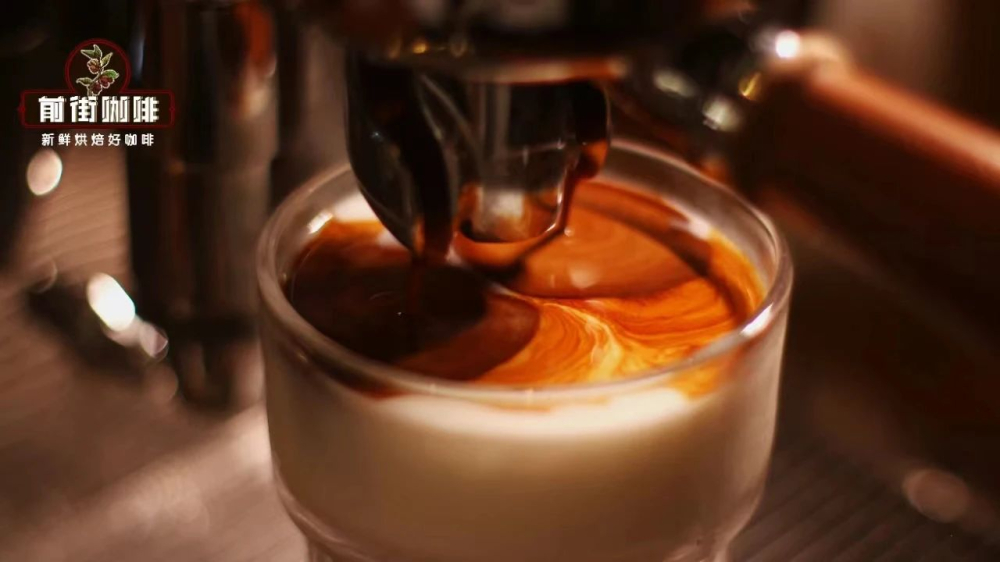
When extracting espresso, minimize the distance between the portafilter and the cup rim. A higher distance causes the coffee to fall in a jet-like stream, and the strong impact can easily pierce through the milk surface, disrupting the layered structure. Ideally, pour the coffee directly onto the milk surface, or use a spoon to buffer the flow—place the concave side of the spoon gently on the milk surface and slowly pour the coffee to ensure it floats atop the milk. If equipment is limited, first catch the espresso in a small container, then transfer it.


[Key Element 4: Quality Requirements for Espresso]
Dirty has clear demands for the concentration and crema content of the espresso. While household devices like a Moka pot can brew coffee, their output often falls short in both concentration and the fineness of crema. It’s recommended to use a professional espresso machine to ensure a thick, glossy, and well-balanced shot. This not only helps stabilize the layers but also prolongs the time before the coffee and milk blend, offering a better window for visual presentation.

[Key Element 5: Milk Texture and Selection Recommendations]
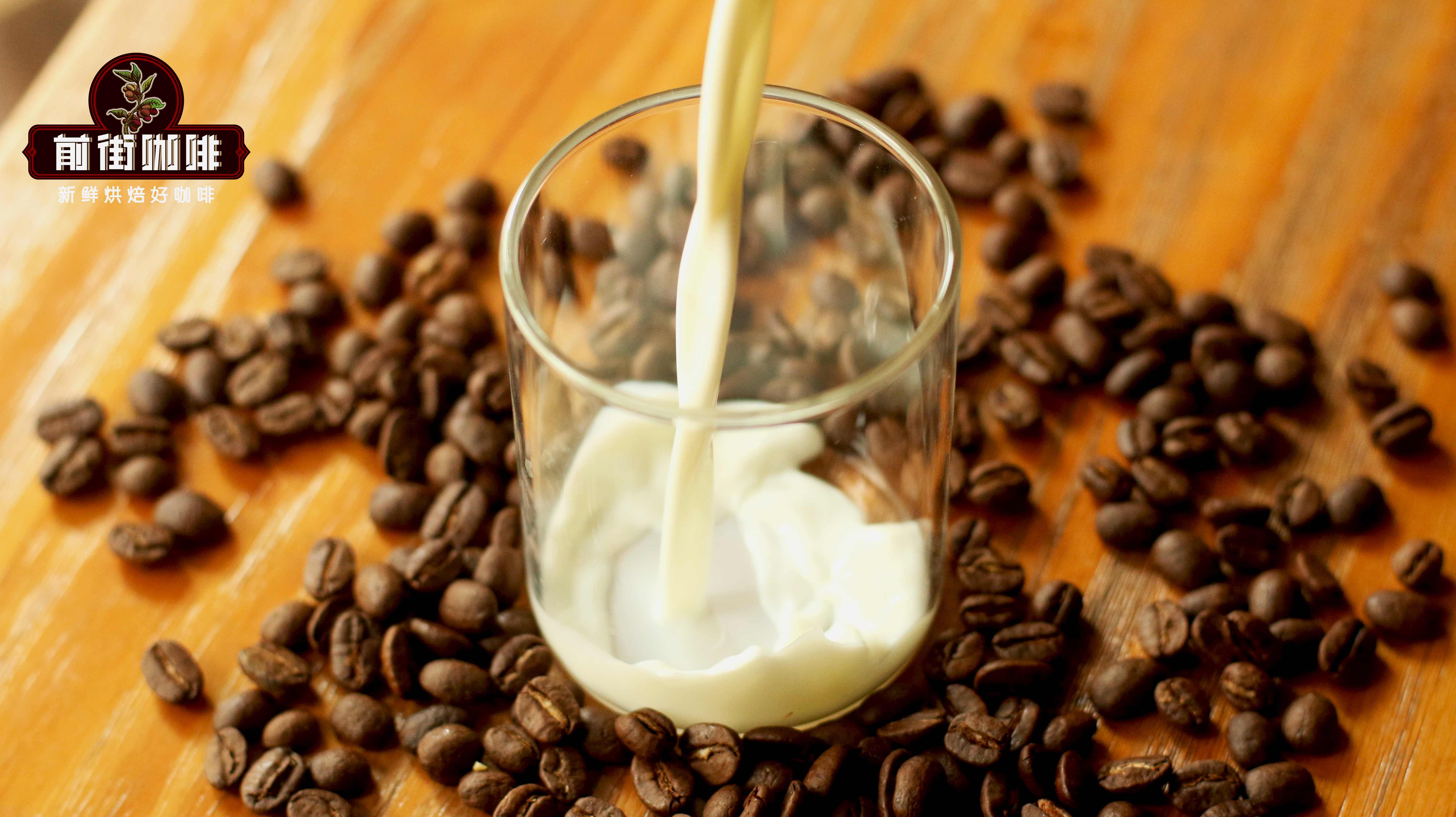
The choice of milk also impacts the final outcome. Overly thin milk cannot effectively support the coffee, leading to rapid mixing. It’s recommended to use fresh milk with a rich aroma and thicker texture, such as popular brands like Vitasoy, Wei Chuan, or Bright’s Fresh Ranch series. Advanced users can try making condensed milk (like the ice-brewed milk commonly used in cafés), whose higher concentration creates more stable layering and delivers a unique salty-cheese finish. For balance, you can also mix ice-brewed milk with fresh milk to adjust the concentration and mouthfeel.

Once you’ve mastered the above points, making Dirty Coffee won’t be difficult. From bean selection and equipment preparation to detailed control of the process, every step influences the final visual and flavor outcome. With practice and fine-tuning, you too can recreate this stunning coffee art at home.
The above content is compiled by CoffeeHunters, a coffee news website.


