







Introduction:Want to understand why Sumatra Mandheling coffee has such a unique flavor and is beloved by specialty coffee enthusiasts worldwide? This article delves into the origin legends of Mandheling, the distribution of Indonesia’s coffee-growing regions, the characteristics of the wet-hulling process, and provides an in-depth look at the grading standards of Golden Mandheling along with brewing recommendations. Discover everything from history and flavor profiles to extraction methods in one go.
If you’re familiar with the bright fruit acidity and citrus notes commonly found in Central and South American coffees, then Indonesian coffee from Asia — especially Sumatra Mandheling — will offer you a completely different taste experience. Compared to more pronounced acidity, Indonesian coffee emphasizes deeper, richer aroma layers, often featuring herbal, spicy, earthy, and woody tones. These characteristics make Mandheling a top choice for many dedicated coffee lovers just starting out.
The Historical Origins of Mandhelingare inseparable from Indonesia’s geographic background as the "Country of a Thousand Islands." Since the introduction of coffee cultivation in 1696, Indonesian coffee has long been primarily produced by smallholder farmers, relying on organic farming and manual harvesting to ensure stable and distinctive coffee quality. Although only about 10% of the coffee grown is Arabica, varieties including Mandheling and Golden Mandheling have secured their place in the international specialty coffee market due to their profound flavors. The high-altitude regions of northern Sumatra and Sulawesi are the birthplaces of these iconic flavor profiles.
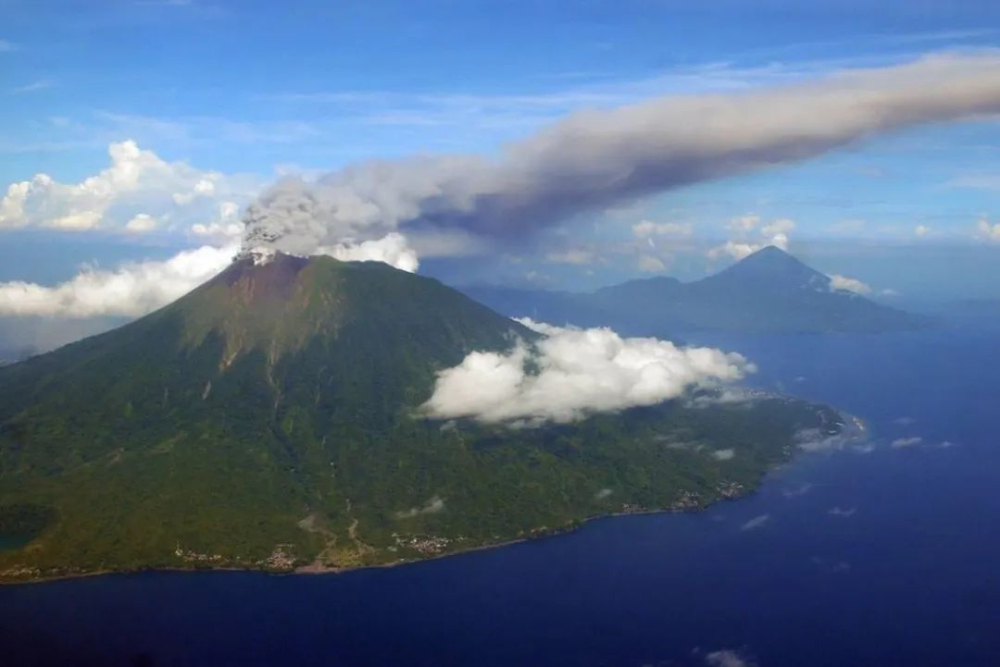
When it comes to Mandheling, one cannot overlook Sumatra. This volcanic island located on the equator is one of Indonesia’s main coffee-producing regions, particularly the Lintong and Aceh regions in North Sumatra Province. These areas are surrounded by volcanic lakes such as Lake Toba and Lake Tawar, and the fertile volcanic soil provides an ideal growing environment for coffee trees. The coffee produced here typically exudes rich aromas of chocolate, cream, and earth — characteristics that were discovered by Japanese soldiers during World War II and indirectly contributed to the spread of the name "Mandheling."
As for the origin of the name "Mandheling," there is an interesting anecdote. It is said that during World War II, a Japanese soldier drank an amazing cup of coffee at a café in Indonesia. When he asked the shop owner about it, he mistakenly took the owner’s reply of "Mandailing" (referring to the local people) as the name of the coffee. After the war, the soldier returned home and ordered 15 tons of the same coffee, which received great acclaim, and thus the name "Mandheling" became widely known.
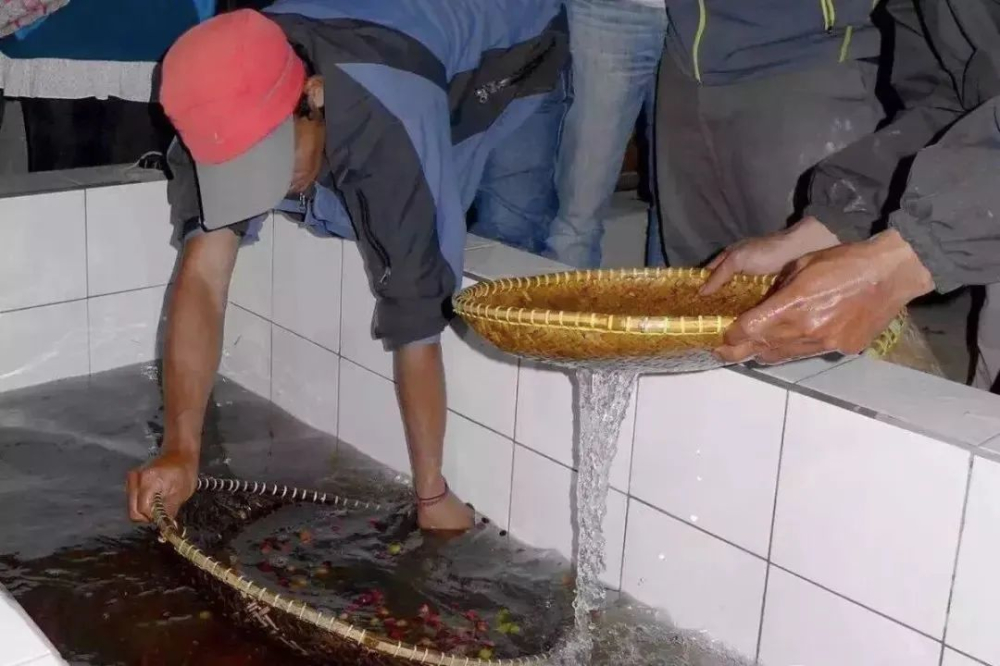
The unique geographical and climatic conditions of Sumatra have given rise to its distinctive coffee processing method — wet-hulling (Giling Basah). This region’s high temperatures and humidity make traditional washed or long sun-drying methods less feasible. As a result, farmers remove the parchment layer before it is fully dry after fermentation, allowing the beans to continue drying in a “naked” state. While this technique significantly shortens the processing time, it also imparts unique woody, spicy, and earthy flavor characteristics to Mandheling coffee — deep and low-toned.
Mandheling processed using the wet-hulling method often exhibits rich flavors of chocolate, brown sugar, and nuts after roasting, with subtle herbal aromas lingering in the aftertaste. This special processing method is also one of the key factors that distinguish Indonesian coffee from other origins.
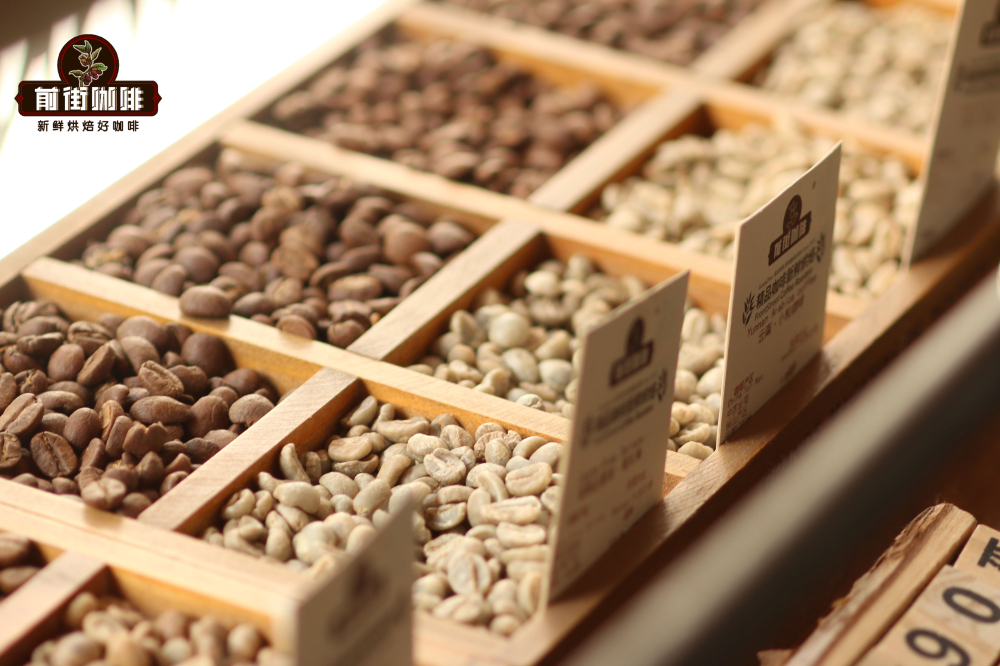
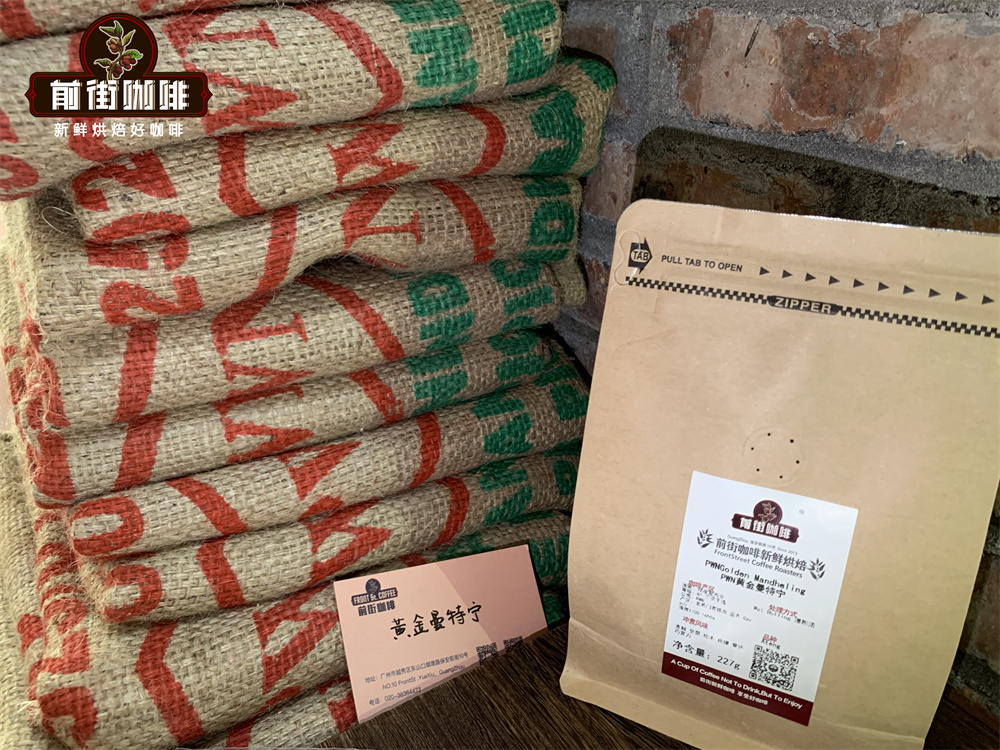
Indonesian green coffee beans are strictly graded based on defect rates and bean size, primarily divided into six grades from G1 to G6, with G1 being the highest. The grading criteria are mainly based on the number of defective beans in a 300-gram sample, while also requiring the absence of insect damage, mold, a moisture content below 12.5%, and an impurity rate not exceeding 0.5%. The premium PWN company goes a step further by manually selecting G1 Mandheling three times and using mechanical density and color sorting to produce the highly acclaimed "Golden Mandheling." Its beans are uniform and translucent, with an extremely low defect rate.
Golden Mandheling often demonstrates exceptional cleanliness in cupping, with clear and layered aromas, prominent sweetness, and a full-bodied, solid mouthfeel — particularly appealing to those who enjoy dark roast profiles. Its classic flavor profile includes rich cocoa, caramel, and nuts, with subtle herbal notes in the aftertaste, making it one of the representative works that embody the essence of Indonesian coffee.
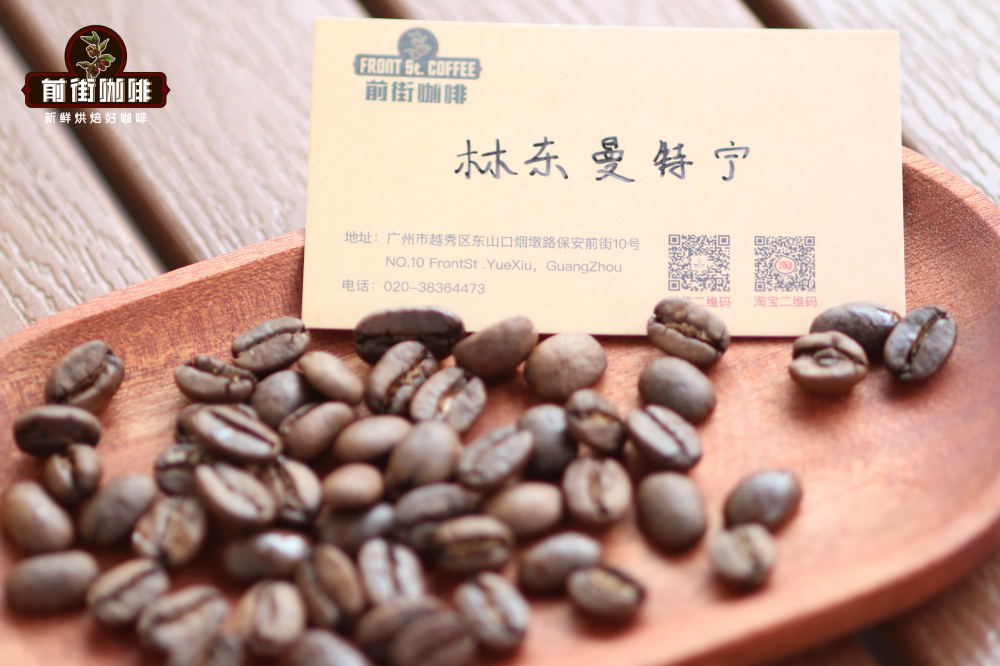
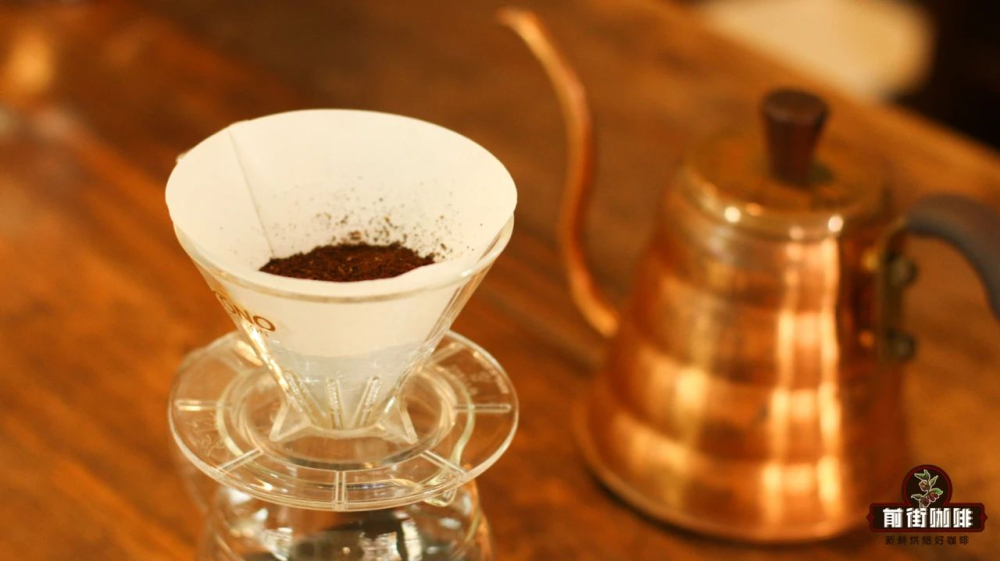
For brewing Golden Mandheling, it is recommended to use a medium-coarse grind (similar to 70% passing through a Chinese standard No. 20 sieve), with a brew ratio of 1:15. Total water volume is 15 x 15 = 225ml, and water temperature should be controlled between 87–88°C. Using a KONO filter cone and a three-stage pouring method can fully highlight its full-bodied mouthfeel and caramel sweetness:
- First stage: bloom with 30ml of water to allow the coffee grounds to fully absorb water and degas;
- Second stage: pour 100ml to bring up a rich foam and lift the coffee bed;
- Final stage: pour 95ml in the center to focus extraction and enhance the sweetness.
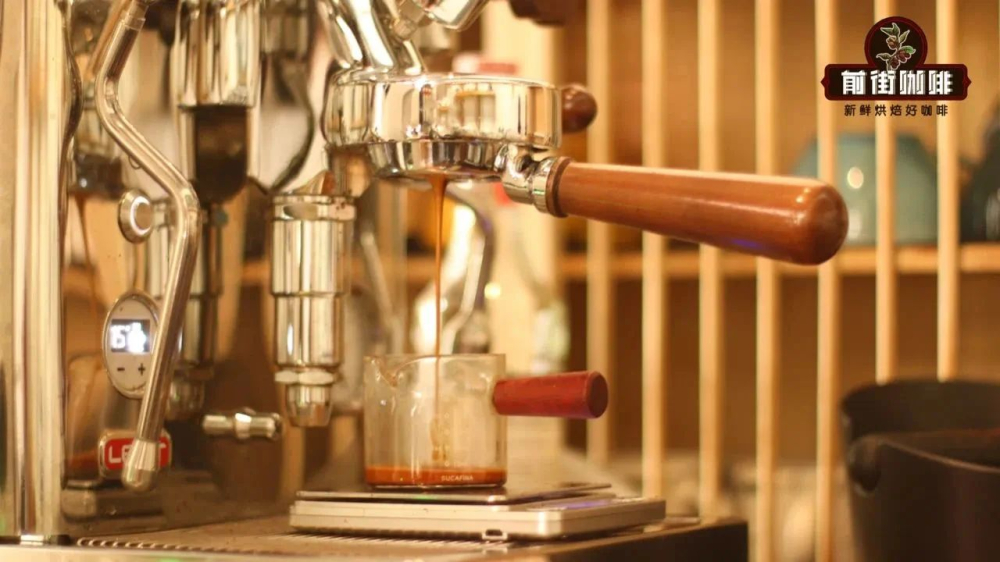
As for whether Mandheling is suitable for espresso — the answer is conditional. As a single-origin coffee, Mandheling has intense and layered flavors, but in the high-pressure, high-temperature environment of espresso extraction, its distinctive spicy and herbal tones may become overly sharp or bitter. For those who prefer espresso, it is recommended to choose blends specifically roasted for espresso or single-origin SOEs to achieve a more balanced extraction.
In summary, Sumatra Mandheling coffee from Indonesia, with its deep cultural background, unique wet-hulling process, and richly enchanting low-key aromas, holds an irreplaceable place in the global coffee market. Whether you’re a beginner just starting your coffee journey or an advanced enthusiast seeking new flavors, understanding the history, origins, and processing techniques of Mandheling will allow you to enjoy a more layered and rewarding tasting experience.
The above content is compiled by CoffeeHunters, a coffee news website.

