







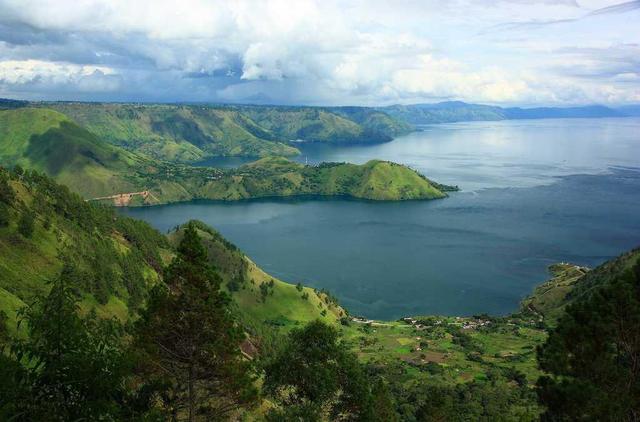
Introduction:Mandheling coffee, as Indonesia’s most iconic specialty coffee, is renowned for its bold, full-bodied flavor and distinctive spicy, herbal aroma. This article delves into the history of Mandheling, its major growing regions such as Lake Toba and Lintong in Sumatra, analyzes commonly grown varieties like Typica and Catimor, and explores how Indonesia’s unique wet-hulling processing method influences its flavor. It also provides expert pour over brewing recommendations and parameter settings to help coffee enthusiasts gain a deeper understanding of this classic Asian coffee.
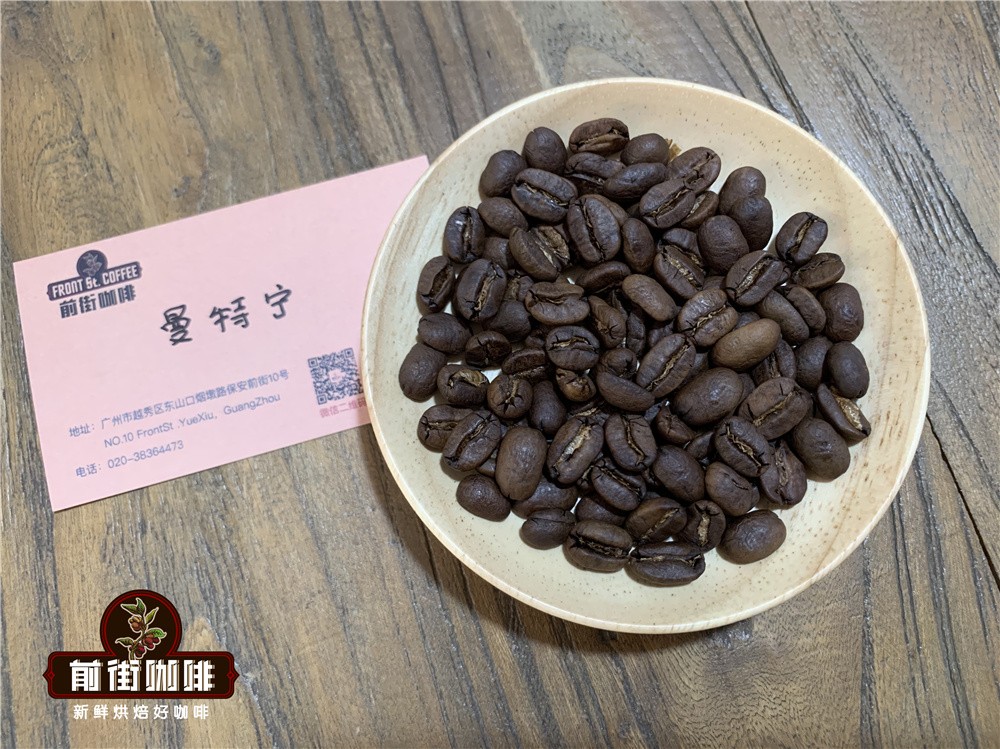
Among the many Indonesian coffee beans, Mandheling is undoubtedly the most representative variety. It is not only a symbol of Indonesia’s specialty coffee but also regarded as one of the representatives of Asian coffee flavors. It often features complex aromas of pine, herbs, nuts, and caramel, with a rich and robust mouthfeel. While it may not appeal to everyone, for those who enjoy bold flavors, it offers an unforgettable experience. This article will comprehensively introduce the origins, regional distribution, variety characteristics, and processing methods of Mandheling, taking you on a deep dive into this uniquely distinctive coffee.
Interestingly, Mandheling is not the name of a region, port, or coffee variety, but rather stems from a misunderstanding. During World War II, a Japanese soldier tasted a richly flavored coffee at a café in Sumatra and asked the shop owner for the name of the coffee. However, he misheard the owner’s response of “Mandheling people (Mandheling)” as “Mandheling.” After the war, he returned to Japan hoping to taste that same flavor again and, through an Indonesian friend, searched for it—but the coffee was always referred to as “Mandheling.” Since then, the name has endured and become synonymous with premium Sumatran coffee.
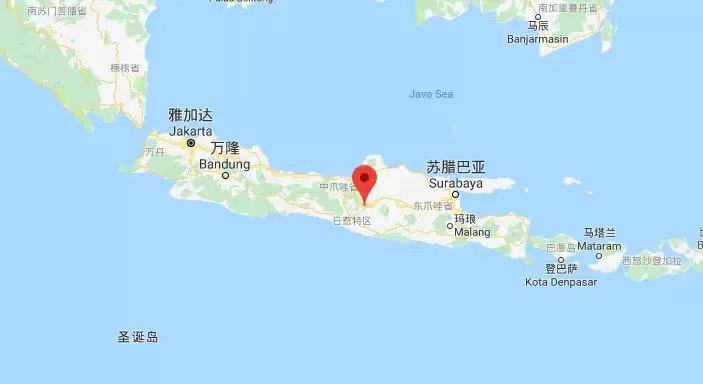
Indonesia’s coffee cultivation history dates back to the 17th century when Dutch colonists first introduced coffee to Java Island in 1696. However, due to local flooding, the attempt was unsuccessful. It wasn’t until 1699 when coffee was reintroduced, and in 1711, the first exports to Europe took place. Subsequently, coffee cultivation gradually expanded to Sumatra and other islands, forming the early foundation of Indonesia’s coffee industry. However, about two hundred years later, Indonesia’s coffee industry was severely impacted by the outbreak of coffee leaf rust, which caused large numbers of coffee trees to wither, devastating both production and quality at the time.
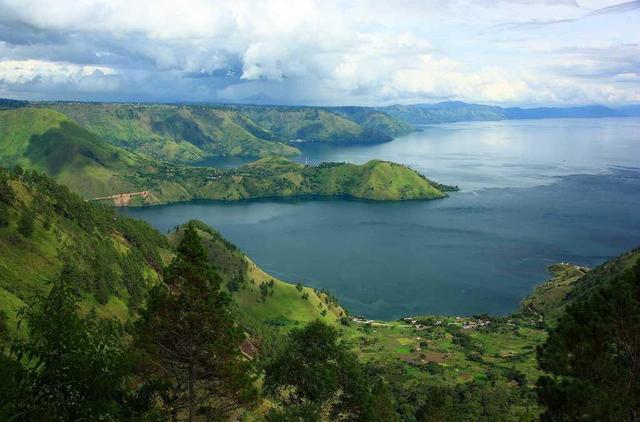
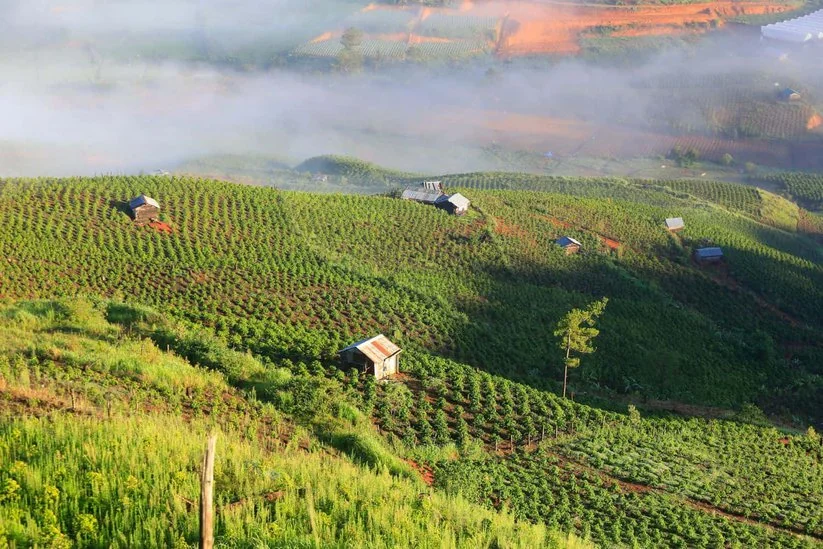
As the main origin of Mandheling, Sumatra benefits from exceptional geographical and climatic conditions. Indonesia consists of more than seventeen thousand islands, most located within the equatorial volcanic belt, featuring fertile soil and abundant rainfall. The northern part of Sumatra, particularly Aceh Province and North Sumatra Province, are two major regions known for high-quality coffee production. Aceh Province is home to Lake Tawar, while North Sumatra is famous for Lake Toba. Both lakes are surrounded by important coffee-growing areas.
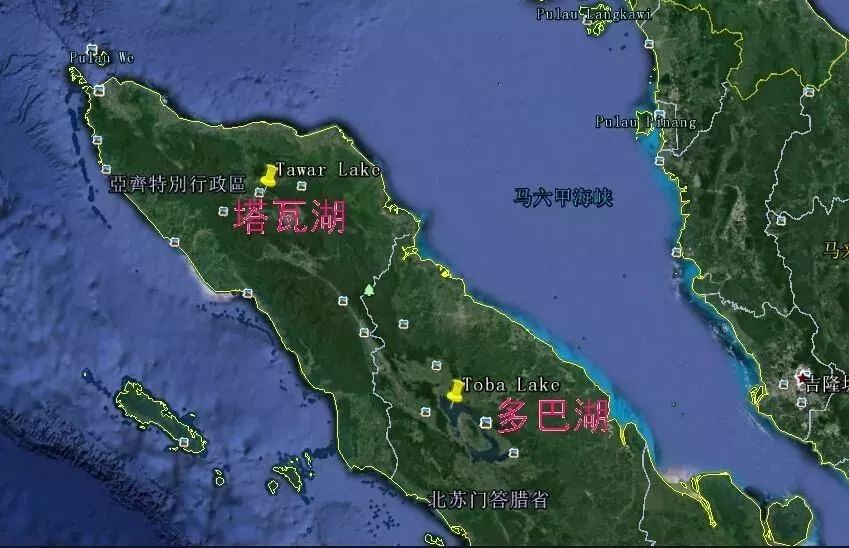
Lake Toba, the world’s largest volcanic lake and Indonesia’s largest freshwater lake, is situated in a tropical rainforest climate zone at an altitude of approximately 1,400 meters, with temperatures consistently around 22°C—ideal conditions for coffee tree growth. The Lintong region on the southern shore of the lake is where the area’s standard-grade Mandheling coffee is produced. Meanwhile, the Gayo Mountain region surrounding Lake Toba in Aceh Province boasts elevations exceeding 1,500 meters, offering even more optimal growing conditions. However, due to past political instability and armed conflict in the Aceh region, it wasn’t until after the 2005 tsunami that the area gradually recovered, allowing its specialty coffee to re-enter the international market spotlight.
Mandheling produced in the Lintong region is typically grown in volcanic soil at altitudes between 1,000 and 1,500 meters. The rainy climate and abundant tropical rainforest environment contribute to a flavor profile that is bold and rich in herbal and spicy notes. However, in recent years, some planting areas have shifted to new varieties to increase yield, resulting in less consistent flavor profiles compared to the past. In contrast, the Lake Tawar region in Aceh continues to cultivate traditional Typica varieties, ensuring more stable and premium coffee quality. This has also attracted investment from major exporters to develop specialty-grade Mandheling.
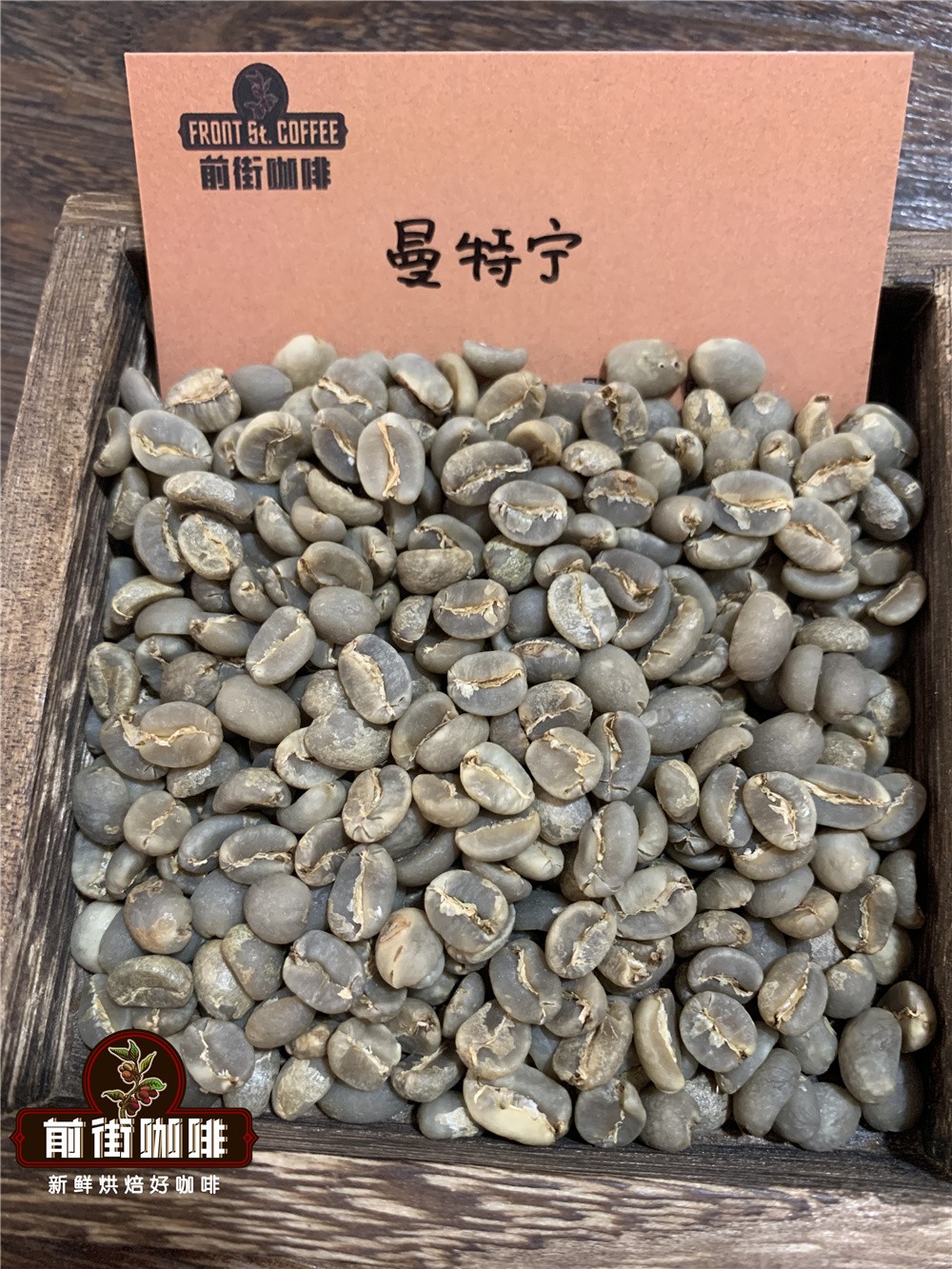
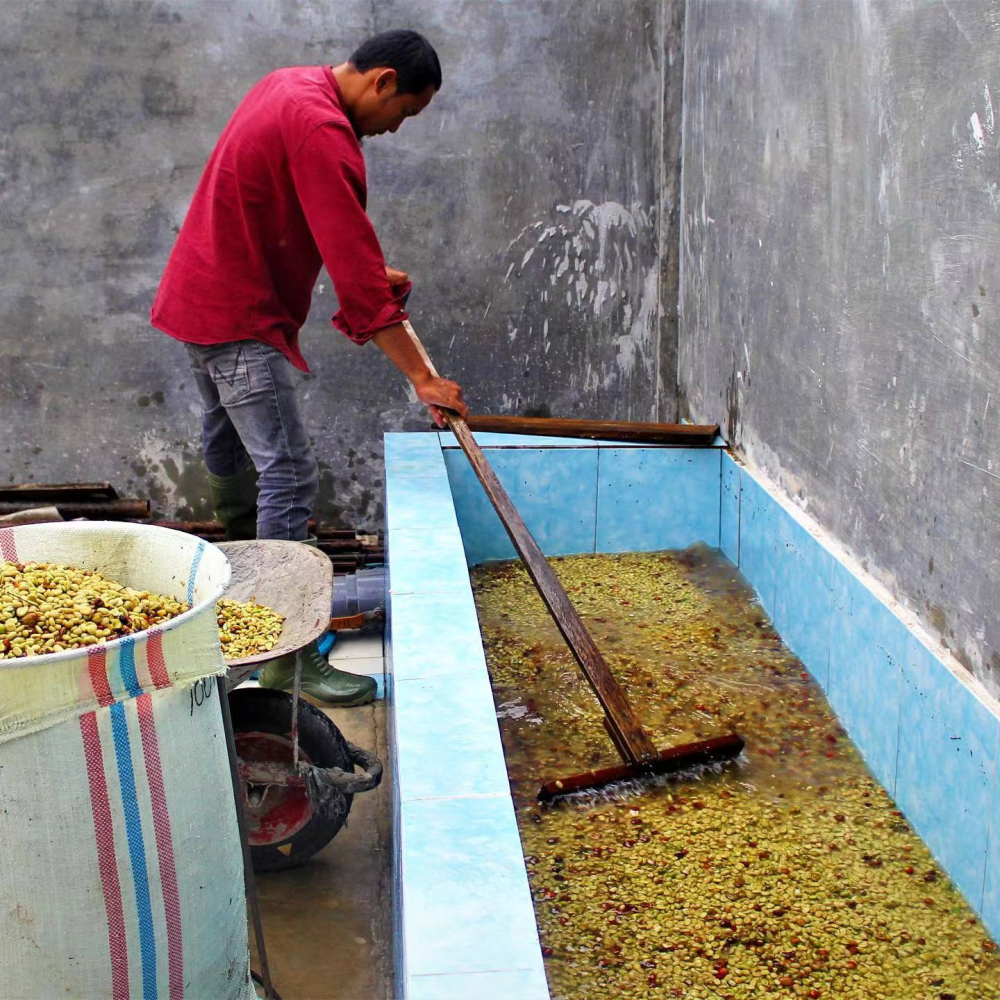
Mandheling is typically processed using Indonesia’s unique wet-hulling method, a distinctive technique developed to suit the region’s hot and humid climate. In this process, the coffee beans first undergo hulling to remove the outer skin, followed by overnight fermentation and washing with water to remove the mucilage—leaving the beans with a rough surface. Then partial drying reduces the moisture content to 30–50%, after which a specialized machine removes the still relatively soft parchment layer. Because the beans are still semi-dry at this stage, removing the parchment can easily cause deformation or the so-called "elephant foot" appearance on the bean surface. This is not a defect but a common phenomenon in wet-hulled coffee. Finally, the beans are dried further until their moisture content reaches 12%, making them ready for storage and export.
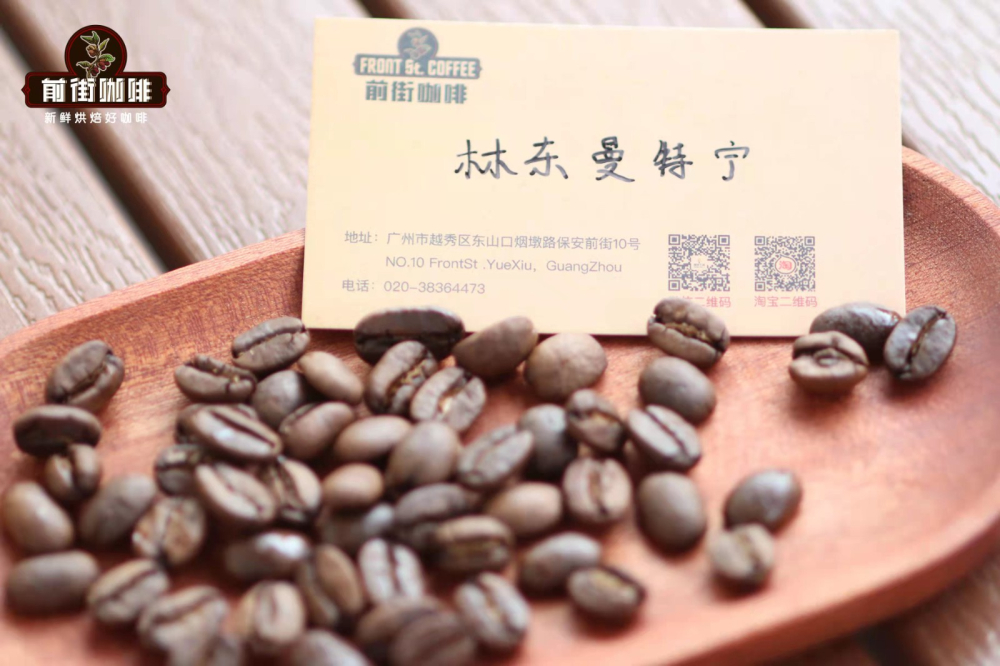
The wet-hulling process results in Mandheling coffee with lower acidity and a prominent body. It also significantly shortens the processing time, making it highly suitable for Indonesia’s humid weather. Compared to the washed method, removing the parchment at the semi-dry stage effectively reduces acidity, enhancing the coffee’s sweetness and body—key reasons why many coffee lovers are drawn to the flavor of Mandheling.
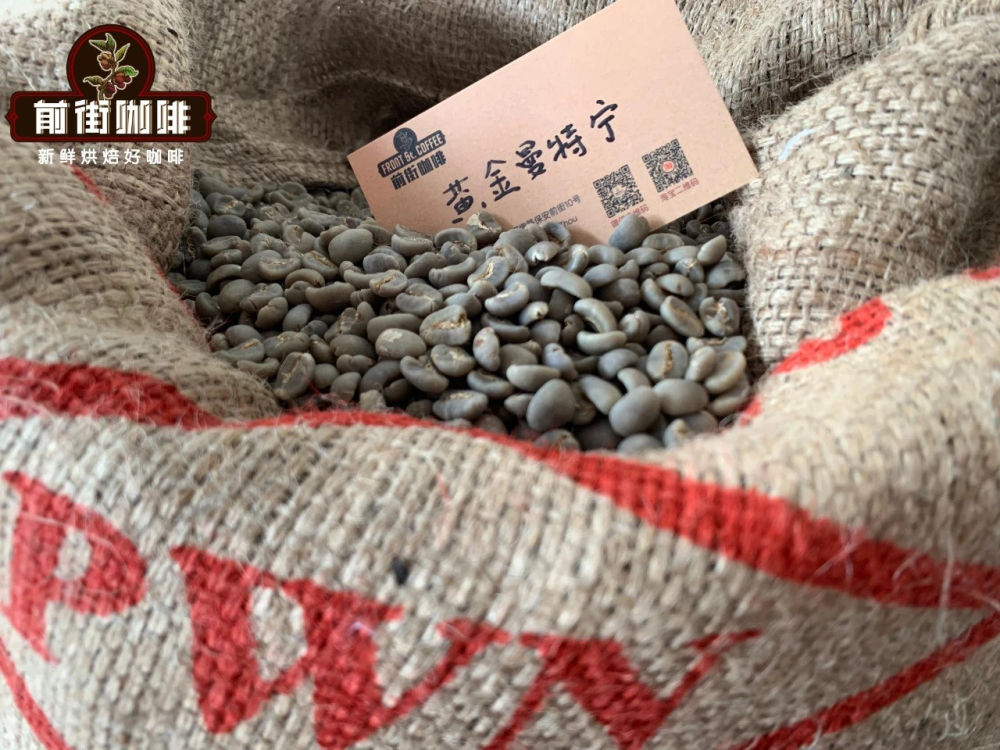
In terms of varieties, Mandheling originally mainly grew Arabica Typica, which features distinct bronze-colored top leaves, oval-shaped beans, and is known for its clean, delicate, and balanced flavor. However, Typica is susceptible to coffee leaf rust and has a relatively low yield, leading to its gradual replacement by the more disease-resistant Catimor variety by the end of the 19th century. Nevertheless, traditional Typica can still be found in regions like Lake Toba and Lintong. Its unique spicy, herbal, and low-acid flavor continues to leave a lasting impression.
In addition to Typica, Indonesia has also introduced various disease-resistant varieties, including Robusta, Tim Tim, and Ateng (a type of Catimor). Among these, Tim Tim is a natural hybrid of Typica and Robusta, offering high yield and disease resistance. Ateng, a cross between a Bourbon variant and Tim Tim, though criticized in some countries for its inferior flavor, thrives exceptionally well in Sumatra’s unique environment, showcasing favorable woody tones and a rich mouthfeel.
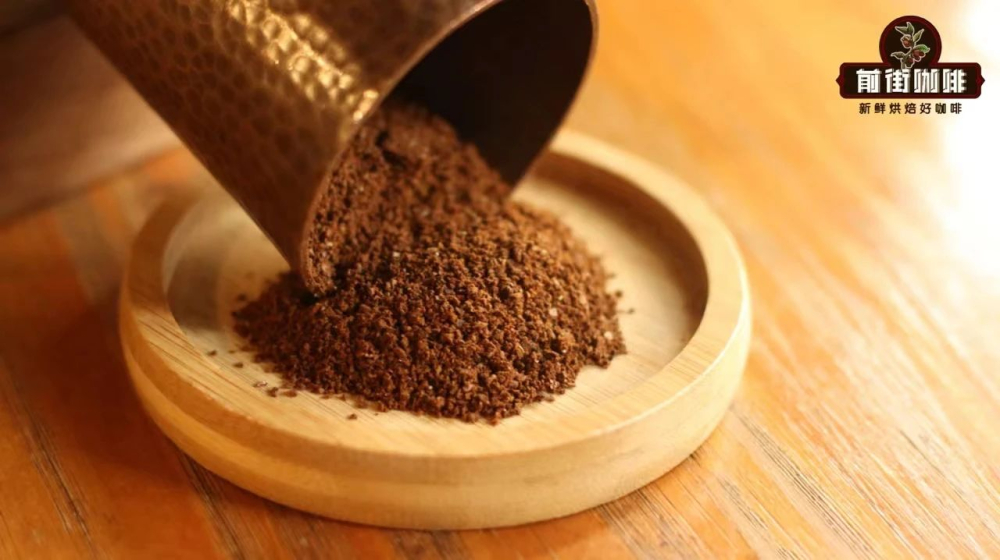
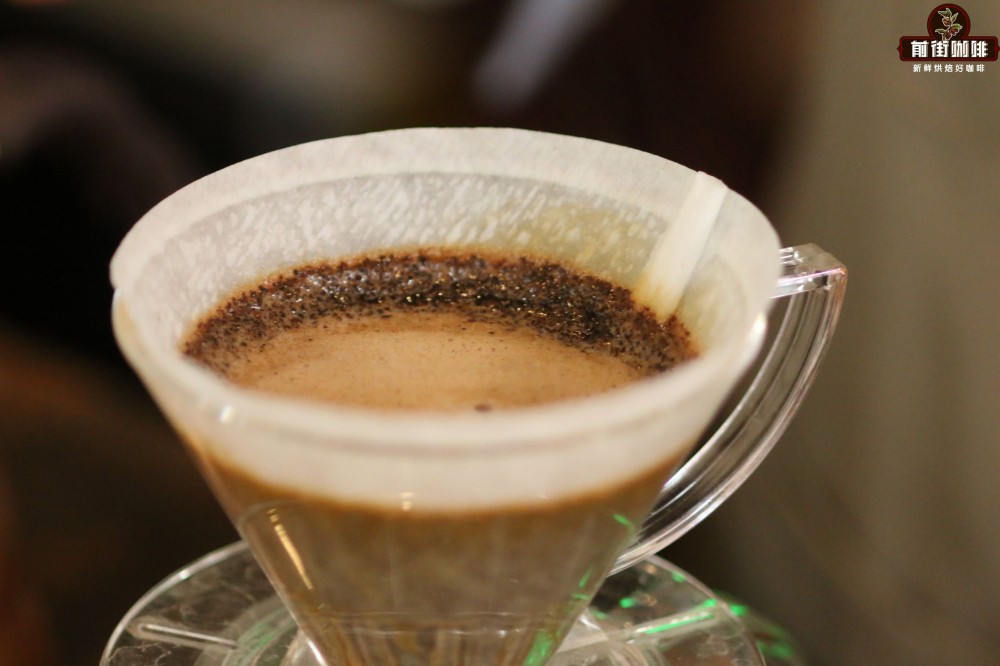
For pour over brewing of Mandheling, since it is commonly dark roasted—with denser beans and high water absorption—it is recommended to use a medium-coarse grind (e.g., 75% passing rate through a Chinese standard No. 20 sieve), with water temperature controlled at around 88°C to avoid over-extraction and excessive bitterness. A KONO filter cone is recommended; its smooth curved rim enhances the seal between the filter paper and coffee grounds, while the guiding ribs at the bottom help stabilize water flow and extend extraction time, thereby improving the coffee’s richness and flavor expression.
Specific pour over brewing parameters are suggested as follows: 15 grams of coffee, a 1:15 coffee-to-water ratio, a 30-second bloom with 30 grams of water, followed by slow circular pouring to reach 125 grams for the first pour. Continue pouring up to 225 grams before stopping, with a total brew time of approximately 2 minutes. This method effectively highlights Mandheling’s low acidity, full body, and rich notes of caramel, spices, and chocolate.
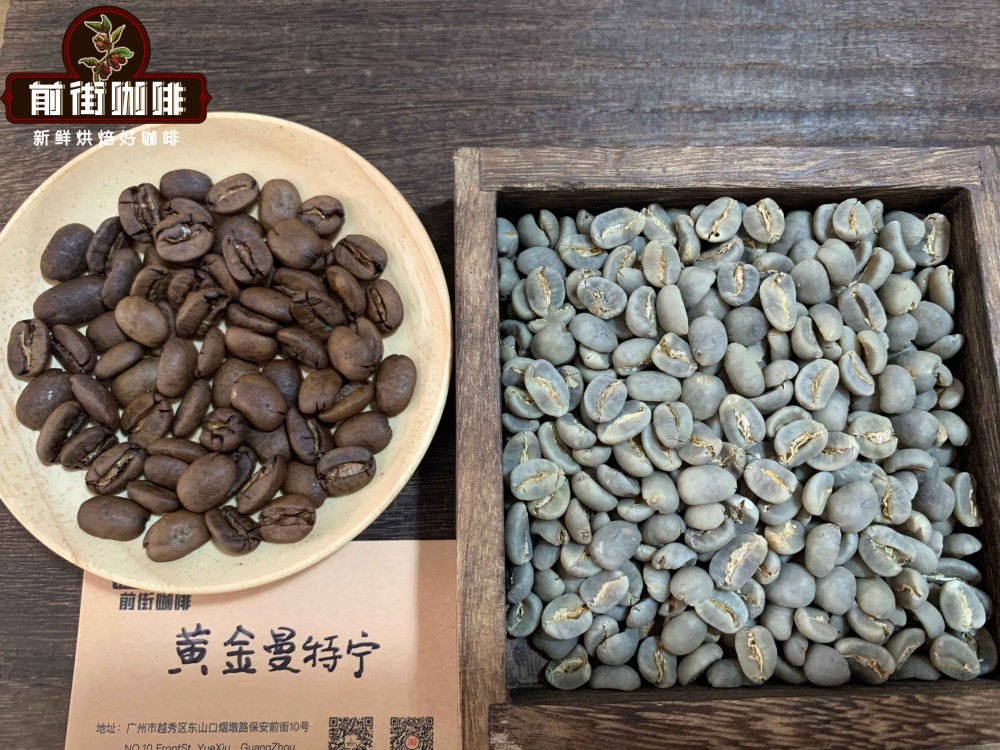
In summary, Mandheling coffee holds a unique place in the global specialty coffee market thanks to its distinctive regional flavors and processing techniques. Whether it’s the herbal-chocolate notes from Lintong or the layered nutty-spice profile of Golden Mandheling, it delivers a profound and memorable tasting experience for coffee lovers. If you’re trying Asian-flavored coffee for the first time or looking to explore the world of bold, rich coffee, Mandheling is definitely worth a try.
The above content is compiled by CoffeeHunters, a coffee news website.

