








Introduction:Did you know that 'Mandheling' is actually a mispronunciation of an ethnic group name? This article delves into the origins of the name of Indonesia’s Golden Mandheling coffee beans, the characteristics of the Ateng variety, and how the unique wet-hulling process shapes its rich and bold flavor profile. From green bean selection standards to professional pour over parameters, explore the secrets of this classic Sumatran coffee.
The widely known coffee name 'Mandheling' actually stems from a beautiful misunderstanding. During World War II, a Japanese soldier stationed in Indonesia tasted an exceptionally flavorful coffee at a café and curiously asked the shop owner for the coffee’s name. The owner, however, misunderstood the question as being about his origin and replied 'Mandheling'—the name of an indigenous ethnic group in Indonesia. After the war, the soldier remembered the coffee and introduced it to Japan, inadvertently leading to the global recognition of 'Mandheling'.
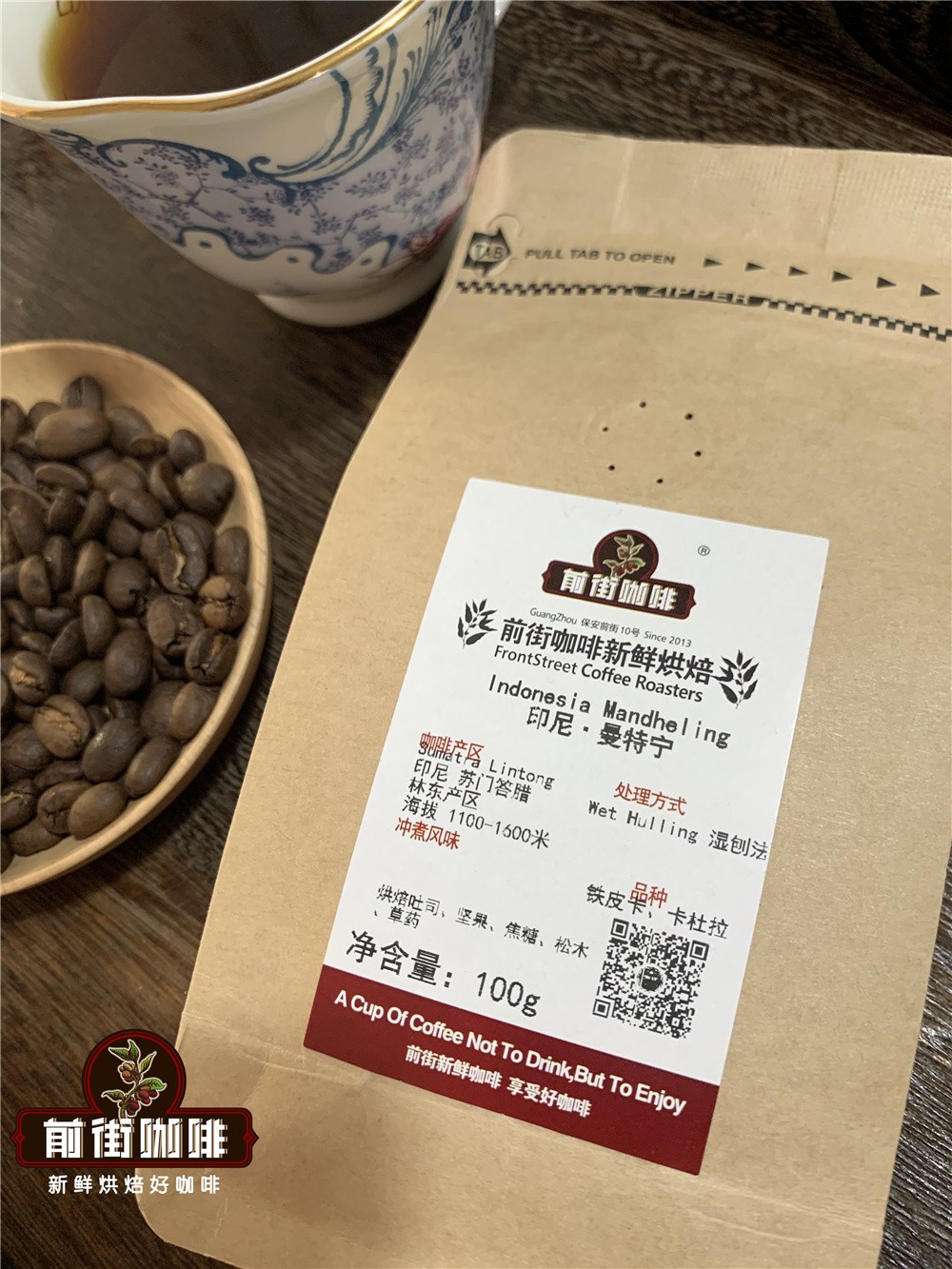
Among the many Mandheling products, 'Golden Mandheling' stands out for its carefully selected quality. This name was coined by PWN, Indonesia’s top green bean trader, which is the main supplier of high-end Mandheling to the Japanese market and focuses on the finest beans from Indonesia’s top-producing regions. Through a rigorous selection process, PWN ensures that every bean meets extremely high standards, which is why many coffee enthusiasts praise its unique rich flavor.
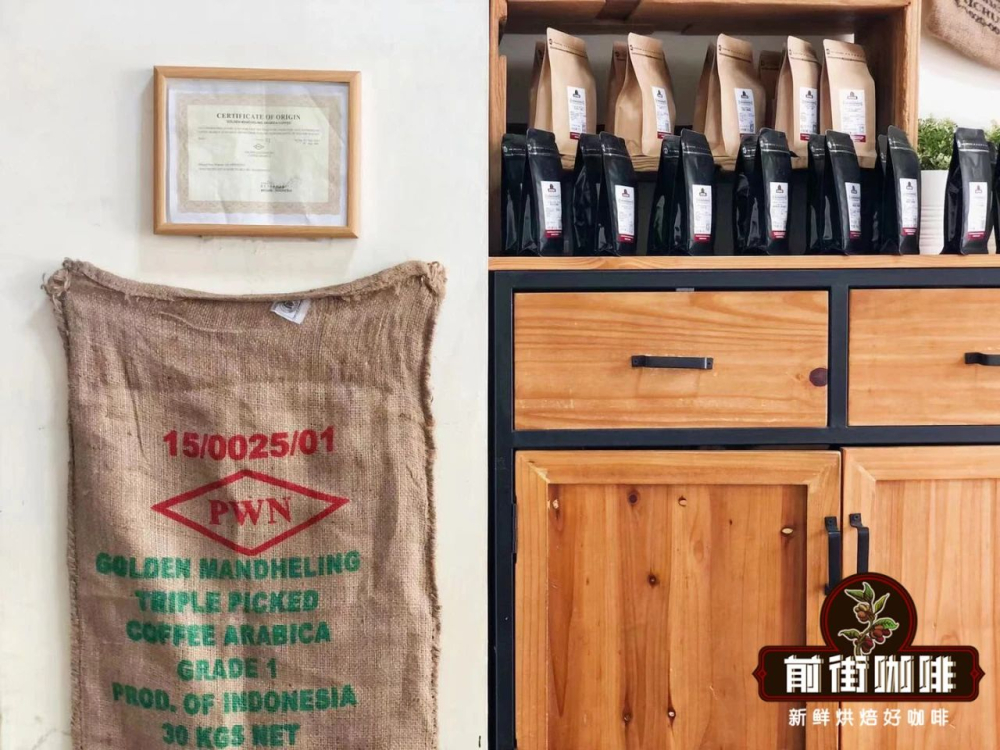
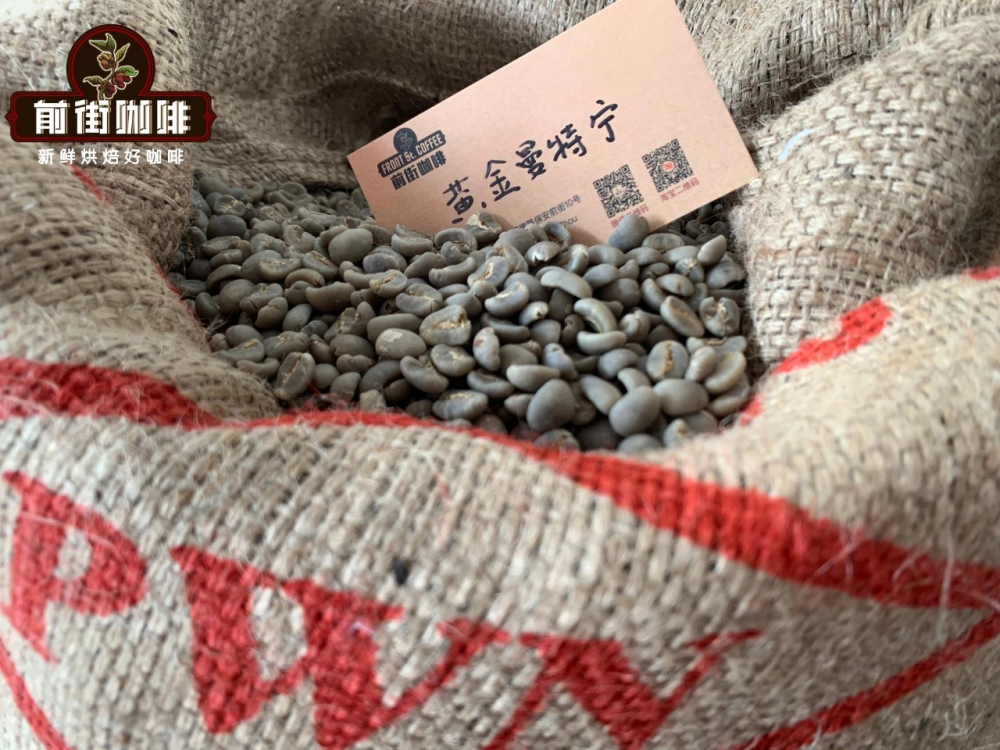
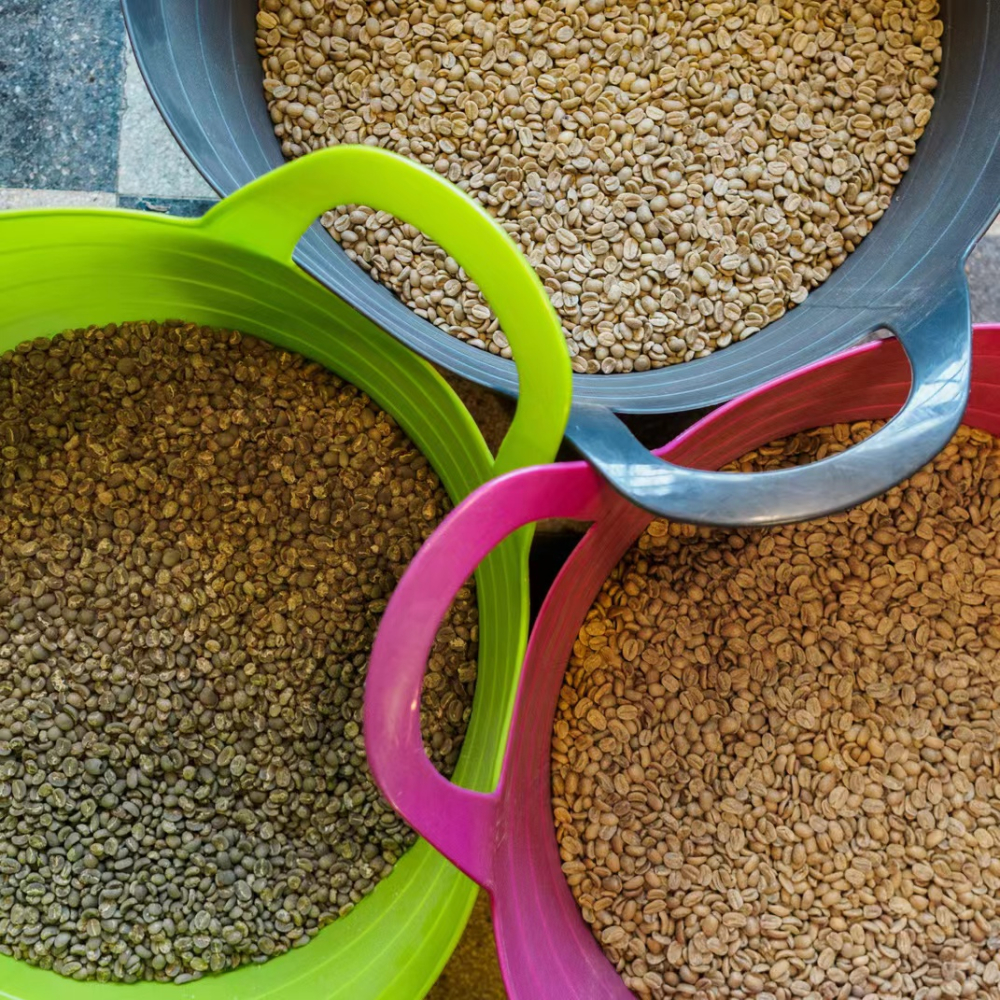
Indonesia’s unique wet-hulling process (Giling Basah) is key to shaping the flavor of Golden Mandheling. This method, designed to adapt to high humidity, significantly shortens the processing time: the coffee fruit’s outer skin is first removed, followed by brief fermentation to wash off some of the mucilage, and then hulling is performed when the moisture content drops to 30-40%. While this process improves efficiency, it also carries a higher risk of defects, hence requiring multiple rounds of strict screening.PWN’s Golden Mandheling must pass machine sorting plus three rounds of hand sorting, with green beans sized 18–19 mesh or larger, fewer than 3 defective beans in a 300g sample, a grade of at least the highest G1 standard, and a uniform deep green color.
This special processing method gives Golden Mandheling a rich array of flavor layers. Professional cupping reveals intense black chocolate, nutty, and caramel aromas, accompanied by delicate herbal spice and pine notes. On the palate, the lingering taste of black chocolate is prominent, with high cleanliness, and when cooled, soft acidity and sweetness can be detected, delivering an overall balanced and layered performance.
Regarding the variety, Indonesia’s coffee-growing history is full of adaptation and challenges. The 1877 leaf rust disaster nearly wiped out the originally planted Typica variety, after which the government introduced more disease-resistant Robusta and hybrid varieties. Among them, Ateng (i.e., the Catimor series) and Tim Tim became mainstream due to their suitability for Sumatra’s unique environment, accounting for about 70% of plantings.Golden Mandheling specifically selects the Ateng variety, showcasing the unique aromatic cedar notes and bold characteristics of this cultivar.
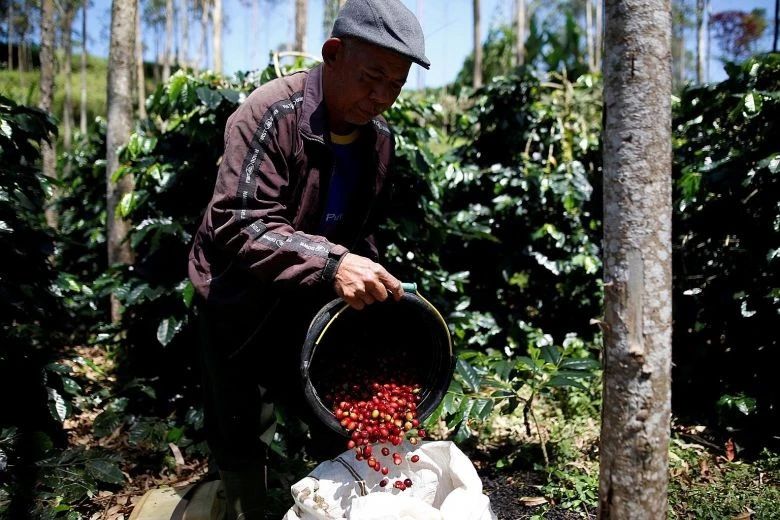
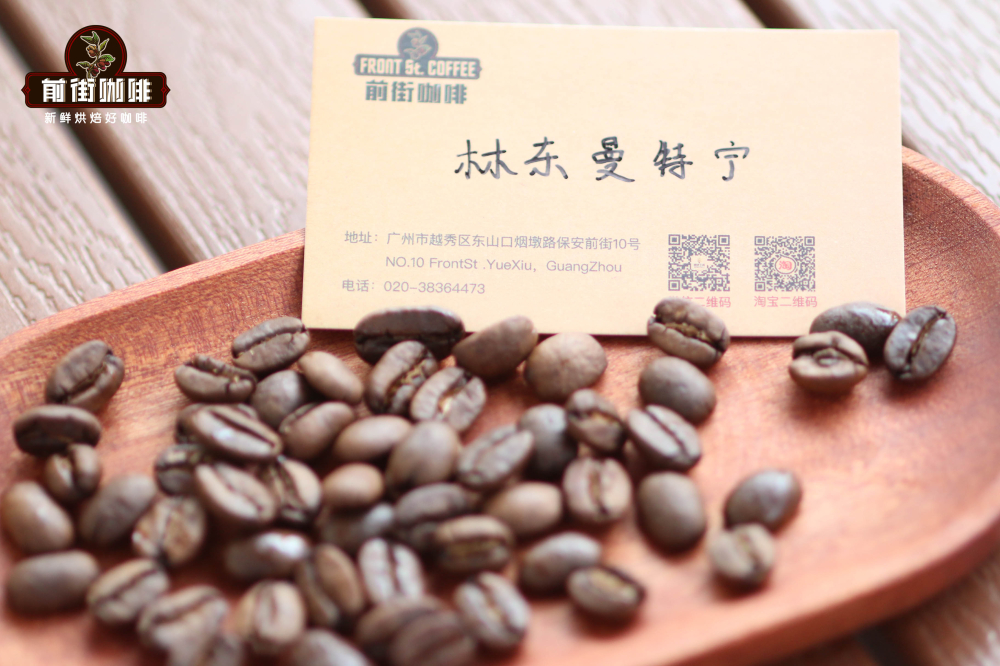
The essence of the wet-hulling process lies in its unique drying stage. Coffee farmers initially dry the parchment beans to a 30–40% moisture level before selling them, and the buyers then perform the hulling. These semi-dried 'naked beans' continue to absorb ambient moisture, developing Sumatra’s distinctive earthy, herbal, and cedar-like muted aromas. After roasting, these traits transform into intense black chocolate, caramel, and nutty notes, becoming the hallmark flavors of Golden Mandheling.
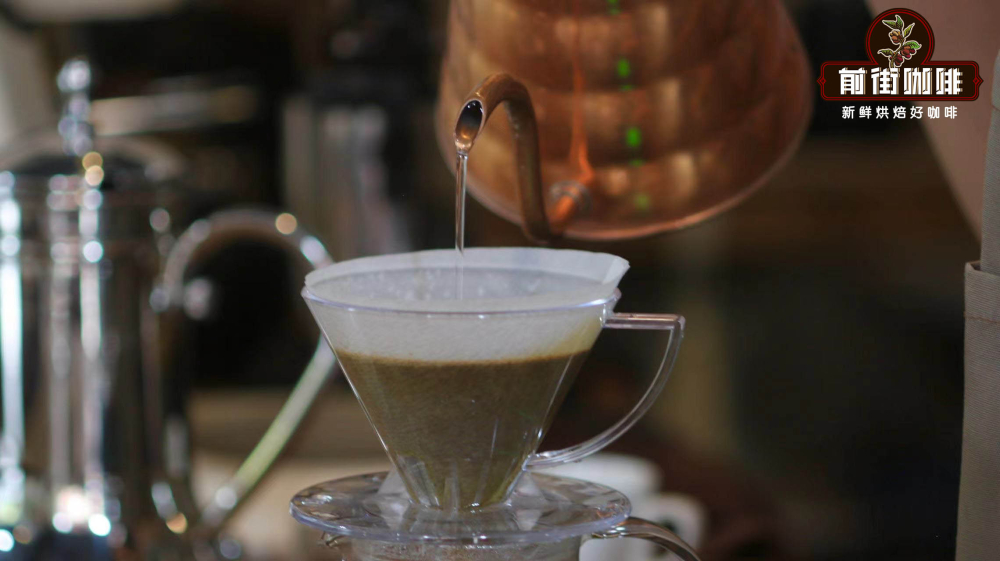
To fully experience the flavor profile of Golden Mandheling, the following professional pour over parameters are recommended: use water at 87–88°C, 15g of coffee grounds, a 1:15 coffee-to-water ratio, with a medium-coarse grind size (70% through a Chinese standard No. 20 sieve). It is recommended to use a KONO filter cone and employ a three-stage pouring method: the first 30ml for blooming to initiate extraction, the second 100ml to bring out rich crema and aroma, and the final 95ml for a gentle pour to enhance the sweetness layer.
The above content is compiled by CoffeeHunters, a coffee news website.

