







Introduction:Iced coffee is widely loved for its refreshing taste, but cold brew, cold drip, iced americano, and iced pour over each differ significantly in extraction principles, flavor profiles, and brewing processes. This article provides an in-depth comparison of the key differences among these four types, offering precise coffee-to-water ratios, grind size recommendations, and step-by-step details to help you choose the most suitable iced coffee brewing method based on your taste preferences and equipment availability.
On a hot summer day, a chilled cup of coffee is a favorite for many, and there is a wide variety of iced coffee options available on the market, including iced americano, iced pour over, cold brew, and cold drip coffee. These four distinct types of iced coffee vary significantly in brewing methods, preparation time, difficulty level, and flavor expression. Understanding their differences allows you to select the type of iced coffee that best suits your personal taste.

First, starting withBrewing Method— iced americano and iced pour over both fall under the category of “hot extraction followed by cooling.” The former uses an espresso machine to extract concentrated coffee, which is then mixed with ice and cold water to adjust concentration and temperature; the latter involves brewing hot coffee via pour over and subsequently cooling and diluting it with ice. In contrast, cold brew and cold drip coffee use cold water exclusively throughout the extraction process, classifying them as “cold extraction” methods. This is also the main reason why their flavors tend to be mellower and lower in acidity.

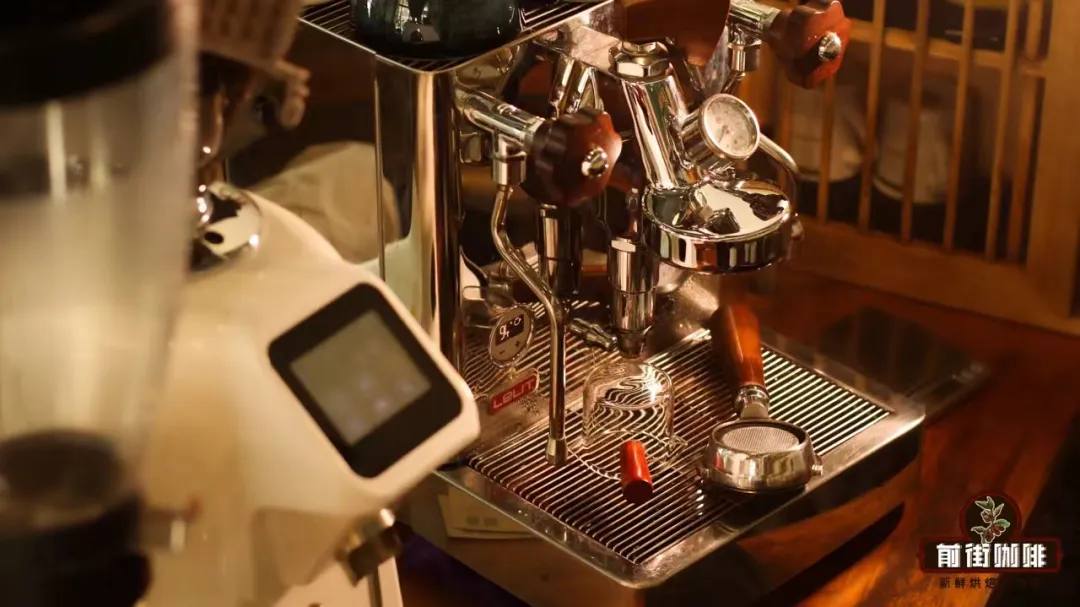
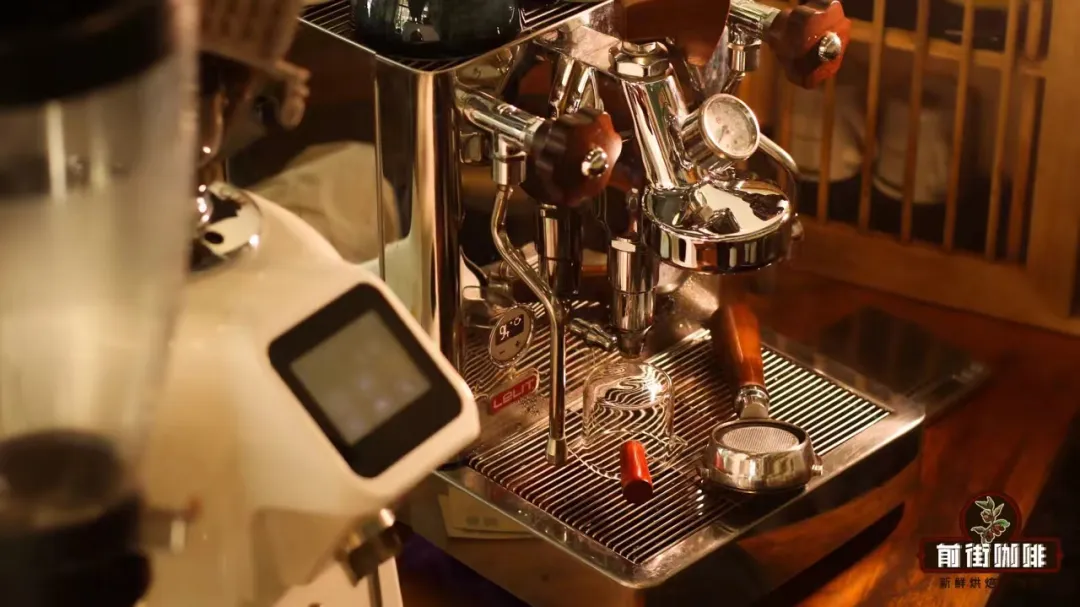
TakingIced Americanoas an example, its production process begins with extracting a shot of espresso using an espresso machine, which is then poured into a glass containing ice and cold water. It is generally recommended to use about 20 grams of classic espresso blend coffee beans, extracted at a 1:2 coffee-to-water ratio within 25–33 seconds to yield 40 grams of espresso. Next, place 90 grams of ice and 180 grams of cold water into a glass with a capacity of about 300 milliliters, pour in the espresso, and gently stir before enjoying. This coffee typically features a rich aroma of roasted nuts, along with lingering notes of chocolate and caramel, delivering a bold yet refreshing taste.
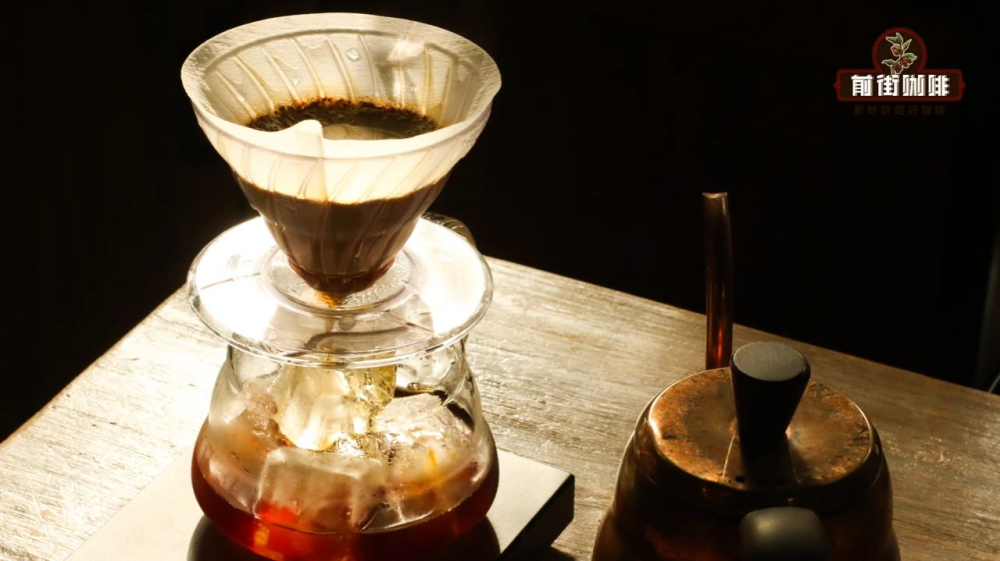
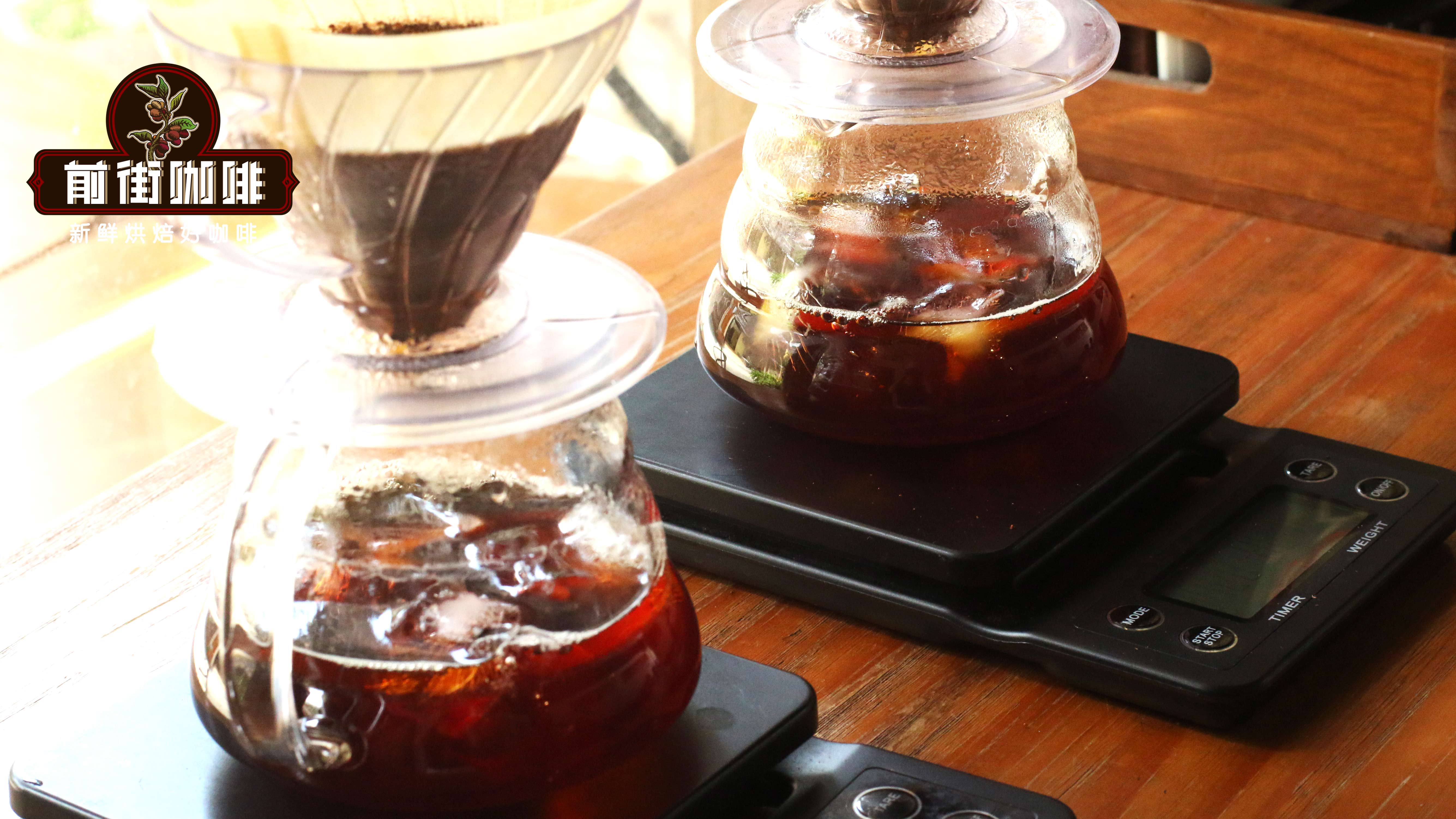
Iced Pour Overis an adjusted version of regular pour over, designed to produce a higher-concentration coffee liquid suitable for cooling. For medium-light roasted beans, for instance, you can use 15 grams of coffee grounds with 150 grams of 92°C hot water, using a 1:10 coffee-to-water ratio for a high-concentration, high-extraction brew, combined with about 75 grams of ice for cooling. It is recommended to use a grind size of around 83% passing through a No. 20 sieve (e.g., EK43s setting 9, C40 setting 22), paired with a Hario V60 filter cone and a three-stage pour over technique: the first stage involves pouring 30 grams of water at a rate of 3 ml/s for a 30-second bloom; the second stage adds 60 grams of water while controlling the liquid level; and the final stage pours the remaining 60 grams of water, with total extraction time kept between 1 minute 50 seconds and 2 minutes.
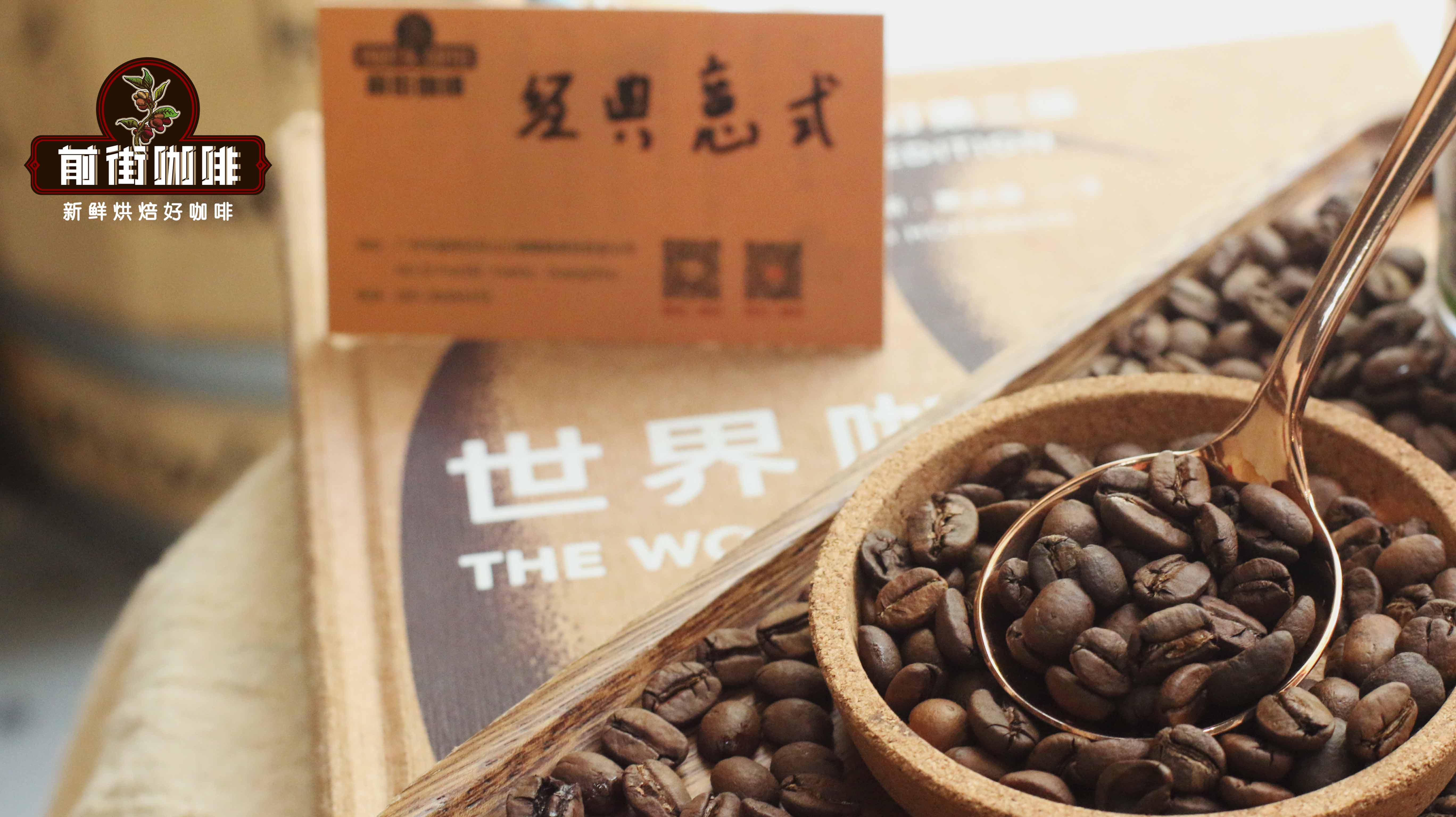


As forCold Brew Coffee, its defining feature is the long steeping of coffee grounds in cold water. It is generally recommended to use a 1:10 coffee-to-water ratio, meaning 60 grams of coffee beans with 600 grams of cold water, steeped in a refrigerator for 8–12 hours. The coffee beans should be ground to a coarseness similar to fine sugar (e.g., about 80% passing through a No. 20 sieve). After steeping, simply stir thoroughly and filter out the coffee grounds to obtain a cold brew that is refreshing in flavor and distinctly sweet. This method does not require expensive equipment—just a sealed cold brew container is sufficient.
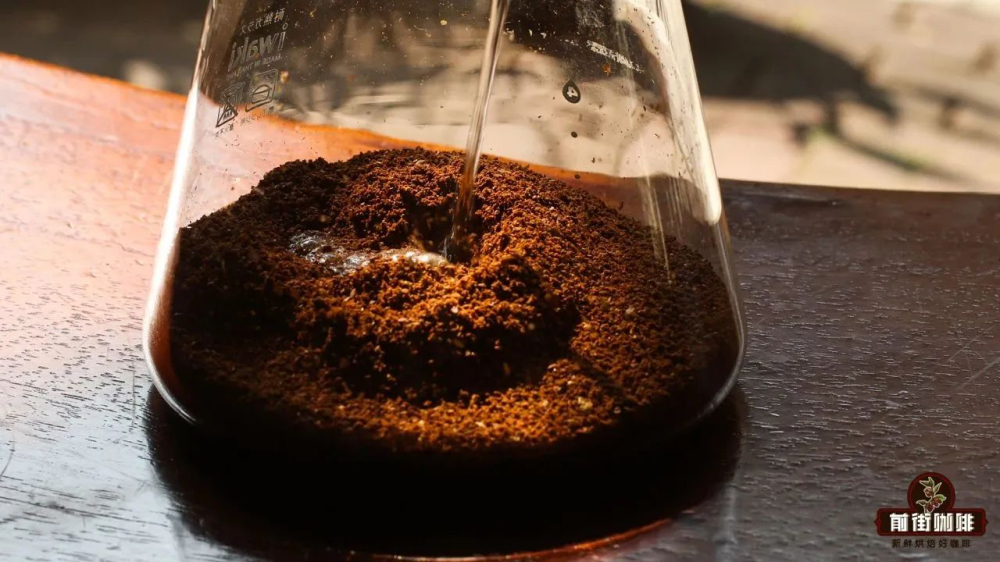
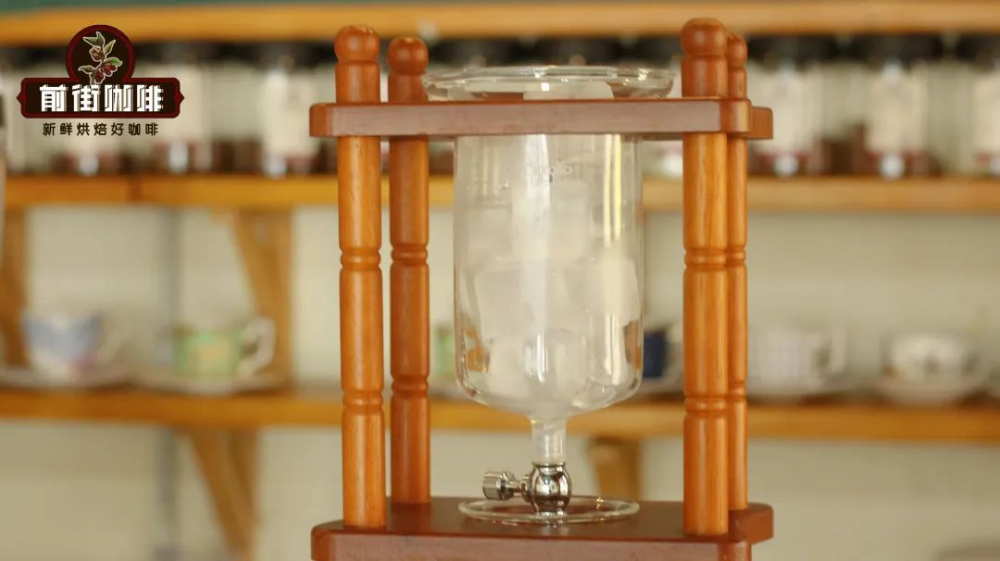
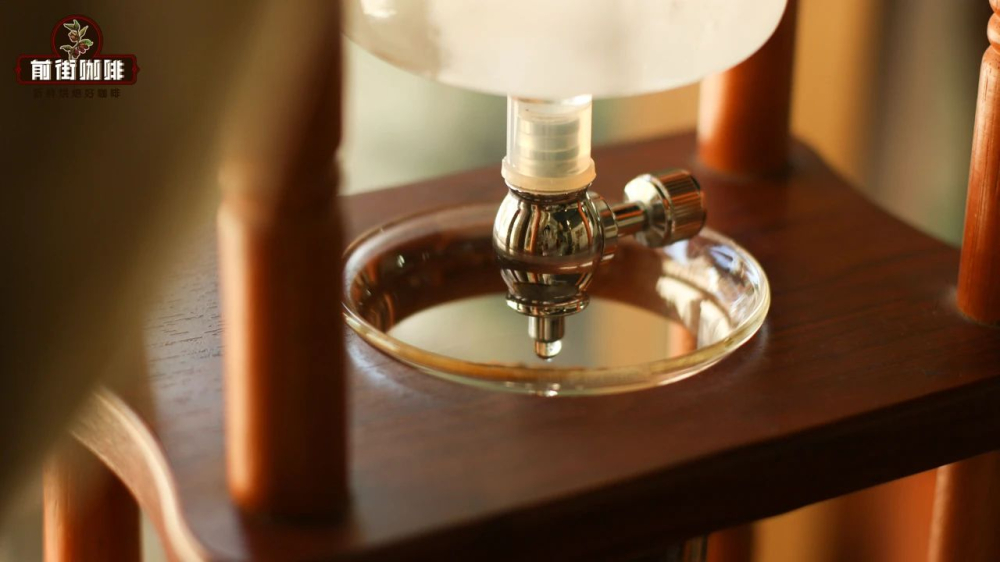
Cold Drip Coffeeis the most time-consuming and meticulously controlled among all iced coffee types. It involves slowly dripping ice water through a bed of coffee grounds drop by drop. It is generally recommended to maintain a drip rate of 7 drops per 10 seconds, using a 1:10 coffee-to-water ratio (approximately 60 grams of coffee beans for 600 grams of coffee liquid). For home brewing, the ratio can also be adjusted to 1:12–1:14 to reduce strength. It is suggested to place the coffee grounds in a filter basket, lined with two layers of filter paper to prevent over-extraction, with the upper chamber filled with a mixture of ice and water (at a 1:1 ratio). The total brewing time is approximately 6–8 hours. This type of coffee often exhibits unique fermentation aromas, such as hints of wine, and tends to have a relatively pronounced bitterness, but also offers greater complexity and richness in mouthfeel compared to other types.

In terms ofPreparation Time, iced americano and iced pour over can usually be completed in just a few minutes, making them highly suitable for everyday quick preparation; whereas cold brew and cold drip coffee require much longer waiting periods—cold brew takes about 8–12 hours, and cold drip even longer at 6–8 hours—making them better suited for planned schedules or advance preparation.
RegardingEase of Preparation, iced pour over and cold brew have relatively low equipment requirements—you only need basic pour over tools or a sealed bottle, making them more accessible; in contrast, iced americano relies on an espresso machine, and cold drip coffee requires a specialized cold drip apparatus and precise flow control, resulting in higher equipment costs and a steeper learning curve.
Finally, in terms ofFlavor and Mouthfeel, although the characteristics of the coffee beans themselves remain the primary determinant of flavor, different brewing methods still lead to noticeable differences in expression. Iced americano typically has a clean and refreshing taste, showcasing the fundamental flavors of the coffee beans, though the liquid may appear somewhat cloudy; iced pour over is known for its clear, bright cup and well-defined primary flavors; cold brew coffee is low in bitterness and high in sweetness, with a smoother and fuller body; cold drip coffee often carries unique fermented notes, such as wine-like aromas, and generally offers the richest layering and complexity in mouthfeel, albeit with a more noticeable bitterness.

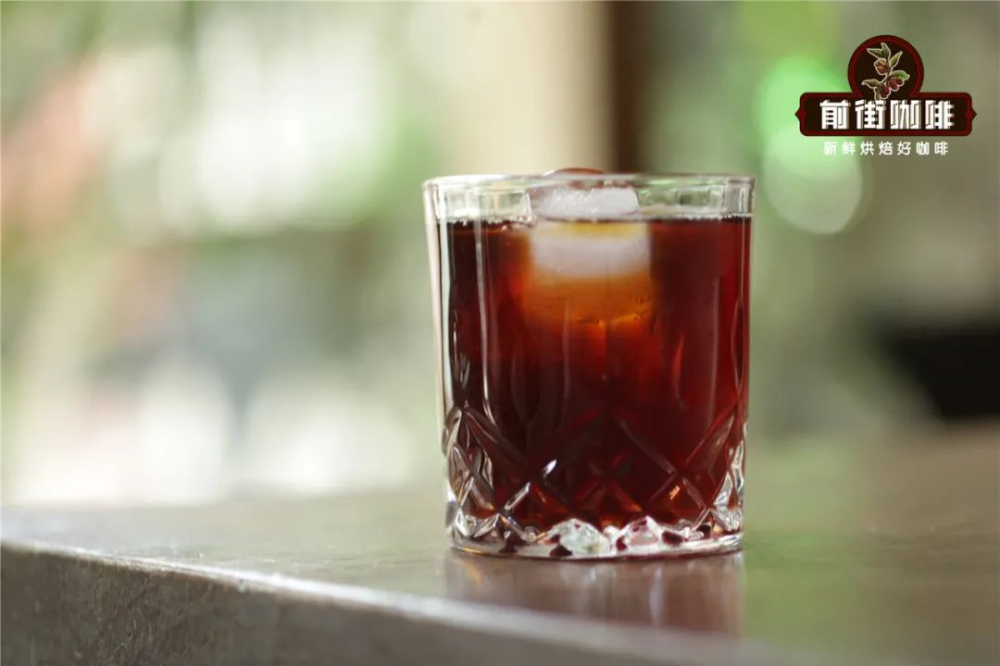

In summary, the choice of iced coffee depends on whether you prioritize speed and convenience, a refreshing taste, or complex layers and unique flavors. Mastering the key parameters and brewing essentials of each type of iced coffee allows you to easily enjoy your personalized iced coffee experience, whether at home or in a café.
The above content is compiled by CoffeeHunters, a coffee news website.


