








Introduction:Want to easily make a refreshing and complex cold brew iced coffee at home? This article delves into the characteristics of iced coffee across various European countries—from Germany’s luxurious version to Italy’s shaking technique—and helps you understand the differences. It also explains in detail the principles of cold brewing, the optimal coffee-to-water ratio and steeping time, and recommends light to medium roast beans ideal for cold brewing. Even beginners can master it on the first try and enjoy a guilt-free summer iced coffee.
In different European countries, iced coffee is presented in vastly different ways. Some are made by simply adding ice cubes to hot coffee, some are served with ice cream, and others use a cold brew method where the coffee is steeped in cold water for a long time. For example, in the United States, the most common version is a combination of "espresso + water + ice cubes"—the now globally widespread iced americano commonly offered in cafés.
In Italy, espresso is usually mixed with ice cubes and then shaken vigorously in a shaker to create fine bubbles, adding a creamy texture to the drink. As for the German version, it uses an espresso with an extended extraction time, combined with a scoop of vanilla ice cream, whipped cream, caramel sauce, or chocolate chips. The premium version may even include a touch of rum for added flavor.
However, most of the above iced coffee methods require an espresso machine, which is not very convenient for the average household. So, is there a simpler and more home-friendly way to make iced coffee? Next, let’s introduce cold brew (cold steeped) coffee, which only requires cold water—your one-touch key to a refreshing summer!
Compared to traditional hot water extraction, cold brew coffee doesn’t benefit from high temperatures that activate water molecules. This means substances that often lead to bitterness are less likely to be released in a low-temperature environment, resulting in a cleaner, crisper taste. In addition, the long-duration, low-temperature extraction allows for the full release of desirable flavor compounds in the coffee, making the overall flavor more rounded and full-bodied.
Because the cold brew process takes longer, the caffeine extraction is usually higher than that of regular drip or espresso coffee. If you want to stay alert even during the hot summer days, cold brew is a more ideal choice.
Making cold brew coffee is quite simple and suitable for beginners. It is recommended to use light roast beans with a washed process—these beans typically have bright acidity and clear flavors, and are less prone to mistakes even for first-timers.
The recommended coffee-to-water ratio is set to 1:12(i.e., 1 gram of coffee grounds to 12 milliliters of water). You can use room temperature water—there's no need to preheat or refrigerate it. The main tool needed is a cold brew pitcher, and the total steeping time is suggested to be within 12–16 hours, simply place it in the refrigerator for slow extraction.
Taking a cold brew pitcher with a capacity of about 1 liter as an example, this demonstration uses 60 grams of coffee grounds. In actual practice, you can adjust the amount of coffee based on your own pitcher’s capacity, but be sure to maintain the 1:12 coffee-to-water ratioand ensure all coffee grounds are fully submerged in water.
After preparing a clean cold brew pitcher, add the pre-ground coffee into the filter, then slowly pour in 720 milliliters of room temperature water, ensuring the coffee is evenly wetted. Next, cover the filter lid and the main pitcher lid, and place the whole pitcher in the refrigerator for 12–16 hours of cold extraction.

Once extraction is complete, gently lift the filter, allow any remaining coffee liquid to drip out, then discard the coffee grounds to enjoy a clear and mellow cold brew coffee. If you find the 1:12 ratio too strong, you can also switch to a 1:13ratio, or adjust the strength by adding ice cubes or water according to your personal taste when serving.

Which coffee beans are suitable for making iced drinks or cold brew? Here are several bean options that deliver outstanding flavor performance and are well-suited for cold brewing:
【Ethiopia Sun-Dried Red Cherry】
Light to medium roast, washed process, sourced from the renowned Ethiopian coffee-growing region. The flavor profile often includes white floral notes, citrus tones, green tea-like qualities, and a light creamy finish. The acidity is bright, and the mouthfeel is refreshing, making it friendly to various brewing methods and especially suitable for beginners.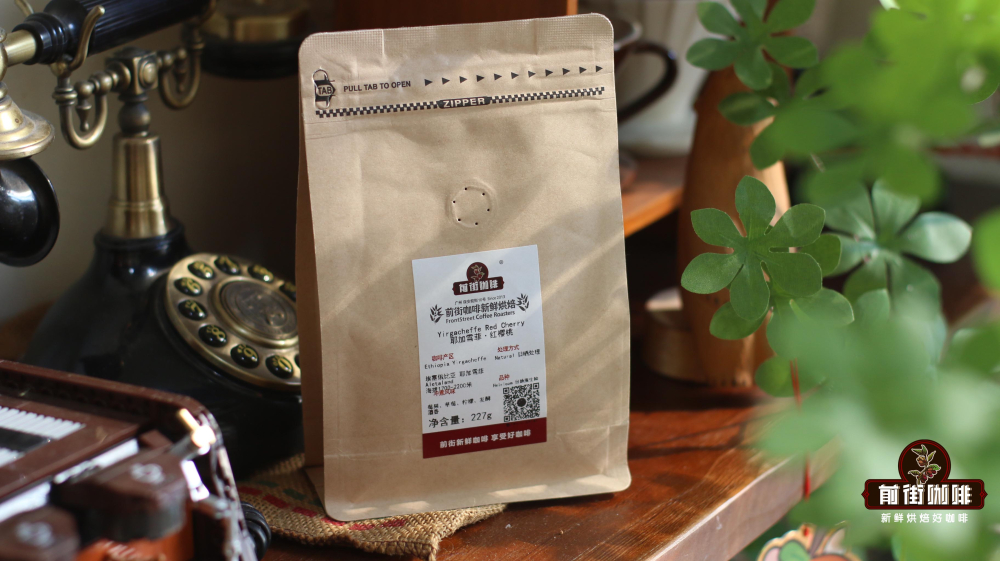
The term “Red Cherry” originates from the “Red Cherry Project” initiated in 2007 by a Dutch green coffee trader, aiming to increase the purchase price of fully ripe, red-hued coffee cherries, encouraging farmers to carefully handpick. This move not only improved the overall quality of the beans but also, due to the higher sugar content in ripe fruit, imparted a sweet flavor and slight fermentation note after sun drying—making it one of Ethiopia’s bestsweetness-profiled coffees.
【Panama Elida Estate Sun-Dried Catuai】
Medium roast, produced at the renowned Elida Estate. In addition to competition-grade Geisha varieties, it also grows commonly found Central and South American varieties such as Caturra, Catuai, and Typica. The highlight of this sun-dried Catuai lies in its fusion of regional terroir and the juicy richness brought by sun drying, while retaining the clean characteristics of the Typica variety. It has a smooth mouthfeel and a richly layered profile.
【Colombia Boundary Line Estate Sidra】
Medium roast, Sidra is a lab-cultivated variety with deep genetic ties to Typica and Red Bourbon, and is also speculated to be related to native Ethiopian varieties. This variety offers floral and fruity aromas comparable to Geisha, commonly featuring flavors of peach, citrus, grape, and honey. It has balanced acidity, a round mouthfeel, and, importantly, excellent cost-performance—making it highly suitable for everyday enjoyment.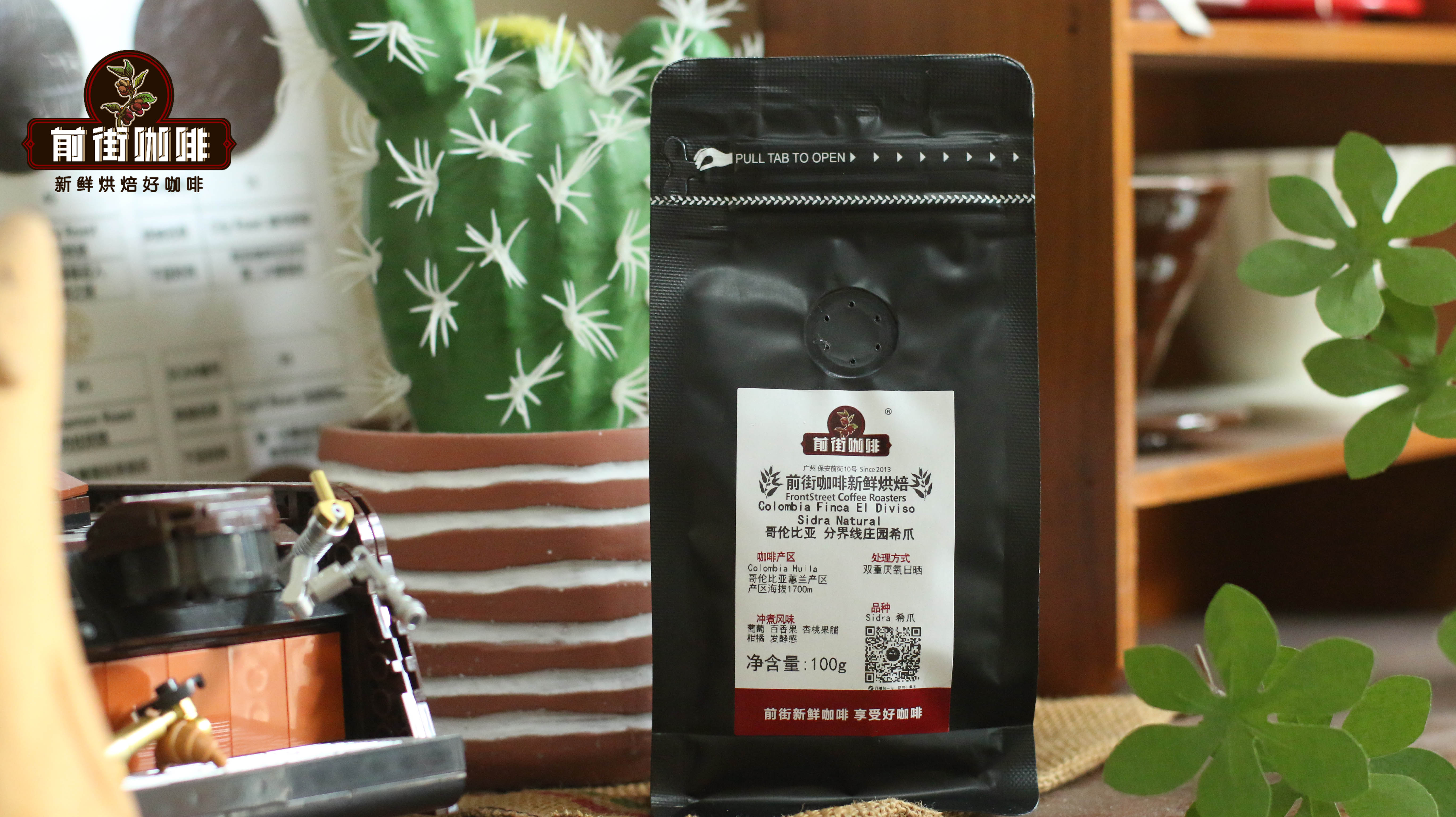
The above content is compiled by CoffeeHunters, a coffee news website.


