







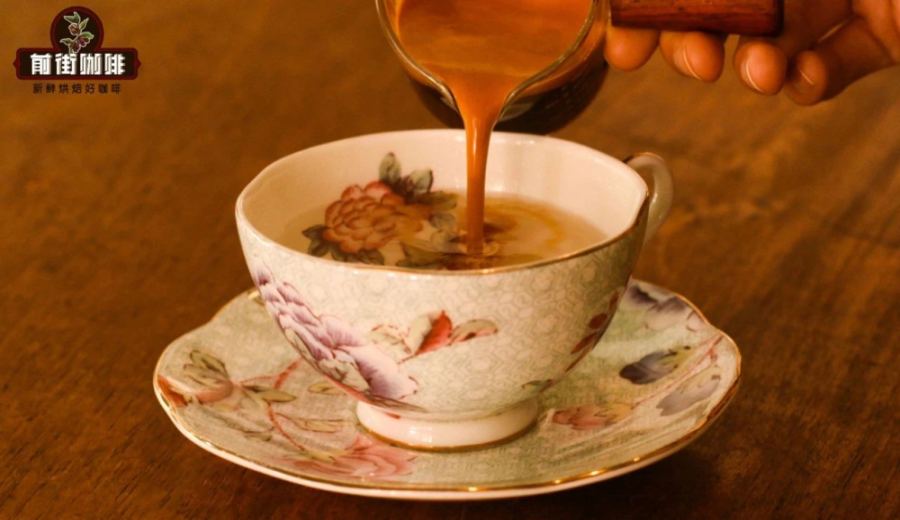
Introduction:Espresso is the soul base of many specialty coffee drinks, from lattes to Americanos—all originating from it. This article delves into the unique flavors and structural composition of espresso, compares it with Americano coffee, and provides expert-level tasting methods and extraction parameter suggestions to help you fully grasp the essence of this coffee art.
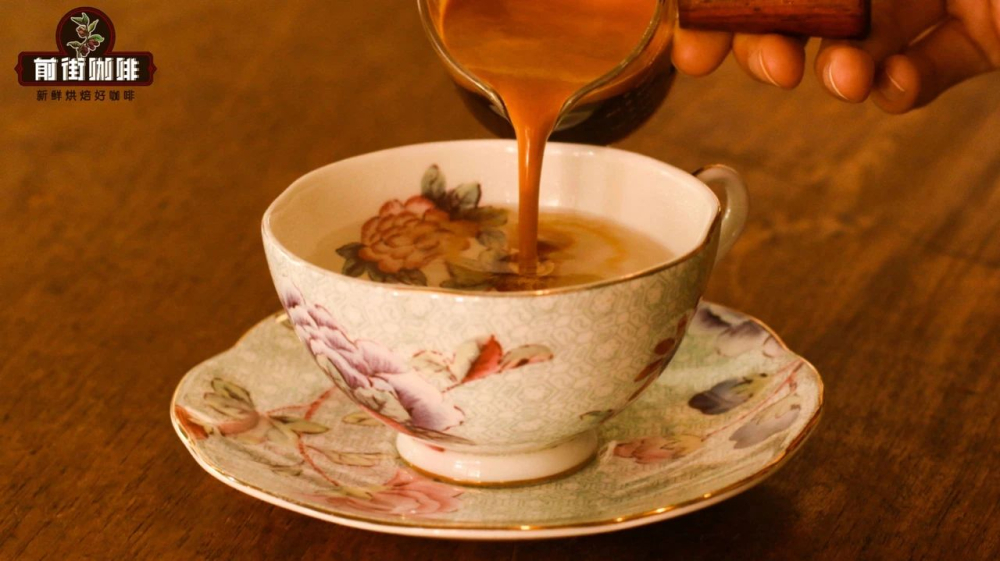
For those attempting to make espresso at home, it is truly the foundation of all specialty coffee beverages. The most popular drinks such as lattes, cappuccinos, and flat whites are all made by combining espresso with fresh milk; whereas Americano is made by diluting espresso with hot water (or cold water). Since no additional ingredients are added, it can more directly showcase the original flavor characteristics of the coffee beans.
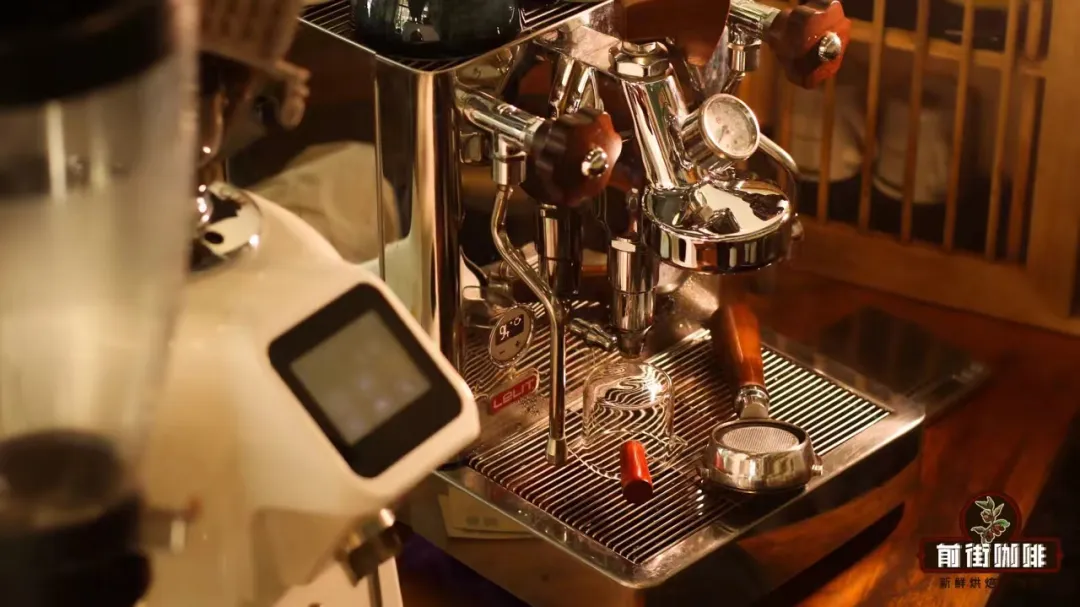
Espresso originated in Italy, and its name comes from the Italian word "Express," meaning "to press out quickly." This type of coffee is produced by using high-pressure steam to extract a concentrated coffee liquid from extremely finely ground and tightly tamped coffee grounds in a short amount of time. This method can stably preserve the coffee's crema, delivering a rich and full-bodied mouthfeel while achieving an excellent balance between acidity and bitterness, thus earning its reputation as a work of art in the coffee world.
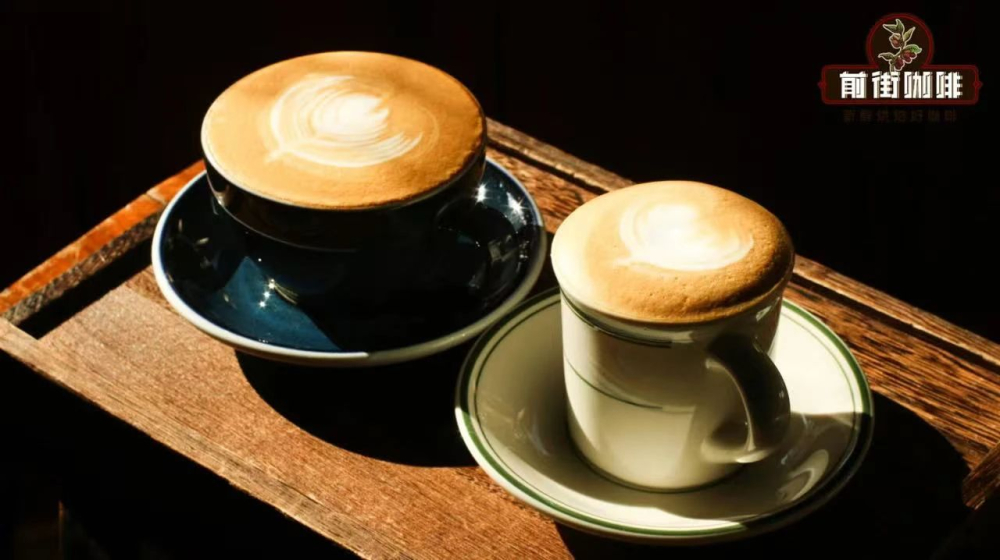
Moreover, espresso often serves as the base for other coffee drinks. Whether it’s lattes, cappuccinos, macchiatos, or mochas, they are all primarily formulated with espresso at their core. Although this highly concentrated beverage may have an intense flavor when consumed alone, it encapsulates the deepest flavor traits of the coffee beans.
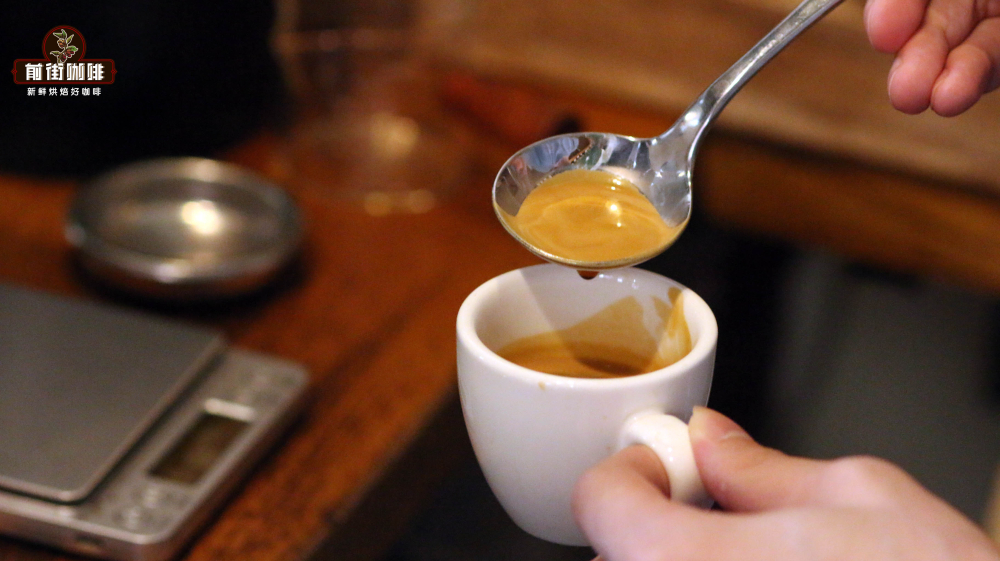
A high-quality espresso can be initially judged by the golden crema on its surface. Ideally, the crema should have a mirror-like glossy sheen (some say its pattern resembles tiger stripes, but if there is insufficient coffee grounds or over-extraction, white spots may appear), and the thickness is recommended to be around 3 millimeters. In terms of taste, it should present a rich and thick texture, smooth and silky without any graininess, with a distinct aftertaste that leaves a lingering sweetness on the tongue and throat.
Generally, a single shot of espresso has a volume of about 25–35 milliliters, designed so that it can be consumed within just a few sips. Going back to the industrial era in Italy, this form of high-pressure, quick extraction was created for busy workers to quickly get a cup of energizing drink, thereby boosting work efficiency. To this day, Italians still maintain the habit of quickly stopping by a coffee shop in the morning, ordering an espresso, and drinking it immediately. Of course, modern drinkers can also take their time to appreciate its layered flavors, but it is still recommended to consume it as soon as possible to enjoy the best taste.

Espresso can be divided into three distinct layers:
Crema (the foam layer) This is the topmost layer of golden to reddish-brown foam, mainly formed by the emulsification of coffee oils and carbon dioxide under high pressure. This foam layer made up of tiny bubbles is not only a visual feature but also influences aroma release and overall mouthfeel.
Body (the main layer) This is the middle part of the espresso, containing the richest flavors and aromas, showcasing the coffee’s roundness, smoothness, and viscous texture. It is a combined embodiment of both tactile and taste sensations.
Heart (the core layer) Located at the bottom, it is darker in color and mainly contributes bitterness, balancing the sweetness and aroma from the upper layers to form a complete flavor profile.
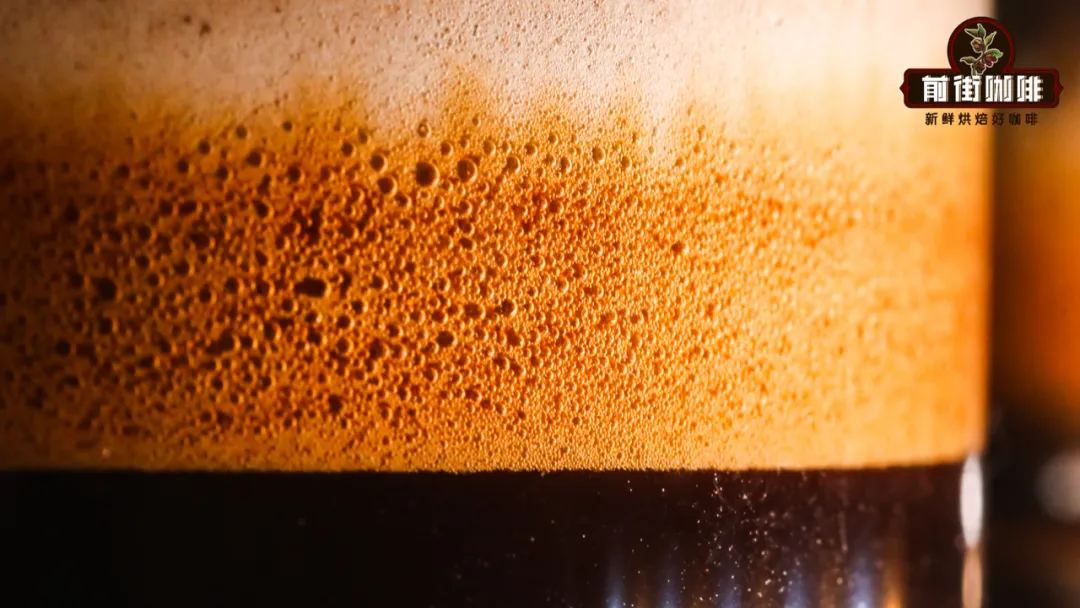
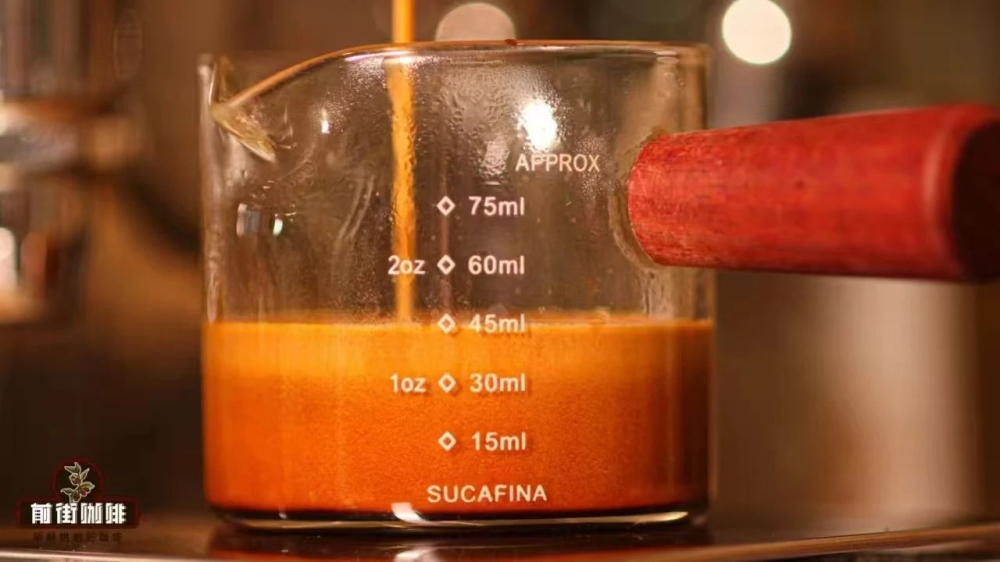
With the rise of the specialty coffee trend, more and more baristas are using high-quality coffee beans to make espresso, transforming this traditional drink from having only a single bitter impression. As long as the barista fully understands the bean characteristics, uses freshly roasted coffee beans, and continuously adjusts extraction parameters, one can taste clear top, middle, and base note flavor changes in the espresso.
For example, some shops offer blended beans that, upon extraction, release multi-layered flavors such as wine, vanilla, berries, and nuts. For consumers who prefer a fuller body, dark roasted blends are also a good choice—not only do they easily produce dense crema, but they are also suitable for making various milk-based coffee drinks.
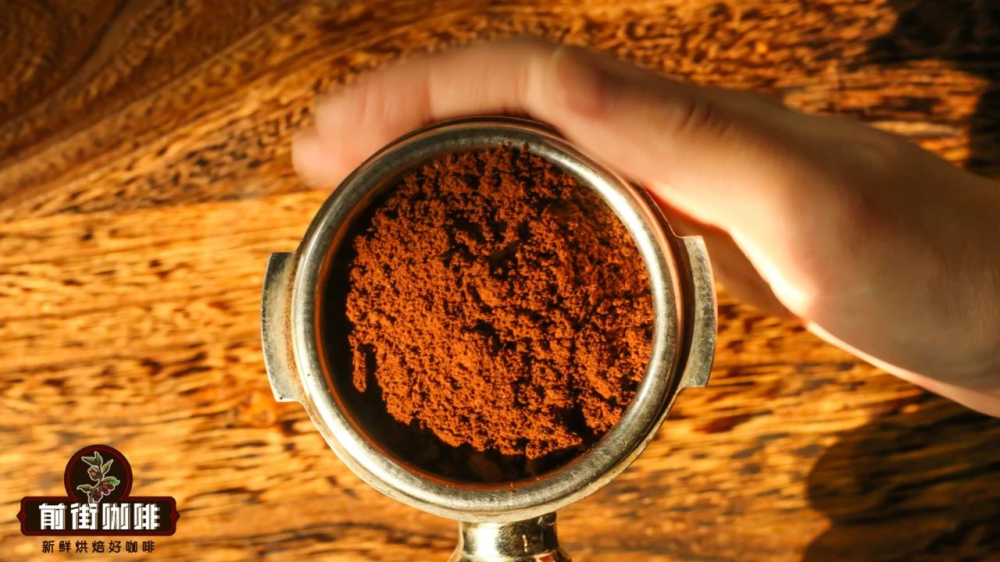
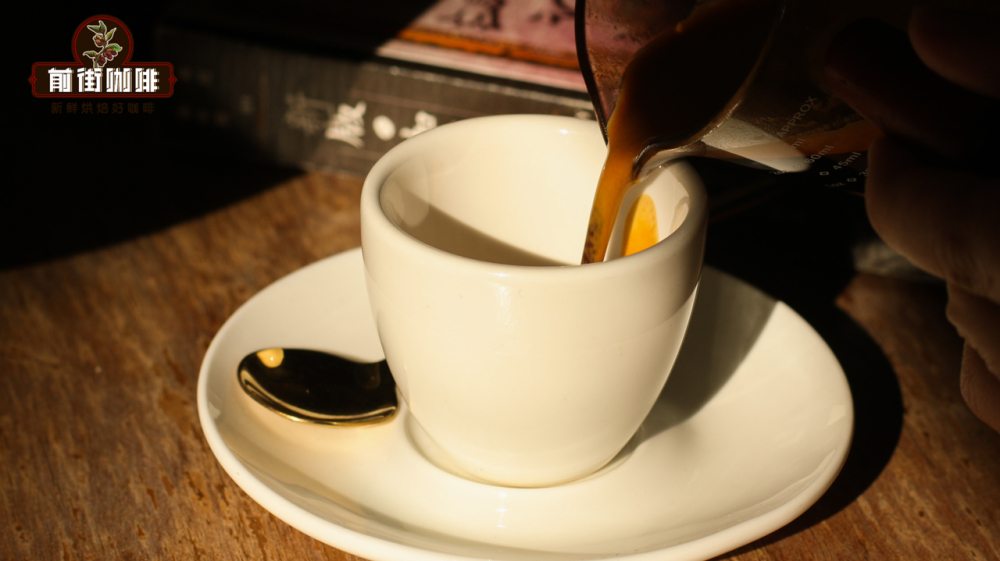
When tasting espresso, it is recommended to first take a sip of ice water to cleanse the palate and help focus the taste buds. Once the coffee is served, gently stir it with a spoon to evenly distribute the flavors, then take three sips: the first to sense the main flavors, the second to appreciate its rich texture, and the third to focus on the aftertaste and lingering notes.
If you’re drinking a blend with complex flavors, the first sip might bring out berry-like tartness and fermented wine aromas, the second showcases the smoothness and fragrance reminiscent of vanilla cream, and the third leaves behind a caramel sweetness and nutty finish—each layer distinct and memorable.
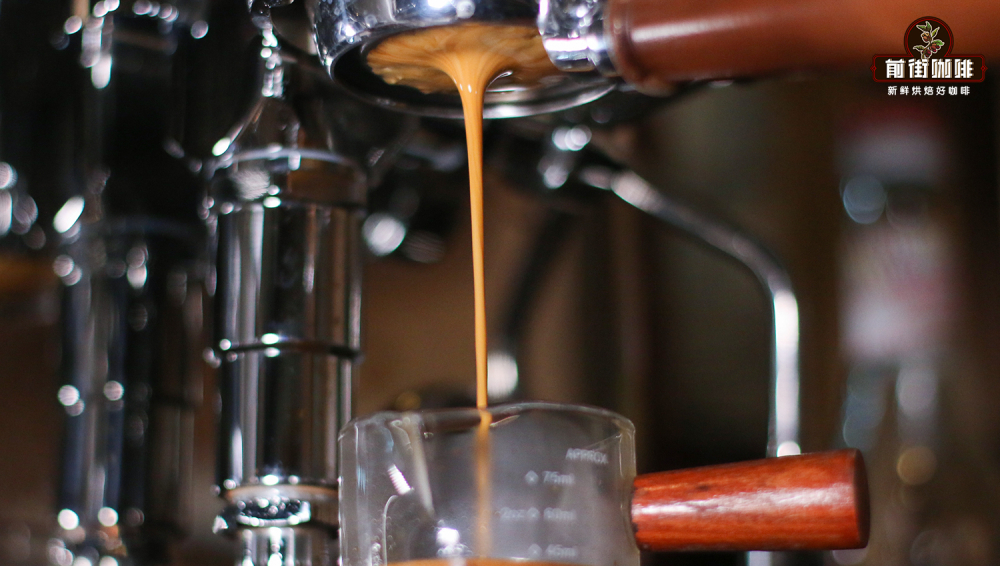
In terms of extraction techniques, according to the Specialty Coffee Association (SCA), a single shot of espresso requires 7–9 grams of coffee grounds, while a double shot requires 14–18 grams. The extraction time should be controlled between 20–30 seconds, aiming to produce 25–35 grams of coffee liquid, while maintaining an extraction pressure of 9–10 bar and a water temperature between 90–96°C.
However, in practice, different espresso machines, grinders, roast levels, and origin bean characteristics can all influence the final flavor. Therefore, when adjusting parameters, it is recommended to first consider the coffee-to-water ratio and grind size. Each coffee shop will also fine-tune these based on their own equipment and bean properties.
Taking common shop practices as an example, a single shot of espresso may use 10–11 grams of coffee grounds to extract 20–25 grams of coffee liquid, taking about 22 seconds; a double shot uses 19–20 grams of coffee grounds to produce 35–40 grams of coffee liquid, taking approximately 29 seconds.
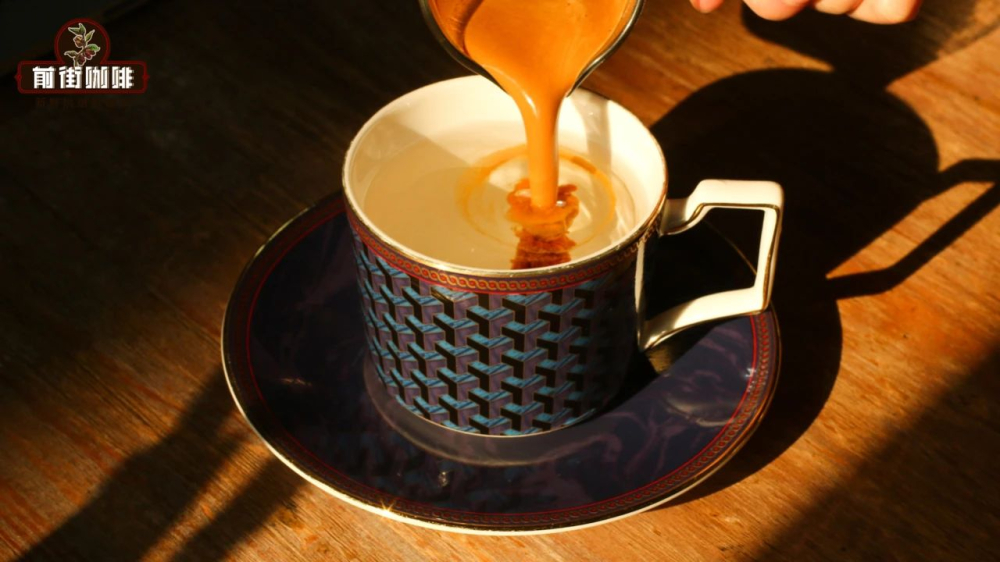
It is worth noting that because espresso has an intense and stimulating flavor, many coffee enthusiasts choose to add milk to make a latte or dilute it with water to make an americano. The general recommendation for a latte is a 1:6 ratio (i.e., 40 grams of coffee liquid plus 240 grams of fresh milk), while an americano is 1:4 (40 grams of coffee liquid to 160 grams of hot water), to achieve the best balance of flavor and mouthfeel.
The above content is compiled by CoffeeHunters, a coffee news website.


