







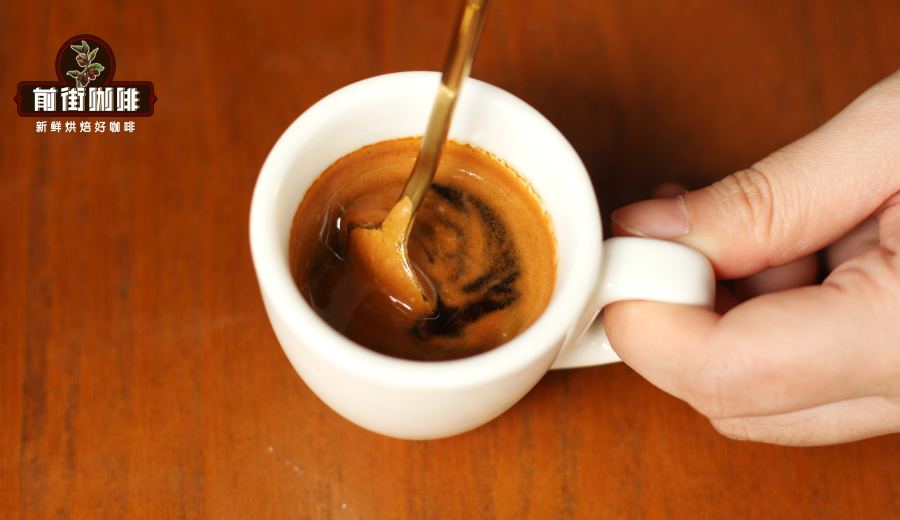
Introduction:In recent years, Single Origin Espresso (SOE) has gained popularity in the specialty coffee scene, with more and more consumers hoping to showcase the unique flavor characteristics of coffee beans through SOE espresso. So, which regional single-origin beans are suitable for making SOE? How should the coffee-to-water ratio and grind size be set to extract the best flavor? This article will delve into the definition of SOE, recommend producing regions and processing methods, and provide practical extraction parameters and adjustment suggestions to help you easily master the brewing techniques of SOE coffee.
As specialty coffee culture becomes increasingly widespread, high-quality single-origin beans from around the world have made their way onto café menus. Not only do each of these beans come with detailed origin information, but some single-origin lots have also garnered attention for their unique aromas. In the past, most espresso on the market relied on dark-roasted blends, resulting in intense and somewhat one-dimensional flavors. However, today, with the growing selection of single-origin beans, many coffee enthusiasts are beginning to explore making SOE from single-origin beans, hoping to deliver a more distinctive espresso experience.
What is SOE?
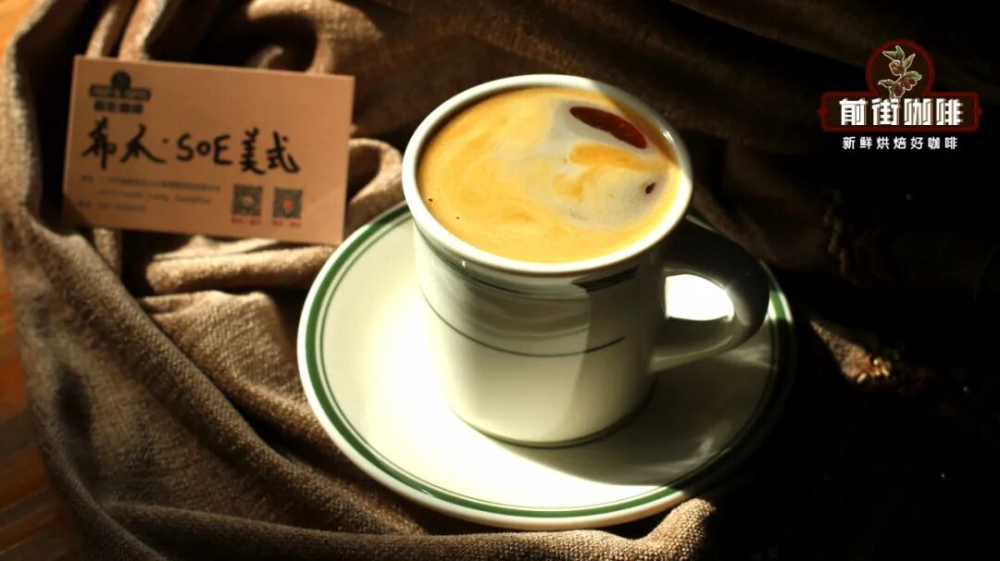
SOE, short for Single Origin Espresso, refers to espresso made using coffee beans from a single origin and variety. For example, if you use Ethiopian Yirgacheffe single-origin beans to make espresso, then that cup is a 'Yirgacheffe SOE'; if you make an Americano using Blue Mountain beans, it can also be called a 'Blue Mountain SOE Americano'. Whether it’s pour over, espresso, or milk coffee, as long as the ingredient is a single-origin coffee bean, it can fall under the category of SOE.
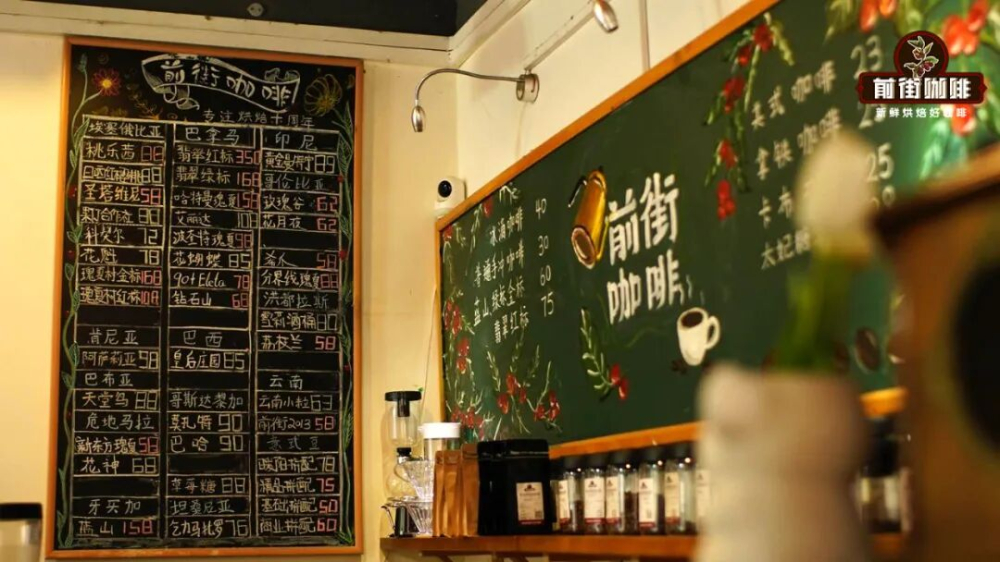
Choosing Suitable Coffee Beans for SOE
The key to making SOE lies in selecting single-origin beans that are suitable for high-temperature and high-pressure extraction conditions. If the roast is too light, it may result in overly prominent acidity and insufficient aroma; conversely, if the roast is too dark, the coffee may end up bitter and charred. Therefore, when selecting beans, it’s important to consider three major factors: origin, roast level, and processing method.
African Origins: Bright Acidity and Sweetness, Suited for Natural Processing
For those who enjoy fresh, bright acidity and sweetness, African-origin natural-processed single-origin beans can be a top choice, such as those from Ethiopia’s Sidamo, Yirgacheffe, and Guji regions. These coffees typically feature rich fruity, floral, and high sweetness notes, but most are used for pour over or cold brew, with roast levels leaning toward light to light-medium. When used directly for espresso, issues such as under-extraction and thin crema may occur. To address this, some roasters adjust the roast profiles of these beans to enhance their performance in espresso extraction.
Central and South America: Fruity and Round, Mainly Medium Roast
If you prefer SOEs with intense fruity notes and rounded sweetness, consider beans from high-altitude regions in Central and South America, such as Colombia, Panama, Costa Rica, Guatemala, and Peru. These beans are often medium roasted, showcasing distinct sweetness and caramel tones, and are compatible with various extraction methods. Especially those using special processing methods like natural, honey, or anaerobic natural, they can highlight rich layers of fruitiness—for instance, double anaerobic natural Sidra can bring out aromas of blueberry, passionfruit, and grape.
Asia and South America: Low Acidity and Balanced, Medium to Dark Roast Recommended
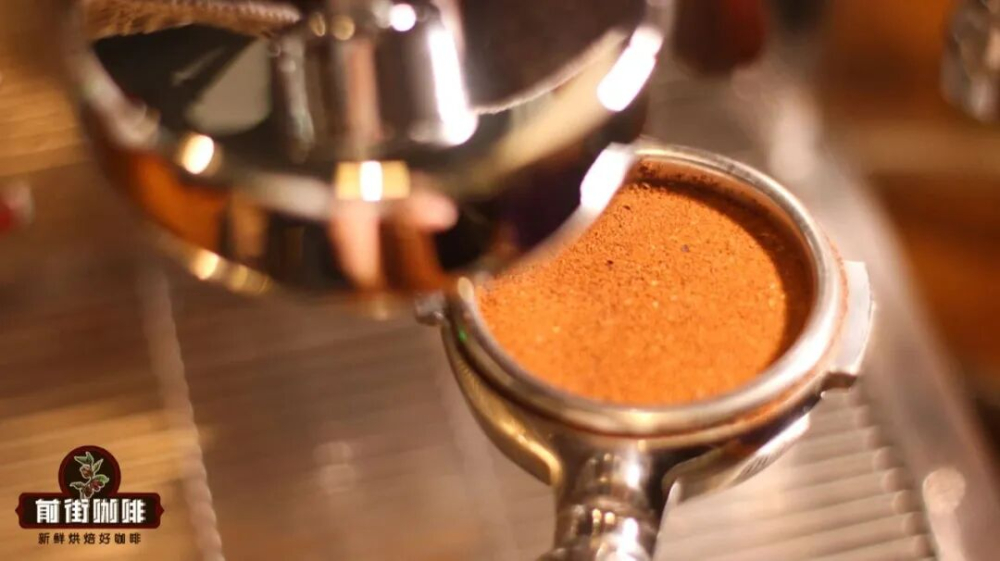
For those who do not prefer overly acidic flavors, medium to dark roasted single-origin beans from Asia or South America are recommended, such as Brazil Cerrado or Colombia La Reina Estate. These coffees typically exhibit low acidity, full body, and balanced flavor profiles, making them ideal for consumers who enjoy stable flavors and rich mouthfeel.
SOE Extraction Parameters and Adjustment Tips
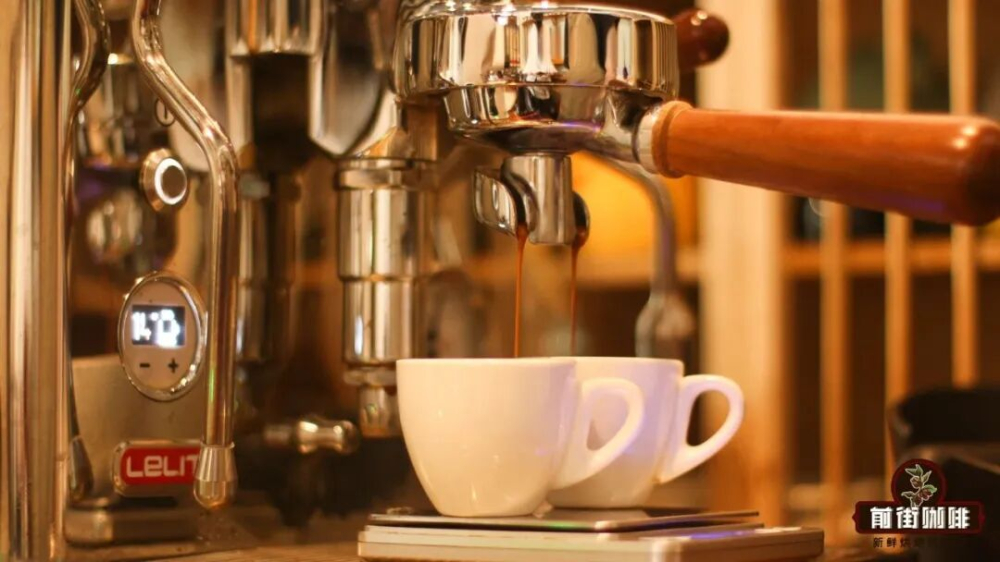
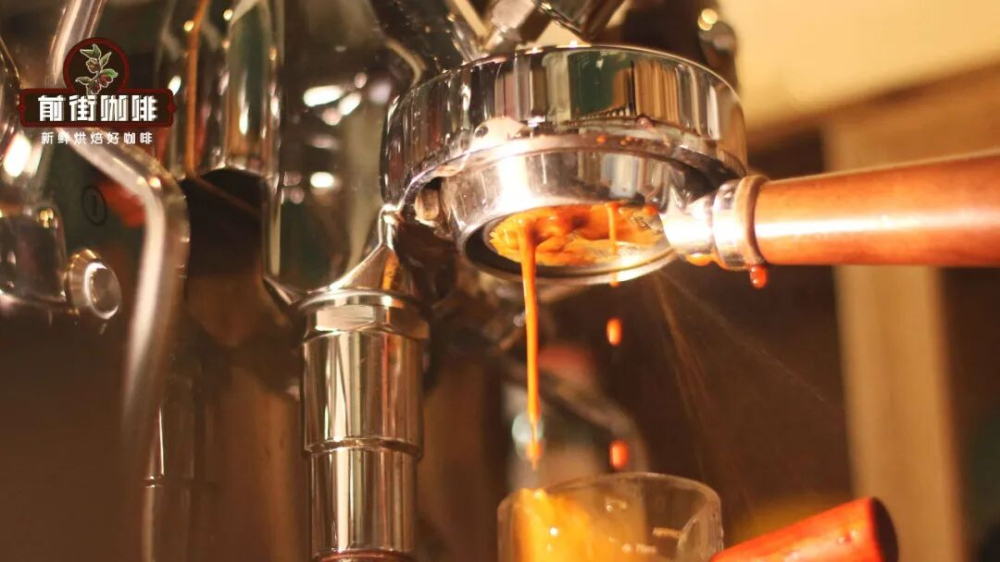
To brew an ideal cup of SOE espresso, it’s recommended to start with the basic formula of a '1:2 coffee-to-water ratio', keeping the extraction time between 25 to 35 seconds, while adjusting the grind size according to flow rate. For example, using 20 grams of coffee grounds to extract 40 grams of coffee liquid—if the extraction time is too short, it indicates the grind is too coarse and should be adjusted finer; if it finishes around 30 seconds, the grind size is generally appropriate.
Adjustment Suggestions Based on Different Flavor Profiles
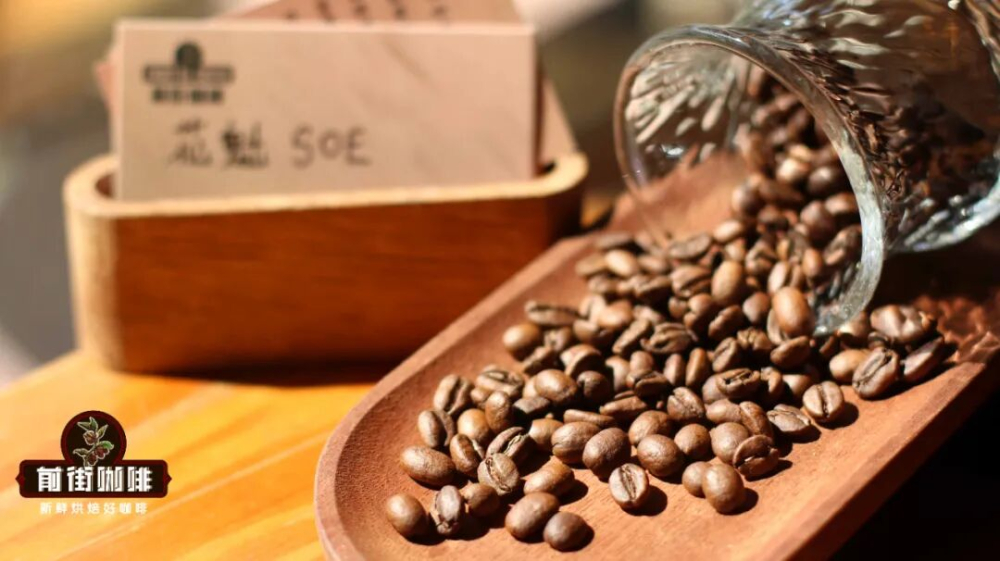
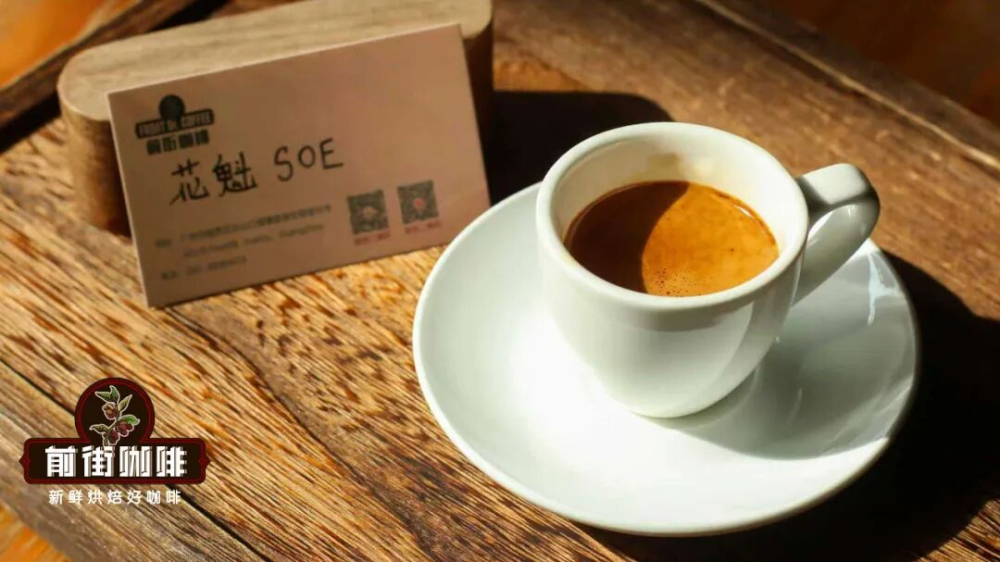
If using medium-light roasted Ethiopian beans with flavors mainly of flowers, fruit acidity, and berries, the espresso may have thinner crema. You can increase the coffee grounds by about 0.3 to 0.5 grams to enhance the aroma. For example, using 20.5 grams of Huakui SOE to extract 40 grams of coffee liquid can improve the refreshing acidity and sweetness of the Americano and the aroma of the latte.
For fruity beans with fermentation notes, consider increasing the extraction yield by 3 to 5 grams to boost sweetness and aftertaste; if making a latte, you can moderately reduce the amount of milk to make the single-origin bean’s aroma stand out more.
If using medium-dark roasted beans and encountering negative flavors like smokiness or charred notes, it may be due to over-extraction—recommend reducing the extraction yield by 3 to 5 grams. Conversely, if the aroma is lacking and acidity is pronounced, adjust the grind finer and extend the extraction time by 2 to 3 seconds to achieve a more balanced flavor.

The above content is compiled by CoffeeHunters, a coffee news website.


