








Introduction:Delve into the unique advantages of Brazil as the world’s largest coffee-producing country — from the evolution of the Bourbon variety, the characteristics of core regions like Minas Gerais and São Paulo, to the flavor impact of pulped natural and natural processing methods. This article offers professional-level roasting advice and pour over parameters, analyzing the classic flavor profiles of Red Bourbon and Yellow Bourbon to help coffee enthusiasts build a systematic bean selection knowledge base.
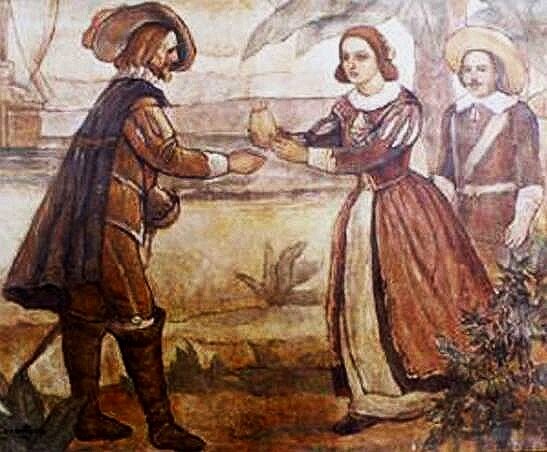
Brazil's Global Influence in the Coffee IndustryOriginating from an accidental introduction in the 18th century. Coffee seeds brought by a Portuguese naval officer from French Guiana quickly thrived in Brazil’s fertile highlands, giving rise to the massive scale that now accounts for one-third of global production. Despite frequent threats from drought and frost, its equator-spanning cultivation belt remains at the heart of the world supply chain — even minor anomalies in small producing regions can influence international futures markets.
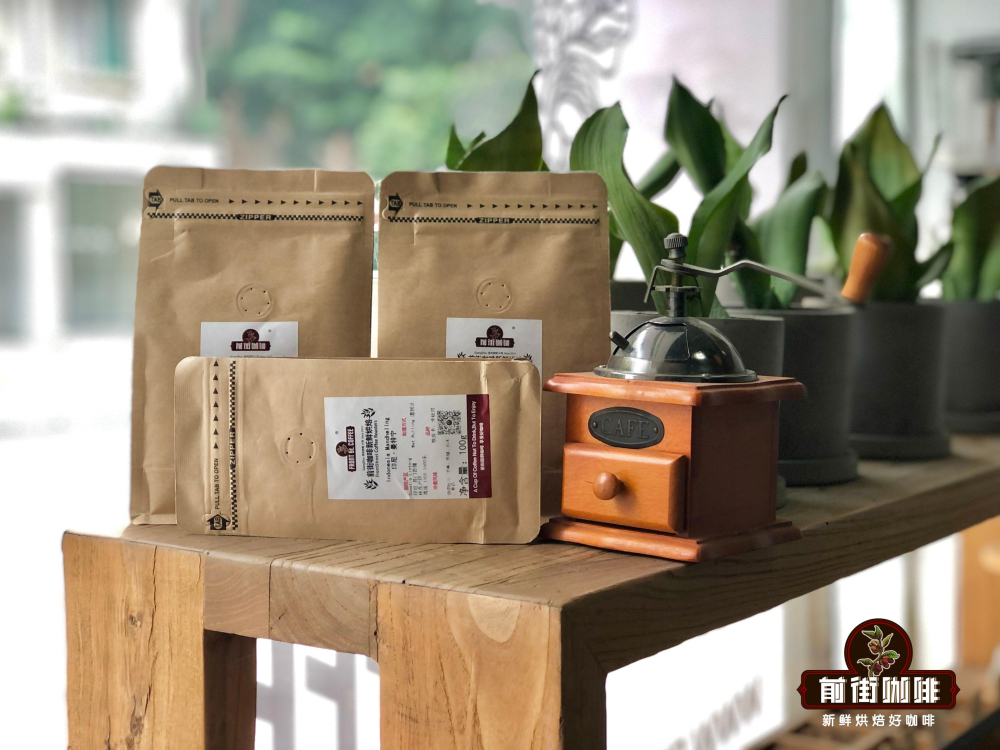
The key to varietal innovation lies in the 19th century:Bourbon VarietyIntroduced from Réunion Island, it gradually replaced the traditional Typica as the mainstream variety due to its strong disease resistance and high yield.Brazil’s unique sun-drying cultivation methodenables coffee cherries to rapidly accumulate sugars, resulting in a uniquely mild acidity and rich body. Observing the raw beans reveals that Brazilian beans generally have lower density, and when ground with a hand grinder, they show noticeably less resistance compared to beans from high-altitude regions.
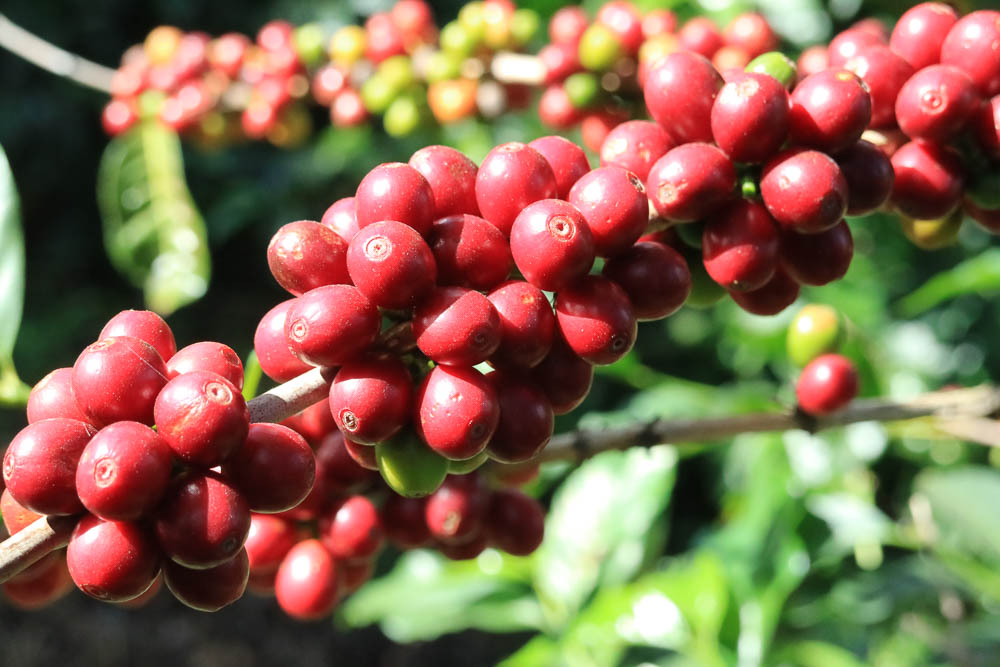 Regional differences create distinct flavor boundaries. TheCerrado sub-region in Minas Gerais(the first in Brazil to receive origin certification) sits at an altitude of around 1,000 meters and employs the pulped natural processing method (retaining some mucilage), developing its signature nutty profile.Key Differences in Processing Methodslie in: washed processing enhances clear regional characteristics, while pulped natural adds sweetness and body through mucilage fermentation — honey processing is essentially an evolved variation of this.
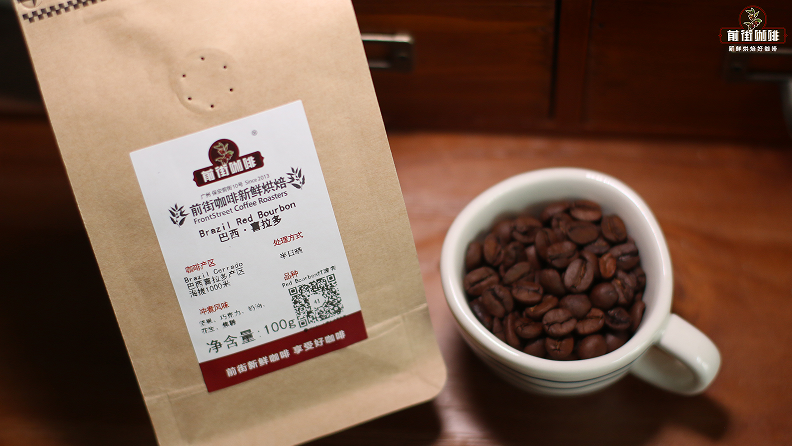
Red Bourbon varieties in Brazil are mostly subjected tomedium-depth roasting(Agtron value around #55). Suggested pour over parameters: 88°C water temperature, medium-coarse grind (75% passing rate through a #20 sieve), KONO filter cup with a three-pour technique. This combination highlights its classic caramel sweetness, creamy smooth mouthfeel, and the balanced layering of chocolate and nuts. Practical data shows that acidity levels under this roast remain within a pH range of 5.8–6.2, suitable for beginners to establish flavor recognition.
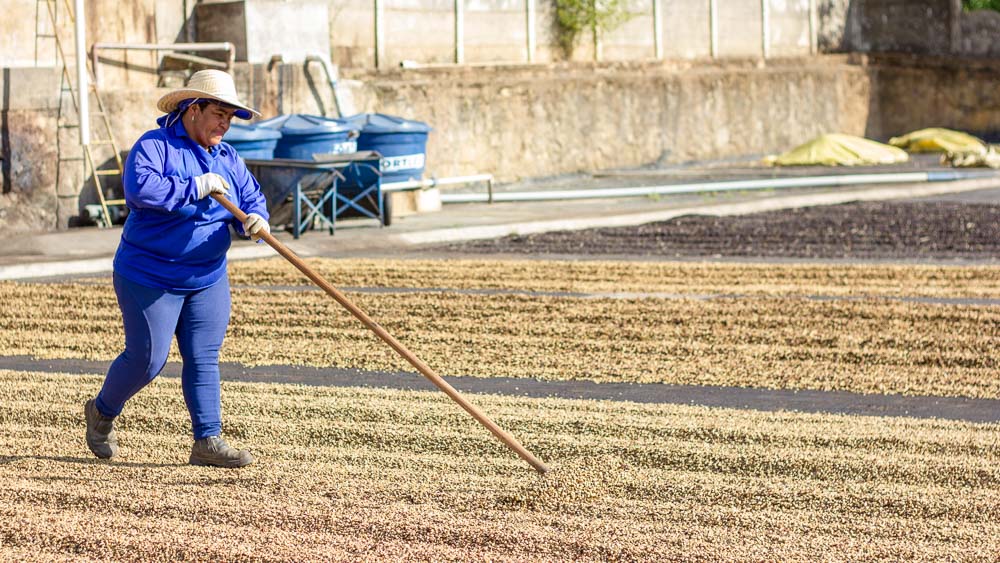
TheQueen’s Estate in São Paulo(over 200 of its 280 hectares dedicated to Yellow Bourbon) showcases high-altitude refined terroir. Planting altitudes of 1,400–1,950 meters extend the growth cycle, combined with small-batch natural processing (requiring three daily turnings and the use of raised drying beds), allowing the Yellow Bourbon — whose mucilage layer reaches 0.3mm thick — to release a richer sugarcane sweetness and lemony aroma.Risk management for natural processingincludes hourly monitoring of bean temperature (must stay below 42°C) and regular turning to prevent mold.
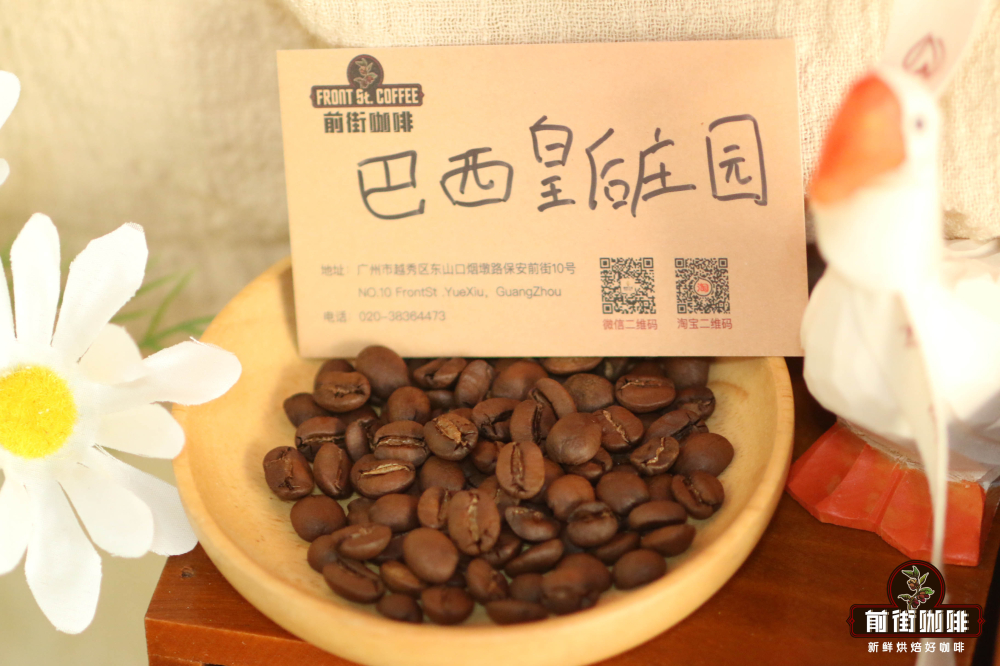
Key details in Yellow Bourbon processing:Harvest maturity must reach over 95% fully red fruit,and the drying time is typically extended to 18–21 days — 30% longer than standard methods. Professional roasters recommend this variety be suited for light-to-medium roasts (Agtron #65–70) to preserve more floral and fruity notes. When brewing, adjust the grind to medium-fine (80% passing rate) and increase water temperature to 90°C to enhance citrus aroma expression.
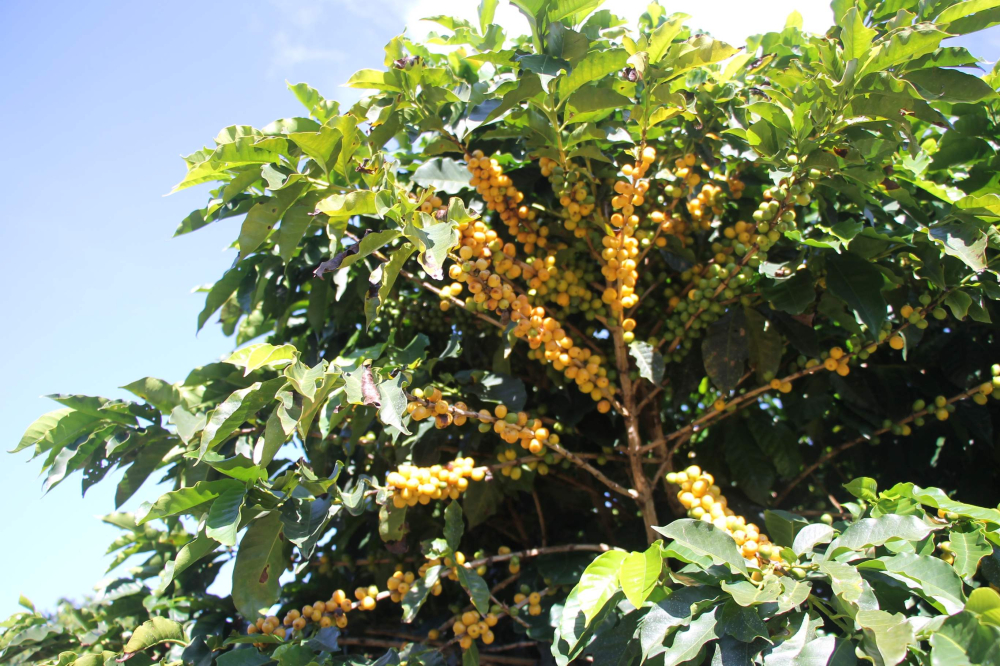
Characteristics of Brazil’s Coffee Grading System:Coffees are classified by altitude into Strictly Soft, Soft, and Hard, among others,with Minas Gerais mostly falling under Strictly Soft. Consumers should look for the “SHB” (Strictly High Grown) label, indicating origins above 1,200 meters. For processing labels, Pulped Natural refers to pulped natural, Natural to sun-dried, and Honey to various honey-processed variations.
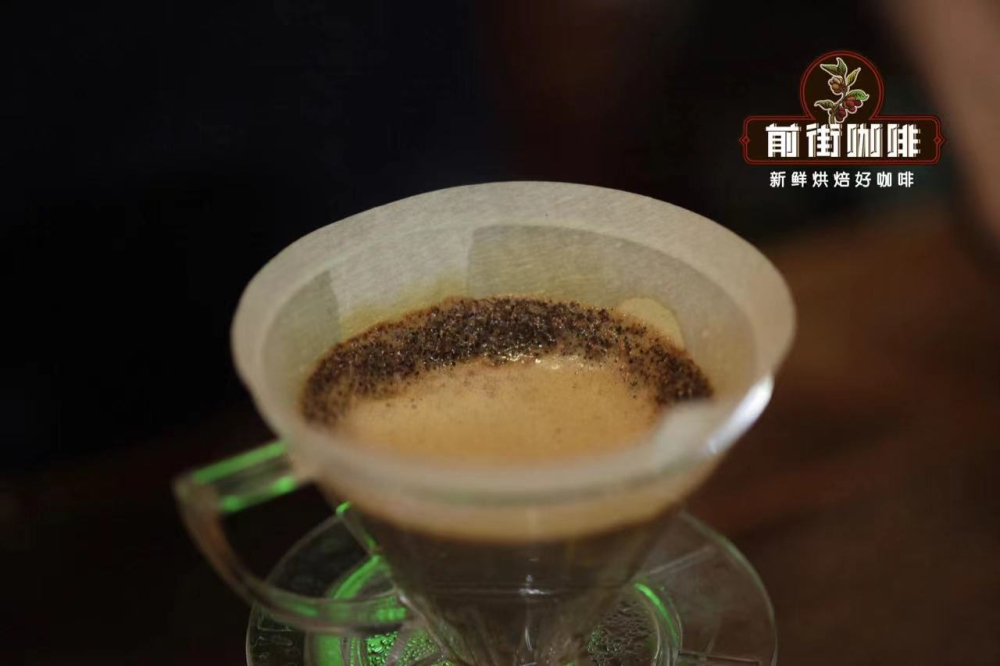
Flavor Profile Summary:Red Bourbon presents a nutty-chocolate main tone (caramel sweetness intensity 8/10), while Yellow Bourbon features citrus-honey characteristics (sweetness layering 9/10). For grinding, a conical burr grinder (such as Baratza V60) is recommended to reduce fine particle production and improve extraction uniformity. Extraction ratio is suggested at 1:15 to 1:16 — over-extraction may amplify the common woody off-notes in Brazilian beans.

The above content is compiled by CoffeeHunters, a coffee news website.

