







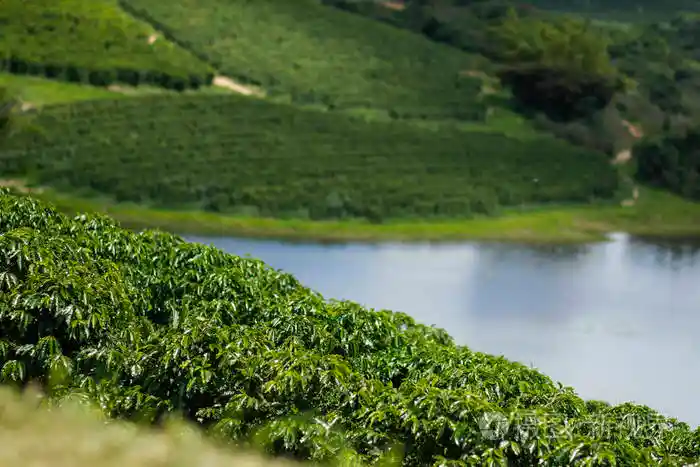
Introduction:Want to understand the unique charm of Brazilian coffee beans? This article delves into the characteristics of Brazil’s major coffee-growing regions, commonly cultivated varieties, and the typical flavor profiles of the country’s coffee. It also provides practical brewing parameter suggestions to help you better grasp the traits of beans from the world’s largest coffee-producing nation—whether you’re selecting or brewing your own, you’ll have a clearer direction.
Brazil’s Global Status in Coffee
As the world’s largest coffee producer, Brazil not only has a high output but also relatively stable coffee bean quality, making it a cornerstone for many espresso blends. Whether you’re drinking an espresso, latte, or cappuccino, there’s a good chance its base comes from Brazil. Compared to other regions that emphasize bright acidity and complex layers, Brazilian coffee is known for its low acidity, rich nutty and chocolatey notes, full body, and long-lasting aftertaste.
What Shapes the Flavor of Brazilian Coffee?
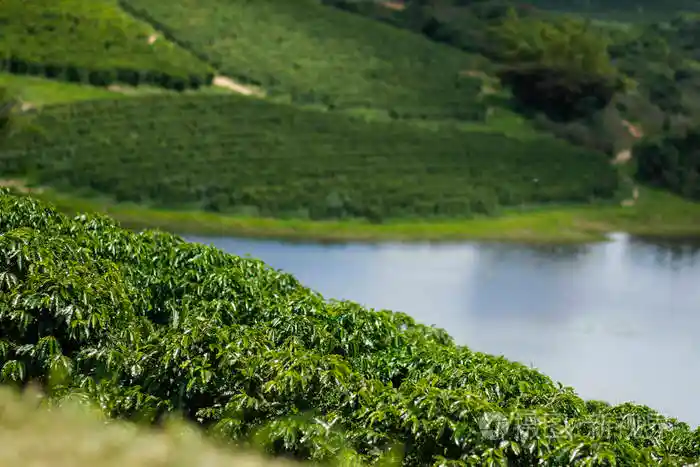
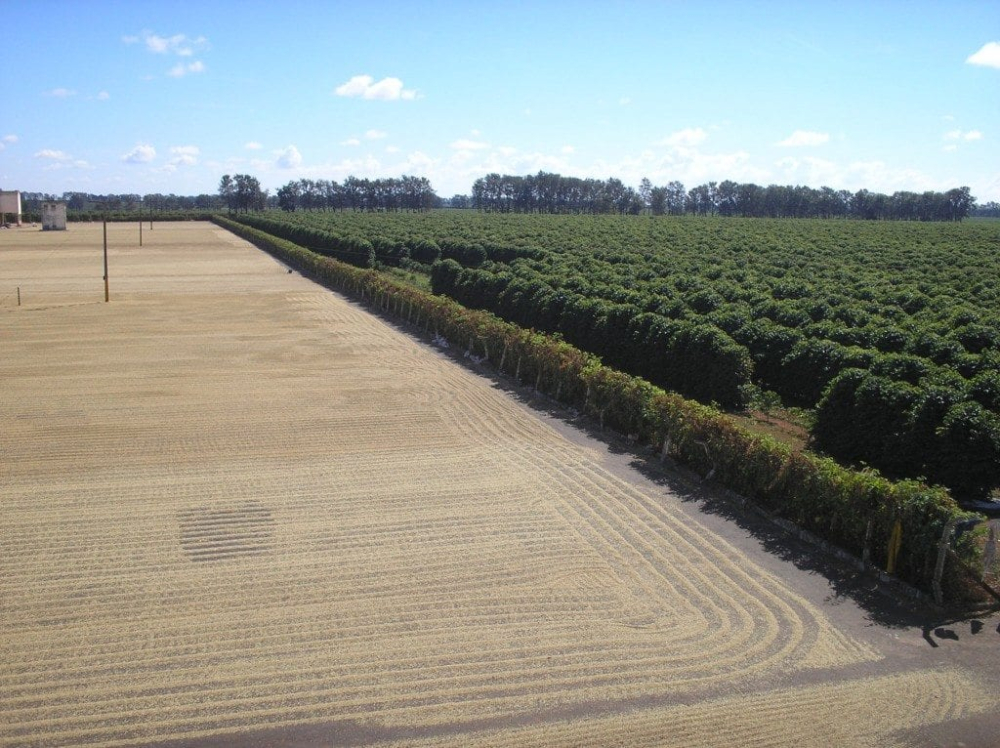
The unique flavor of Brazilian coffee is closely related to its geography and growing environment. Most of the country lies in the tropics, with climates dominated by savanna and tropical rainforest. However, unlike other Central and South American producing regions, Brazilian coffee is mostly grown at lower altitudes and generally employs unshaded, sun-grown cultivation methods. These conditions result in Brazilian beans typically having low acidity, pronounced sweetness, and rich nutty and chocolatey flavors.

Major Producing Regions and Their Characteristics
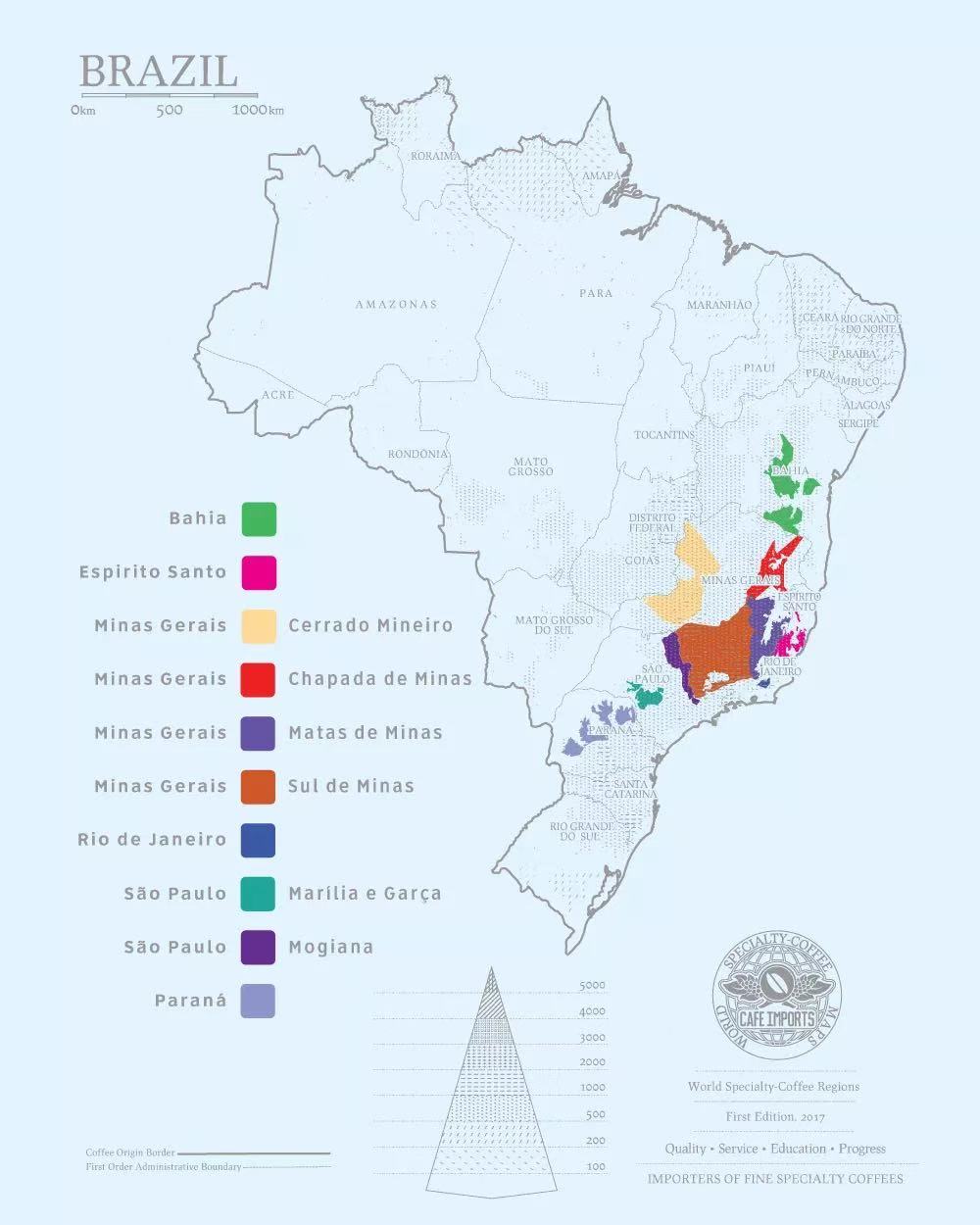
Brazil’s coffee-growing areas are primarily concentrated in the central-southern part of the country, spanning about seven states and over 14 regions. Well-known regions include Sul de Minas, Minas Mountains, Cerrado Mineiro, Cerrado, and Bahia Plateau. Among them, the Cerrado region stands out for its high-quality specialty coffee, distinguishing itself among many volume-focused producing areas.
Cerrado Region: A Representative of High Quality
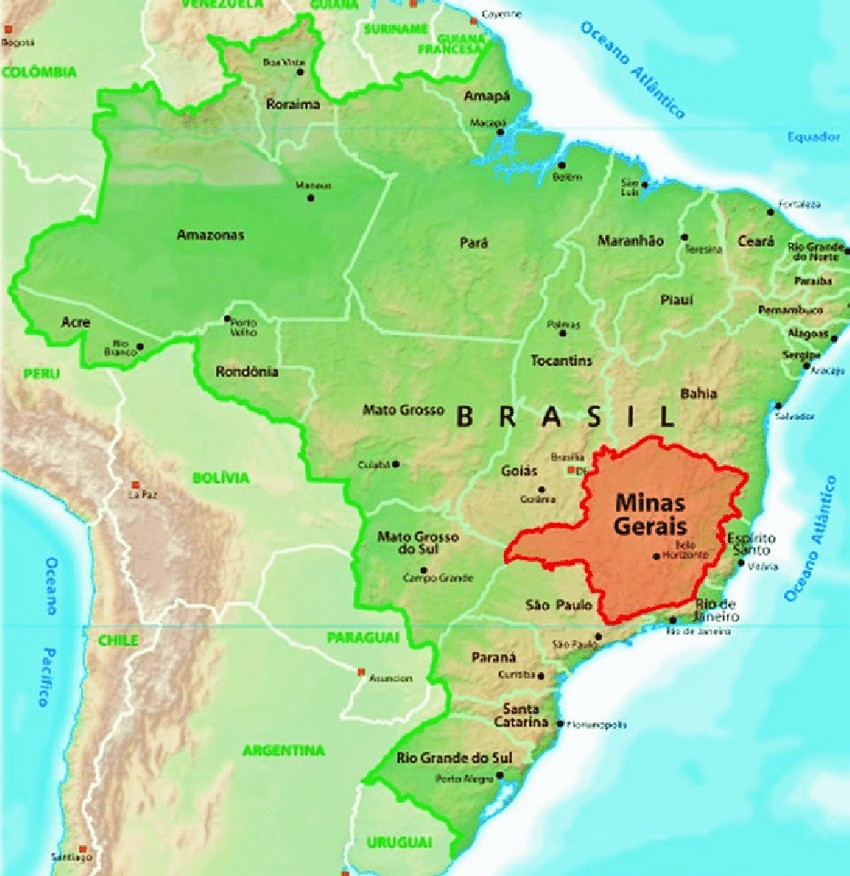
Cerrado is located in the highland plains of central Minas Gerais, Brazil, at an altitude of about 1,000 meters. It enjoys a climate with distinct wet and dry seasons and fertile soil. These conditions lead to uniform ripening of coffee cherries in the area, producing beans with high body, low acidity, and distinct nutty and caramel sweetness. Cerrado coffee is usually processed using washed or semi-washed methods, resulting in clean, well-layered flavors, with aftertastes often featuring delicate notes of genmaicha or milk.
Main Cultivated Varieties in Brazil
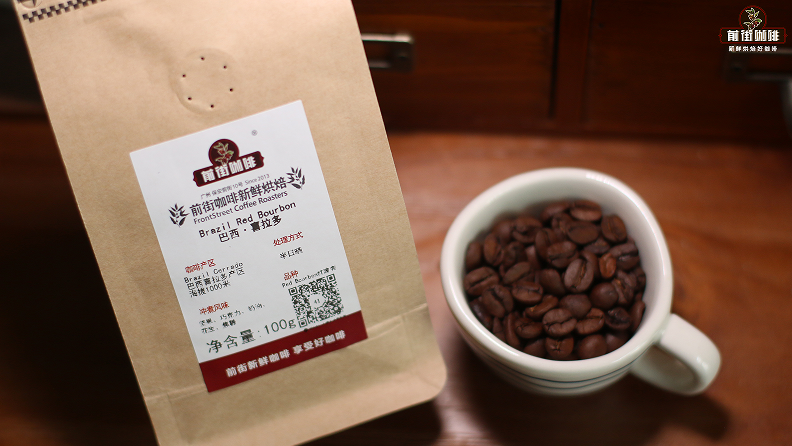
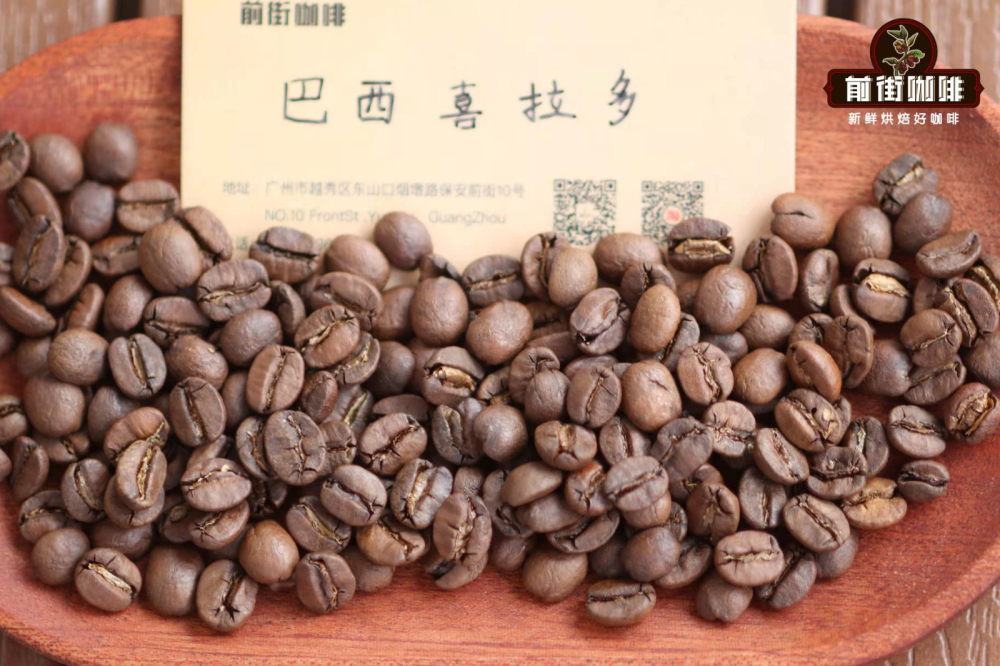
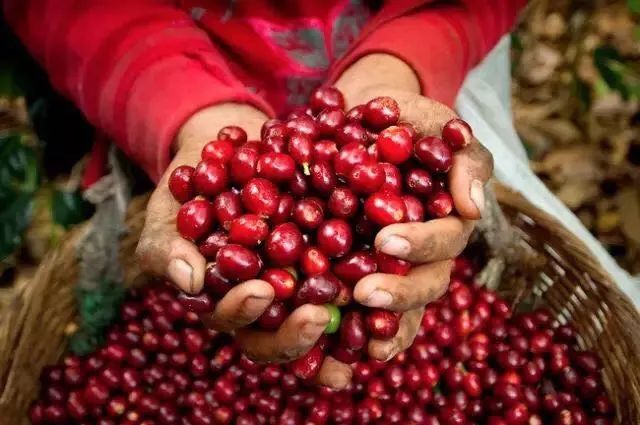
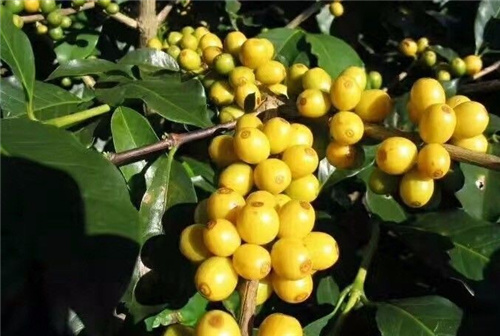
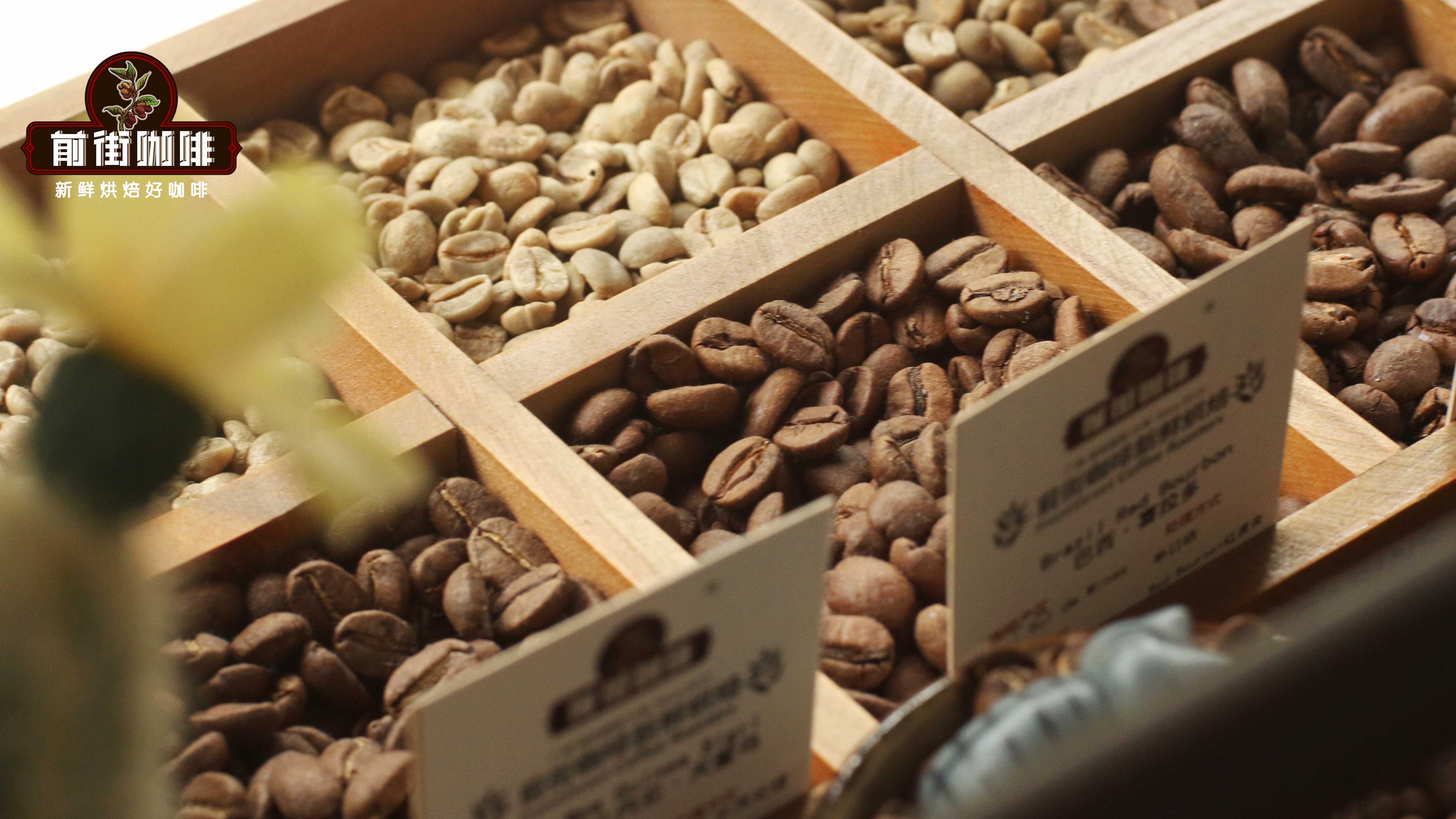
The most widely planted coffee variety in Brazil is Bourbon, which originates from Typica and features round, plump beans. Among them, Red Bourbon, with its red-colored fruit when ripe, generally offers brighter aromas and softer acidity, making it one of the most common varieties in Brazil. Yellow Bourbon is a mutation where the fruit turns orange-yellow upon ripening, and its flavor profile leans more toward chocolate and nutty notes, with soft acidity and an overall balanced elegance.
Common Processing Methods and Innovative Techniques
In the past, Brazil commonly used traditional natural (sun-dried) processing, but this method was prone to weather-related issues leading to off-flavors such as earthy or moldy notes. Since the 1990s, Brazil has gradually promoted the pulped natural (semi-washed) processing method, which involves removing the coffee fruit’s skin and pulp but retaining some mucilage before sun-drying. This approach effectively reduces unwanted flavors while enhancing sweetness and fruity notes, making it well-suited to highlight the inherent body of Brazilian beans. Some high-quality beans from Cerrado also use this technique, delivering more refined flavor profiles.
Practical Brewing Parameter Suggestions
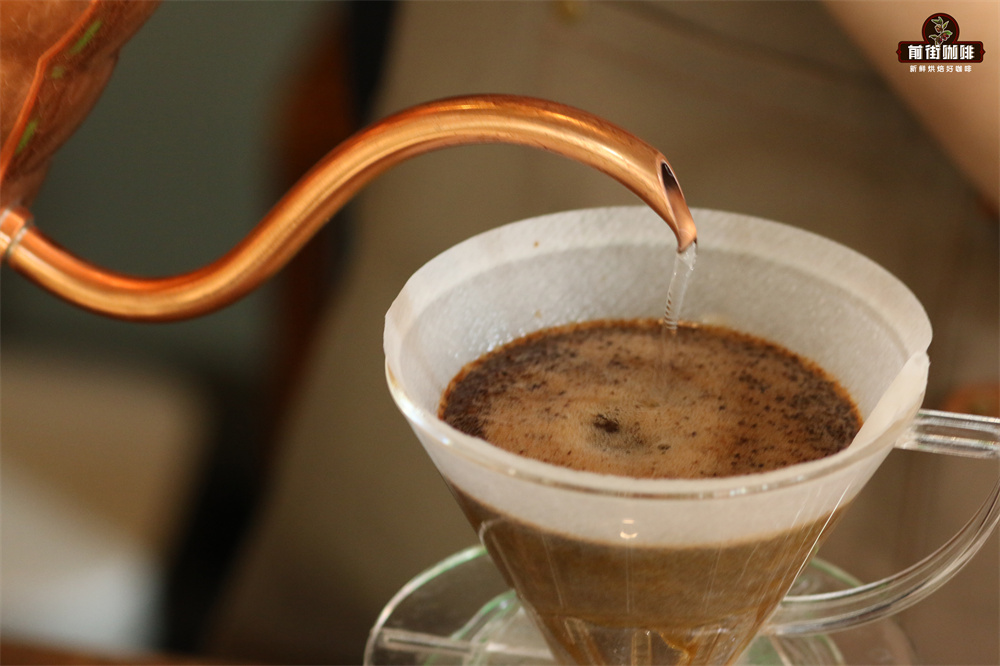
To fully showcase the body and low acidity of Brazilian coffee, it is recommended to use a medium-coarse grind (e.g., about 75% passing through a Chinese No. 20 sieve), with a 1:15 coffee-to-water ratio. You can use a KONO filter, brewing with water at 88°C. The extraction is done via pulse pouring: start with a bloom using double the amount of water (about 30 grams) for 30 seconds, then pour in small streams until reaching 125 grams for the first pause, followed by continuing to pour up to a total of 225 grams. The total extraction time is approximately 2 minutes. These parameters help extend the contact time between water and coffee grounds, enhance body, and avoid over-extraction.
Flavor Profile Variations
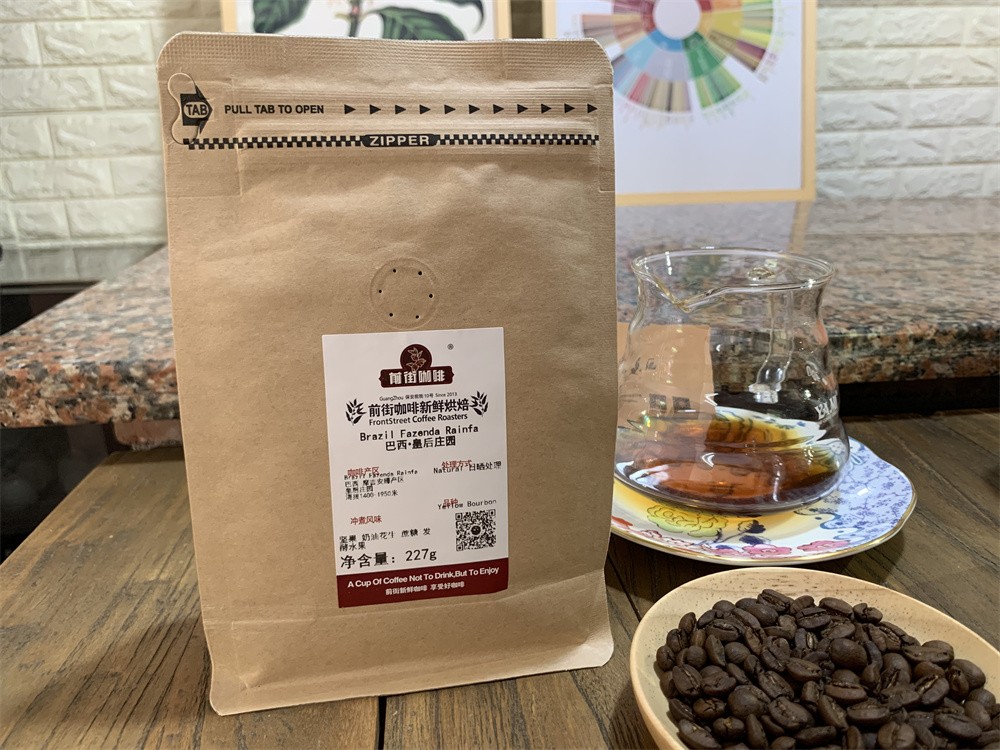
Cerrado coffee processed with the pulped natural method often exhibits pronounced sweetness, with fresh citrus-like aromas, rich nuttiness, and a finish that carries the depth and smoothness of dark chocolate. Meanwhile, naturally processed beans from estates like Queen Estate display a rounder mouthfeel, dominated by almond and cocoa notes paired with distinct cane sugar sweetness, resulting in an overall full and sweet profile. Different processing methods and regional Brazilian beans can offer diverse yet consistently balanced flavors.
Conclusion: Why Choose Brazilian Coffee?
With its stable quality and suitability for various brewing methods, Brazilian coffee beans have become an important choice for many coffee enthusiasts and professional shops. Whether as a daily drinker, blend base, or single-origin experience, it delivers a full-bodied, low-acid, and layered taste. If you’re looking to explore coffee with balanced flavors and great value, Brazilian beans are definitely worth exploring and trying.
The above content is compiled by CoffeeHunters, a coffee news website.

