








Introduction:Jamaican Blue Mountain coffee is renowned worldwide for its delicate, balanced flavor and noble pedigree, making it a dream brew for many coffee enthusiasts. This article delves into the growing environment of Blue Mountain coffee, its official grading standards, explains what constitutes genuine Blue Mountain No. 1, and shares expert pour over recommendations and flavor profiles to help you master everything from selection to brewing and fully appreciate the most authentic Blue Mountain taste.

Blue Mountain coffee is hailed as one of the world’s top-tier coffees, with its balanced and full-bodied taste long praised by coffee connoisseurs. This classic coffee from Jamaica not only boasts unique regional characteristics but also gains rarity due to its strictly controlled growing environment. A deeper understanding of Blue Mountain coffee can help you truly grasp what a high-quality coffee experience entails.
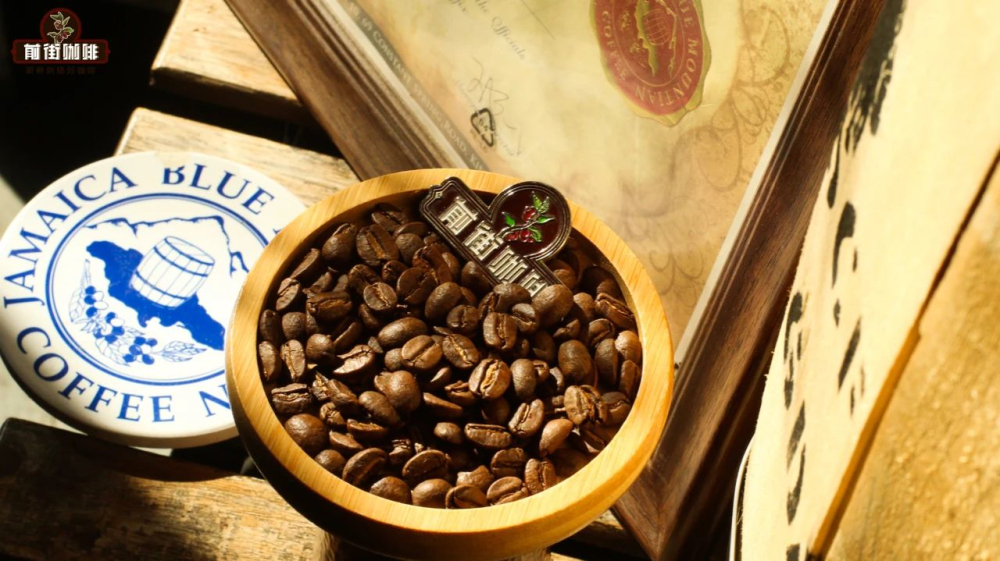
The Blue Mountains of Jamaica are located in the eastern part of the country, named for the blue-tinted light that blends sea and sky against the mountaintops. The highest peak of the range reaches an elevation of 2,256 meters, making it one of the tallest in the Caribbean. However, not the entire mountain range is suitable for coffee cultivation. According to local regulations, only coffee grown at altitudes between 910 and 1,700 meters qualifies as "Jamaican Blue Mountain coffee." This zone enjoys a cool, foggy climate with abundant rainfall and fertile volcanic soil, all of which create the unparalleled flavor foundation of Blue Mountain coffee.
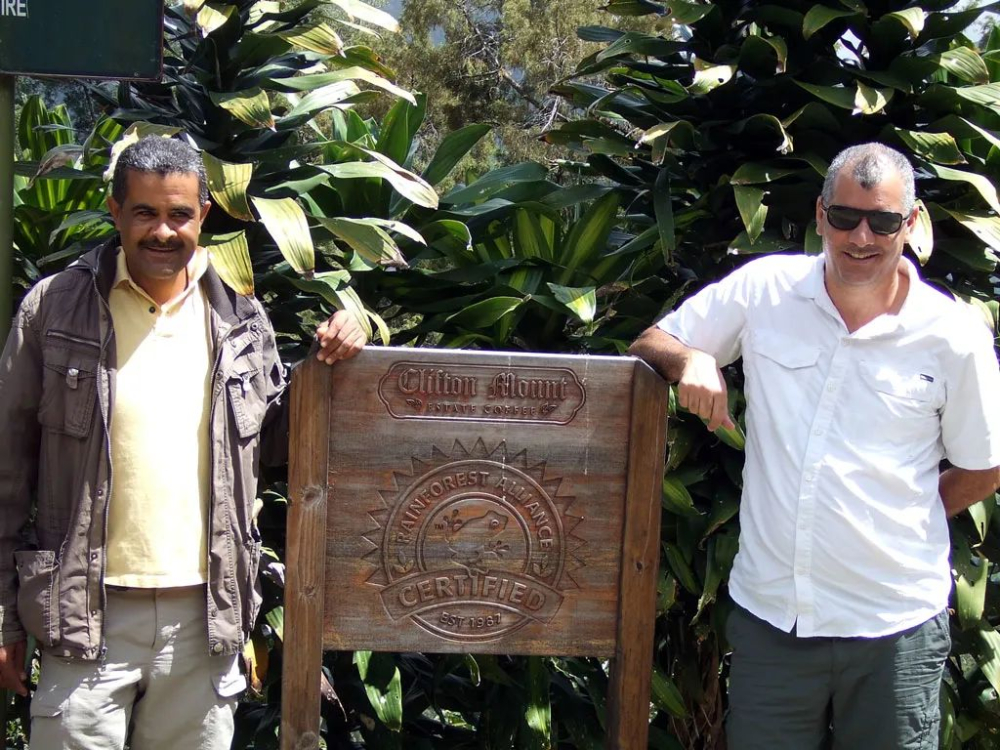
True Blue Mountain coffee must meet multiple stringent criteria. Under the grading system of the Jamaican Coffee Industry Board (CIB), Blue Mountain coffee is divided into four grades based on altitude and bean size: Blue Mountain No. 1, Blue Mountain No. 2, Blue Mountain No. 3, and Blue Mountain Peaberry. Among these, Blue Mountain No. 1 is the most commonly available and highly rated grade, requiring coffee cherries to be at least 17 mesh in size with a defect rate no higher than 2%. These standards ensure the high quality and consistency of every Blue Mountain coffee bean.
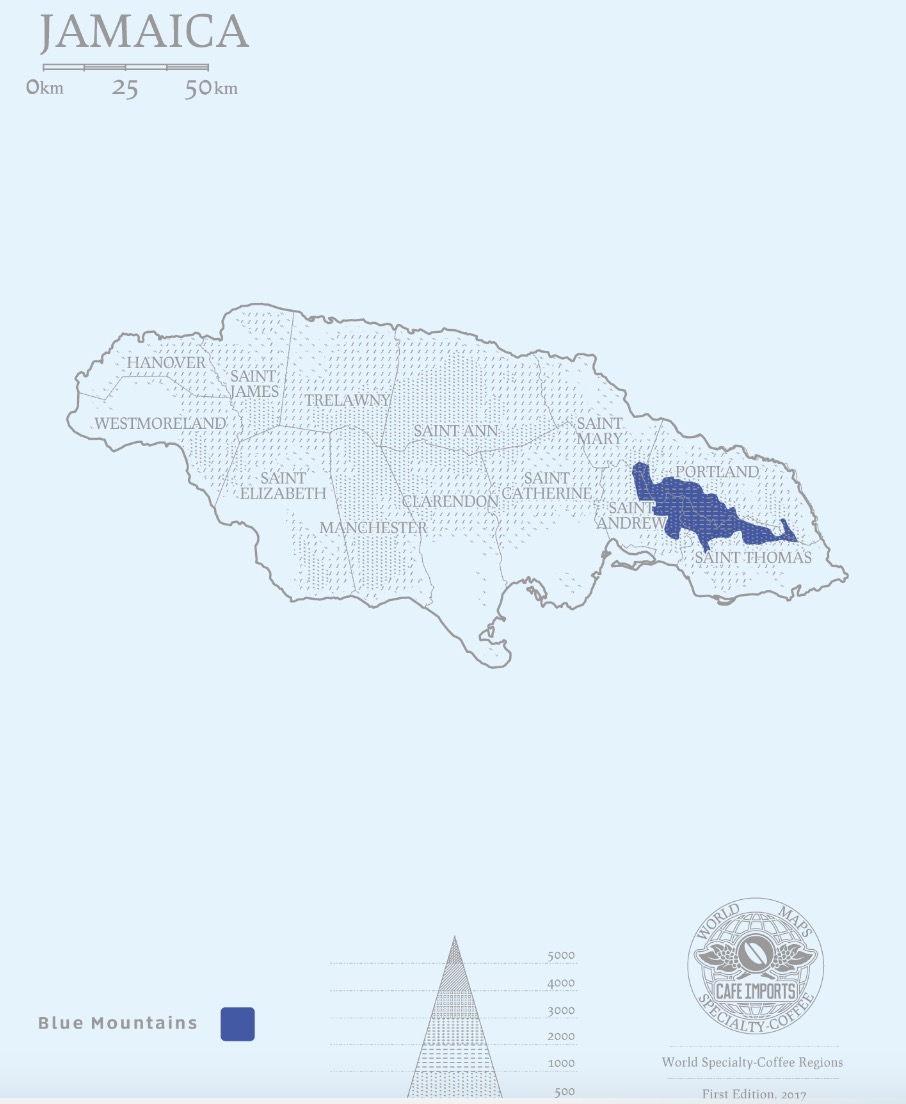
It is worth noting that not all coffee grown in the Blue Mountains can be called Blue Mountain coffee. Areas below 910 meters are classified as "Jamaica High Mountain Coffee" (460–910 meters) and "Jamaica Prime Coffee" (below 460 meters). While these coffees also maintain a certain standard, they differ significantly from Blue Mountain coffee in both flavor and market positioning. The limited cultivation area of true Blue Mountain coffee also contributes to its reputation for rarity and excellence.
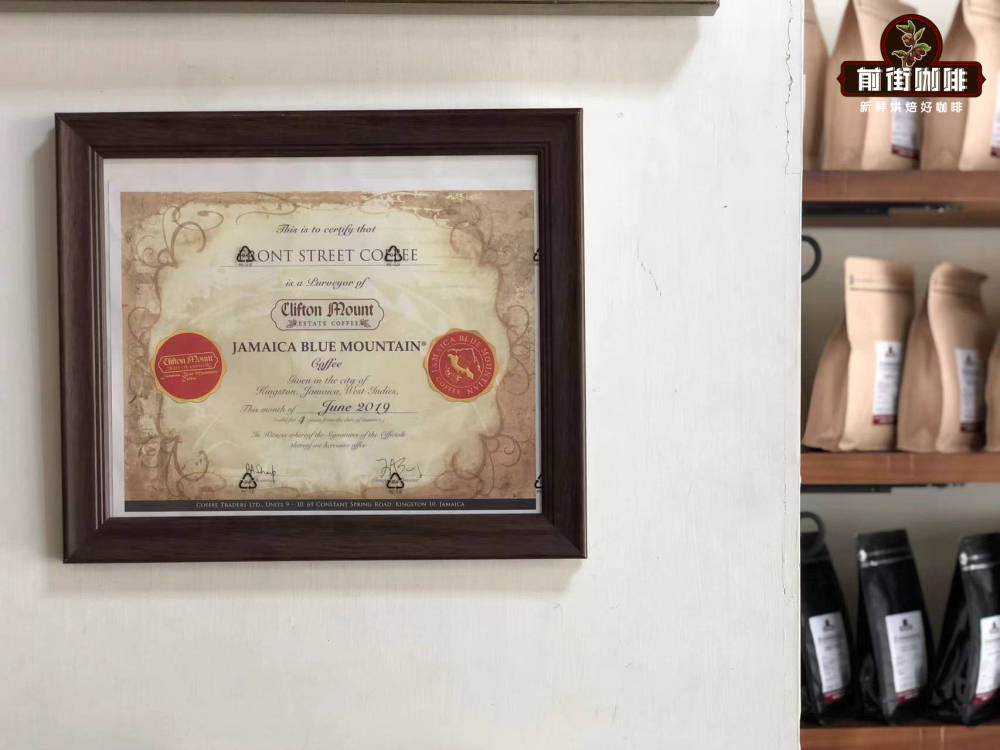
How can you identify genuine Blue Mountain coffee? First, authentic Blue Mountain coffee consists solely of single-origin Arabica Typica beans, not the common blended varieties found on the market. Additionally, according to Jamaican government regulations, all exported Blue Mountain coffee beans must be shipped in wooden barrels and accompanied by three official certificates: the Jamaica Coffee Board Quality Certification, the Producer’s Authorized Sales Certificate, and the Blue Mountain Coffee Origin Certificate. These documents are key proof of the coffee’s origin and quality, and should be carefully checked when purchasing.
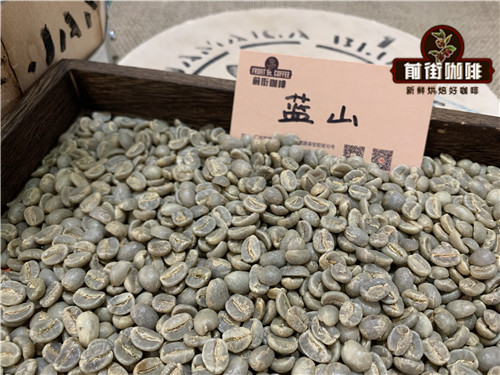
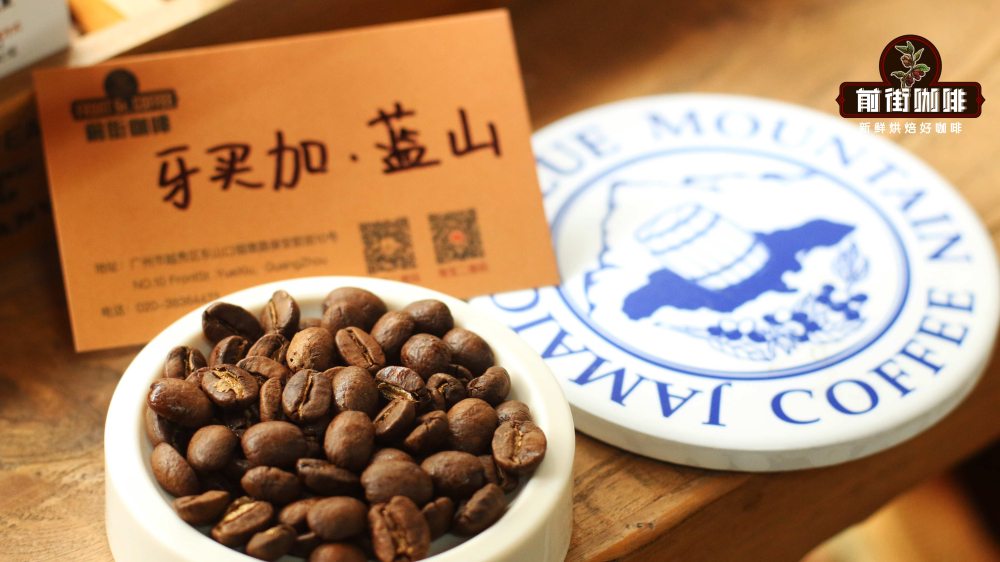
In the marketplace, many instant coffees or blends labeled as having a "Blue Mountain flavor" do not actually come from the Jamaican Blue Mountains. These products often simulate the taste of Blue Mountain through dark roasting and spice blending, which is vastly different from the naturally balanced flavor of true Blue Mountain coffee. To experience the authentic charm of Blue Mountain, it is recommended to choose Blue Mountain No. 1 from officially certified regions that meets grading standards and comes with complete export documentation—ensuring every sip is genuinely Blue Mountain.
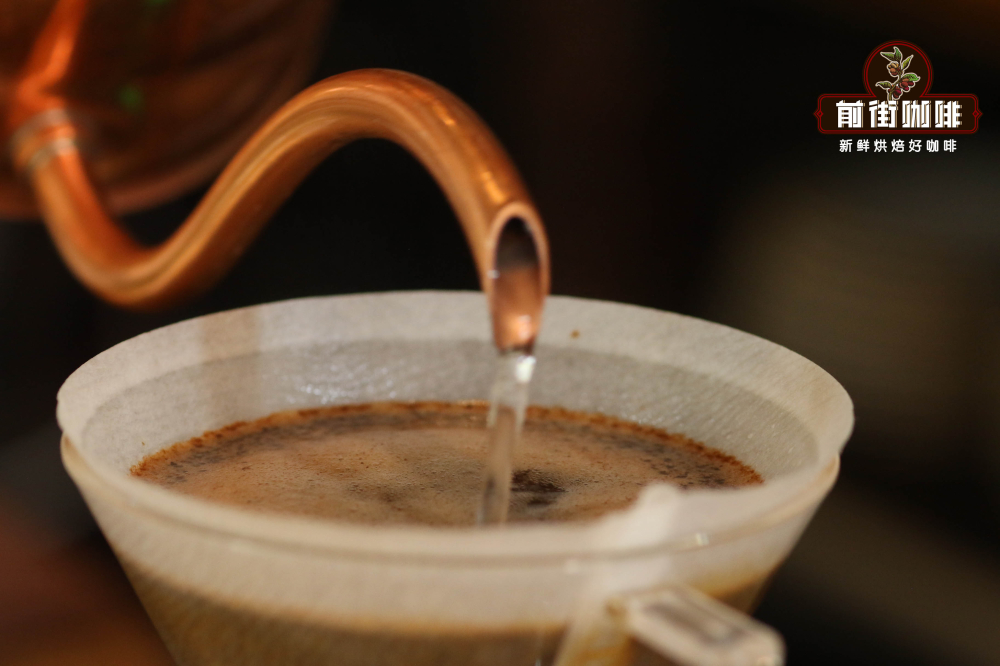
For coffee lovers who prefer pour over brewing, it is recommended to use a Kono dripper, with a water temperature of 88°C, a 1:15 coffee-to-water ratio, and a medium-fine grind passing through a 20-mesh sieve at 70–75% (approximately 15 grams of coffee). The specific steps include: first pouring 30 grams of water for a 30-second bloom, then adding water up to 125 grams. When the coffee liquid level drops halfway, continue pouring up to 225 grams to complete the extraction, with a total time of about 2 minutes and 10 seconds. This parameter can fully highlight the nutty and dark chocolate notes of Blue Mountain coffee, while delivering a buttery-smooth mouthfeel.
The flavor profile of Blue Mountain No. 1 is dominated by rich dark chocolate and nutty aromas, with excellent balance between acidity, sweetness, and bitterness. There is almost no noticeable harsh bitterness, but rather subtle layers of fruit acidity. This harmonious taste profile makes it a benchmark for many coffee professionals. Whether you are new to high-quality coffee or already a seasoned enthusiast, Blue Mountain No. 1 offers a refined and unforgettable flavor journey.
The above content is compiled by CoffeeHunters, a coffee news website.

