







Introduction:Want to dive deeper into the grading classifications and unique flavor profiles of Kenyan coffee beans? This article provides a detailed explanation of the origins and grading standards of Kenya AA and PB grades, as well as the market positioning of each grade. It also offers a flavor comparison between Kenyan PB peaberry and AA flat beans, along with practical roasting and pour over parameters to help you find your own Kenyan coffee experience.
Kenyan coffee has long enjoyed high acclaim in the global specialty coffee market, especially its AA and PB grade beans, which are often regarded as representatives of exceptional flavor performance. However, many coffee beginners are puzzled by the letter labels such as 'AA' and 'PB'. These are actually official grading codes used in Kenya to differentiate green bean size, processing quality, and expected flavor characteristics.
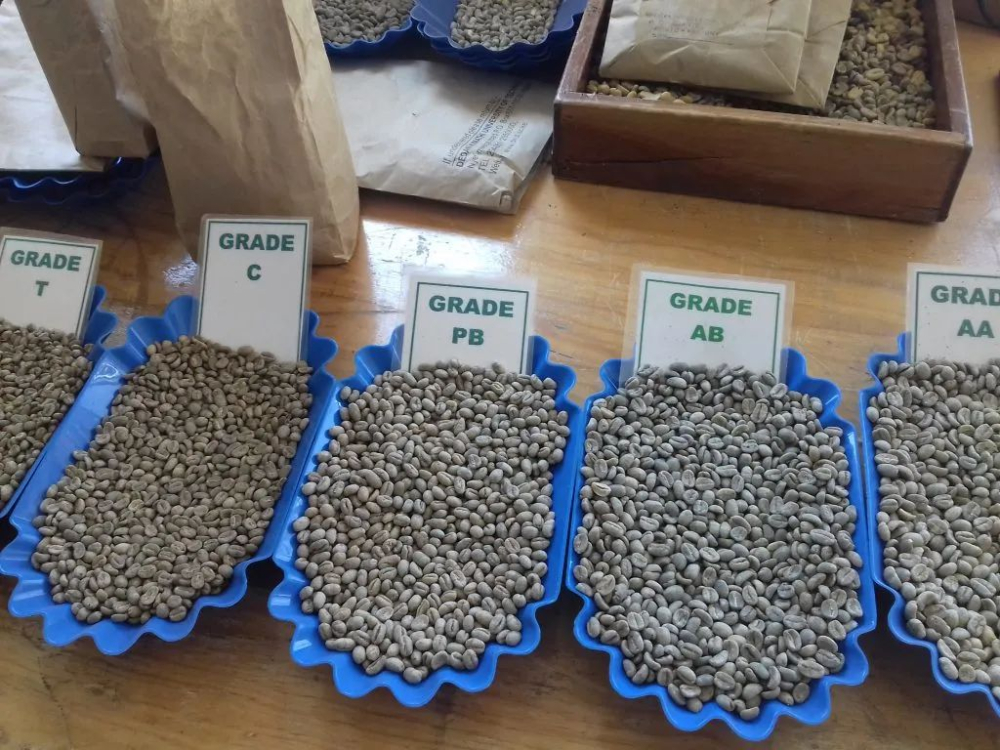
The Kenyan coffee grading system is primarily based on green bean size. This grading helps ensure even heat transfer during roasting, avoiding uneven roasting due to differences in bean size. Common Kenyan coffee grades include: E (Elephant bean), PB (Peaberry), AA, AB, C, TT, T, MH/ML. Among them, Grade E consists of the largest coffee beans, while PB beans are round beans formed because only one coffee bean (usually two) develops inside the coffee cherry, occurring in only about 5% of cases. AA refers to carefully selected large beans with a screen size of 18 or above, typically grown at high altitudes above 1,700 to 2,000 meters, and are known for their intense acidity and rich fruity notes.
Grade AB has a screen size of 16, consisting of a mix of beans from Grade A and Grade B. Grade A uses a 6.8 mm screen, while Grade B uses a 6.2 mm screen. Grade C is around screen size 15, considered medium to small in size; TT grade consists of heavier-density beans removed from AA, AB, and E grades via air classification machines, usually with lower density; Grade T includes smaller beans that are broken or have obvious defects; MH/ML are underripe beans, usually with more muted or unbalanced flavors.
Among the various grades, Kenyan AA and PB are often compared not only because they are more commonly found in the market, but also because they each exhibit distinctly different flavor personalities. Next, we will take an in-depth look at a PB peaberry from Kenya’s Nyeri region to understand its origin background, processing method, and actual cupping performance.
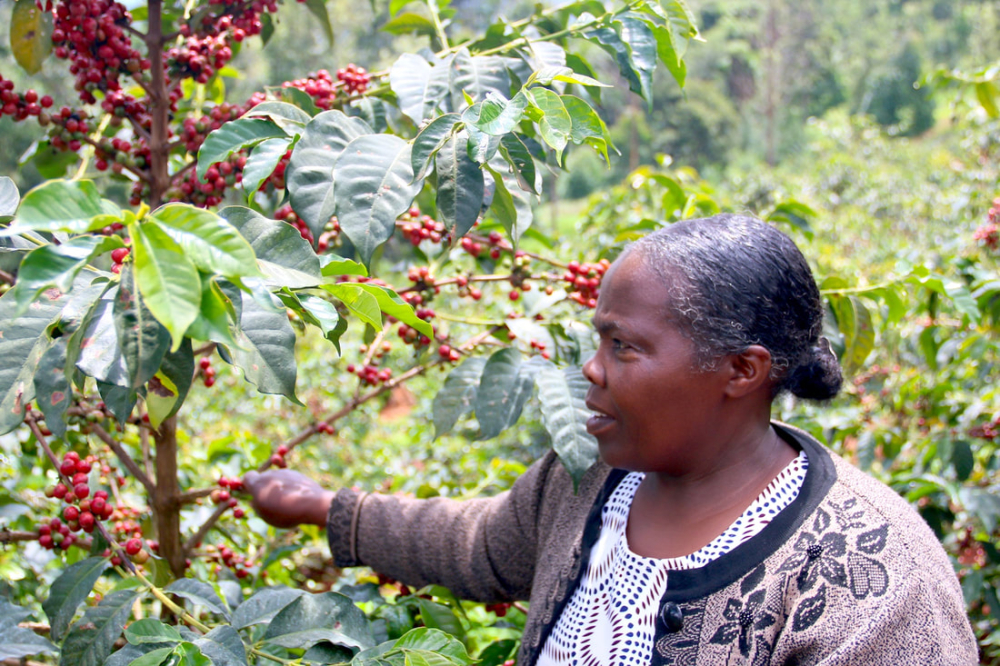
This Kenyan peaberry is produced in Karima Village, Nyeri region, by the Ichamama processing factory under the Othaya Farmers' Cooperative Society, which is formed by local smallholder farmers. The growing altitude is approximately 1,700 to 1,750 meters, and the main varieties planted are the classic Kenyan SL28 and SL34, known for their strong acidity, rich berry tones, and full-bodied mouthfeel.
The region has a cool climate with significant day-night temperature variations, and the soil is mineral-rich volcanic soil. The harvest season is concentrated from November each year to January of the following year, which helps the coffee cherries mature slowly and accumulate more flavor compounds. The green beans are processed using washed and African-style raised bed sun drying methods. First, they undergo water sorting to remove impurities and unripe beans, then a washed fermentation process removes the mucilage, and finally, they are sun-dried on raised beds to ensure a stable and even drying process.
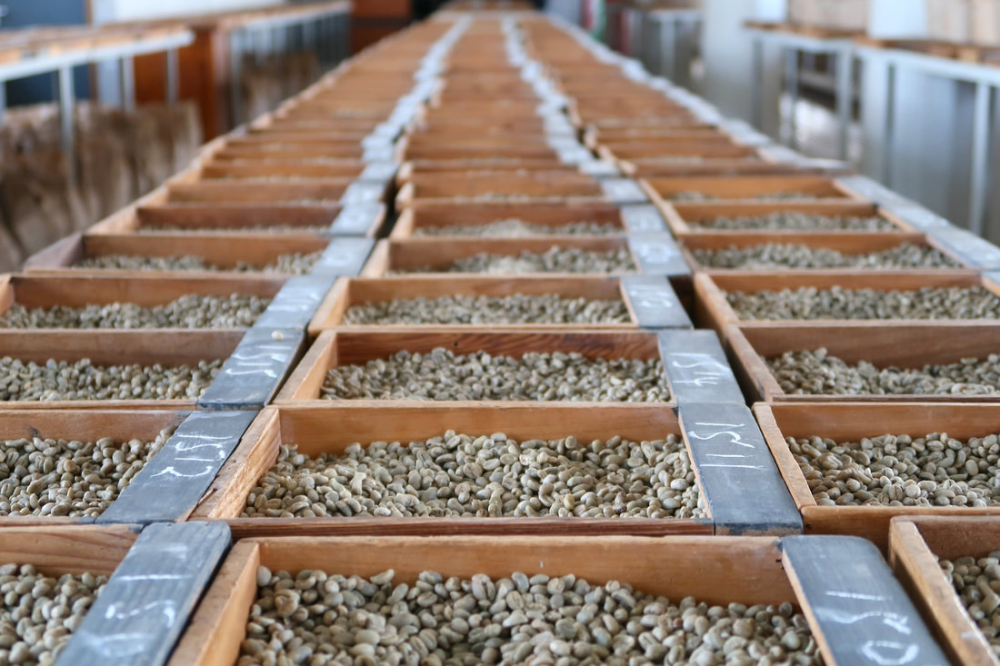
The processing and grading of Kenyan coffee are both carried out by the official Coffee Board. Farmer cooperatives send the harvested coffee to processing factories, which are then collectively delivered to the Coffee Board for quality evaluation and grading. Every Tuesday, the official body holds the NCE auction in the capital, Nairobi, showcasing samples and conducting auctions for global buyers. The Othaya Cooperative was established in 1956 and currently has about 14,000 members, making it one of the largest cooperative organizations in central Kenya. It has been Fair Trade certified. The cooperative owns 19 processing factories and has a dedicated laboratory and nursery dedicated to new variety development and agronomic research. Some members can even export coffee directly through KCCE without going through the auction process.

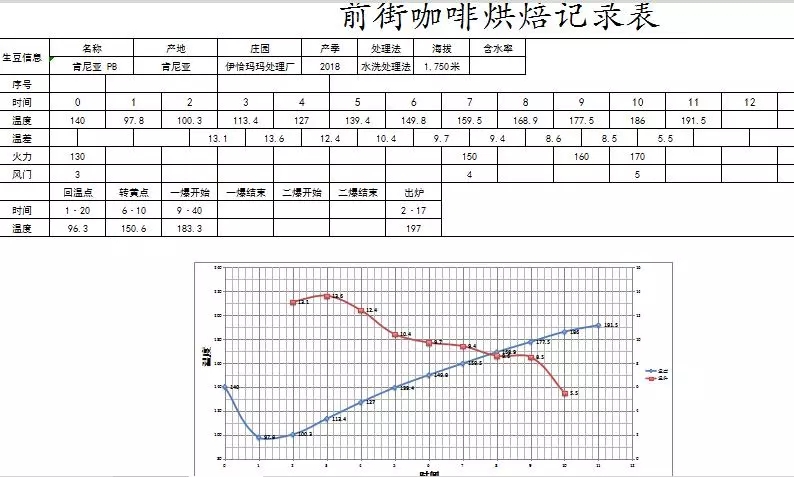
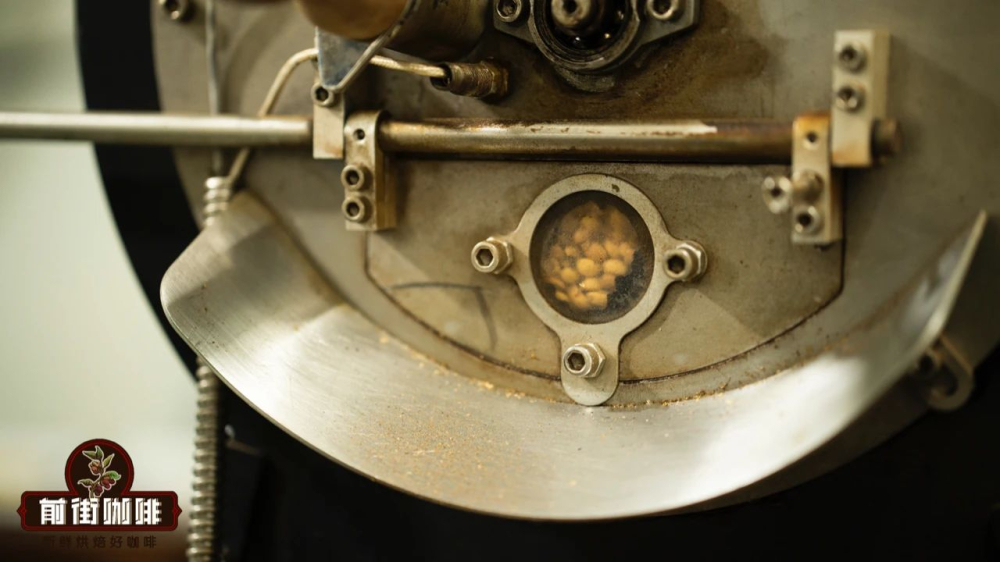
For this Ichamama Pearl Peaberry, we designed multiple roasting profiles to explore its potential. The green beans have a vibrant green appearance, high moisture content, and dense bean structure. Although peaberries roll evenly in the roasting drum, their high density makes it difficult for heat to penetrate. Therefore, we specifically extended the drying phase to ensure the core of the bean is also evenly heated. During the first crack stage, we used higher heat to fully bring out its berry tones and full body.
In actual roasting tests, we conducted four roasts, using strategies including FSSF (fast-in slow-out), increasing heat at the yellowing point to promote Maillard reactions, increasing heat at the browning point to enhance caramelization, and SSFF (slow-in fast-out) with gradual heat increase. Observations showed that reducing heat led to insufficient development and greenish, grassy aromas, while the three roasts with increased heat exhibited more ideal black plum, blackcurrant, and sugarcane sweetness. After cupping comparisons, the second, third, and fourth roast curves all effectively highlighted its berry and cocoa flavors, with the combination of extended drying and increased heat best balancing acidity and body.
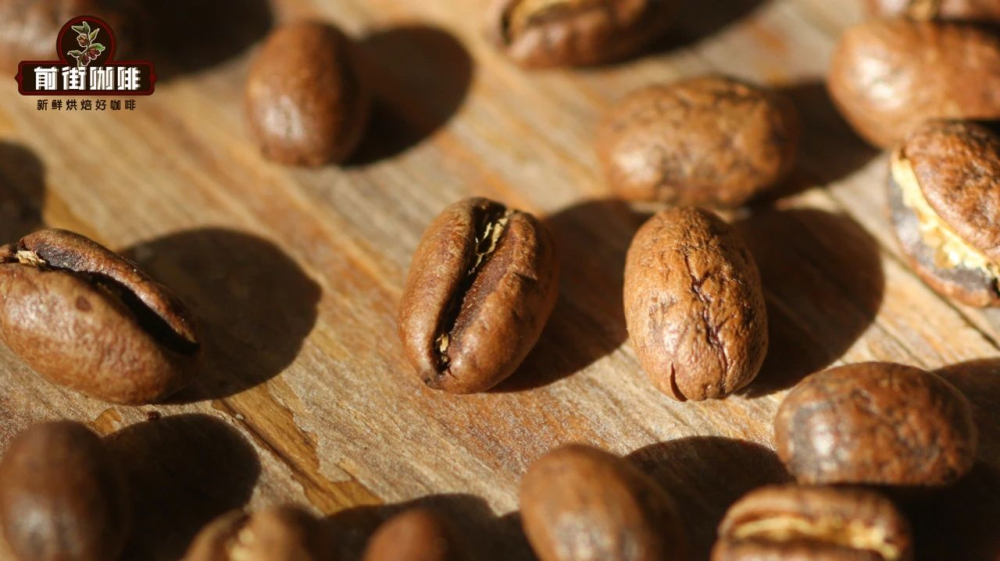
Cupping results show that this PB peaberry has a calm and mature aroma, with a slight wine-like acidity. When sipped, one can perceive dark berries, apple-like acidity, a full body, and a finish with sugarcane sweetness and delicate cocoa notes. Compared to the bright acidity and tomato-like notes of typical Kenyan AA beans, this peaberry is more gentle and restrained, yet still retains the signature brightness and complexity of Kenyan beans.
To compare the differences between AA and PB, we also brewed a Kenyan AA-grade coffee bean using the same extraction parameters. This AA bean, from the Nyeri Assaliya Factory, is also grown at an altitude of 1,700 to 1,900 meters, with varieties SL28 and SL34, and uses the K72 washed process, known for its bright berry acidity and clear layering.
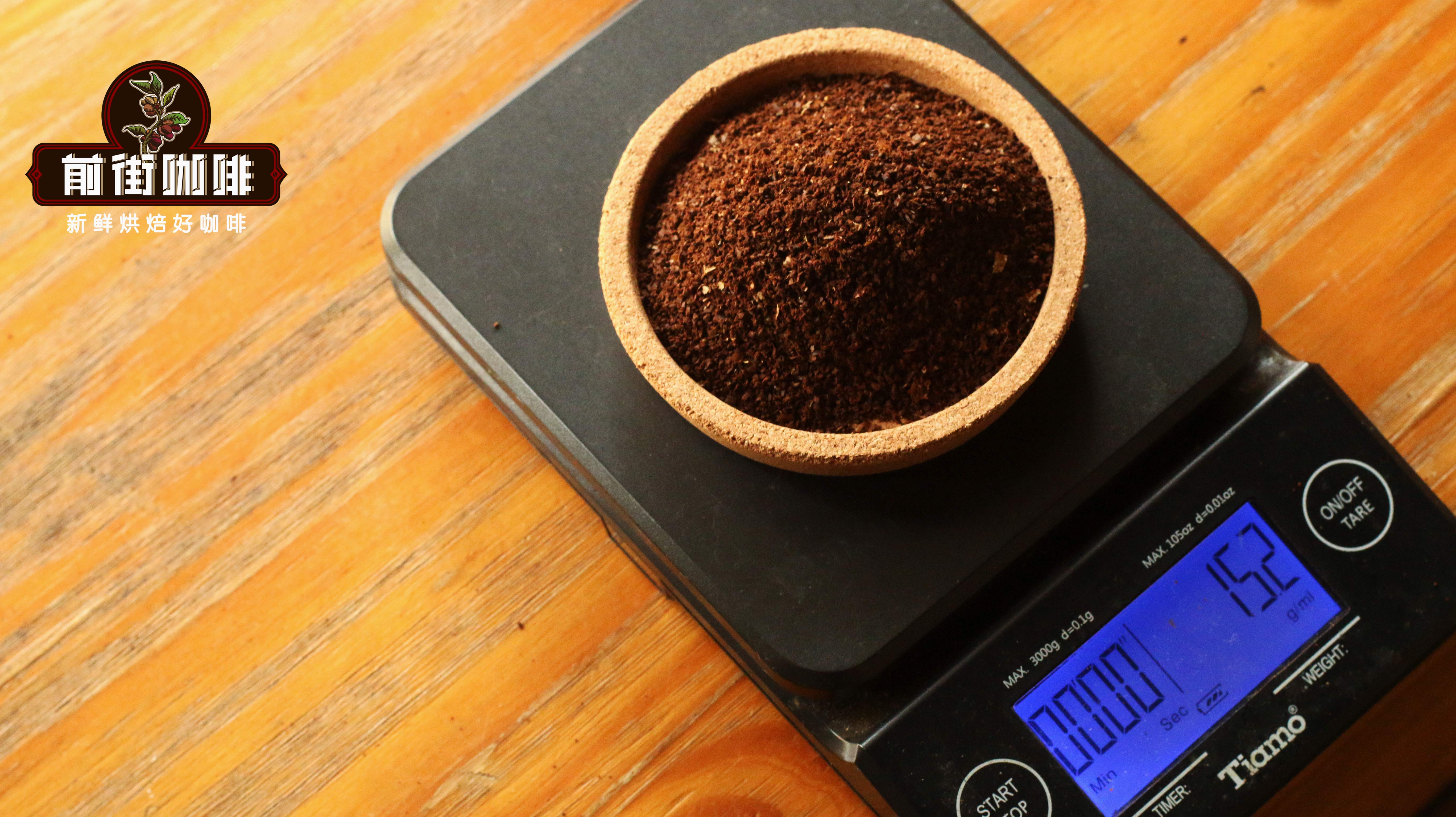
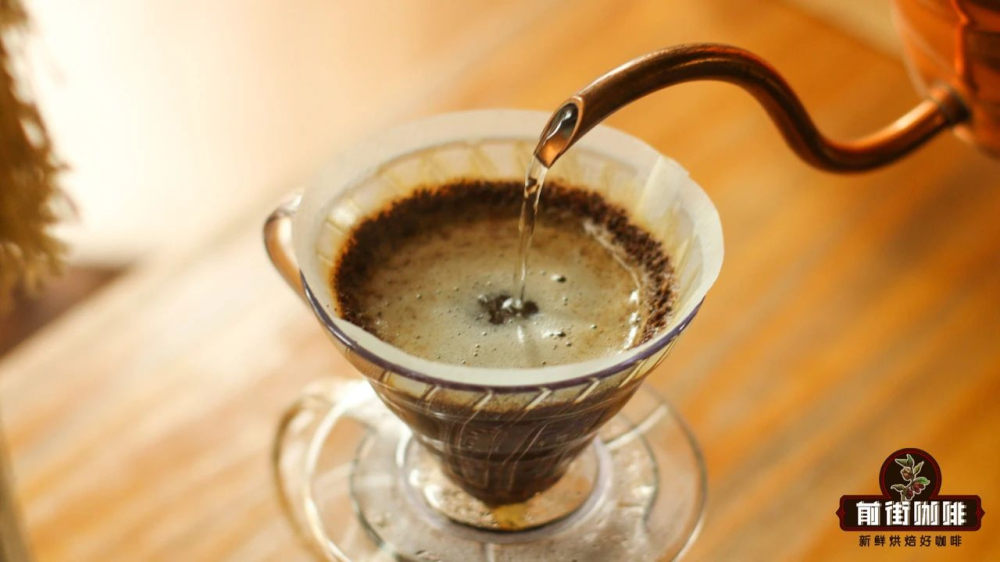
Brewing is recommended using a V60 filter, with a water temperature of about 90°C, a coffee dosage of 15 grams, a brew ratio of 1:15, and a grind size of medium-fine (approximately 77% passing through a #20 sieve). The specific technique is as follows: start with a 30-gram bloom for 30 seconds, then pour in a small circular motion until reaching 125 grams for the first pour. After the water level drops, continue pouring to 225 grams, and finally remove the V60 just before the water level exposes the coffee bed. The total brew time is about 2 minutes. These parameters help highlight the bright acidity and fruity layering of Kenyan beans.
In actual tasting, this AA coffee exhibits rich dark berry flavors, with bright acidity and a touch of sweetness upon entry. As the temperature decreases, it gradually shifts to grape and plum acidity. The overall profile is well-layered with a long-lasting aftertaste. Compared to the PB peaberry, the AA bean has a more direct acidity, with a more exuberant berry character, making it suitable for coffee lovers who enjoy bright fruit acids and clear structural profiles.
The above content is compiled by CoffeeHunters, a coffee news website.

