







Introduction:Have you ever taken a sip of coffee that, despite having no sugar added, still delivered a natural honey-like sweetness and fruity aroma? This is actually closely related to the roast level, processing method, and brewing technique of the coffee beans. This article delves into the key factors that influence the sweet profile of coffee, and from roast curves, acid-sweet balance to extraction techniques, it helps you find the most suitable sweet flavor for pour over. We’ve also carefully selected four single-origin beans with clear flavor profiles, distinct sweetness, and rich fruitiness, along with practical pour over recommendations, allowing you to easily enjoy a well-balanced and mellow sweet coffee.
When we talk about the “sweetness” of coffee, we’re not just referring to the taste of sweetness on the palate—there’s also the sweet aromatic notes perceived through the nose. Truly high-quality coffee often achieves an excellent balance between acidity and sweetness, where the acidity is supported by aromatic foundations, resulting in a memorable and high-scoring flavor experience. And within this, roasting plays a pivotal role.
From the moment coffee beans begin to be heated, sweetness is usually one of the first flavor characteristics to emerge, followed by the development of acidity. According to the general principles of roasting, as the roasting time extends and the degree of roast deepens, the sweetness in coffee gradually increases, typically peaking in the medium to medium-dark roast range, after which it gradually declines. Therefore, if you prefer a pronounced sweetness, you might want to prioritize medium-roasted single-origin beans.
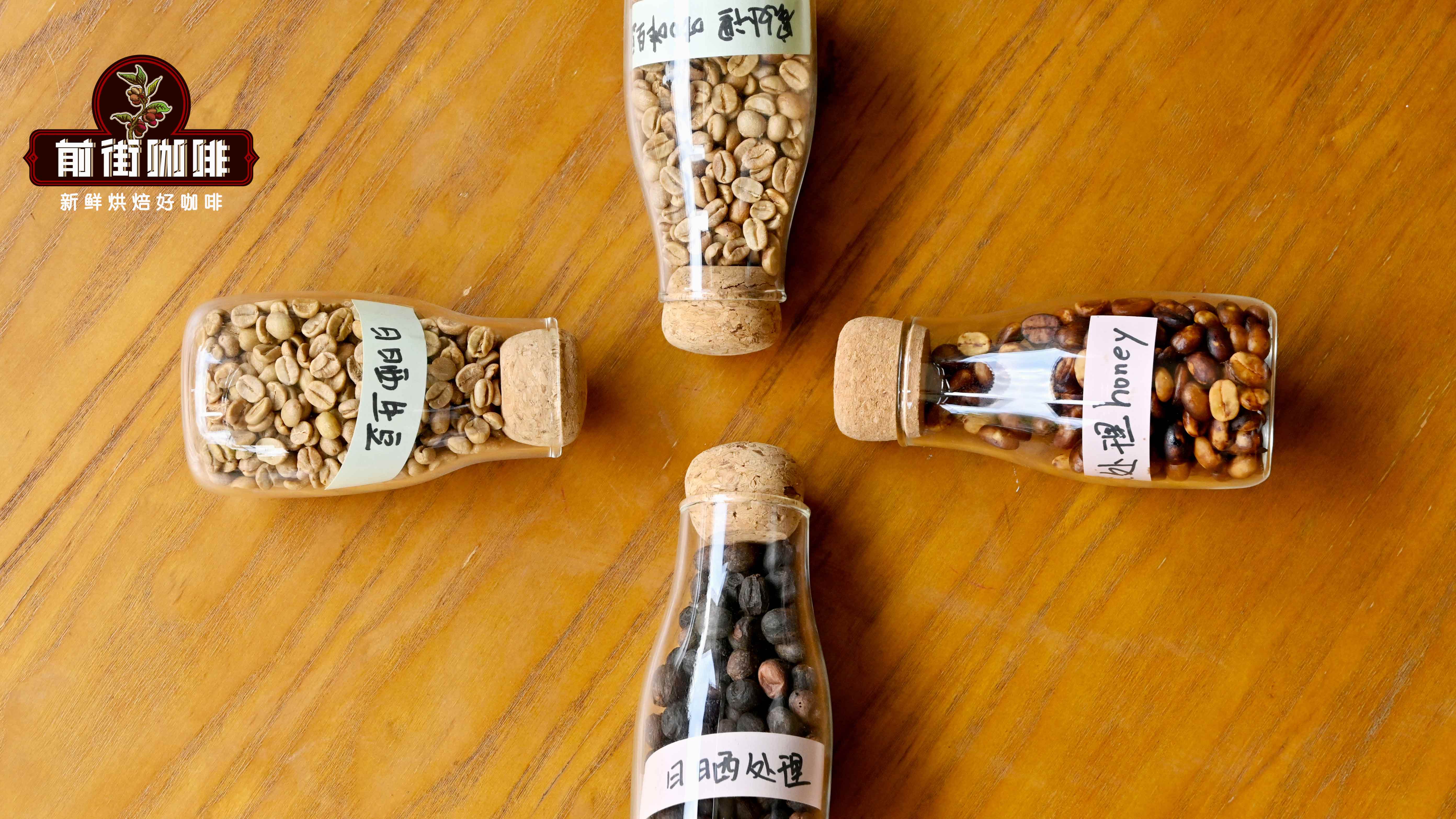
For the average consumer, while you may not be directly involved in roasting decisions, you can still estimate the sweetness potential of beans through flavor descriptions. Typically, if the flavor notes highlight mildly acidic-sweet fruits such as cantaloupe, mango, guava, sweet orange, or peach, accompanied by terms like dried fruit, honey, or fermentation, these beans are likely to have prominent sweetness. In contrast, if the dominant notes are acidic fruits like lemon, plum, sour cherry, or passionfruit, the acidity will generally be more pronounced. If you’re looking for an entry-level option that combines sweetness and fruitiness, the following four classic single-origin beans are worth considering.
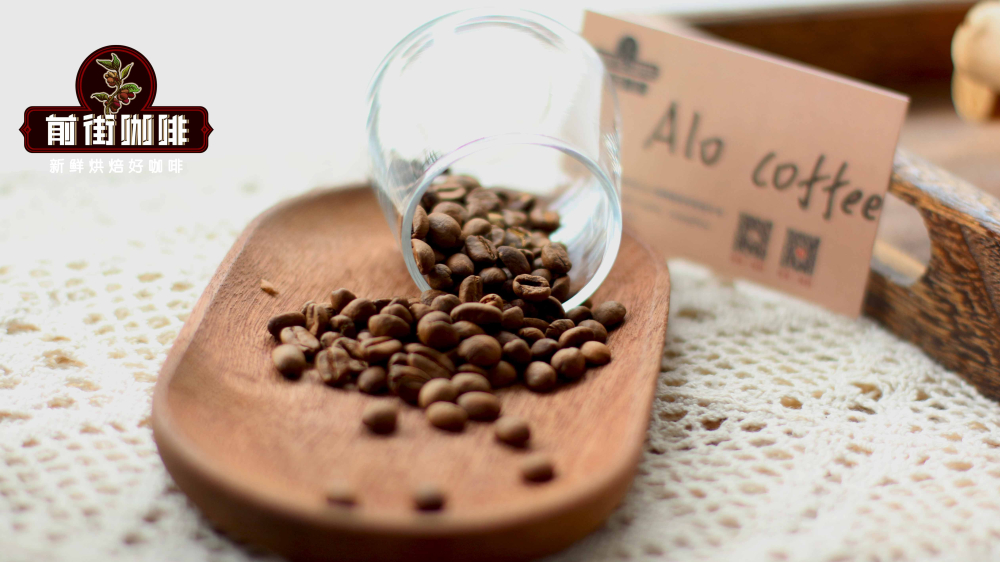
1. Sidamo Alo: This Ethiopian coffee features a distinct floral aroma, layered with notes of mango, guava, and strawberry preserve. The interplay of acidity and sweetness brings a refreshing and vibrant citrus character.
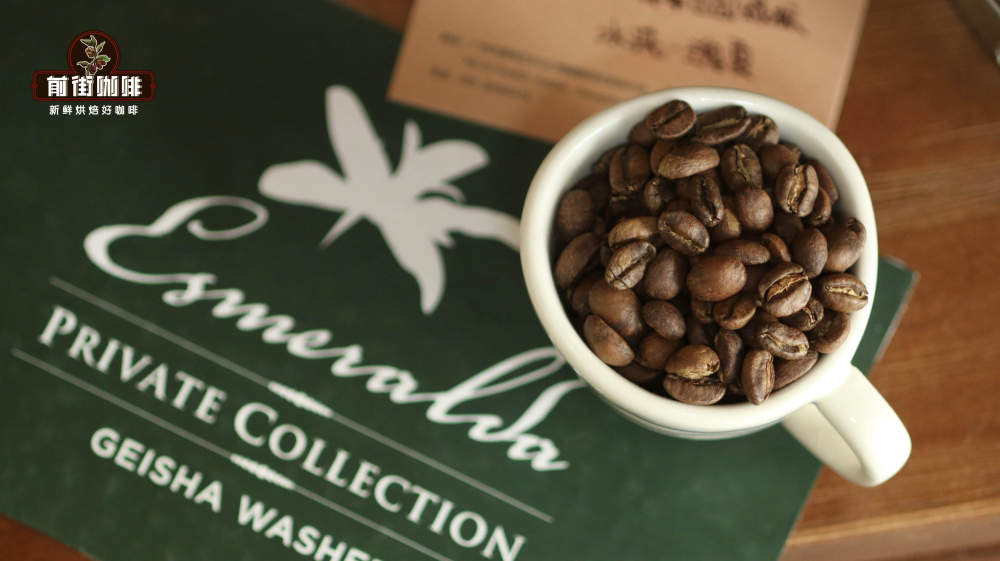
2. Emerald Green Label Geisha: A renowned variety from Panama, it opens with jasmine floral and cantaloupe top notes, paired with citrus, peach, and a gentle Tieguanyin tea-like nuance. It offers a soft mouthfeel with clear layering.
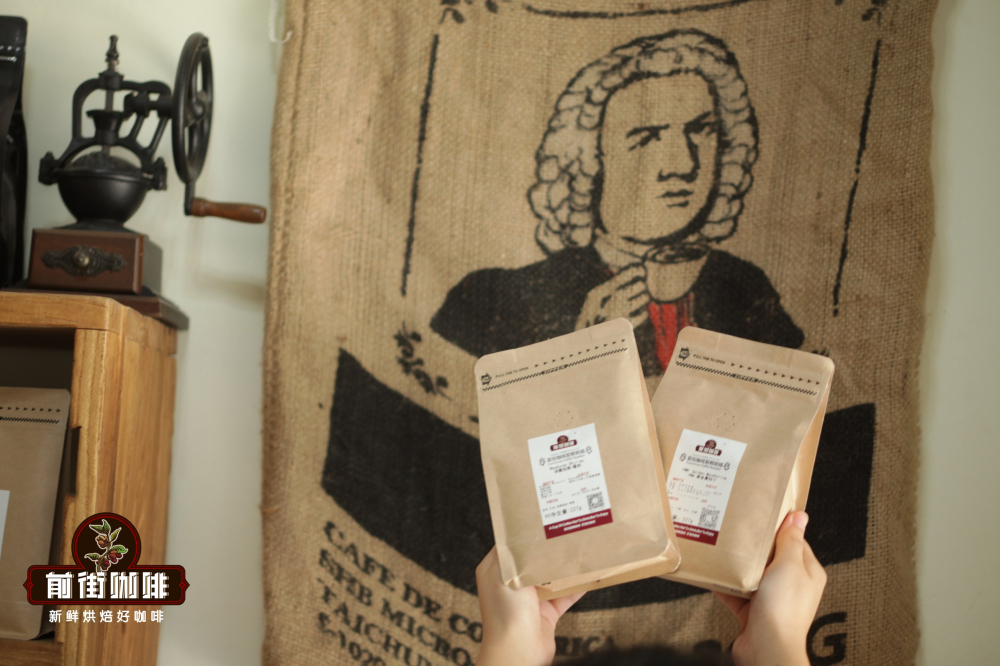
3. Mozart: This bean stands out with intense raisin and osmanthus aromas. It delivers a notably sweet and clean entry with prominent fermentation characteristics, finishing with a sweet orange aftertaste—ideal for those who prefer a clearly defined sweetness.
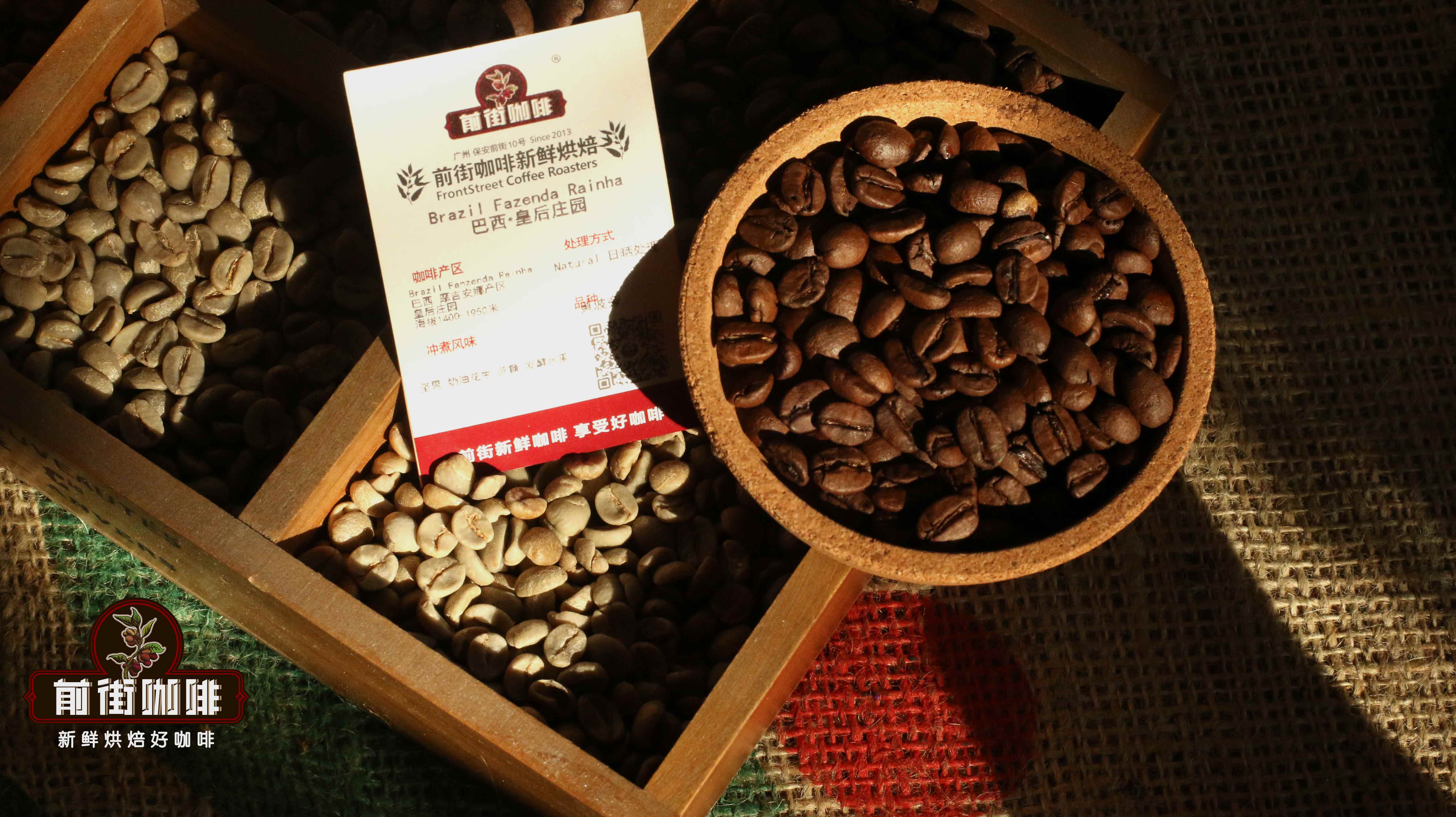
4. Queen’s Estate: A classic bean from Honduras, it has moderate body and a flavor profile led by creamy chocolate, cane sugar, and nuts. The finish is clean with a long-lasting aftertaste.

Many people mistakenly think that the sweetness of coffee only emerges at the end, but in reality, coffee extraction can be divided into three distinct phases: the first releases volatile aromatics, such as floral and bright fruity acidity; the next stage brings sweet substances from caramelization reactions—such as vanilla, cane sugar, nuts, and chocolate; and the final phase involves larger molecular compounds, which can easily bring out woody, bitter, or even sharp flavors. Therefore, if you want your pour over coffee to taste sweeter, the key lies in mastering the first two stages, especially the sweet extraction of the second phase.
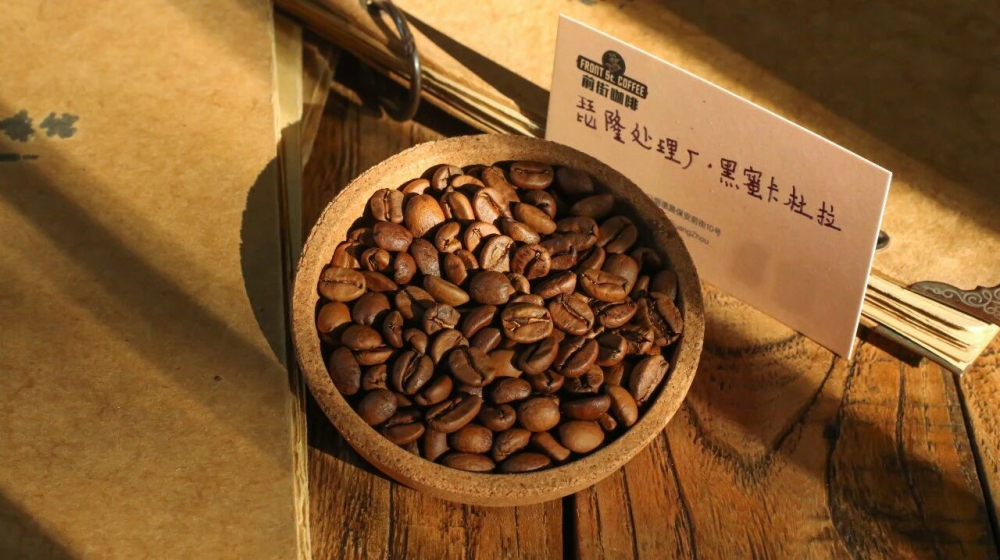
For light-roast coffee, to extract a noticeable sweetness while preserving clear floral and fruity acidity, it’s necessary to appropriately adjust the powder-to-water ratio, water temperature, and brewing pace. Common practices include slightly increasing the water temperature (by about 1–2°C), expanding the powder-to-water ratio (e.g., 1:16), and using a multi-pour method to extend extraction time and enhance body. Below, using Costa Rica Blackberry (honey-processed Caturra) as an example, we share a set of tested and effective pour over parameters and process.
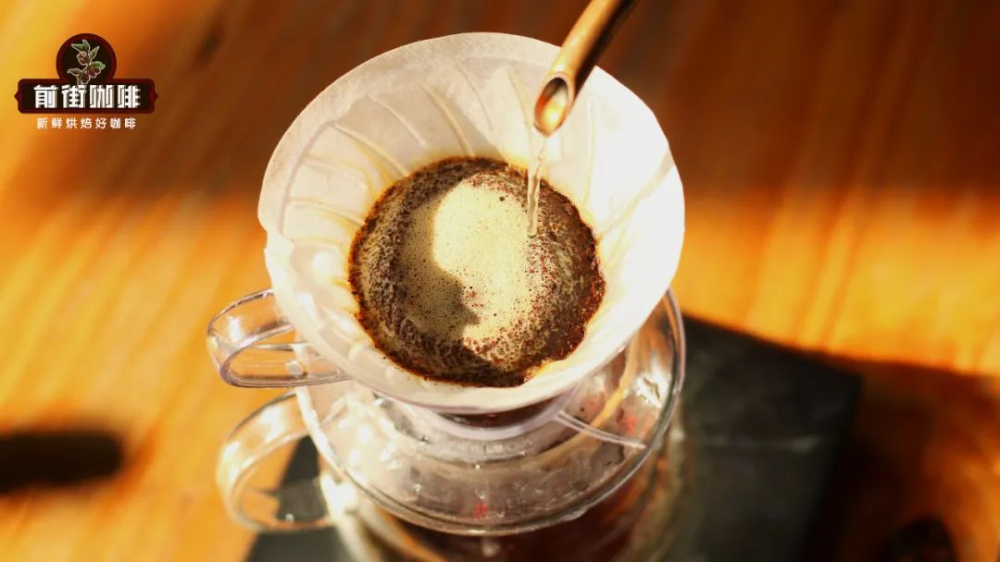
Coffee Bean: Costa Rica Blackberry (Honey-Processed Caturra)
Coffee Dose: 15 grams
Powder-to-Water Ratio: 1:16
Grind Size: Medium-Fine (recommended EK43s setting 10)
Filter: V60
Water Temperature: 93°C
Using a four-pour method: 30g bloom → 70g → 70g → 70g, total water around 240g, with the entire brew time controlled to around 2 minutes and 10 seconds.
Step 1: Pour 30g of hot water for the bloom, wait 30 seconds to ensure all coffee grounds absorb water evenly and initiate extraction.

Step 2: After 30 seconds, pour 70g of water at approximately 4ml/s using a small stream, moving slowly in a clockwise circle from the center. Aim for the water level to reach about 3/5 of the filter. This stage takes about 55 seconds, with a total water volume of 100g.
Step 3: When the liquid surface is about to expose the coffee bed, start the third pour of 70g. Maintain the same flow rate, and you may slightly widen the pouring circle to help release more sweet compounds. Aim to complete this step in 1 minute 15–20 seconds, with a total water volume of 170g. Be sure to maintain a stable pour rhythm to avoid excessive pressure disrupting the coffee bed.

Step 4: For the final 70g pour, control the water flow and begin when the coffee bed is exposed again. Keep the technique gentle and even to avoid over-agitation. Complete this around 1 minute 45 seconds, reaching a total of 240g water, with the full process taking about 2 minutes and 12 seconds.

Using this method to brew Costa Rica Blackberry, you’ll clearly taste the sweet tones of ripe fruits such as melon, grape, blueberry jam, and sugarcane. The acidity is soft and the body is full. Even as the coffee cools, the sweetness remains persistent, with a delicate floral aftertaste. It’s a sweet pour over masterpiece ideal for savoring.
The above content is compiled by CoffeeHunters, a coffee news website.

