








Introduction:Cold brew coffee, with its refreshing taste and unique flavor profile, has become the go-to choice for many coffee enthusiasts in recent years. But do you know how much caffeine is actually in a cup of cold brew? And how does it compare to hot brewed coffee? This article will delve into the caffeine content and mechanism of cold brew coffee, and provide recommendations for single-origin beans suitable for cold brewing along with practical brewing parameters to help you craft your own ideal flavor.
As is well known, the energizing effect of coffee is primarily attributed to its caffeine content. This natural central nervous system stimulant is widely found in coffee, tea, and chocolate. Once consumed, caffeine quickly enters the bloodstream and crosses into the brain, where it binds to adenosine receptors, blocking the transmission of fatigue signals and thereby helping to maintain alertness. Additionally, it promotes the release of neurotransmitters such as dopamine and norepinephrine, which can enhance focus and reaction speed—this is also why many people feel more energetic after drinking coffee.
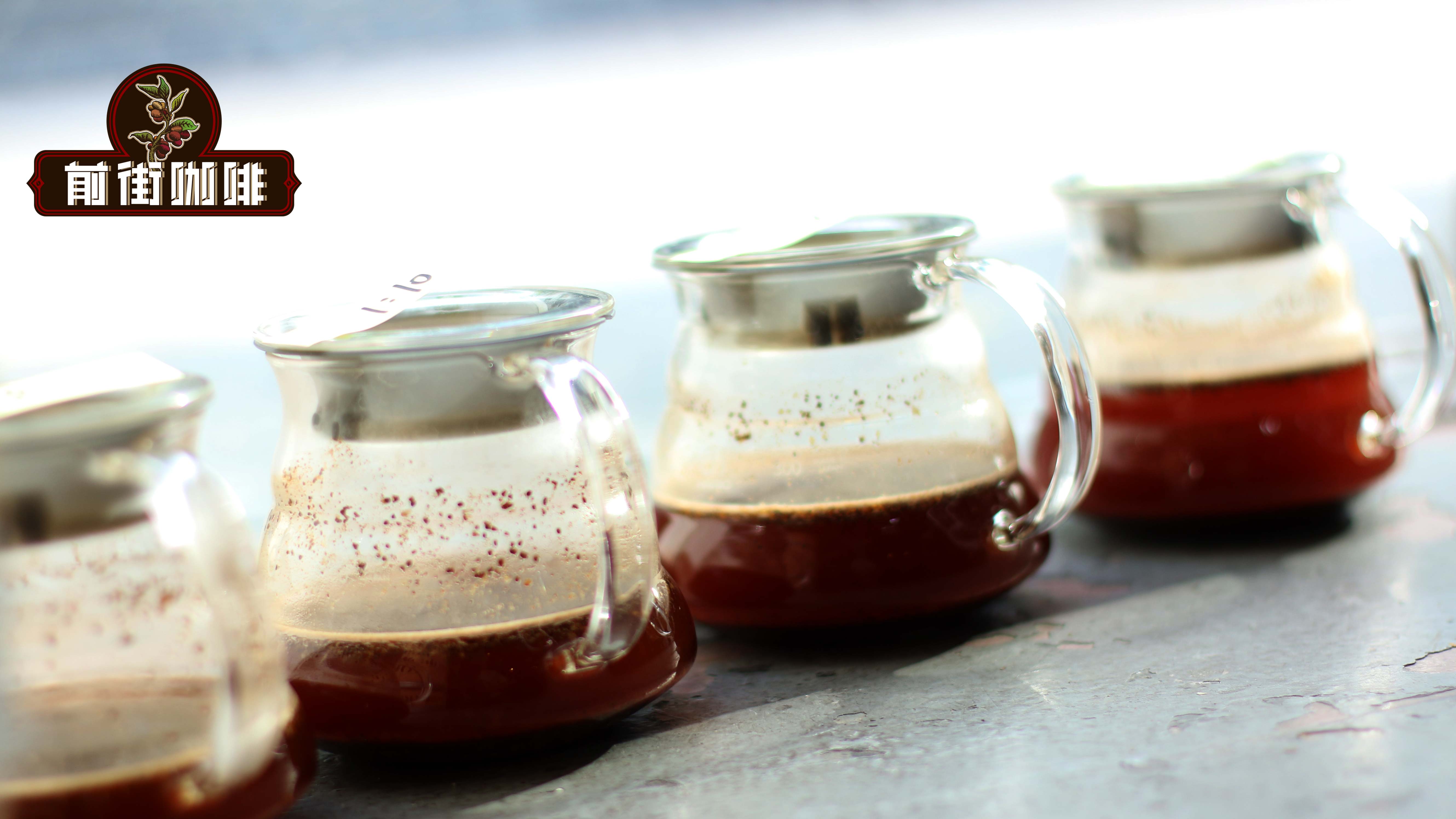
To achieve a stimulating effect, besides increasing the amount consumed, choosing a beverage with a higher caffeine content is a common approach. Take commonly prepared cold brew coffee as an example: when using 20 grams of coffee grounds and 200 milliliters of water for extraction, the caffeine content is approximately 140 milligrams, which is higher than that of a typical Americano at 100 milligrams. Therefore, when you need a quick pick-me-up, cold brew might be the better option.
So, what exactly is cold brew coffee? Cold brew (English: Cold Brew Coffee) is a brewing method that involves steeping coffee grounds in cold water for an extended period. Typically, the ground coffee is mixed with cold water and left to steep for 8 hours or more. If you prefer a richer and more robust flavor, the steeping time can be extended to 24 to 48 hours. After steeping, simply filter out the coffee grounds to enjoy a smooth, low-acidity cold brew coffee.

Making cold brew coffee is quite simple, and even beginners can easily get the hang of it. Using 50 grams of coffee grounds as a baseline, it is recommended to use a medium-fine grind with about 85% passing through a standard #20 sieve , to suit the characteristics of cold water extraction. Place the coffee grounds in a glass container, add 400 milliliters of room temperature water and 200 grams of ice cubes(totaling about 600 grams of ice water mixture), maintaining a 1:12 coffee-to-water ratio. Stir thoroughly to ensure even saturation, then seal and refrigerate.
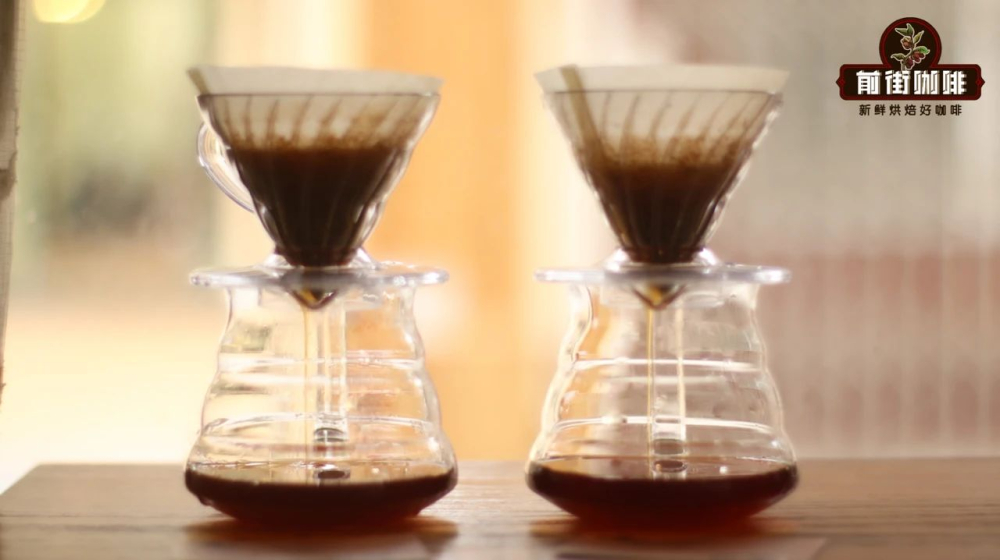
After steeping for 12 to 24 hours , filter out the coffee grounds using filter paper to obtain a clear coffee liquid. For enhanced flavor, you can pour the coffee liquid into a clean, sealed bottle and refrigerate it for another 4 hours before drinking. It’s worth noting that longer steeping times do not necessarily mean better results—the flavor profile can vary depending on personal preference. Some may enjoy a light and delicate taste, while others may prefer a bold flavor with a hint of fermentation.
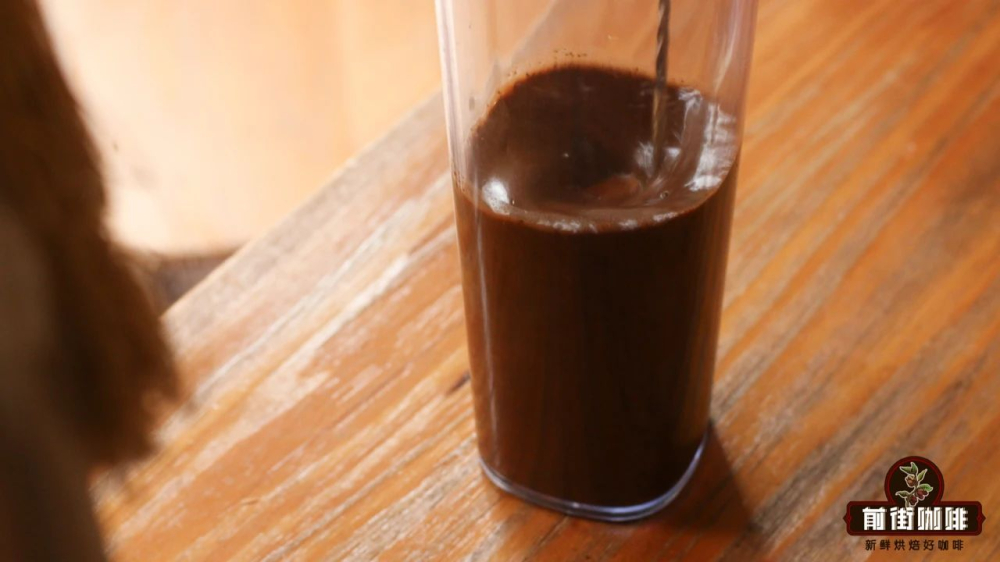
If you prefer cold brew with a more pronounced fermented character, you can extend the extraction time appropriately. As time increases, the layers and complexity of the coffee’s flavors will also deepen. If the final brew feels too strong, you can dilute it with ice cubes to adjust the concentration while maintaining a cool drinking experience. In addition, selecting the right type of coffee beans is also a key factor influencing the flavor of your cold brew.
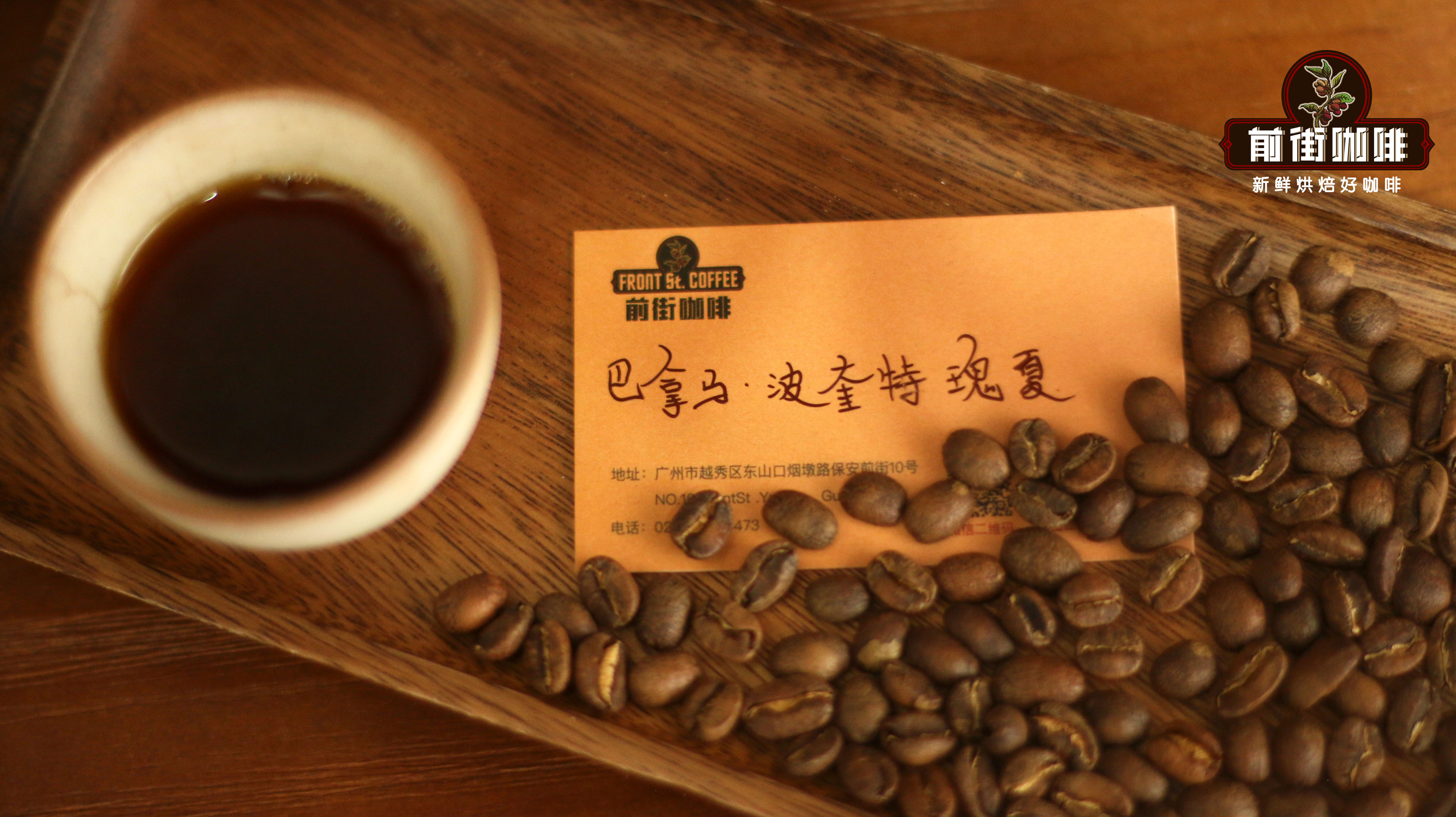
Generally speaking,medium to light roasts tend to highlight the refreshing qualities of cold brew. For instance, beans with prominent floral notes can add an elegant aromatic layer to your cold brew. Those who prefer fruity acidity and bright profiles might opt for bean varieties reminiscent of black tea and berry flavors or those with intense juice-like characteristics. If you’re drawn to tropical fruit flavors, such as passion fruit, or unique fermented notes, you can also choose beans from corresponding origins to create a distinctive cold brew experience.
In summary, cold brew coffee not only provides a stable intake of caffeine, but its low acidity also makes it suitable for those with sensitive stomachs. By adjusting grind size, coffee-to-water ratio, and extraction time, and by pairing these with the right coffee bean variety, you too can easily brew cold brew coffee tailored to your taste at home, and enjoy the fun brought by diverse flavor variations.

The above content is compiled by CoffeeHunters, a coffee news website.


