








Introduction:Want to make a uniquely flavorful cold brew coffee at home but don’t know where to start? This article delves into the key brewing factors for cold brew, including coffee-to-water ratio, suitable grind size, how water temperature affects flavor, and how to adjust steeping time according to personal taste. Through scientific principles and practical tips, help you master the art of cold brew and enjoy a more refreshing and complex coffee experience.
Cold brew is a favorite among many coffee lovers during summer—not only because it’s refreshing and low in acidity, but also because it highlights the layered flavors of the beans themselves. Compared to traditional hot brewing, the cold brew process is gentler, reducing bitterness and resulting in a smoother, rounder mouthfeel. However, brewing a satisfying cup of cold brew actually involves quite a few details worth paying attention to.
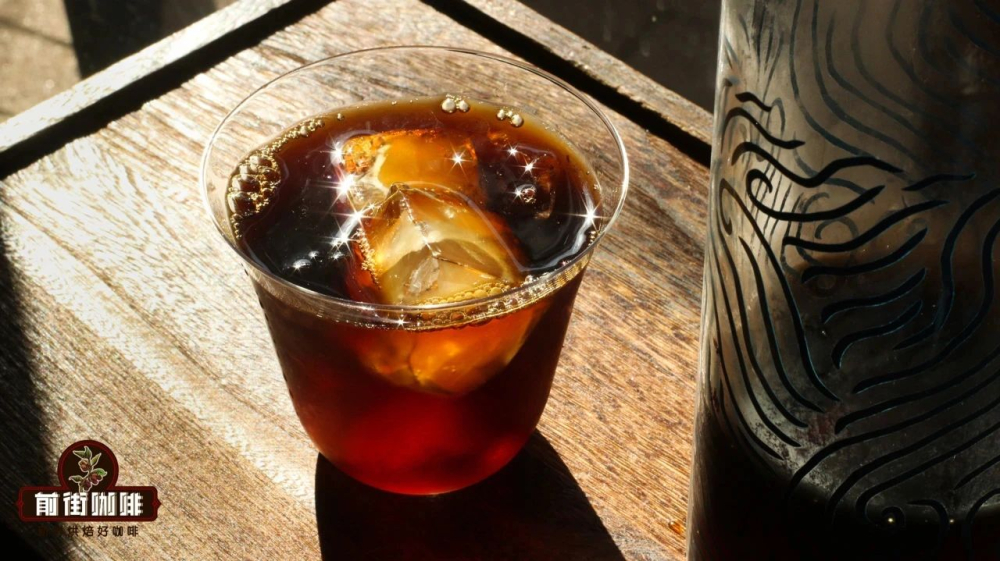
First, let’s talk about the basic ratio for cold brew. A commonly recommended ratio is 1:12—meaning 50 grams of coffee grounds to 600 milliliters of ice water mixture (which can include room-temperature water and ice). This ratio ensures the coffee isn’t overly strong while still fully showcasing its flavors. If you prefer a bolder taste, you can try ratios like 1:10 or 1:11, but remember to adjust the proportion of ice accordingly to control the overall extraction temperature.
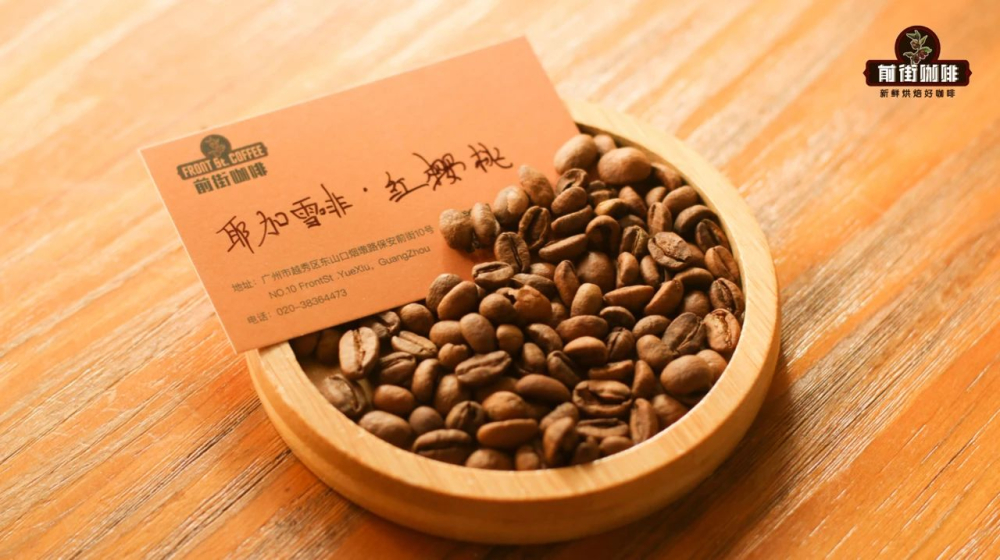
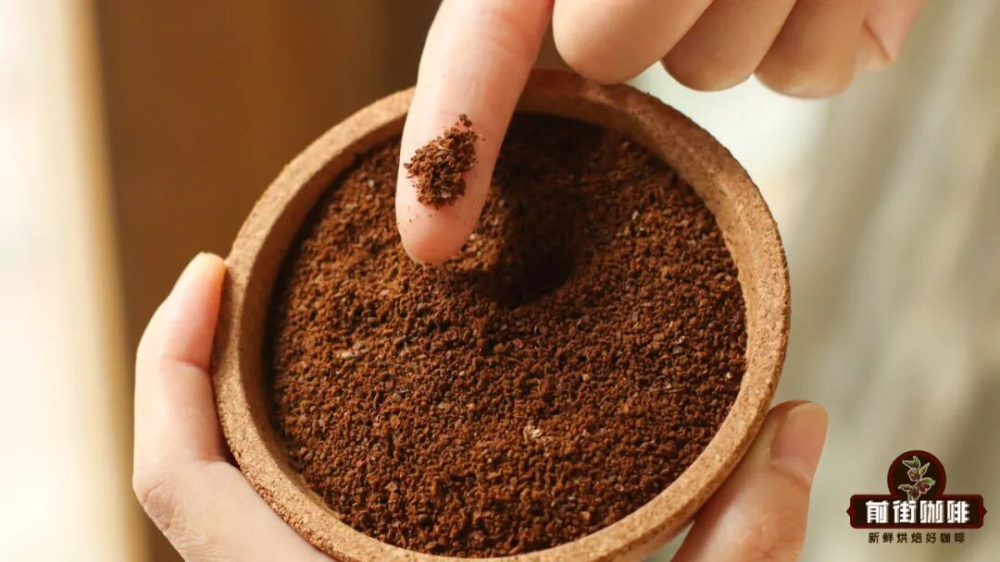
As for grind size, since cold brew doesn’t use hot water to drive extraction, it’s recommended to use a slightly finer grind than for pour over—roughly around an 85% pass rate through a No. 20 sieve. This grind increases the total surface area of the coffee grounds, allowing water molecules to extract flavor compounds more easily without being so fine that it leads to difficult filtration.
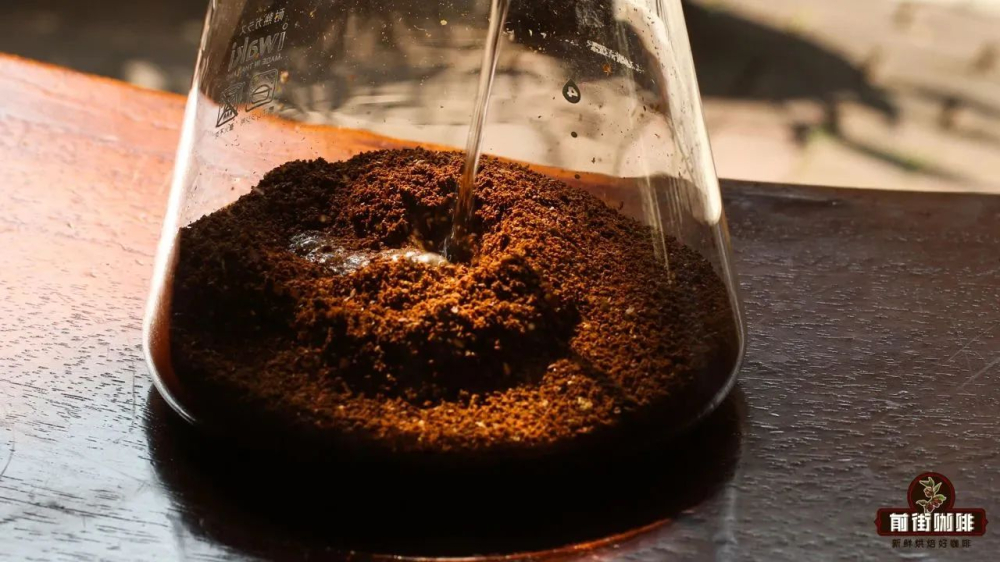
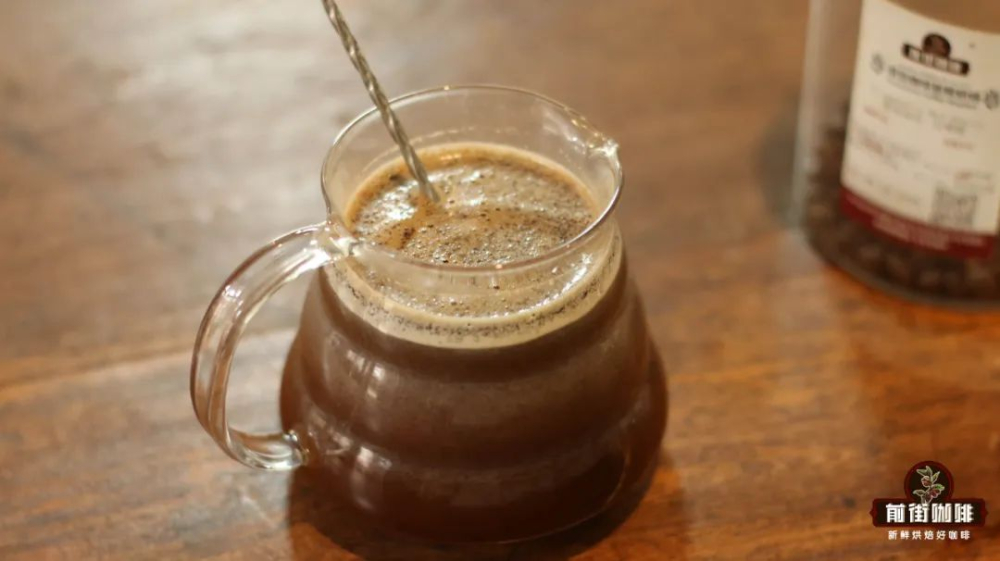
After mixing the coffee grounds with the ice water, it’s recommended to stir gently to ensure every coffee particle is thoroughly in contact with the water. Then let it sit in the refrigerator. The general recommended steeping time is 12 to 24 hours—this duration is enough for the sweet and acidic compounds in the coffee to fully release, without letting bitterness accumulate excessively. However, the length of steeping time will also affect the final flavor. Some people prefer a lighter, lemon-tea-like cold brew, in which case around 12 hours of extraction is sufficient; if you enjoy a richer, more fermented-tasting profile, you can extend the time to 20–24 hours, though be aware that the concentration may be higher.
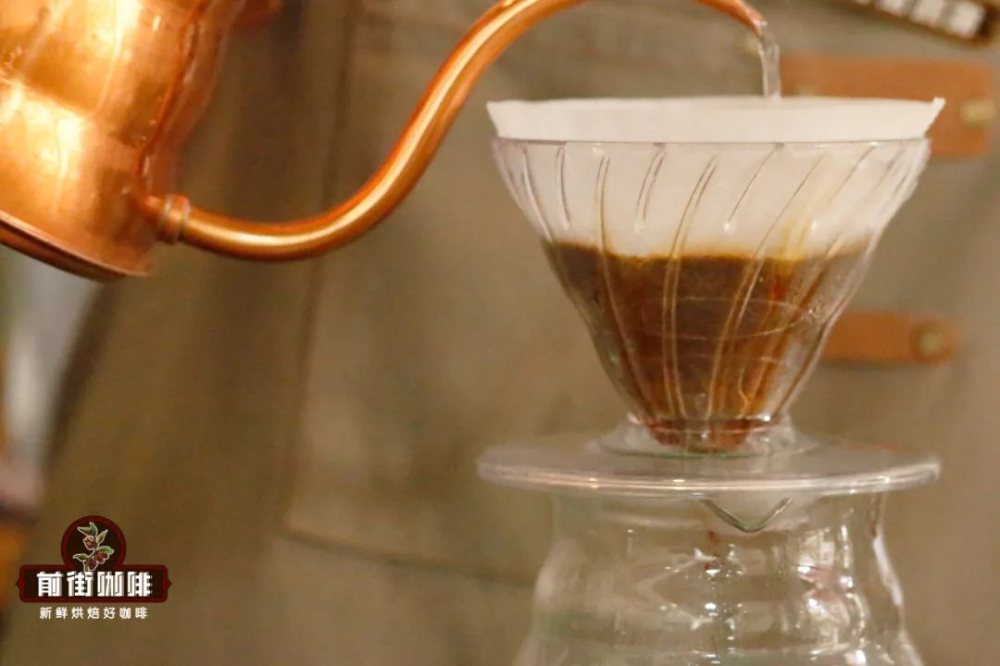
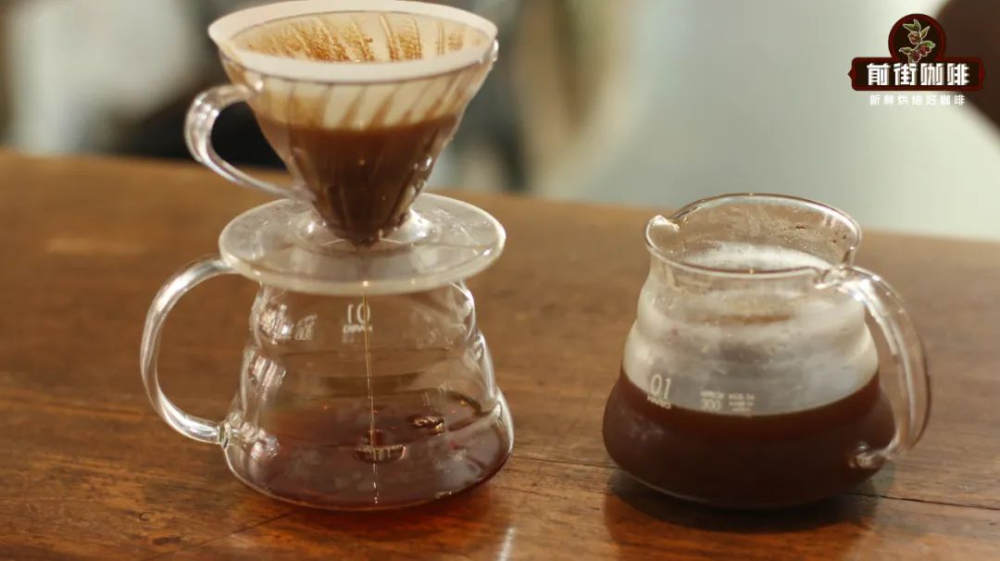
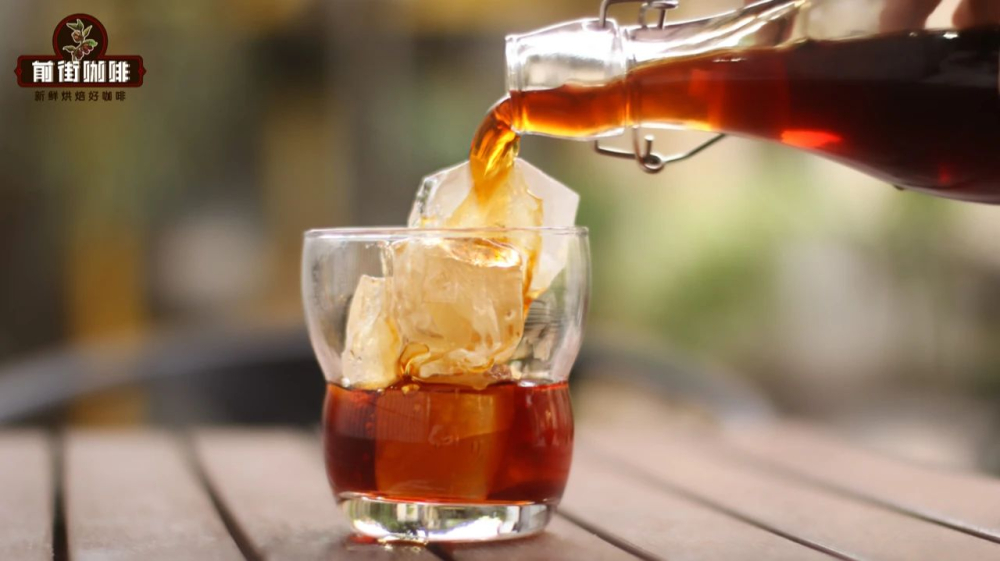
Once the cold brew is extracted, it’s recommended to filter out the coffee grounds using filter paper or a specialty filter bag to obtain a clear coffee liquid. After filtering, the coffee liquid can be poured into a clean, sealed bottle and refrigerated for about 4 hours to allow the flavors to integrate further and the mouthfeel to become smoother. Drinking it at this point allows you to enjoy a more balanced acidity, sweetness, and body.
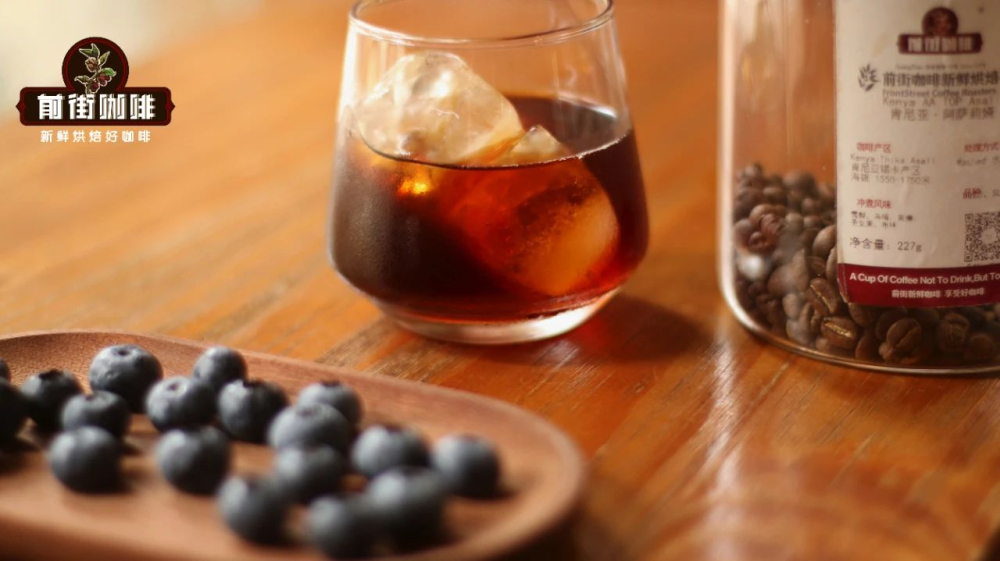
It’s worth mentioning that the flavor profile of cold brew is highly personal. Some people enjoy a light, low-acid citrusy tone, while others prefer a bold, complex taste with berry or caramel notes. If you’re aiming for a richer layering, you can try adjusting the water temperature and grind size. For example, using 40°C warm water instead of room-temperature water can increase the activity of water molecules, speeding up the release of acidic and sweet compounds while reducing the extraction of unwanted bitterness.
The method of using warm water for cold brew is also quite popular. Specifically, you can place the coffee grounds (for example, 30 grams of medium-fine grind, about 73% pass rate through a No. 20 sieve) into a heat-resistant container, add 390 grams of 40°C warm water, and use a 1:13 coffee-to-water ratio—or adjust to 1:12 if you prefer a bolder taste. Stir for about half a minute, then let it sit. Once the coffee liquid cools down to around 35°C, transfer it to the refrigerator and chill for 4–5 hours. This method can extract rich berry, caramel, and black tea aftertaste flavors in a shorter time, making it more suitable for coffee lovers with limited time compared to the traditional 12-hour low-temperature extraction.
The advantage of warm water extraction lies in its ability to promote the early release of sweet and acidic compounds while suppressing the over-extraction of bitter substances. Over time, the low-temperature environment helps further stabilize the flavors, making the sweetness and fruity notes of the coffee more concentrated. In actual tasting, warm water cold brew often presents a full-bodied berry juice sensation, prominent caramel sweetness, and a tea-like soft aftertaste, with an overall brighter flavor profile.
However, because warm water accelerates the release of flavor compounds, cold brew made with this method tends to have a more vibrant flavor but is also less stable for storage. It’s recommended to consume it soon after brewing. If storage is necessary, be sure to keep it sealed and refrigerated—the optimal flavor window is within 4 days. In contrast, cold brew extracted with room-temperature water for 12 hours at low temperature has a more stable flavor, usually can be stored longer, but the flavor tends toward a refreshing lemon-tea profile, with pronounced sweetness and tea-like notes—suitable for those who prefer a lighter taste.
In summary, the charm of cold brew lies in its high degree of adjustability and adaptability. Whether you choose long steeping with room-temperature water or short extraction with warm water, as long as you master the interplay between coffee-to-water ratio, grind size, and water temperature, you can brew a cold brew that suits your personal taste. Feel free to adjust the various parameters based on your flavor preferences and explore the perfect cold brew flavor combination that’s uniquely yours.
The above content is compiled by CoffeeHunters, a coffee news website.


